
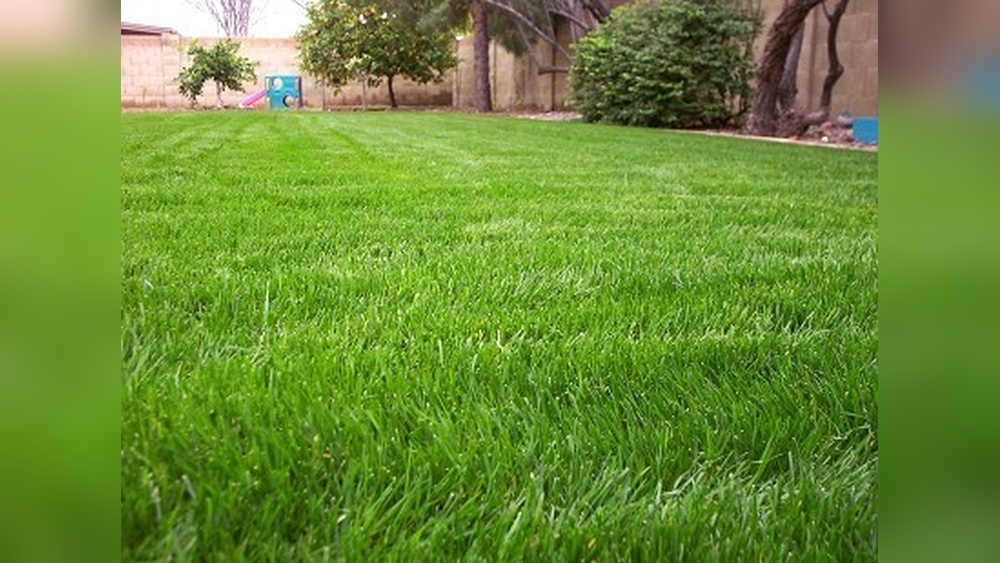
If you’re thinking about planting winter rye in Florida, knowing the best time to do it can make all the difference for a healthy, thriving cover crop. Planting at just the right moment helps your rye establish strong roots, protect your soil, and suppress weeds during the cooler months.
But when exactly should you spread those seeds? Whether you’re in North Florida or down in the southern part of the state, timing and preparation are key to getting the most out of your winter rye. Keep reading to discover the ideal planting windows, helpful tips, and simple steps you can follow to ensure your winter rye flourishes—and your land stays healthy all season long.

Credit: hancockseed.com
Planting Window In Florida
Planting winter rye in Florida requires attention to the right timing for each region. The planting window varies between North Florida and Central and South Florida due to climate differences. Choosing the correct time ensures strong growth and soil benefits throughout the winter months.
North Florida Timing
In North Florida, plant winter rye from mid-October through November. The cooler temperatures during this period help seeds germinate quickly. Planting too early may expose seeds to heat stress. Planting too late reduces the chance for strong root development before winter.
Central And South Florida Timing
Central and South Florida have a warmer climate. Plant winter rye from late November through December in these areas. This timing avoids the hotter fall months and uses the cooler winter weather for growth. Seeds planted too early may fail to establish properly in warmer soil.
Temperature And Soil Preparation
Preparing the soil and understanding temperature needs are key for planting winter rye in Florida. The right soil temperature helps seeds sprout quickly. Proper soil preparation ensures the plants grow healthy and strong. These steps improve germination and root development.
Ideal Soil Temperature
Winter rye seeds need soil temperatures between 50°F and 65°F to germinate well. In Florida, soil usually reaches this range from mid-October to December. Planting too early or too late can slow seed growth. Check the soil temperature with a thermometer before planting.
Soil Testing And Fertilization
Test your soil to know its nutrient levels and pH balance. Winter rye grows best in soil with a pH of 5.5 to 6.5. Add fertilizer based on test results to supply needed nutrients. Use nitrogen-rich fertilizer to support fast growth. Proper fertilization leads to a lush, green cover.
Seedbed Preparation
Clear the area of weeds and debris before planting. Loosen the soil to a depth of 2 to 3 inches for good seed contact. Rake the surface smooth to create an even seedbed. Press seeds lightly into the soil to keep them moist. Well-prepared seedbeds improve germination and root anchoring.
Seeding Techniques
Seeding techniques play a vital role in growing healthy winter rye in Florida. Proper seeding ensures strong germination and good plant growth. The seed must contact the soil well and be planted at the right depth. These steps help the seed absorb moisture and nutrients efficiently. Use the correct method to spread the seed evenly. This section explains key seeding techniques to follow for the best results.
Seed-to-soil Contact
Good seed-to-soil contact is essential for winter rye growth. After spreading the seed, press it firmly into the soil. Use a cultipacker or a drag to press seeds down. This improves moisture absorption by the seed. Seeds lying loose on the soil surface may dry out quickly. Firm contact helps seeds germinate faster and stronger.
Seeding Depth
Plant seeds at the right depth to ensure proper growth. Winter rye seeds should be no deeper than half an inch. Too deep planting slows germination and weakens seedlings. Shallow planting exposes seeds to drying but allows quick sprouting. Aim for a balance by covering seeds lightly with soil. This protects seeds while letting them access air and water.
Broadcast Seeding Tips
Broadcast seeding is a common way to plant winter rye in Florida. Spread seeds evenly over the prepared soil surface. Avoid clumps or bare spots to ensure uniform growth. After broadcasting, roll or drag the area to press seeds into soil. Water gently but thoroughly to start germination. Repeat watering as needed to keep soil moist during early growth.
Benefits Of October Planting
Planting winter rye in October in Florida offers many advantages. The timing allows the rye to establish strong roots before colder months arrive. Early planting improves growth and maximizes benefits. This strategy supports healthier soil, better weed control, and reduces erosion. Below are key benefits of planting winter rye in October.
Weed Suppression
Winter rye grows quickly and covers the ground well. This dense cover blocks sunlight from reaching weed seeds. As a result, fewer weeds can sprout and compete with rye. Suppressing weeds naturally reduces the need for herbicides. October planting gives rye time to develop this protective cover before weeds take hold.
Soil Health Improvement
Winter rye roots penetrate deep into the soil. This helps break up compacted soil and improves airflow. The plant adds organic matter as it grows and decomposes. This organic matter feeds soil microbes and improves nutrient cycling. Early planting in October allows more root growth, enhancing soil structure and fertility over winter.
Erosion Control
Florida often experiences heavy rains in fall and winter. Winter rye planted in October acts as a living mulch. Its roots hold soil particles together and reduce runoff. The leafy cover shields soil from rain impact and wind. This prevents soil erosion and loss of valuable topsoil. Planting in October ensures rye is established before heavy rains start.
Key Planting Considerations
Planting winter rye in Florida requires attention to several key factors. These factors affect seed germination, growth, and final yield. Understanding these helps achieve a healthy, productive crop. Proper planning maximizes the benefits of winter rye for soil and pasture improvement.
Timing Importance
Plant winter rye between mid-October and December in Florida. Northern areas benefit from earlier planting, around mid-October to November. Central and southern Florida see better results from late November to December. Planting too early or late reduces growth and yield potential. Early planting allows rye to establish strong roots before cold weather arrives.
Moisture Requirements
Winter rye needs consistent moisture for good germination. Soil should be moist but not waterlogged. Lack of moisture delays seed sprouting and weakens seedlings. Irrigate lightly if rainfall is insufficient after planting. Well-timed moisture helps seedlings grow fast and healthy. Avoid heavy watering that causes soil erosion or seed washout.
Soil Type Effects
Winter rye adapts well to many soil types in Florida. It grows best in well-drained soils rich in organic matter. Sandy soils require extra care to maintain moisture. Clay soils may need aeration to improve drainage. Test soil pH and fertility before planting. Adjust soil nutrients based on test results for optimal growth.
Yield And Growth Expectations
Expect moderate to high yields under proper conditions. Early planting and adequate moisture increase biomass production. Healthy rye provides excellent ground cover and forage for livestock. Growth slows if planting is delayed or soil quality is poor. Regular monitoring helps manage pests and diseases, protecting yield.
Credit: nwdistrict.ifas.ufl.edu
Annual Ryegrass Uses In Florida
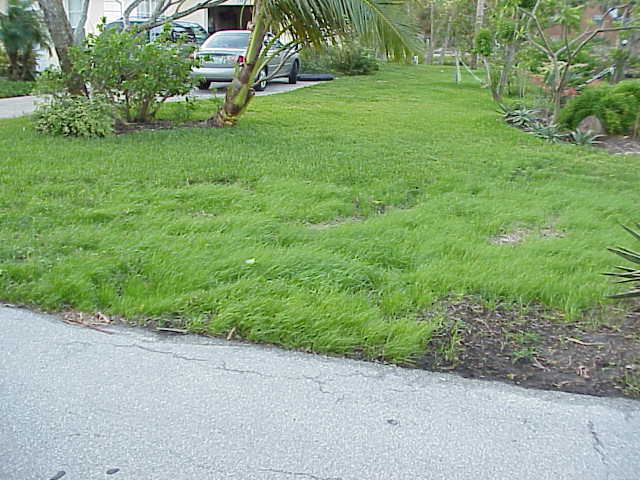
Annual ryegrass is widely used across Florida for its fast growth and versatility. It thrives in cooler months, making it a popular choice during fall and winter. This grass adapts well to Florida’s climate and offers several practical uses. It supports livestock, enhances lawns, and protects soil effectively. Understanding these uses helps growers and homeowners make the most of annual ryegrass.
Pasture Applications
Annual ryegrass provides excellent forage for cattle and other livestock. It grows quickly, offering fresh grazing in fall and winter. The grass is highly nutritious, promoting animal health. Farmers often plant it to extend the grazing season. It also recovers fast after grazing, ensuring continuous feed. This makes it a reliable choice for pasture management in Florida.
Lawn Overseeding
Many Florida homeowners use annual ryegrass to overseed warm-season lawns. It adds green color during cooler months when warm grasses go dormant. Overseeding keeps lawns vibrant and attractive in fall and winter. The grass germinates quickly, filling bare spots fast. It also helps prevent soil erosion on lawns. Annual ryegrass is easy to maintain and cost-effective for seasonal lawn care.
Ground Cover Benefits
Annual ryegrass acts as a protective ground cover in Florida landscapes. It reduces soil erosion by holding soil in place with its roots. The grass improves soil structure and adds organic matter when it decomposes. It also suppresses weeds by shading the soil surface. This ground cover is useful on slopes, construction sites, and bare patches. Using annual ryegrass helps maintain healthy soil and prevents land degradation.
Reseeding And Maintenance
Maintaining a healthy winter rye crop in Florida requires consistent care and timely reseeding. Winter rye is an annual grass, which means it completes its life cycle within one growing season. To keep your winter rye lush and green each year, planning for reseeding and proper maintenance is essential. This ensures the grass stays dense and controls weeds effectively during the cooler months.
Annual Reseeding Needs
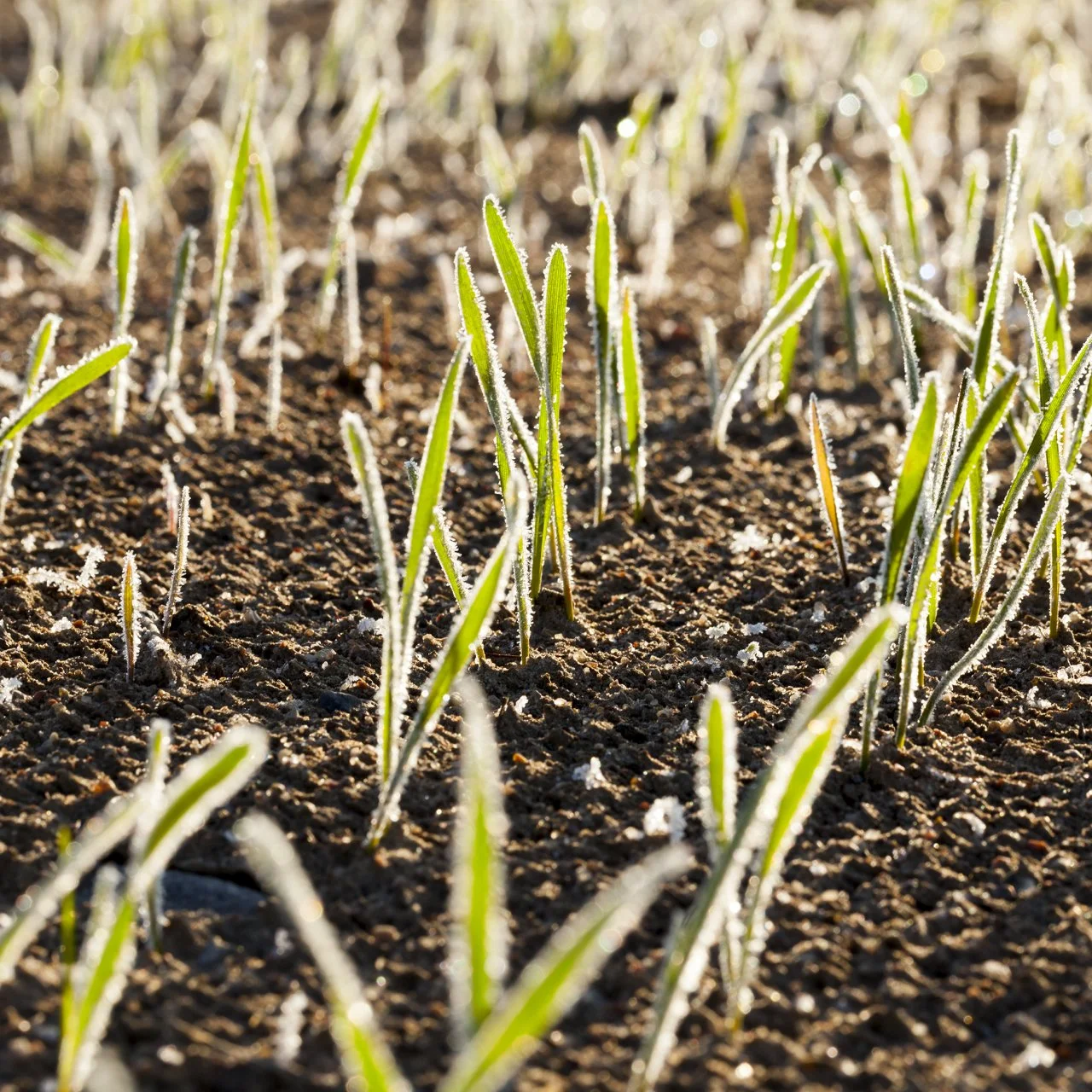
Winter rye grows best when planted fresh every year. The warm climate in Florida causes the rye to die off by late spring. To have a thick cover each winter, reseed between October and December. Timing depends on your location in Florida. North Florida benefits from earlier planting, while central and south regions can plant later. Reseeding yearly prevents bare spots and keeps the soil protected. Use fresh seed and prepare the soil well before planting. This practice helps the rye establish quickly and grow strong.
Post-planting Care
After planting, water the rye seed gently but deeply to encourage germination. Keep the soil moist for at least two weeks. Avoid heavy foot traffic on the newly planted area. Fertilize lightly with nitrogen to promote healthy growth. Mowing is necessary once the rye reaches 3 to 4 inches tall. Cut to about 2 inches to keep the grass dense and healthy. Regular monitoring for pests and diseases helps maintain the crop’s health. Good care after planting leads to a vibrant winter rye stand throughout the season.
Credit: www.hgtv.com
Frequently Asked Questions
When To Plant Winter Rye In Florida?
Plant winter rye in Florida from mid-October to December. Plant earlier in North Florida, later in Central and South Florida. Prepare soil, ensure moisture, and press seeds for good contact.
Can I Plant Ryegrass In The Fall?
Yes, plant ryegrass in early fall for best growth. Prepare soil, ensure good seed contact, and water after planting.
Is October 1 Too Late To Plant Grass Seed?
October 1 is generally a good time to plant grass seed, especially cool-season types. Early October allows root establishment before winter. Ensure soil moisture for germination. Avoid planting too late to prevent poor growth and weak lawns. Timing and watering are essential for success.
Can You Plant Winter Rye In October?
Yes, you can plant winter rye in October. Early to mid-October planting helps establish roots before winter, improving soil health, controlling erosion, and suppressing weeds effectively. Ensure soil moisture for successful germination and aim for early October for best results.
Conclusion
Planting winter rye in Florida works best between October and December. Northern areas do well with mid-October to November planting. Central and southern parts should wait until late November or December. Preparing soil and ensuring good seed contact helps rye grow strong.
Plant seeds at the correct depth for best results. Winter rye controls weeds and improves soil during cooler months. Timely planting leads to a healthier lawn and better pasture. Following these simple steps makes winter rye thrive in Florida’s climate.