
If you want a vibrant wildflower garden in Central Florida, timing is everything. Planting your wildflower seeds at the right moment can mean the difference between a burst of colorful blooms and a patchy, disappointing yard.
You might wonder: when is the best time to plant wildflower seeds here? Should you scatter them anytime, or do they need special care? You’ll discover the ideal planting window that matches Central Florida’s unique climate, plus tips to help your wildflowers thrive.
Keep reading to turn your outdoor space into a stunning natural paradise!
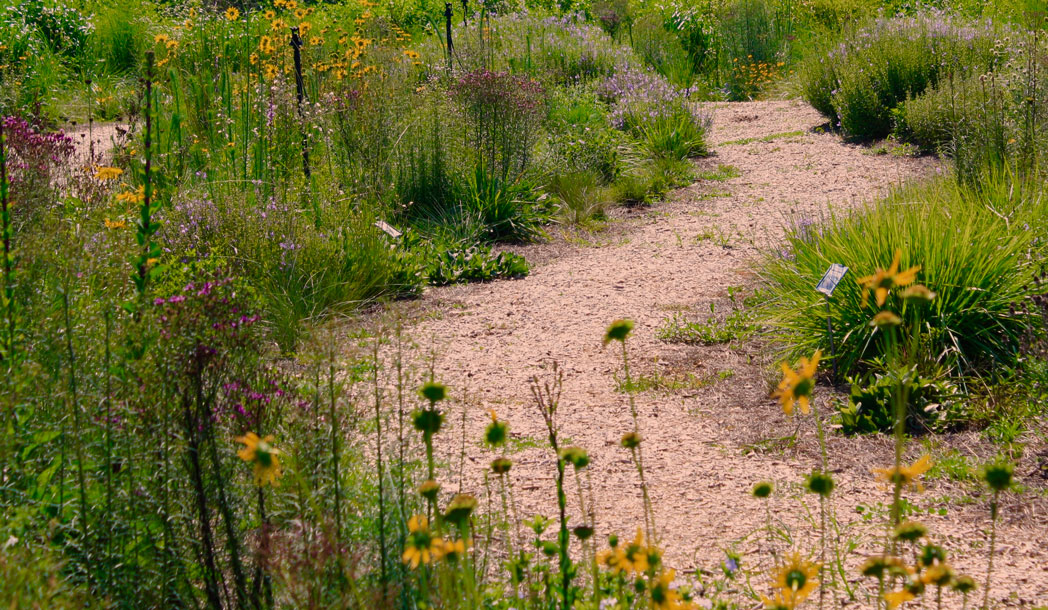
Credit: www.flawildflowers.org
Wildflower Varieties For Central Florida
Central Florida’s warm climate and unique soil create a great place for wildflowers. Choosing the right wildflower varieties helps your garden thrive. Different flowers fit different seasons and soil types. This guide shows which wildflowers grow best in Central Florida.
Native Species To Consider
Native wildflowers suit Central Florida’s environment well. They need less water and care. Coreopsis, also called tickseed, is popular and bright yellow. Blanketflower offers red and orange blooms that attract butterflies. Milkweed supports local pollinators like monarch butterflies. Planting natives helps local wildlife and keeps your garden healthy.
Easy-to-grow Options
Some wildflowers grow quickly and require little effort. Black-eyed Susan is tough and blooms in summer. Gaillardia, or firewheel, shows red and yellow flowers that last long. Mexican sunflower grows tall and adds color fast. These flowers suit beginners or those wanting low maintenance gardens.
Seasonal Bloomers
Seasonal wildflowers brighten your garden at different times. Spring bloomers include blue-eyed grass and wild petunia. Summer favorites are sunflowers and tropical sage. Fall flowers like goldenrod and tickseed keep gardens colorful late in the year. Planting a mix ensures blooms through many months.
Optimal Planting Windows
Choosing the right time to plant wildflower seeds in Central Florida improves growth and bloom success. Wildflowers need favorable soil and weather to sprout strong. Planting at the right time helps seeds germinate well and establish deep roots. This section explains the best planting windows for wildflowers in Central Florida.
Fall Planting Periods
Fall is a prime time to plant wildflower seeds in Central Florida. The soil remains warm enough for seeds to germinate. Planting from mid-October to December allows wildflowers to develop before cooler weather arrives. This timing helps seeds settle and take root during mild days. Fall planting reduces weed competition and takes advantage of seasonal rains.
Winter Sowing Times
Winter sowing works for some wildflower varieties in Central Florida. Seeds planted between January and early February can germinate as temperatures slowly rise. This period suits species that need cold exposure to break dormancy. Winter sowing is ideal for wildflowers that bloom in spring and summer. Ensure seeds have good soil contact and moisture for best results.
Spring Planting Opportunities
Spring planting suits wildflowers that thrive in warm weather. Late February to early April is a good window for sowing seeds. This period offers longer daylight and warming soil, encouraging fast germination. Spring planting helps summer-blooming wildflowers grow strong. Water regularly during dry spells to support seedling growth after planting.
Soil Preparation Tips
Preparing the soil properly helps wildflower seeds grow strong in Central Florida. Good soil preparation increases the chance of seed germination. It creates a healthy environment for roots to develop and plants to thrive. Follow these simple tips to prepare your soil well before planting wildflower seeds.
Clearing And Loosening Soil
Start by removing weeds, grass, and debris from the planting area. Clear the soil surface to reduce competition for nutrients and sunlight. Use a rake or hoe to loosen the soil to a depth of about 2 to 3 inches. Loose soil allows wildflower seeds to settle easily and encourages root growth. Avoid compacting the soil, as hard soil blocks water and air from reaching seeds.
Improving Seed-to-soil Contact
Good seed-to-soil contact is key for wildflower seeds to sprout. After loosening the soil, lightly press the seeds into the soil surface. Do not bury them too deep; most wildflower seeds need light to germinate. Gently rake the surface to cover the seeds with a thin layer of soil. This keeps seeds moist and protects them from birds and wind.
Using Cover Crops
Cover crops help improve soil quality before planting wildflowers. Plant fast-growing plants like clover or ryegrass months before sowing seeds. Cover crops add nutrients and organic matter to the soil. They also prevent soil erosion and suppress weeds. Once the cover crop grows, cut it down and lightly till the soil. This prepares a rich, loose seedbed for wildflower planting.
Seed Sowing Techniques
Planting wildflower seeds correctly improves their chances to grow strong. Seed sowing techniques help seeds get the right start. Proper methods ensure seeds absorb water and nutrients well. Good sowing also protects seeds from birds and weather.
Understanding how to sow seeds saves time and effort. It increases germination rates and creates a healthy wildflower garden. Below are key techniques to follow when planting wildflower seeds in Central Florida.
Direct Seeding Methods
Direct seeding means planting seeds straight into the soil outdoors. This method works well for many wildflowers in Central Florida. Clear the soil of weeds and loosen it lightly. Scatter seeds evenly over the soil surface. Rake gently to cover seeds with a thin soil layer. Water lightly to keep soil moist but not soggy.
Direct seeding avoids transplant shock that seedlings face. It lets seeds grow naturally under local weather conditions. Choose a calm day to sow seeds to prevent wind from blowing them away.
Stratification And Pre-treatment
Some wildflower seeds need special treatment before planting. Stratification means exposing seeds to cold temperatures to break dormancy. In Central Florida, cold stratify seeds by placing them in moist sand in the refrigerator for 4-6 weeks. This process helps seeds sprout faster after planting.
Scarification is another pre-treatment. It weakens hard seed coats by rubbing or soaking seeds. This allows water to enter and speeds germination. Check seed packets for specific treatment instructions. Pre-treated seeds often show better growth and survival rates.
Spacing And Depth Guidelines
Planting seeds at the right depth is crucial. Most wildflower seeds need to be sown shallowly, about 1/8 to 1/4 inch deep. Planting too deep can stop seeds from sprouting. Spread seeds thinly to avoid overcrowding. Overcrowded seedlings compete for sunlight, water, and nutrients.
Follow seed packet spacing advice for best results. Generally, leave 6 to 12 inches between seeds or groups. Proper spacing helps wildflowers grow healthy and bloom fully. Thin seedlings later if needed to maintain good airflow and growth space.
Watering And Maintenance
Proper watering and maintenance are key to growing wildflowers in Central Florida. Wildflower seeds need consistent moisture to sprout. After germination, careful care helps young plants grow strong. Regular attention prevents common problems and supports vibrant blooms.
Irrigation Best Practices
Water wildflower seeds gently but often. Keep the soil moist, not soaked. Early morning watering reduces evaporation. Use a fine spray to avoid washing seeds away. Once seedlings appear, water deeply less often. This encourages strong root growth. Adjust watering during rainy spells to avoid overwatering.
Weed Control Strategies
Remove weeds regularly to reduce competition. Hand-pulling is best to avoid disturbing wildflower roots. Mulching around young plants helps block weed growth. Avoid using herbicides near wildflowers. Keep pathways clear to monitor weed growth easily. Early weed control supports healthier wildflower growth.
Protecting Young Seedlings
Shield seedlings from harsh sun by providing light shade if needed. Use garden fabric or low fencing to protect from animals. Avoid heavy foot traffic near young plants. Monitor for pests and treat gently if necessary. Support seedlings with stakes if they lean. Proper care in early stages boosts survival rates.

Credit: www.createdbynature.com
Common Challenges
Planting wildflower seeds in Central Florida offers beauty and biodiversity. Yet, growers face common challenges that can affect success. Knowing these challenges helps improve your chances of a vibrant bloom. Here are key difficulties to watch out for.
Dealing With Heat And Drought
Central Florida’s climate often brings intense heat and dry spells. Wildflower seeds need moisture to sprout and grow well. Lack of rain can slow germination or kill young plants. Watering regularly helps, especially during dry periods. Mulching the soil retains moisture and cools roots. Planting at the right time avoids the hottest months and gives seeds a better start.
Managing Pests And Diseases
Insects like aphids and caterpillars can damage wildflower seedlings. Some diseases cause leaf spots or stem rot. Inspect plants often for signs of trouble. Use natural pest controls such as neem oil or insecticidal soap. Remove infected leaves to stop disease spread. Healthy soil and proper spacing reduce risk of pests and illness.
Avoiding Overcrowding
Overcrowding happens when too many seeds grow close together. Plants compete for light, water, and nutrients. This weakens growth and lowers flower quality. Thin seedlings by removing extras early on. Follow seed packet instructions for spacing. Good airflow between plants cuts disease chances and helps flowers thrive.
Extending Bloom Seasons
Extending the bloom season of wildflowers in Central Florida adds color and life to your garden for many months. Planning your planting schedule helps achieve continuous flowering. Using smart planting techniques encourages flowers to bloom at different times. This keeps your garden vibrant and appealing throughout the year.
Succession Planting Tips
Plant wildflower seeds in stages to extend blooming. Start sowing early bloomers in mid-October. Follow with seeds of mid-season bloomers in November. Finish with late bloomers in December. This method spreads out flowering times. It creates a steady display of color in your garden.
Mixing Annuals And Perennials
Combine annual and perennial wildflowers for longer blooms. Annuals bloom quickly and add instant color. Perennials return year after year with blooms. Plant fast-blooming annuals alongside slower perennials. This keeps flowers blooming through multiple seasons. You get a mix of short and long-lasting blooms.
Encouraging Natural Regrowth
Allow some wildflowers to reseed naturally. Let seed heads mature and drop seeds. This encourages new plants to grow next season. Avoid cutting all flowers at once. Leave patches to self-seed and fill in gaps. Natural regrowth helps maintain a healthy, blooming garden.
Local Resources And Support
Finding the right local support makes planting wildflower seeds easier and more successful. Central Florida offers many helpful resources for gardeners. These groups and services provide advice, seeds, and tips tailored to the area’s climate and soil.
Extension Services
The University of Florida’s Extension Services offers expert guidance. They help gardeners understand the best planting times and care for wildflowers. Their staff answers questions and provides workshops. This service is free and local to Central Florida residents.
Wildflower Foundations
Several wildflower foundations focus on preserving Florida’s native plants. They promote planting wildflowers that support local wildlife. These groups share planting guides and organize seed exchanges. Joining a foundation connects you with a community of wildflower enthusiasts.
Seed Suppliers In Florida
Buying seeds from local suppliers ensures plants suit Central Florida’s environment. These suppliers offer native wildflower seeds selected for this region. They provide advice on planting and growing wildflowers successfully. Local seeds increase the chance of a vibrant garden year after year.

Credit: gardeningonthego.wordpress.com
Frequently Asked Questions
Can I Just Throw Wildflower Seeds On The Ground?
Scattering wildflower seeds without soil preparation often leads to poor growth. Prepare and loosen soil for better seed-to-soil contact and higher germination rates.
Is October Too Late To Plant Seeds?
October is not too late to plant seeds. Many wildflowers and vegetables thrive when sown in October, especially in mild climates. Ensure soil preparation and check local frost dates to maximize germination and growth.
What Wildflowers Are Easy To Grow In Florida?
Easy-to-grow wildflowers in Florida include milkweed, tickseed, goldenaster, false rosemary, Florida greeneyes, verbena, twinflower, and sunflowers. These natives thrive in Florida’s climate and require minimal care. Plant seeds from mid-September to January for best germination and vibrant blooms.
Can I Plant Wildflower Seeds In September?
Yes, plant wildflower seeds in September for most temperate areas. This timing ensures good soil contact and stratification. In mild-winter regions like Florida, sowing can continue through late fall or early winter. Early sowing helps seeds establish before colder weather arrives.
Conclusion
Planting wildflower seeds in Central Florida thrives best from mid-October to December. This timing ensures seeds get the right temperature and moisture to grow. Prepare your soil well before sowing for stronger growth. Choose native wildflowers for easier care and better blooms.
Watch your garden transform with vibrant colors through the seasons. Start planting during this period to enjoy a lively, natural landscape. Happy gardening!