
If you live in Central Florida and want a lush, green lawn, knowing the best time to plant St. Augustine grass is key. Planting at the right moment can save you time, effort, and money while giving your yard the healthy, vibrant look you desire.
You might be wondering when to start—should you plant in spring, summer, or fall? The answer can make all the difference in how quickly your grass takes root and spreads. Keep reading, and you’ll discover the ideal months for planting, helpful tips to ensure success, and how to care for your new lawn so it thrives in Central Florida’s unique climate.
Your perfect lawn is closer than you think!
Best Months To Plant
Choosing the best months to plant St Augustine grass in Central Florida helps your lawn thrive. Planting at the right time boosts root growth and lawn health. The climate in Central Florida supports two main planting seasons. Both spring and fall offer advantages for establishing St Augustine grass. Understanding these windows ensures successful grass growth.
Spring Planting Window
Spring is the prime time to plant St Augustine grass. The months of April and May provide warm soil temperatures. This warmth encourages quick root development. Planting in spring helps grass recover from winter stress. The longer daylight in spring also supports strong growth. Watering is easier as rainfall often increases during this time. Spring planting ensures your lawn is lush before the summer heat arrives.
Fall Planting Benefits
Fall is a good second option for planting St Augustine grass. September through early November offers cooler weather. This cooler period reduces heat stress on new grass. Fall rains supply natural moisture that aids root growth. The grass focuses energy on roots, not leaves, during this time. Less weed competition helps the grass establish well. Fall planting prepares the lawn to green up strongly in spring.
Planting Methods
Choosing the right planting method for St Augustine grass helps it grow strong and healthy. In Central Florida, the climate suits this grass well. You can plant it using plugs or sod. Both methods work well but differ in cost and effort. Understanding these methods makes your lawn care easier and more successful.
Using Plugs
Planting St Augustine plugs involves placing small pieces of grass into the soil. Each plug is about two inches wide. Space plugs about twelve inches apart for good coverage. Plugs take time to fill in but cost less than sod. Water plugs regularly to help roots grow deep. This method suits homeowners with patience and a budget.
Laying Sod
Laying sod gives an instant green lawn. Sod comes in thick mats, ready to lay on soil. Prepare the ground by removing old grass and debris. Lay sod pieces tightly together to avoid gaps. Water sod daily for at least two weeks. Sod is more expensive but shows quick results. It works well for larger areas or fast lawn repair.
Soil And Site Preparation
Preparing the soil and site is key to planting healthy St Augustine grass in Central Florida. Good preparation helps the grass grow strong roots. It ensures even growth and reduces future lawn problems. Start by understanding the soil’s condition and then clear the site properly. These steps set the stage for a lush green lawn.
Soil Testing And Amendments
Test the soil before planting. A simple soil test shows its pH and nutrient levels. St Augustine grass prefers slightly acidic to neutral soil, around pH 6.0 to 7.5. Use a soil test kit or send a sample to a local extension office. Based on results, add needed amendments like lime or sulfur to adjust pH.
Fertilize the soil with balanced nutrients. Add organic matter like compost to improve soil texture and water retention. Well-amended soil supports quick root growth and helps the grass resist pests and diseases.
Clearing And Leveling
Clear the planting area of debris, rocks, and old grass. Remove weeds and roots to prevent competition. Rake the soil smooth and break up clumps. Level the ground to avoid water pooling and ensure uniform growth.
Use a rake or hoe to level the soil gently. Avoid compacting the soil too much. Loose soil allows roots to spread easily. A well-prepared, level site helps St Augustine grass establish faster and look its best.

Credit: www.planetnatural.com
Watering And Irrigation
Proper watering and irrigation play a crucial role in establishing healthy St Augustine grass in Central Florida. This grass type needs consistent moisture to develop strong roots and vibrant green blades. Understanding the right watering schedule and maintaining soil moisture helps new grass thrive, especially during its early growth stages.
Initial Watering Schedule
After planting St Augustine grass, water it immediately. Keep the soil damp but not soaked. Water the lawn lightly two to three times daily for the first two weeks. This frequent watering helps the grass roots settle and start growing. Gradually reduce watering to once daily after two weeks. Avoid deep watering too soon to prevent root rot.
Maintaining Moisture
Once the grass is established, water it deeply two to three times per week. Deep watering encourages roots to grow deeper into the soil. Check soil moisture regularly to avoid dryness. Early morning watering reduces evaporation and fungal growth. Adjust watering based on rain and temperature changes in Central Florida.
Fertilizing Tips
Proper fertilizing helps St. Augustine grass grow strong and green in Central Florida. It supports root development and leaf growth. Use the right fertilizer at the right time to get the best lawn results. Below are tips on starter fertilizer use and ongoing nutrient management.
Starter Fertilizer Use
Apply starter fertilizer when planting St. Augustine grass. This fertilizer has more phosphorus to promote root growth. Spread it evenly over the soil before laying sod or plugs. Water lightly after applying to help nutrients reach roots. Avoid heavy fertilizer use at this stage to prevent burning new grass.
Ongoing Nutrient Management
Feed your lawn regularly after the starter phase. Use a balanced fertilizer with nitrogen, phosphorus, and potassium. Nitrogen helps keep grass green and thick. Apply fertilizer every 6 to 8 weeks during the growing season. Water the lawn after fertilizing to aid nutrient absorption. Avoid fertilizing during extreme heat to reduce stress on grass.
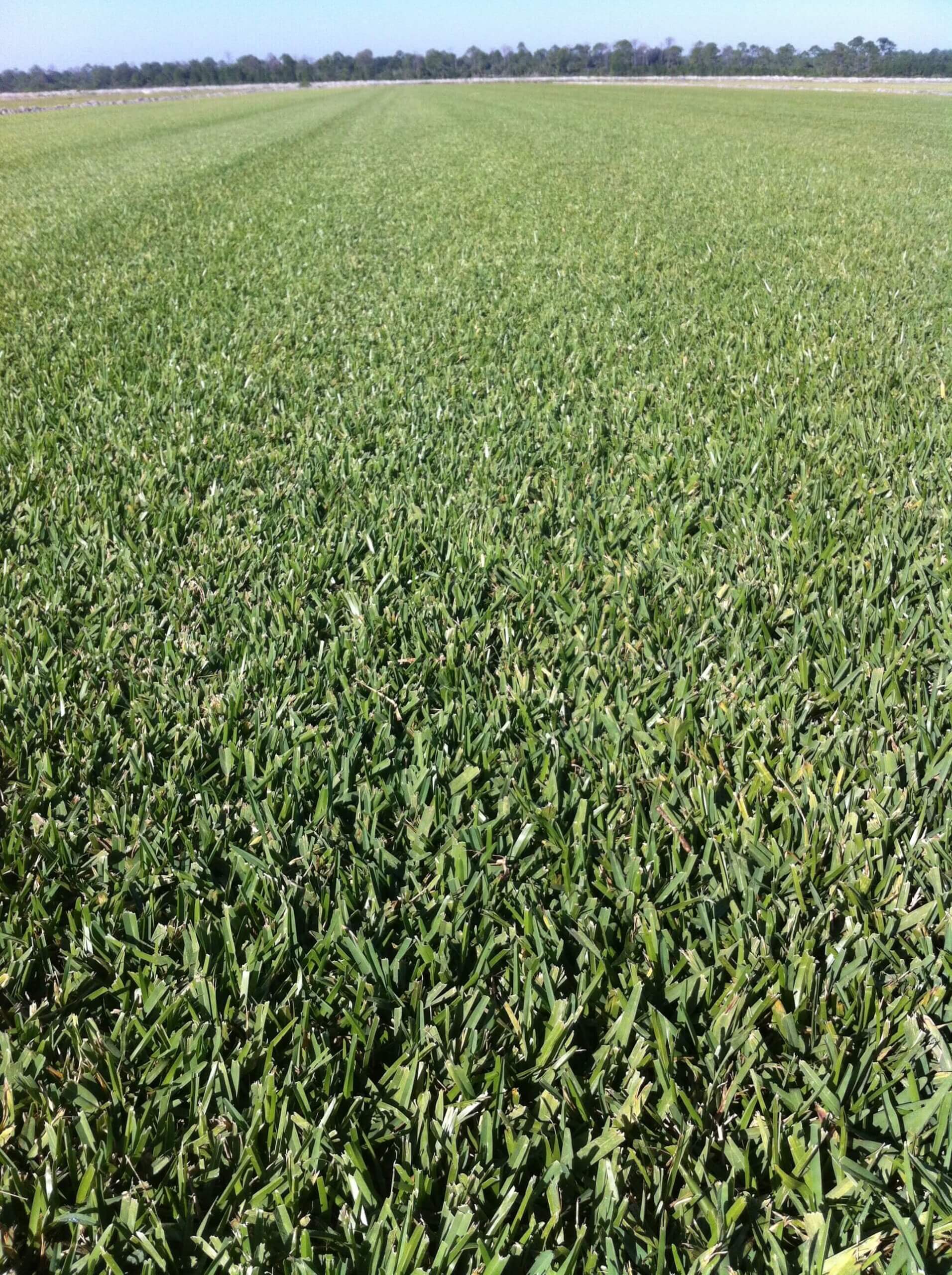
Credit: www.duda-sod.com
Weed Control Strategies
Weed control is essential for a healthy St. Augustine lawn in Central Florida. Weeds compete with grass for nutrients, water, and sunlight. Proper weed management improves grass growth and appearance. Use effective strategies before and after planting for best results.
Pre-planting Weed Management
Clear the area of existing weeds before planting. Use a non-selective herbicide to kill all vegetation. Wait for the herbicide to take full effect, usually 7-14 days. Remove dead weeds and debris by raking or tilling the soil. Prepare the soil to create a clean bed for St. Augustine grass. This reduces weed seeds and improves grass establishment.
Post-planting Weed Prevention
Keep new grass healthy to prevent weed invasion. Water and fertilize according to recommended schedules. Use selective herbicides designed for St. Augustine grass to control broadleaf weeds. Apply herbicides carefully, following label instructions. Mow the lawn regularly at the right height. Healthy, dense grass crowds out weeds naturally.
Growth And Spread
Understanding the growth and spread of St Augustine grass is vital for a healthy lawn in Central Florida. This grass spreads mainly through stolons, which are horizontal stems growing at the soil surface. Knowing how these stolons develop and what affects their speed can help you manage your lawn better.
Stolon Development
Stolons are key to St Augustine grass growth. They grow outward from the main plant and form new roots at nodes. This process helps the grass cover bare spots quickly. Stolons grow best in warm weather, especially from spring to early summer. Healthy stolon growth leads to a thick and lush lawn.
Factors Affecting Spread Speed
Several factors influence how fast St Augustine grass spreads. Soil temperature plays a big role; warmer soil speeds up stolon growth. Water availability also matters—consistent moisture helps stolons extend. Sunlight is important too, as St Augustine grass thrives in partial to full sun. Fertilizer can boost growth, but avoid overfeeding. Lastly, mowing height affects spread; cut grass at the right height to promote stolon development.
Mowing Practices
Mowing is a key part of caring for St. Augustine grass in Central Florida. Proper mowing helps keep the lawn healthy and green. It prevents stress to the grass and encourages thick growth. Understanding the right mowing height and frequency ensures your lawn stays vibrant throughout the year.
Optimal Mowing Height
Set your mower blade between 2.5 and 4 inches. This height protects the grass blades from sun damage. It also helps retain soil moisture. Cutting too short can weaken the grass and invite weeds. Taller grass shades the soil, keeping roots cooler. Adjust height slightly depending on season and growth rate.
Frequency And Techniques
Mow regularly to keep the grass at the ideal height. During spring and summer, mow once a week. In cooler months, reduce mowing to every two weeks. Avoid removing more than one-third of the blade length at once. Use sharp mower blades for a clean cut. This prevents tearing and reduces disease risk. Change mowing patterns to avoid compacting soil and damaging grass blades.
Common Challenges
Planting St Augustine grass in Central Florida faces some common challenges. These challenges affect how well your lawn grows and stays healthy. Knowing these issues helps you prepare and take action early.
Pest And Disease Issues
St Augustine grass can attract pests like chinch bugs and sod webworms. These insects damage the grass by feeding on the blades and roots. Watch for brown patches or thinning grass. Early treatment stops pests from spreading.
Diseases such as gray leaf spot and brown patch also harm St Augustine grass. These fungal infections thrive in warm, wet weather common in Central Florida. Keep your lawn dry and avoid overwatering to reduce disease risk.
Environmental Stress Factors
Central Florida’s heat and humidity stress St Augustine grass. High temperatures can cause the grass to wilt or turn brown. Water your lawn deeply but less often to help roots grow strong.
Shade from trees or buildings limits sunlight. St Augustine grass needs sunlight to grow thick and healthy. Trim trees or plant grass in sunnier spots for best results.
Soil quality also affects grass growth. Poor, compacted soil holds less water and nutrients. Aerate your soil and add organic matter to improve its condition.
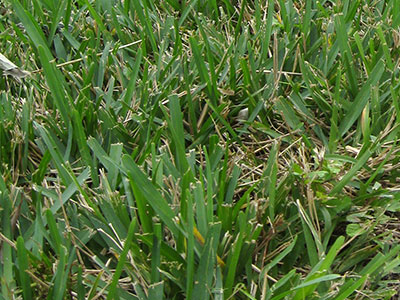
Credit: gardeningsolutions.ifas.ufl.edu
Frequently Asked Questions
What Is The Best Month To Plant St. Augustine Grass?
The best months to plant St. Augustine grass are April and May. These spring months offer warm soil and optimal growing conditions for strong root development. Planting during this time helps the grass establish well before summer heat arrives.
Is October 1 Too Late To Plant Grass Seed?
October 1 can be late to plant grass seed, but success depends on your climate and grass type. Cooler temperatures may slow germination. Plant early October in mild regions for best results. Ensure soil stays moist and avoid frost to help seeds establish before winter.
Can You Lay St. Augustine Sod In The Fall?
Yes, you can lay St. Augustine sod in the fall. Cooler temperatures and autumn rains help root growth. Water regularly and remove fallen leaves to ensure healthy establishment before winter.
How Quickly Will St. Augustine Grass Spread?
St. Augustine grass spreads quickly through stolons, covering about 6 to 12 inches per month under ideal conditions. Consistent watering, moderate shade, and proper fertilization speed up growth. Regular mowing and weed control also help it establish faster.
Conclusion
Planting St. Augustine grass in Central Florida works best in spring. April and May offer warm soil and steady rain. These conditions help roots grow strong and healthy. Fall can also work well, with cooler weather and natural moisture. Keep the grass watered and remove fallen leaves.
Use starter fertilizer to help the grass settle. Timing and care matter most for a lush, green lawn. Start planting at the right time for the best results. Your lawn will thank you with thick, healthy grass.