As the temperatures start to cool down in Florida, your garden is ready for a fresh burst of life. Fall is the perfect time to plant a variety of vegetables, herbs, and vibrant flowers that thrive in the Sunshine State’s unique climate.
Whether you’re aiming for crisp, homegrown broccoli and carrots or colorful mums and marigolds to brighten your outdoor space, knowing what to plant—and when—can make all the difference. Ready to transform your garden this season? Keep reading to discover the best things to plant in fall in Florida and unlock the secrets to a flourishing, beautiful garden that will keep you proud all season long.
Cool-season Vegetables
Cool-season vegetables thrive in Florida’s mild fall climate. They grow best when temperatures drop but stay above freezing. Fall is the perfect time to plant these vegetables for a fresh, healthy harvest. These crops bring vibrant colors and flavors to your garden.
Choosing the right vegetables helps maximize growth and yield. Many cool-season vegetables resist pests and diseases better in fall. They enjoy the cooler weather and longer growing season. Growing these crops supports a year-round garden and fresh kitchen meals.
Root Vegetables
Root vegetables like carrots, beets, and radishes do well in Florida fall soil. These crops develop sweet, tender roots with cooler temperatures. Plant seeds directly in loose, well-drained soil for best results. Keep soil moist but not soggy to avoid rot. Harvest roots when they reach the desired size.
Brassicas
Brassicas include broccoli, cauliflower, cabbage, Brussels sprouts, and kale. These vegetables prefer cooler weather and steady moisture. They grow best with full sun and fertile, well-drained soil. Start seeds indoors or buy seedlings for transplanting. Regular watering and fertilizing promote strong growth and large heads.
Leafy Greens
Leafy greens such as lettuce, spinach, and Swiss chard flourish in Florida’s fall garden. These crops grow quickly and provide fresh leaves for salads and cooking. Sow seeds directly in the garden or start indoors for transplanting. Keep soil moist to encourage tender, crisp leaves. Harvest leaves regularly to promote new growth.
Other Vegetables
Other cool-season vegetables include peas, green beans, and onions. Peas grow well on trellises and need consistent moisture. Green beans prefer well-drained soil and full sun exposure. Onions can be planted from sets or seeds, requiring loose soil and regular watering. These vegetables add variety and nutrition to your fall garden.
Credit: keithslawncareocala.com
Herbs To Plant
Fall is an excellent time to grow herbs in Florida’s mild climate. Herbs thrive in cooler temperatures and can enhance your meals with fresh flavors. Planting herbs in fall ensures they establish strong roots before the warmer months arrive. Many herbs are easy to grow and require little care, making them perfect for beginner gardeners.
Dill And Parsley
Dill grows quickly and prefers full sun with well-drained soil. It adds a fresh, tangy taste to salads and seafood dishes. Plant dill seeds directly in your garden for best results.
Parsley is a versatile herb that grows well in partial shade to full sun. It thrives in moist, fertile soil. Parsley is rich in vitamins and works well in soups, sauces, and garnishes.
Cilantro And Others
Cilantro prefers cooler temperatures and can bolt quickly in heat. Plant it in fall to enjoy fresh leaves for salsa and salads. It grows best in rich, well-drained soil with regular watering.
Other herbs suitable for fall planting in Florida include thyme, oregano, and chives. These herbs require minimal care and add flavor to many dishes. Most prefer sunny spots and well-drained soil for best growth.
Fall Flowers And Ornamentals
Fall in Florida offers a unique chance to brighten gardens with colorful flowers and charming ornamentals. Cooler temperatures support many plants that add beauty and texture to your outdoor spaces. Selecting the right fall flowers and ornamentals enhances curb appeal and creates a welcoming atmosphere. These plants thrive well in Florida’s mild autumn climate and provide lasting color.
Annuals For Color
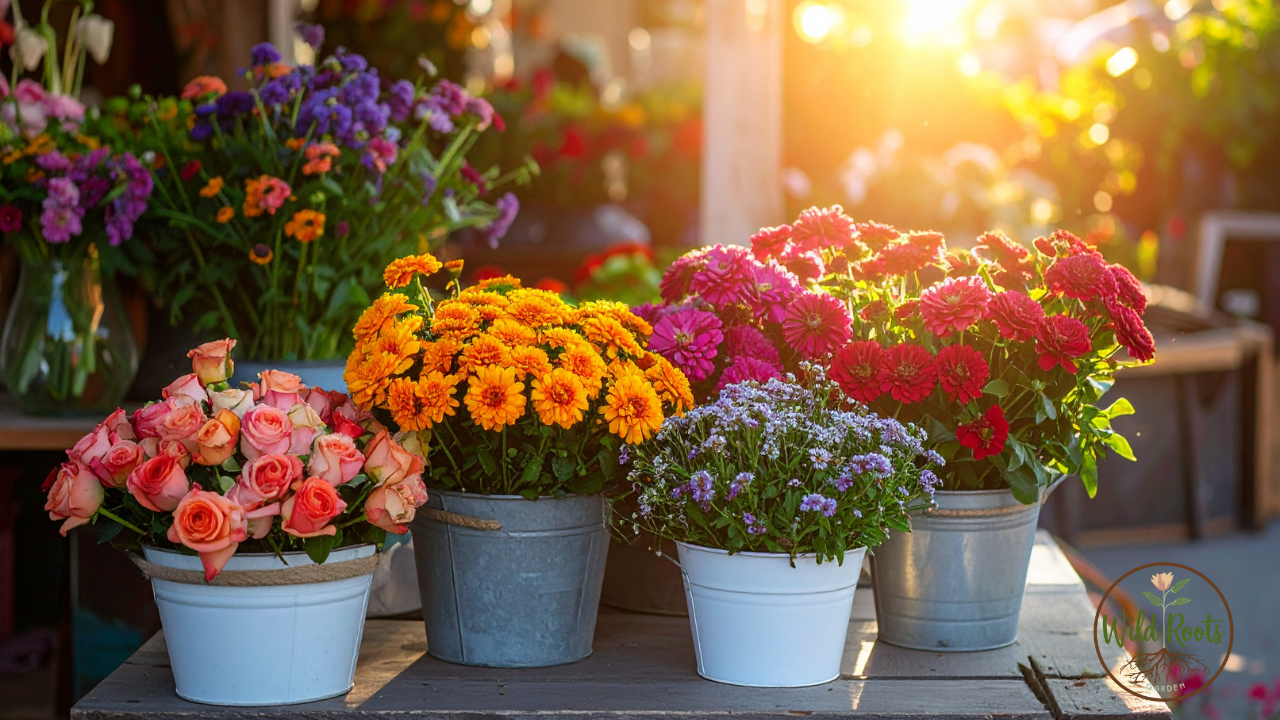
Annual flowers bring vibrant hues that last through fall and winter. Mums are a top pick for bright yellows, purples, and reds. Marigolds add warm orange and gold shades to any garden bed. Pansies and violas thrive in cooler weather and bloom in multiple colors. Planting these annuals in fall ensures a lively display when many other plants slow down.
Flowering Shrubs
Flowering shrubs add structure and long-lasting blooms to fall gardens. Crotons offer striking, colorful leaves that brighten shady spots. Coral honeysuckle produces fragrant flowers attracting hummingbirds and butterflies. These shrubs require minimal care and handle Florida’s fall conditions well. They provide both color and greenery through the cooler months.
Perennials And Other Ornamentals
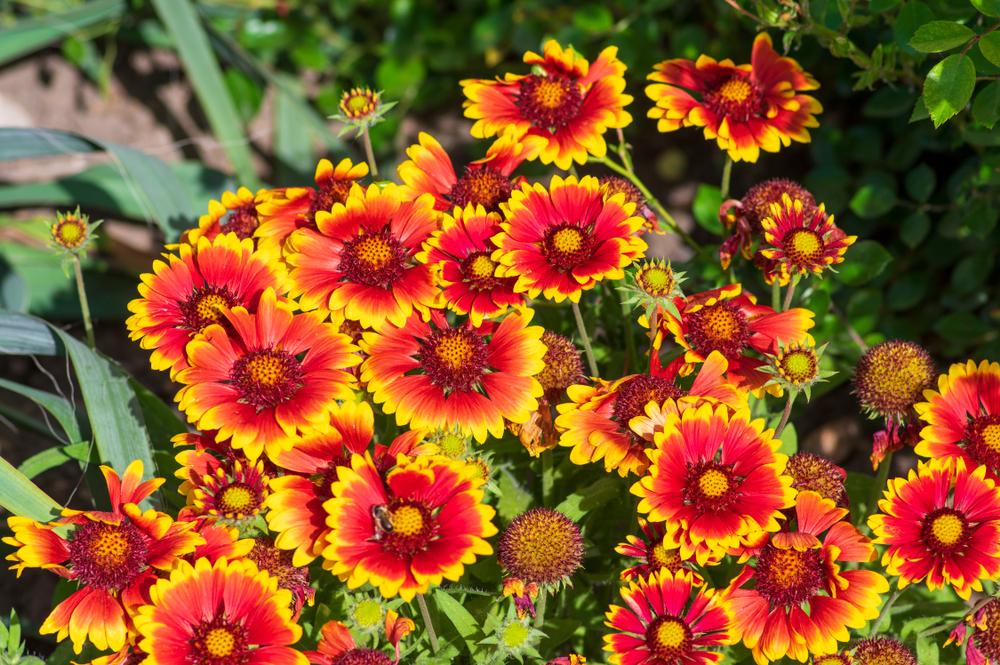
Perennials return year after year, making them a smart investment for fall planting. Blue plumbago features clusters of sky-blue flowers that bloom into winter. Mexican marigold adds bright yellow-orange blooms and attracts pollinators. Other ornamentals like Beautyberry and Sweet Alyssum offer unique textures and seasonal interest. Firebush is another excellent choice, with red flowers that brighten fall landscapes.
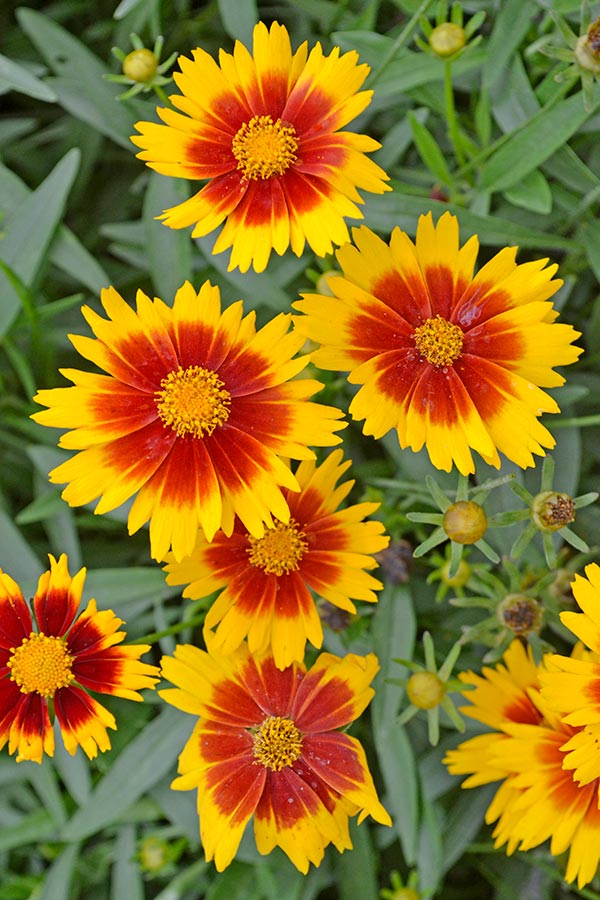
Credit: costafarms.com
Regional Planting Tips
Planting in fall varies across Florida’s regions due to climate differences. Understanding these regional tips helps your garden thrive. Each area has unique weather patterns that affect plant growth and timing.
Choosing the right plants and planting times boosts success. This guide breaks down key tips for North, Central, and South Florida.
North Florida
North Florida experiences cooler fall temperatures earlier. Start planting cool-season vegetables like broccoli, carrots, and spinach in early October. This timing helps crops mature before winter’s coldest days. Root vegetables and leafy greens perform well here. Herbs such as dill and parsley also grow strong. Use mulch to protect young plants from frost.
Central Florida
Central Florida’s fall is mild and less cool than the north. November is ideal for planting most cool-season crops. October also works for many leafy greens and herbs. Vegetables like cabbage and kale do well. Consider planting flowering ornamentals such as mums and marigolds in fall. They add color and thrive in this climate.
South Florida
South Florida stays warm longer into fall. Plant cool-season vegetables in October and November. Warm-weather crops can start in October to beat the heat. Herbs like cilantro and parsley grow well. Choose flowering shrubs like crotons for lasting fall color. Use shade cloth on sensitive plants during hot days.
Timing Your Fall Garden
Timing your fall garden in Florida is key to a healthy and productive planting season. The state’s warm climate means gardening schedules differ from cooler regions. Planning your planting according to the season helps your plants grow strong and mature before winter. Understanding the best months and adjusting for Florida’s unique climate ensures success in your fall garden.
Best Planting Months
In Florida, the best months for fall planting are September through November. North Florida gardeners should start planting in early October. Central Florida benefits from planting in November, though October works for many crops. South Florida gardeners have a longer window, with October and November ideal for cool-season plants. Planting during these months helps crops avoid the summer heat and develop well.
Adjusting For Florida’s Climate
Florida’s mild winters and hot summers affect planting times. Cool-season vegetables like broccoli and lettuce grow well in fall. Warm-weather crops need to be planted earlier to avoid cold damage. Use local weather patterns to decide the exact planting date. Pay attention to frost dates, which vary across Florida regions. Adjust your garden plan based on these climate differences for the best results.
Maintenance For A Lush Garden
Maintaining a lush garden in Florida’s fall season requires consistent care and attention. A thriving garden depends on proper watering, healthy soil, and protecting plants from pests and diseases. These steps help your plants grow strong and vibrant during the cooler months.
Watering And Soil Care
Water plants early in the morning to reduce evaporation. Keep soil moist but not soggy. Use mulch to retain moisture and regulate soil temperature. Test soil regularly to check pH and nutrient levels. Add compost or organic matter to improve soil fertility. Well-drained soil prevents root rot and promotes healthy growth.
Pest And Disease Management
Inspect plants often for signs of pests or disease. Remove damaged leaves or stems immediately. Use natural pest control methods like neem oil or insecticidal soap. Encourage beneficial insects such as ladybugs and lacewings. Rotate crops to reduce pest buildup. Clean gardening tools to avoid spreading infections.

Credit: www.threeseasonsllc.com
Frequently Asked Questions
What To Grow In The Fall In Florida?
Grow cool-season vegetables like broccoli, carrots, lettuce, radishes, spinach, and herbs such as dill and parsley. Plant mums, marigolds, pansies, crotons, and plumbago for fall color. Planting times vary: early October in North Florida, October-November in Central and South Florida.
Can I Plant Cucumbers In September In Florida?
Plant cucumbers in Florida before September ends for best growth. Warm soil suits cucumbers, but cooler fall temperatures may slow development. Choose early September for planting to avoid frost and heat stress. Monitor local climate for optimal timing.
What To Plant In November In Florida?
Plant cool-season vegetables like broccoli, carrots, lettuce, radishes, and spinach in Florida in November. Herbs such as dill and parsley also thrive. For flowers, choose mums, marigolds, pansies, crotons, and plumbago to add color to your garden.
When To Plant Fall Flowers In Florida?
Plant fall flowers in Florida between October and November. North Florida favors early October; Central and South Florida prefer November. Choose mums, marigolds, pansies, crotons, and plumbago for best results during this cool-season planting window.
Conclusion
Planting in Florida’s fall offers many rewarding choices. Cool-season vegetables and herbs grow well now. Flowers and shrubs add vibrant colors to your garden. Timing matters—plant earlier in North Florida and later in South Florida. Enjoy fresh produce and beautiful blooms as the weather cools.
Gardening this season brings joy and a lively landscape. Start planting today to see your garden thrive soon.