If you’re ready to transform your outdoor space into a flourishing garden, Florida’s unique climate gives you a fantastic advantage. But what should you grow to make the most of your garden’s potential?
Whether you’re a beginner or have some gardening experience, knowing the best plants for Florida’s sun and heat can save you time and effort while boosting your harvest. Imagine harvesting fresh, juicy tomatoes, vibrant peppers, or even sweet potatoes right from your backyard.
You’ll discover the top vegetables, herbs, and flowers that thrive in Florida’s soil and sunshine, helping you create a garden that’s both beautiful and bountiful. Keep reading to unlock the secrets to gardening success in the Sunshine State!
Vegetables For Florida Gardens
Growing vegetables in Florida offers a unique experience. The warm climate allows for a variety of crops to thrive year-round. Choosing the right vegetables helps gardeners enjoy fresh, healthy produce. Understanding which vegetables suit Florida’s heat and seasons boosts success. Here are some great vegetable options for Florida gardens.
Heat-tolerant Choices
Florida’s hot weather demands vegetables that handle heat well. Okra grows quickly and loves warmth. Southern peas tolerate heat and poor soil. Sweet potatoes thrive in sandy soil and high temperatures. These veggies stay productive even during the hottest months. They need full sun and regular watering to flourish.
Spring And Summer Crops
Spring and summer bring many vegetable options. Peppers and eggplants grow well through these seasons. Tomatoes and cucumbers produce plenty with proper care. Beans, like pole and bush types, are easy to grow. Watermelon adds a sweet treat to the garden. Choose varieties bred for Florida’s climate for best results.
Tropical And Unique Vegetables
Florida’s climate suits tropical and less common vegetables. Malabar spinach climbs and stays green in heat. Cassava provides starchy roots for cooking. Yardlong beans grow long pods and add variety. These plants add interest and flavor to gardens. They also bring a taste of the tropics home.

Credit: www.almanac.com
Fruits That Thrive
Florida’s warm climate and long growing season make it perfect for many fruit plants. Fruits that thrive here often love sun, heat, and well-drained soil. Growing these fruits in your garden can bring fresh flavors and vibrant colors to your home. Choose varieties suited to Florida’s unique weather for the best results.
Citrus Varieties
Citrus fruits are a classic choice for Florida gardens. Oranges, lemons, limes, and grapefruits grow well in the state’s sandy soil. These trees enjoy full sun and regular watering. They produce juicy, sweet fruits that are perfect for fresh juice or snacks. Citrus trees also add a lovely fragrance to your garden.
Tropical Fruits
Tropical fruits love Florida’s heat and humidity. Mangoes, avocados, papayas, and pineapples flourish here. Mango trees can grow tall and offer sweet, rich fruits. Avocado trees provide creamy, healthy fruits that many enjoy. Papayas grow quickly and can produce fruit in under a year. Pineapples need little space and give sweet, tangy fruits.
Berries And Others
Some berries also do well in Florida gardens. Blueberries prefer acidic soil and can grow well with proper care. Blackberries and raspberries thrive in warmer areas with good sun. Other fruits like figs and guavas grow easily and produce flavorful fruits. These plants add variety and color to your garden while offering fresh treats.
Herbs For Florida Climate
Florida’s warm and humid climate suits many herbs perfectly. Growing herbs here can be easy and rewarding. Herbs add fresh flavors and health benefits to your meals. They also thrive well in Florida’s soil and weather conditions. Choose herbs that handle heat and occasional dryness well. This section highlights the best herbs for your Florida garden.
Perennial Herbs
Perennial herbs come back year after year. They save time and effort in replanting. Rosemary grows well in Florida’s heat and sun. It needs good drainage and occasional watering. Thyme is another hardy herb. It tolerates dry soil and full sun. Oregano thrives in Florida’s warm climate. It spreads quickly and adds bold flavor. Lemon balm grows fast and smells fresh. It prefers partial shade but can handle sun.
Annual Herbs
Annual herbs live for one growing season. They grow quickly and produce fresh leaves all summer. Basil is a popular choice. It loves Florida’s warmth but needs regular watering. Cilantro grows best in cooler months but can do well with shade. Dill prefers cooler weather but grows fast. Parsley thrives in Florida’s spring and fall. It needs moist soil and some shade.
Medicinal And Culinary Uses
Many herbs serve both cooking and health needs. Rosemary aids digestion and adds piney flavor to dishes. Thyme has antiseptic properties and enhances soups and stews. Oregano fights bacteria and flavors Italian meals. Basil reduces inflammation and works well in salads and sauces. Lemon balm calms nerves and is great for teas. These herbs bring health benefits and fresh tastes to your kitchen.
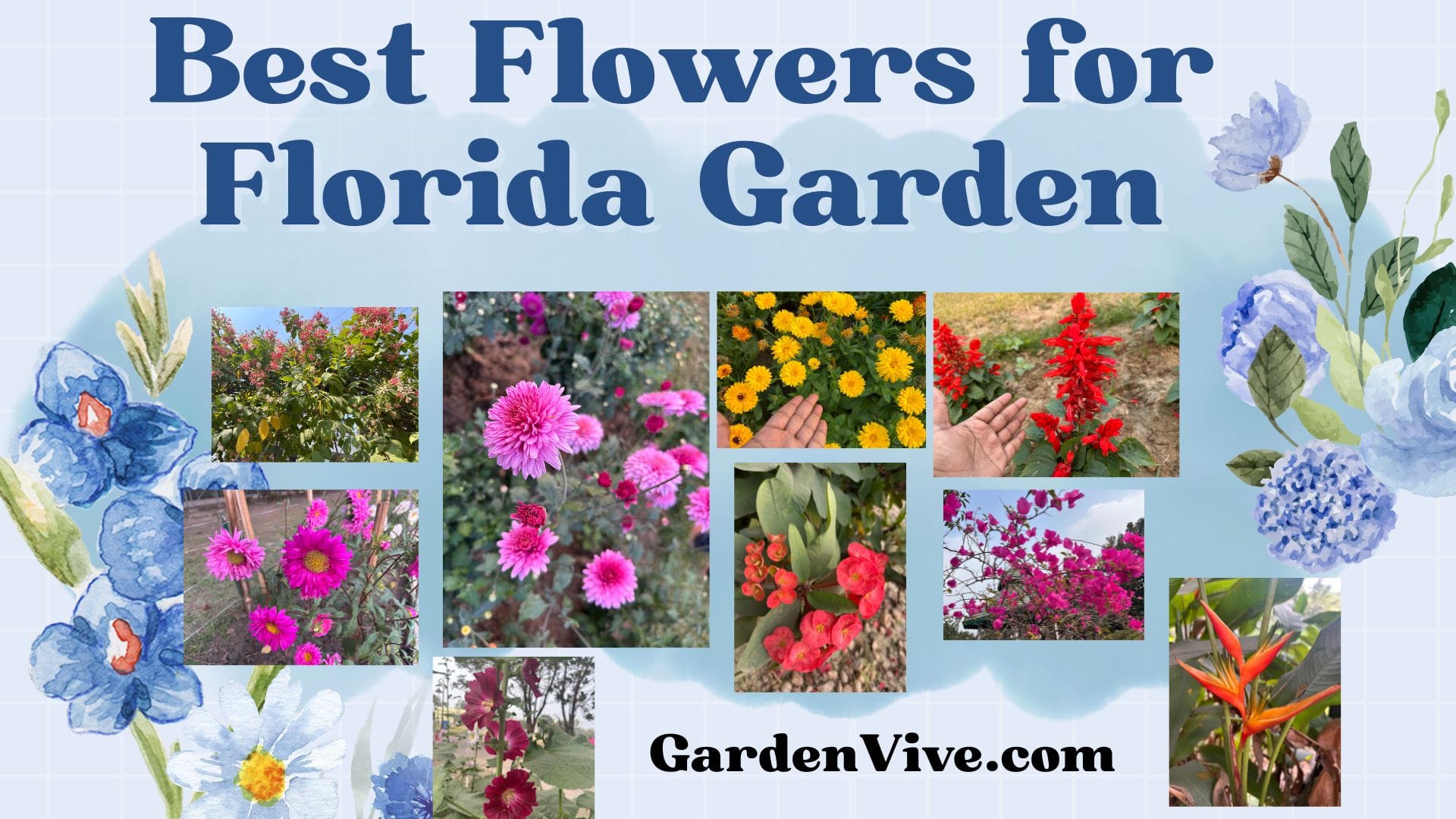
Flowers To Brighten Your Garden
Bright flowers add color and joy to any garden. In Florida’s warm climate, choosing the right flowers helps keep your garden lively. Some flowers handle the heat better. Others attract bees and butterflies. Some bloom only in certain seasons. These choices can brighten your garden all year.
Heat-resistant Flowers
Florida’s sun is strong. Flowers that handle heat stay vibrant longer. Marigolds are tough and bloom in bright orange and yellow. Lantanas offer clusters of colorful flowers that attract birds. Pentas grow well and show star-shaped flowers in pink, red, or white. These flowers need little water and bloom through summer heat.
Pollinator-friendly Choices
Bees and butterflies bring life to gardens. Planting flowers that attract them supports nature. Milkweed is a favorite for monarch butterflies. Salvia has spikes of purple or red that bees love. Coneflowers bring bright pink petals and help pollinators find food. These flowers also add beauty and help your garden thrive.
Seasonal Blooms
Some flowers bloom only in certain seasons. In spring, zinnias bring bold colors and grow fast. Hibiscus shows large flowers in summer, perfect for Florida’s warmth. In fall, chrysanthemums add rich colors before cooler weather comes. Choosing flowers by season means your garden changes and stays colorful year-round.
Planting Tips For Florida
Gardening in Florida offers unique challenges and rewards. The state’s warm climate and varied seasons affect how and when to plant. Understanding the right techniques can improve your garden’s success. The following tips focus on key planting aspects for Florida gardens.
Best Planting Seasons
Florida has two main growing seasons: spring and fall. Spring is ideal for warm-weather plants like tomatoes and peppers. Fall suits cool-season crops such as broccoli and kale. Avoid planting sensitive plants during the hottest summer months. Choosing the right season helps plants grow strong and healthy.
Soil Preparation
Florida soil varies but often needs improvement for gardening. Start by testing your soil’s pH and nutrients. Most plants prefer slightly acidic to neutral soil. Add organic matter like compost to enrich the soil and improve drainage. Loosen compacted soil to help roots spread easily. Proper soil preparation supports steady plant growth.
Watering And Maintenance
Consistent watering is vital in Florida’s climate. Water plants deeply early in the morning to reduce evaporation. Use mulch to keep soil moist and control weeds. Regularly check plants for pests and diseases. Prune dead or damaged leaves to encourage new growth. Proper care keeps your garden vibrant and productive.
Pest And Disease Management
Managing pests and diseases is key to a healthy garden in Florida. The warm climate supports many pests and diseases year-round. Gardeners must stay alert and take steps to protect plants. Proper management helps plants grow strong and produce more. Here are some tips on pest and disease control that work well in Florida gardens.
Common Garden Pests
Florida gardens face pests like aphids, whiteflies, and spider mites. Caterpillars and beetles also cause damage. Snails and slugs thrive in the humid environment. These pests feed on leaves, stems, and roots. They can stunt plant growth or kill young plants. Identifying pests early helps stop infestations fast.
Natural Pest Control
Use natural methods to reduce pest problems safely. Introduce beneficial insects like ladybugs and lacewings. They eat harmful pests without chemicals. Neem oil and insecticidal soaps work well against soft-bodied insects. Handpicking pests off plants is simple but effective. Planting herbs like basil or marigold repels many insects naturally.
Disease Prevention
Keep plants healthy to lower disease risks. Water plants early in the day to let leaves dry quickly. Good air circulation reduces fungal growth. Rotate crops each season to stop soil-borne diseases. Remove and destroy infected plant parts immediately. Choose disease-resistant plant varieties designed for Florida’s climate.
Maximizing Small Spaces
Gardening space in Florida can be limited, especially in urban areas. Small yards or balconies do not mean no garden. Clever techniques help you grow more in less space. These methods suit Florida’s warm climate and long growing season. They keep plants healthy and easy to manage.
Container Gardening
Container gardening fits well in small Florida spaces. Use pots, buckets, or hanging baskets. Choose containers with good drainage holes. Plant herbs like basil, thyme, or cilantro. Vegetables such as cherry tomatoes and peppers do well too. Containers can be moved to catch sunlight or shade.
Vertical Gardening
Vertical gardening saves ground space by growing plants upward. Use trellises, wall pockets, or stacked planters. Climbing plants like beans, cucumbers, and peas thrive here. Vertical gardens also improve air circulation. They reduce pests and make harvesting easier.
Raised Beds
Raised beds create organized garden plots in small areas. Build beds with wood or stone to hold soil. They warm faster in Florida’s sun, helping plants grow. You can plant root crops like carrots and beets. Raised beds improve soil drainage and prevent soil compaction.
Credit: gardenvive.com

Credit: www.lawnmoregainesville.com
Frequently Asked Questions
What Grows Well In A Garden In Florida?
Sweet potatoes, okra, cherry tomatoes, southern peas, peppers, eggplant, Malabar spinach, cucumbers, and watermelons grow well in Florida gardens. Choose varieties suited for Florida’s heat and humidity for best results.
What Is The 70/30 Rule In Gardening?
The 70/30 rule in gardening means planting 70% edible plants and 30% decorative plants for balance and productivity.
When’s The Best Time To Plant A Garden In Florida?
The best time to plant a garden in Florida is from February to April and September to November. These months offer mild temperatures and ideal growing conditions. Avoid the hot summer months to prevent heat stress on plants. Choose varieties suited for Florida’s climate for best results.
What Are The Top 5 Crops Grown In Florida?
The top 5 crops grown in Florida are citrus fruits, sugarcane, tomatoes, strawberries, and watermelons. These thrive in Florida’s warm climate and rich soil.
Conclusion
Growing a garden in Florida offers many rewarding choices. Warm weather and rich soil help plants thrive year-round. Vegetables like sweet potatoes, okra, and tomatoes grow well here. Herbs and tropical plants also add color and flavor to your garden.
Choose plants suited to Florida’s climate for best results. Regular care and watering keep your garden healthy. Enjoy fresh, homegrown produce from your own backyard. Start small, learn as you go, and watch your garden flourish. Gardening in Florida can be simple, fun, and very satisfying.