Accidentally Sprayed Bleach on Plants? To reduce damage and save your garden, you must act promptly if you accidentally sprayed bleach on your plants. Since bleach damages plant cell membranes, it can cause wilting, yellowing, or even death in plants. Observe the steps below to save your garden:
Rinse off the plants: Immediately use a garden hose to thoroughly rinse the affected plants. This will dilute and remove the bleach from the foliage.
Soil flushing: Water the soil around the affected plants generously to flush out any remaining bleach. This prevents the roots from absorbing more harmful chemicals.
Observe and trim: Monitor the plants over the next few days for signs of damage. If any parts of the plant appear severely affected, carefully trim them off to promote new growth.
Apply a diluted fertilizer: After a few days, apply a gentle, diluted fertilizer to provide essential nutrients and support plant recovery.
Remember, prevention is better than cure. To avoid such accidents in the future, store cleaning products away from the garden and use plant-safe alternatives for cleaning nearby areas.
Understanding the Effects of Bleach on Plants
How Does Bleach Affect Plants?
Bleach is a powerful chemical that can disrupt the delicate balance within plant cells. When it comes into contact with plants, it can cause irreversible damage to their cell structure, hindering essential processes like photosynthesis.
Identifying the Signs of Bleach Damage
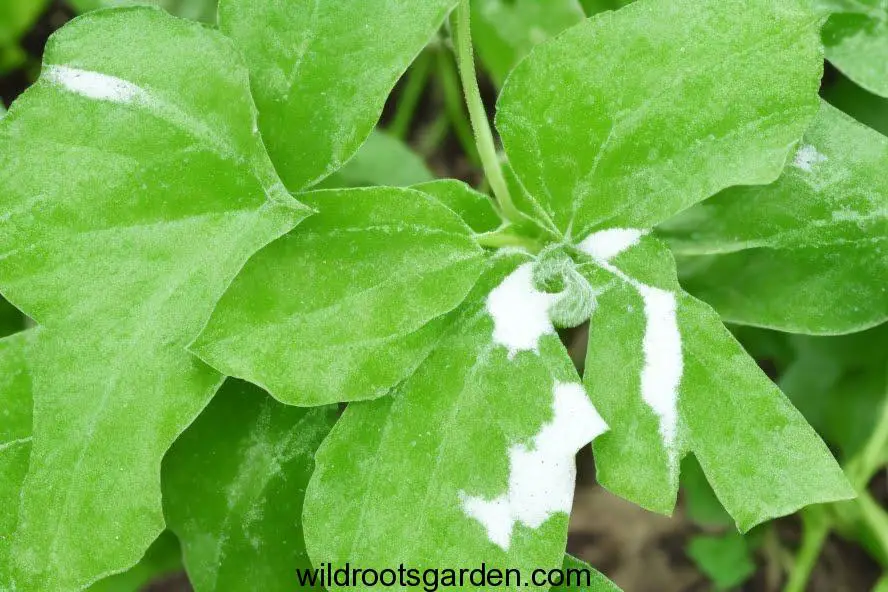
It’s critical to understand the symptoms of bleach damage in order to treat the situation efficiently. Infected plants will exhibit withering leaves, dark patches, yellowing, and generally reduced development.
Immediate Actions to Take
Rinse with Water
Rinse your plants with fresh water as soon as you discover bleach on them. This will assist weaken the bleach and wash it off the surface of the plant.
Neutralizing the Bleach
You can neutralize the chemicals produced by bleach by mixing water with baking soda or water with lemon juice. Use caution when applying neutralizer, since too much can cause more damage to the plants.
Assessing the Damage
Observing the Plant’s Response
Observe how the plants react over the next few days. Some plants may show signs of recovery, while others may not be as fortunate. Patience is key during this stage.
Trimming and Pruning Damaged Parts
Consider trimming or pruning the plants if some of their portions are seriously damaged. The plant’s energy can be directed away from unhealthy development and towards the removal of damaged areas.
Promoting Recovery
Providing Adequate Water
During this challenging time, plants require extra care. Ensure they receive the right amount of water to stay hydrated and facilitate recovery.
Introducing Nutrient Boosters
Supplementing plants with organic fertilizers can help replenish nutrients lost due to bleach exposure.
Using Natural Plant Enhancers
Natural plant enhancers, like seaweed extracts or compost tea, can aid in improving the overall health of the plants and boost their resilience.
Preventive Measures for the Future
Proper Labeling and Storage
Avoid future accidents by clearly labeling all chemicals and storing them out of reach from children and pets.
Safe Plant Care Practices
Adopt safe and eco-friendly plant care practices to minimize the risk of mishaps.
DIY Plant Rescue Remedies
Aloe Vera Solution
Aloe vera gel can soothe damaged plants and promote healing. Apply it gently on affected areas.
Coconut Water Solution
Coconut water contains essential nutrients that can revitalize distressed plants. Dilute it with water and use it as a natural plant tonic.
Seeking Professional Help
If the damage is extensive and your efforts haven’t yielded positive results, consider seeking help from a professional gardener or horticulturist.
Common Myths and Misconceptions
Vinegar as a Remedy
Contrary to popular opinion, neutralizing bleach on plants does not work well with vinegar. In fact, it might make the harm worse.
Saltwater Solution
Using saltwater to counteract bleach exposure can be harmful to plants and should be avoided.
In conclusion, rapid action is essential to rescue your garden if you accidentally spray bleach on your plants. Clean the plants right away to remove any bleach, and then rinse the soil to eliminate any remaining bleach. Keep an eye out for any signs of damage to the plants and, if necessary, prune any affected areas. A diluted fertilizer can be given to them to help in their recovery. By keeping cleaning supplies out of the garden and switching to plant-safe alternatives for nearby cleaning jobs, you can avoid accidents in the future. Your garden has a better chance of recovering from the bleach accident and blossoming once more with immediate intervention and care.
FAQs
Can I use diluted bleach on my plants?
It’s not recommended to use bleach, even in diluted form, on plants as it can cause damage.
Will soapy water help in removing bleach from plants?
Soapy water may help in cleaning the surface of plants, but it won’t neutralize the bleach.
How long does it take for plants to recover from bleach exposure?
The recovery time varies depending on the severity of the damage and the plant’s resilience. It may take several weeks to see significant improvement.
Can I use household bleach to disinfect my gardening tools?
Yes, household bleach can be used to disinfect gardening tools but be sure to rinse them thoroughly before using them on plants.
What other household products can be harmful to plants?
Some common household products that can be harmful to plants include ammonia-based cleaners, pesticides, and herbicides. Always handle these chemicals with care and keep them away from plants.