Picture this: a balmy South Florida afternoon, the sun kissing your skin, and the aroma of fresh herbs and ripe tomatoes wafting from your backyard. Wouldn’t it be wonderful to cultivate your own edible paradise? Many people dream of harvesting their own food, but often feel overwhelmed by the thought of where to begin. This post will guide you through the best food to grow in South Florida, offering practical advice and insights to ensure your garden thrives. You’ll gain valuable knowledge on choosing the right plants, preparing your soil, and maintaining a healthy and productive edible garden. Let’s start growing!
The 10 Best Foods To Grow in South Florida
South Florida’s unique climate, characterized by warm temperatures, high humidity, and distinct wet and dry seasons, provides a fertile ground for a wide array of fruits, vegetables, and herbs. However, the same tropical conditions that fuel rapid plant growth also present specific challenges, like pest pressure and disease. This list explores the best food to grow in South Florida, offering suggestions for both novice and experienced gardeners. From sun-loving tropical fruits to leafy greens that flourish even in the heat, we’ll uncover which crops are best suited for your garden. We’ll explore planting times, soil preferences, and basic care requirements to help you cultivate a successful and rewarding edible garden. Get ready to transform your backyard into a source of fresh, flavorful, and homegrown food.
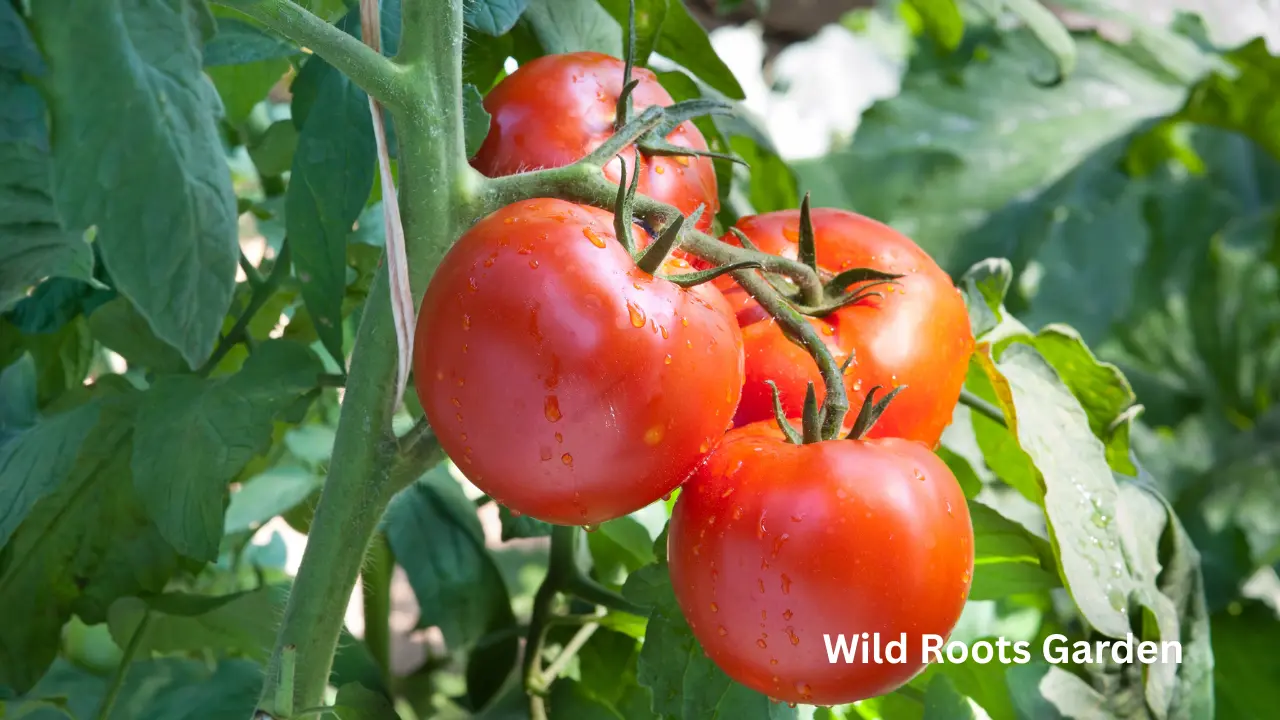
1. Tomatoes: The Sunshine State’s Staple
Tomatoes are a popular choice for any home garden, and South Florida is no exception. With the right care, you can enjoy a bounty of juicy, flavorful tomatoes throughout much of the year. The key is selecting the right varieties and managing common challenges. Warm weather varieties that are heat-tolerant are perfect for the Florida climate. Consider the many kinds of tomatoes available for cultivation such as Roma, cherry, beefsteak, and others.
Tomatoes thrive when planted in the cooler months of the year; however, with proper care, you can still produce a good crop. Ensure adequate sunlight, water, and well-draining soil. Here’s a deeper look into the details.
Tomato Growing Tips:
- Choose Heat-Tolerant Varieties: Look for tomato varieties specifically bred for hot and humid climates. Varieties like Solar Fire and Heatwave II are excellent choices. These kinds are specifically created for resisting diseases in hot conditions.
- Provide Adequate Sunlight: Tomatoes require at least six to eight hours of direct sunlight daily to produce the best fruit. Select a location in your garden that receives plenty of sun exposure. A location that has good sun exposure is essential.
- Support Your Plants: Tomato plants can grow quite tall and heavy with fruit. Use stakes, cages, or trellises to support the plants and prevent them from sprawling on the ground. This support makes it easier to harvest and prevents your tomatoes from getting damaged.
2. Peppers: Spice Up Your South Florida Garden
Peppers, from sweet bell peppers to fiery habaneros, are another excellent choice for South Florida gardens. These plants are relatively easy to grow and offer a wide variety of flavors and colors to your culinary creations. Growing peppers is relatively simple if you follow a few basic guidelines. The climate is great for growing a large variety of peppers.
Peppers need lots of sun and good air circulation to thrive. They also like well-draining soil. Here are a few details to make them thrive.
Pepper Cultivation Details:
- Start with Healthy Seedlings: Start pepper plants from seedlings rather than seeds, especially in South Florida. This gives them a head start against pests and diseases. Seedlings allow you to cultivate peppers sooner.
- Watering Practices: Water peppers regularly, especially during dry spells, but avoid overwatering, which can lead to root rot. Well-watered peppers lead to tasty peppers.
- Fertilizing Your Plants: Fertilize pepper plants with a balanced fertilizer every few weeks during the growing season. This helps your peppers stay healthy.
3. Herbs: Fragrant and Flavorful Additions
Herbs are a must-have for any home garden, and South Florida’s warm climate is ideal for growing various flavorful herbs. Growing herbs in containers is also possible if space is limited. The aroma of herbs can fill your garden and spice up your culinary adventures.
Consider herbs such as basil, mint, oregano, and rosemary. These herbs grow easily and enhance the taste of any meal. Here are a few essential details on growing your own herbs.
Herb Growing Details:
- Choose Appropriate Varieties: Select herb varieties that thrive in warm and humid conditions. For example, Thai basil is an excellent choice for South Florida. Some herbs can grow in extreme conditions.
- Well-Draining Soil: Plant herbs in well-draining soil to prevent root rot. You can amend your soil with compost or perlite to improve drainage. Good drainage helps herbs grow.
- Sunlight and Watering: Most herbs need at least six hours of sunlight and moderate watering. Water when the top inch of soil feels dry. Remember that some herbs require different water levels than others.
4. Citrus Fruits: Sunshine in Your Backyard
Citrus fruits thrive in South Florida, offering a burst of sunshine and flavor right from your backyard. Planting citrus trees is a long-term investment that provides years of delicious fruit. You can grow oranges, lemons, limes, grapefruits, and many other varieties. Growing these trees requires some forethought.
Citrus trees need ample sunlight, well-draining soil, and protection from cold snaps. Here are some key points for growing your own citrus.
Citrus Growing Guide:
- Choose the Right Variety: Select citrus varieties suited to your specific microclimate. Consider factors like cold hardiness and disease resistance. The right choice is essential.
- Soil Preparation: Citrus trees prefer well-draining soil. Amend your soil with organic matter to improve drainage and provide nutrients. Nutrients are necessary for good growth.
- Protect from Pests: Watch out for common pests like citrus leaf miners, aphids, and scale. Treat any infestations promptly. Pest management is key to success.
5. Leafy Greens: Salad Essentials for Your Garden
Leafy greens are an essential part of any healthy diet, and South Florida’s mild winters create perfect conditions for growing a variety of these plants. These greens are perfect for your kitchen. Lettuce, spinach, kale, and collard greens all thrive in the cooler months of the year.
Leafy greens require rich soil, consistent moisture, and partial shade during the hottest parts of the day. Here is more information about these leafy greens.
Leafy Greens Cultivation:
- Planting Times: Sow seeds or transplant seedlings of leafy greens in the fall and winter months. This avoids the heat of summer. You should take climate into consideration when planting.
- Provide Shade: During the warmest months, provide some shade to prevent the greens from bolting (going to seed) too quickly. This can be accomplished with shade cloth. Shade can make the difference.
- Consistent Watering: Keep the soil consistently moist, but avoid overwatering. Water regularly.
6. Sweet Potatoes: A Versatile and Rewarding Crop
Sweet potatoes are a hearty and rewarding crop to grow in South Florida. They’re not just delicious; they’re also packed with nutrients. Sweet potatoes are also surprisingly easy to cultivate, making them an excellent choice for beginner gardeners. The tubers grow underground and require ample space and a long growing season.
Sweet potatoes thrive in well-draining soil and need regular watering, especially during dry spells. Here are the keys to cultivating these tasty treats.
Sweet Potato Growing Tips:
- Planting Slips: Sweet potatoes are usually grown from slips (sprouts) rather than seeds. Obtain slips from a reputable source. Slips are essential for great harvest.
- Well-Draining Soil: Plant in well-draining soil. Sweet potatoes are prone to rotting in soggy soil. Good soil drainage is key.
- Regular Watering: Water sweet potatoes regularly, especially during dry periods. Consistent moisture is crucial for tuber development. Regular watering is key.
7. Okra: A Southern Staple That Thrives
Okra is a staple in Southern cuisine, and it grows exceptionally well in the warm climate of South Florida. This plant produces edible pods that can be fried, stewed, or added to soups and gumbos. Okra is also a beautiful plant with attractive flowers. In Florida, you can have a plentiful okra harvest.
Okra thrives in full sun and well-draining soil. Here are some of the key details to cultivating this plant.
Okra Cultivation Details:
- Full Sun: Plant okra in a location that receives at least six to eight hours of direct sunlight per day. Okra loves the sun.
- Spacing: Space okra plants about 18-24 inches apart to allow for proper air circulation. Sufficient spacing is important.
- Harvesting: Harvest okra pods when they are young and tender, usually about 3-4 inches long. Harvesting early provides the best taste.
8. Strawberries: Sweet and Easy to Grow
Strawberries are a delightful addition to any garden, and South Florida provides a suitable climate for growing them during the cooler months. These sweet, juicy fruits are perfect for snacking, desserts, and jams. Strawberries are relatively easy to cultivate and can be grown in various settings, including raised beds and containers.
Strawberries need well-draining soil, full sun, and consistent moisture. Here is a little more information on this fruit.
Strawberry Growing Details:
- Planting Time: Plant strawberry plants in the fall or early winter for the best results. This avoids the summer heat. Proper timing is important.
- Soil Preference: Strawberries prefer well-draining soil with a slightly acidic pH. Use a soil test to ensure the proper pH.
- Protecting the Fruits: Use mulch to protect the fruit from direct contact with the soil and to prevent rot. Mulch provides protection.
9. Beans: A Quick and Easy Crop
Beans are a versatile and productive crop that can be grown throughout South Florida. From bush beans to pole beans, there’s a variety for every garden space and preference. Beans are easy to grow and can provide a continuous harvest if planted successively. The process of cultivating beans is straightforward and rewarding.
Beans need full sun and well-draining soil. Here’s a bit more information.
Bean Cultivation Details:
- Choose Your Variety: Select bean varieties that are suited to your space and growing preferences. Bush beans are compact, while pole beans need support. Variety is important.
- Direct Sowing: Beans can be directly sown into the garden bed, as they do not transplant well. Direct sowing provides a smooth transition.
- Support Pole Beans: If growing pole beans, provide a trellis or other support structure for the vines to climb. Pole beans need support.
10. Eggplant: A Versatile Summer Delight
Eggplant is a delicious and versatile vegetable that thrives in South Florida’s warm climate. Eggplants are easy to cook and provide great flavor. They can be fried, baked, grilled, or added to stews and stir-fries. Eggplants come in various shapes and colors, adding visual appeal to your garden.
Eggplant requires full sun, well-draining soil, and regular watering. Here is a little more info on eggplant.
Eggplant Cultivation Details:
- Starting from Seedlings: Start eggplant from seedlings rather than seeds to give them a head start. Seedlings often do better in a home garden.
- Fertilizing: Feed eggplant plants with a balanced fertilizer every few weeks during the growing season. Fertilizer helps the plants to grow.
- Pest Control: Watch out for common pests like aphids, spider mites, and flea beetles. Take prompt action to control infestations. Pest control is essential.
Common Myths Debunked
Myth 1: You Can Only Grow in Raised Beds
Many gardeners believe that raised beds are necessary to garden in South Florida due to poor soil conditions. While raised beds can provide improved drainage and soil control, they are not strictly necessary. You can also successfully grow many best food to grow in South Florida directly in the ground, provided you amend your soil with organic matter and ensure proper drainage. Consider improving your current soil conditions before investing in raised beds.
Myth 2: Florida Soil Is Always Sandy and Infertile
It’s true that some parts of South Florida have sandy soil, but the fertility of your soil depends on many factors. The soil’s fertility is based on your location and how it has been treated. You can significantly improve the quality of your soil by adding compost, organic matter, and other soil amendments. By doing this, your soil can support the best food to grow in South Florida. Soil tests are a great starting point.
Myth 3: You Can’t Grow Anything During the Summer
While the summer months can be challenging due to high heat and humidity, it’s not impossible to grow food. Certain heat-tolerant crops, like okra, sweet potatoes, and certain herbs, thrive during the summer. You can also use shade cloth and strategic watering techniques to help other plants survive the summer heat. There are several plants that grow well. There are many options.
Myth 4: Pests and Diseases Will Ruin Your Garden
Pest and disease problems are common in South Florida, but they don’t have to spell the end of your gardening efforts. Implementing preventive measures, such as selecting disease-resistant varieties, practicing crop rotation, and providing good air circulation, can help. Regular inspection, proper watering, and pest management are very important. Organic pest control methods are also available.
Myth 5: You Must Use Lots of Pesticides and Fertilizers
It is a common belief that to grow a successful garden, one must use pesticides and fertilizers. However, this isn’t the case. Sustainable gardening practices, such as using compost, companion planting, and organic pest control methods, can help you grow healthy crops without relying on synthetic chemicals. In addition, there are many options for healthy gardening practices.
Frequently Asked Questions
Question: What is the best time to start a garden in South Florida?
Answer: The ideal time to start a garden in South Florida is during the fall or early winter months (October to January) when temperatures are cooler and rainfall is moderate. This is the optimal time for growing many of the best food to grow in South Florida.
Question: How often should I water my plants in South Florida?
Answer: Watering frequency depends on the plant, the soil type, and the weather. Generally, water deeply and less frequently, allowing the soil to dry out slightly between waterings. Monitor the soil moisture and adjust your watering schedule accordingly. Regular water is important.
Question: What are the best soil amendments for South Florida gardens?
Answer: Compost, well-rotted manure, and other organic matter are excellent soil amendments. They improve drainage, add nutrients, and increase the soil’s water-holding capacity. You can use soil tests to determine the best amendments. Soil amendments are an important part of a garden.
Question: How can I protect my garden from pests?
Answer: Use a combination of methods, including handpicking pests, using organic pest control products, companion planting, and attracting beneficial insects. Ensure proper air circulation, and inspect plants regularly. Protecting your plants is essential.
Question: Can I grow herbs in containers in South Florida?
Answer: Yes, herbs grow very well in containers in South Florida. Choose pots with good drainage, use a quality potting mix, and provide adequate sunlight. Container gardening is very common.
Final Thoughts
Growing a successful garden in South Florida is an achievable goal, even for beginner gardeners. By selecting the best food to grow in South Florida, preparing your soil, and providing proper care, you can enjoy a continuous harvest of fresh, delicious produce. The key is to embrace the unique climate challenges and focus on adapting your gardening methods accordingly. Remember that patience, observation, and a willingness to experiment are your best allies. You don’t have to have a green thumb to grow some great food! So, start small, choose a few plants that excite you, and watch your garden flourish. With a bit of effort and the right approach, you can transform your backyard into a thriving edible paradise, bringing the joy of homegrown food to your table. Happy gardening!