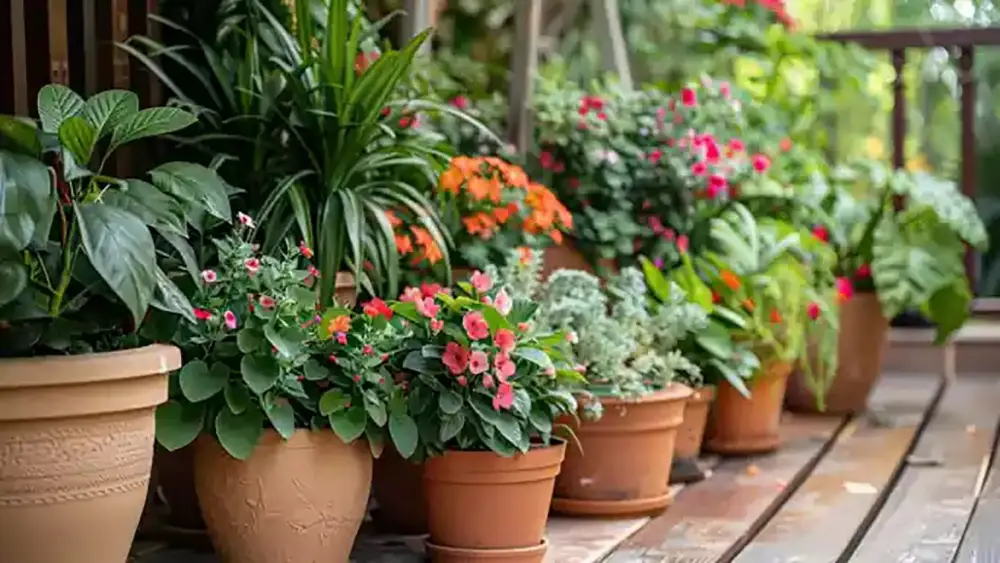
Do you dream of a vibrant burst of color on your porch, even if you only have a balcony or patio? Perhaps you’ve tried planting flowers in Florida, only to be disappointed by the scorching sun and unpredictable weather. I understand! I once tried growing roses in a terracotta pot in July – a quick learning experience! Luckily, Florida offers a fantastic range of options for best flowers to grow in pots in Florida. This article will help you select the perfect flowers, offer care tips, and transform your space into a floral paradise. You’ll gain knowledge to improve your gardening skills and enjoy a beautiful, flourishing garden, even with limited space, improving your Time on Page and reducing Bounce Rate.
The 10 Best Potted Flowers for Florida Gardens
Florida’s warm climate allows for year-round blooms, but the intense sun and humidity require careful selection. Choosing the right flowers is vital to success. The ideal plants thrive in the specific conditions of your area and provide long-lasting beauty. This list provides a diverse selection of flowers, from sun-loving annuals to shade-tolerant perennials, suitable for various Florida environments. We will explore those that add beauty and are fairly easy to maintain in a pot, considering the Florida sunshine and humidity. Whether you are a beginner or a seasoned gardener, there is a perfect flower waiting to brighten up your patio or balcony. By selecting the right plants and following proper care routines, you can create a beautiful potted flower garden that thrives.

1. Petunias for a Burst of Color
Petunias are a favorite, known for their abundant blooms and diverse colors. They are well-suited for container gardening in Florida. These annuals can thrive with consistent care. They are available in various colors, from vibrant purples and pinks to classic whites and reds. Petunias love sunshine and need at least six hours of direct sunlight each day. This is vital for their blossoms. Choose a well-draining potting mix, and water them regularly, especially during hot weather. Deadheading, or removing spent flowers, encourages the production of more blooms. Petunias will create a stunning visual display in your pots, adding an impressive element of color.
Petunia Planting Tips
- Sunlight Needs: Petunias require at least 6 hours of sunlight per day.
- Watering: Water regularly, especially during dry periods. Water when the top inch of soil feels dry.
- Fertilizing: Feed monthly with a balanced liquid fertilizer to promote blooming.
- Deadheading: Remove spent flowers to encourage new growth and prolong the blooming season.
- Pest Control: Watch for pests such as aphids and spider mites, and treat with insecticidal soap if needed.
2. Geraniums: Classic Charm for Potted Displays
Geraniums bring a classic charm to container gardens. These sturdy plants produce clusters of vibrant flowers in shades of red, pink, white, and orange. They are relatively easy to care for, making them a good option for beginners. Geraniums need plenty of sunshine, but they can tolerate some shade. They like well-draining soil and benefit from regular watering. It is important to let the soil dry out slightly between waterings to prevent root rot. Trim back leggy stems to encourage bushier growth and more flowers. Geraniums bring lasting beauty to Florida gardens in pots.
Geranium Care Guide
- Sun Requirements: Geraniums prefer at least 4-6 hours of direct sunlight per day.
- Watering Frequency: Water deeply when the soil surface is dry; avoid overwatering.
- Soil: Use a well-draining potting mix.
- Fertilizer: Feed monthly during the growing season with a balanced fertilizer.
- Pruning: Deadhead spent flowers and prune leggy stems to encourage growth.
3. Impatiens: Shade-Loving Beauty
Impatiens are the perfect choice for shady spots in your Florida garden. They offer a delightful splash of color with their bright blooms, coming in pink, red, white, and purple. These plants enjoy shade and thrive in humid climates, which suits Florida. They are not sun-tolerant, needing filtered light. Provide consistent moisture for impatiens, and avoid letting the soil dry out. They perform best in well-draining soil. Their vibrant colors will add a stunning touch to any space, even the shady areas of your garden. Impatiens are relatively low-maintenance, providing beautiful results.
Impatiens Planting Essentials
- Light Exposure: Plant in a shady area, away from direct sunlight.
- Watering Needs: Keep the soil consistently moist but not soggy.
- Soil: Well-draining soil is essential for healthy growth.
- Fertilizing: Feed monthly with a balanced liquid fertilizer.
- Pest Control: Watch for pests like spider mites and aphids.
4. Marigolds: Cheerful and Pest-Resistant
Marigolds are known for their cheerful blooms and ability to deter pests. These bright, sunny flowers come in shades of yellow, orange, and red. They are easy to grow in containers, making them a great option for beginner gardeners. They enjoy sunshine, needing at least six hours of direct sunlight daily. Marigolds prefer well-draining soil. Water them when the soil surface feels dry. Deadheading helps to promote more blooms throughout the growing season. They also deter certain pests, like nematodes. They bring vibrant color and offer a natural defense against pests to your potted garden. These flowers can be a reliable and beautiful addition to any Florida garden.
Marigold Care Tips
- Sunlight: Requires at least 6 hours of sunlight daily.
- Watering: Water when the soil surface becomes dry.
- Soil Type: Well-draining potting mix is best.
- Fertilizing: Feed monthly with a balanced fertilizer.
- Deadheading: Regularly remove spent flowers to encourage new blooms.
5. Lantana: Butterfly Magnet
Lantana is a fantastic choice for attracting butterflies and adding vibrant colors to your potted garden. This flowering plant produces clusters of brightly colored flowers. It is available in shades like orange, yellow, pink, and purple. Lantana thrives in the Florida climate, thriving in full sun. They are also heat and drought-tolerant. Choose a well-draining soil, and water them when the soil feels dry. Lantana is quite low maintenance and provides a continuous display of flowers. It is also resistant to many pests and diseases. They will not only enhance the beauty of your garden but also attract pollinators. Lantana brings color and vibrancy to any Florida landscape.
Lantana Planting and Care
- Sunlight Requirement: Plant in a location that receives full sun.
- Watering: Water regularly, allowing the soil to dry out between waterings.
- Soil: Use a well-draining potting mix.
- Fertilizing: Feed occasionally during the growing season with a balanced fertilizer.
- Pruning: Prune to shape and encourage more blooms.
6. Pentas: Star-Shaped Blooms
Pentas are another wonderful option for attracting pollinators. They feature clusters of star-shaped flowers that bloom in various colors like pink, red, white, and purple. Pentas thrive in Florida’s warm climate and bloom year-round. They enjoy full sun but can tolerate partial shade. They are relatively easy to grow in containers. Water them regularly and keep the soil moist but not soggy. Pentas benefit from regular fertilizing and deadheading. They are known for attracting butterflies and hummingbirds to your garden. These star-shaped blooms make pentas a lovely addition to your potted flower collection.
Pentas Care Guide
- Sun Exposure: Pentas prefer full sun to partial shade.
- Watering: Water regularly to keep the soil consistently moist.
- Soil: Plant in a well-draining potting mix.
- Fertilizing: Feed with a balanced fertilizer every few weeks.
- Deadheading: Remove spent flowers to encourage more blooms.
7. Calibrachoa: Miniature Petunias
Calibrachoa, often called million bells, are miniature petunias, known for their abundant blooms and beautiful cascading effect in pots. These plants offer a wide variety of colors. Calibrachoa is well-suited for Florida’s climate, loving sunshine. They require well-draining soil and regular watering. They are a good choice for hanging baskets and containers, making them versatile. Calibrachoa need regular feeding to produce their prolific blooms. Deadheading is generally not needed, as they are self-cleaning. The cascading effect creates a lovely display. They will bring color to your space with minimum effort.
Calibrachoa Growing Tips
- Sunlight: Plant in a spot that gets at least 6 hours of sun daily.
- Watering: Water regularly, and do not allow the soil to dry out.
- Soil: Use a well-draining potting mix.
- Fertilizer: Feed frequently with a balanced fertilizer.
- Deadheading: Not typically needed.
8. Vinca: Heat and Drought Tolerant
Vinca, also known as periwinkle, is a reliable option for Florida gardens, known for its heat and drought tolerance. They are easy to grow and maintain in pots. Vinca blooms in vibrant colors, adding a cheerful touch. They thrive in full sun and prefer well-draining soil. It is best to avoid overwatering to prevent root rot. They are exceptionally heat-tolerant, making them ideal for Florida’s warm temperatures. Regular deadheading helps to promote more blooms. Their ability to withstand hot conditions makes them an excellent choice for a low-maintenance garden. Vinca adds long-lasting beauty to your container garden.
Vinca Care Essentials
- Sunlight Needs: Plant in full sun for optimal blooming.
- Watering: Water when the soil surface is dry, avoiding overwatering.
- Soil: Well-draining soil is essential for Vinca.
- Fertilizing: Feed occasionally during the growing season.
- Pest Control: Watch for potential pest infestations, like aphids.
9. Begonias: Shade-Loving Variety
Begonias offer a diverse selection of colors and forms, making them a great option for adding visual interest to your potted garden. These shade-loving plants are ideal for Florida’s climate. They are especially well-suited for shaded areas. They come in a variety of blooms. Begonias thrive in well-draining soil and like consistent moisture. They are available in various forms, including wax begonias, tuberous begonias, and fibrous begonias. Different types have different needs, so study the specific needs of the variety. They will create a stunning visual impact in shaded areas. With careful attention, they will bring a touch of elegance to your outdoor area.
Begonia Care Guide
- Light: Provide partial or full shade.
- Watering: Water when the soil surface feels dry.
- Soil: Plant in a well-draining potting mix.
- Fertilizing: Feed with a balanced fertilizer during the growing season.
- Pest Control: Watch for pests and address any infestations.
10. Impatiens Walleriana (New Guinea Impatiens)
New Guinea Impatiens provide bright colors and long-lasting blooms in Florida’s climate. They are a popular choice for container gardens. They are known for their vibrant flowers and their ability to thrive in a variety of conditions. Unlike the common impatiens, New Guinea Impatiens can tolerate more sunlight. They are available in a range of colors and bloom throughout the year. They need well-draining soil and regular watering. Their striking blooms will make any potted garden more interesting. They are fairly easy to maintain and bring lasting beauty to any space.
New Guinea Impatiens Planting Instructions
- Light: These plants thrive in partial shade.
- Watering: Water regularly and keep the soil moist.
- Soil: Use a well-draining potting mix.
- Fertilizing: Feed regularly with a balanced fertilizer.
- Pest Control: Watch out for pests, like aphids.
Common Myths Debunked
Myth 1: All Flowers Need Full Sun in Florida
Many assume all flowering plants need direct sunlight. However, this is not true. In Florida, intense sun and heat can be harsh. Many flowers, like Impatiens and Begonias, actually prefer shade or partial shade. These plants thrive in filtered light, which helps them stay healthy. Careful consideration of sunlight requirements is important. Sun exposure is an important aspect of success. Some flowers will burn in direct sun.
Myth 2: Florida Soil is Perfect for All Potted Flowers
Florida’s sandy soil can drain quickly, which is why it is not the ideal potting mix. In reality, it is very important to use a good potting mix designed for containers. This soil should drain well. It should also retain moisture, and provide nutrients. Using the right potting mix ensures your plants have the best chance to grow. This potting mix supports the flower growth, reducing the risk of root rot and providing nutrients.
Myth 3: Overwatering is Impossible in Florida’s Heat
It might seem that the heat makes overwatering unlikely. The truth is that overwatering is a common mistake that causes root rot. The frequency of watering must be monitored closely, taking the heat into account. Always allow the soil to dry out between waterings. The right watering schedule is essential to protect the plants. Proper watering helps ensure healthy plants in pots.
Myth 4: Fertilizing is Not Needed for Potted Flowers
Some people think that flowers in pots don’t need fertilizer. However, potting mixes can deplete nutrients over time. Regular fertilizing is important. Fertilizing provides the nutrients needed to support flower growth. Always use a balanced fertilizer, applying it during the growing season. This ensures plants get the nutrients needed to produce blooms. Regular fertilizing promotes vibrant flowers.
Myth 5: All Flowers are Resistant to Pests and Diseases
Some assume potted flowers are free of pests and diseases. However, pests can still attack your plants. Inspect your plants regularly. Address any signs of infestations. Pests and diseases can affect any flower. They may require specific treatment to keep your plants healthy. Pest and disease prevention helps ensure long-lasting blooms.
Frequently Asked Questions
Question: What type of soil is best for potted flowers in Florida?
Answer: A well-draining potting mix is ideal, such as a mix designed for containers. Avoid using garden soil directly in pots, as it can compact and not drain well.
Question: How often should I water my potted flowers in Florida?
Answer: Watering frequency depends on the plant type and weather conditions. Generally, water when the top inch of soil feels dry. Some plants need more water than others, particularly during hot weather.
Question: Can I use tap water to water my flowers?
Answer: Tap water is generally fine, but if your water is highly chlorinated, you might let it sit for a day before use. Rainwater is an excellent choice for watering flowers.
Question: When should I fertilize my potted flowers?
Answer: Fertilize regularly during the growing season (usually spring through fall). Use a balanced liquid fertilizer, following the instructions on the product label.
Question: How can I protect my potted flowers from pests and diseases?
Answer: Regularly inspect your plants for signs of pests or diseases. Use insecticidal soap or other appropriate treatments as needed. Proper air circulation and well-draining soil help prevent issues.
Final Thoughts
Creating a beautiful display of best flowers to grow in pots in florida is a rewarding experience. As you have discovered, Florida’s unique climate allows a fantastic variety of flowering plants in your container garden. By selecting the correct flowers, considering sunlight needs, and utilizing proper care, you can create a beautiful potted garden. This will provide beauty and joy, no matter your experience level. Remember to monitor your plants regularly and respond to their needs. With attention and proper care, your potted flowers will flourish in the Florida sunshine. Embrace the joy of gardening, even in small spaces, and enjoy the beauty your blooms bring to your life.