If you’ve ever dreamed of harvesting your own tropical fruits right in your backyard, Florida is the perfect place to make that dream a reality. But where exactly in Florida can you grow these juicy, exotic fruits with the best results?
Whether you’re a beginner or a seasoned gardener, knowing the ideal spots and the easiest fruits to grow will save you time, effort, and disappointment. Imagine biting into fresh bananas, papayas, or pineapples that you nurtured yourself—all thriving under the Florida sun.
Keep reading to discover the best regions, top fruit choices, and simple tips that will turn your garden into a tropical paradise. Your journey to growing delicious tropical fruits in Florida starts here!
Top Tropical Fruit Choices
Florida’s warm climate suits many tropical fruits. These fruits grow well in gardens and yards. Choosing the right fruit helps gardeners enjoy fresh, tasty harvests. Some fruits need little care, while others require more attention. Picking fruits based on your region improves success. Here are top tropical fruit choices for Florida growers.
Easy Fruits For Florida Gardens
Bananas grow fast and need little care. They produce fruit in just a couple of years. Papayas thrive in Central and South Florida and can fruit all year. Pineapples are slow but simple to grow, even in containers. These fruits fit well in most Florida gardens. They are perfect for beginners and busy gardeners.
Fruits Needing Moderate Care
Figs grow well in many Florida areas and containers. The ‘Little Miss Figgy’ variety works for small spaces. Mulberries grow quickly and produce lots of fruit. Citrus trees, common in Florida, need some care but reward with sweet fruit. These fruits need moderate attention to thrive but offer great yields.
Regional Fruit Options
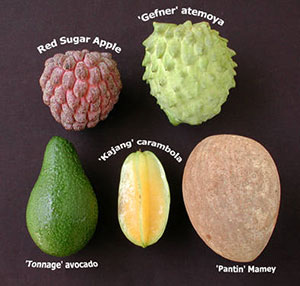
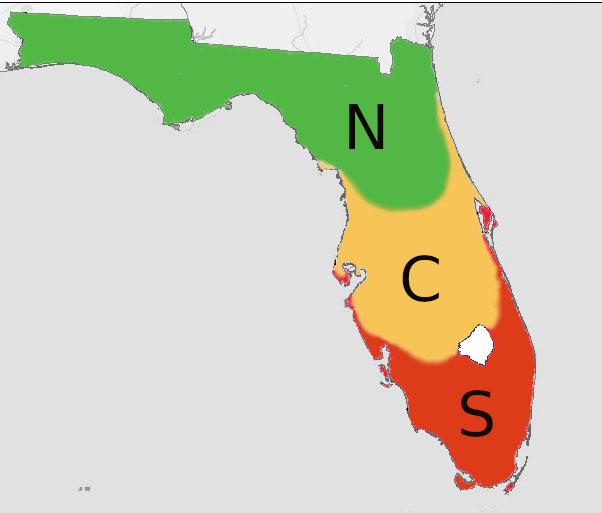
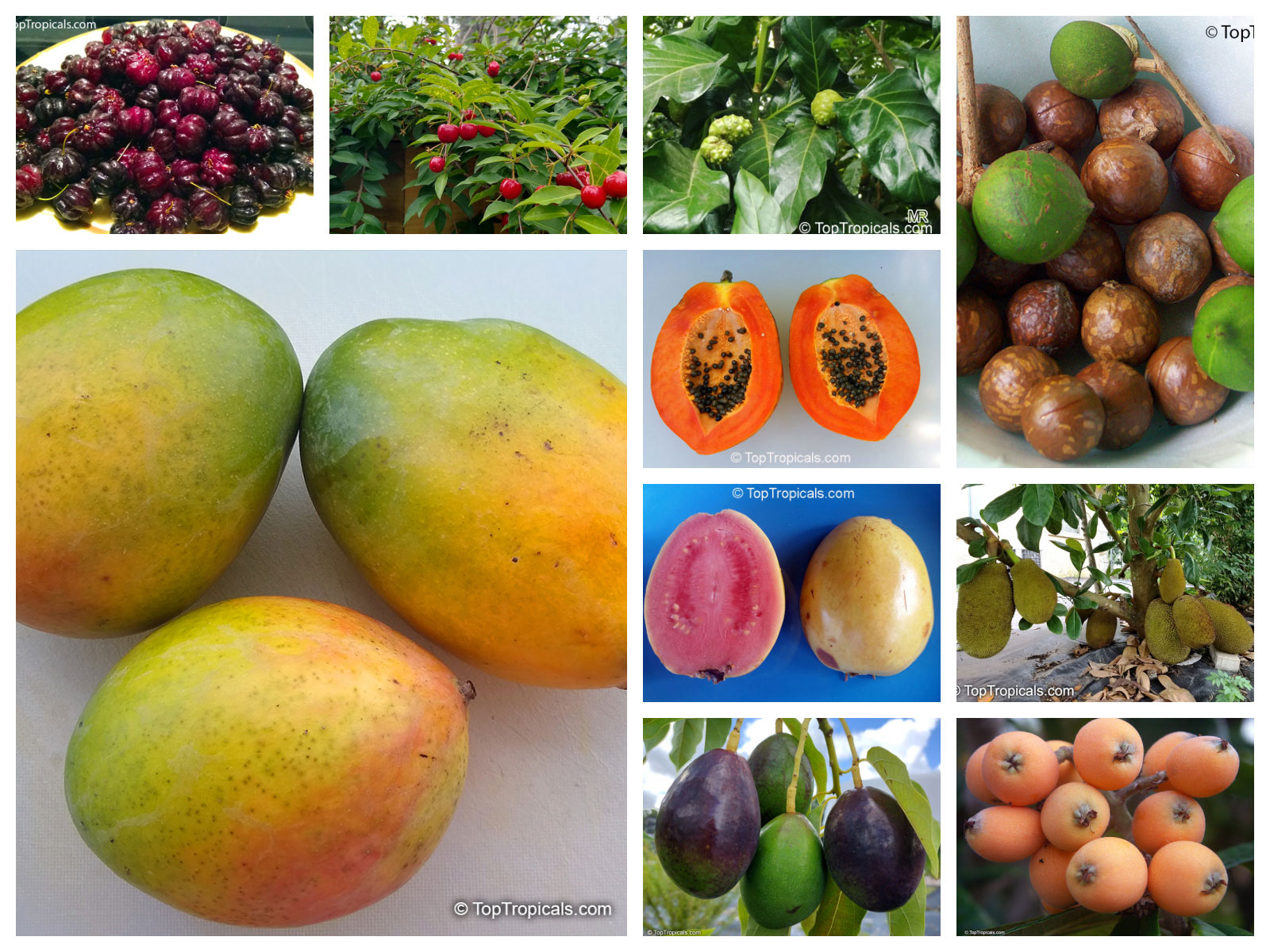
North Florida favors persimmons, muscadine grapes, pecans, and blueberries. These fruits handle cooler winters better. Central and South Florida suit mangoes, avocados, and star fruit. These fruits love the heat and humidity. For container gardens, dwarf mangoes, figs, blueberries, and pineapples work well. Choose fruits that match your local climate for best results.
Best Florida Regions For Growing
Florida offers diverse climates perfect for growing tropical fruit. The state’s regions vary in temperature and soil, affecting fruit success. Choosing the right region boosts growth and harvest quality. Each area supports unique fruits suited to its environment.
North Florida Favorites
North Florida has a cooler climate than other areas. It suits fruits like persimmons and muscadine grapes well. These fruits handle occasional frosts and shorter growing seasons. Pecans thrive here too, adding variety to home orchards. Blueberries grow well in this region, especially in acidic soil.
Central Florida Picks
Central Florida offers a warm climate with mild winters. Mangoes grow well here, producing sweet, juicy fruit. Avocados also thrive in this area with proper care. Citrus trees, including oranges and grapefruits, flourish in Central Florida. Star fruit is another popular choice for local gardeners. This region balances warmth and seasonal changes nicely.
South Florida Highlights
South Florida has the warmest climate in the state. It supports true tropical fruits like bananas and papayas. Pineapples grow well and can be harvested in containers. Mangoes and avocados flourish in the long growing season. Star fruit and lychee trees do best here. The tropical warmth encourages fast growth and year-round fruiting.
Growing Tropical Fruits In Containers
Growing tropical fruits in containers offers a flexible way to enjoy fresh produce at home. Containers allow control over soil, water, and sunlight. They also make it easy to move plants indoors during cold snaps. This method suits small spaces like patios, balconies, and decks. Many tropical fruits adapt well to container life with proper care.
Dwarf Fruit Varieties
Dwarf fruit trees fit perfectly in containers. They stay small but produce regular fruit. Examples include dwarf mango, fig, and citrus trees. Dwarf varieties need less space and are easier to manage. They grow well in Florida’s warm climate. You can harvest fresh fruit right from your porch or balcony.
Container Care Tips
Choose containers with good drainage holes to prevent waterlogging. Use high-quality potting mix for nutrients and moisture control. Water regularly, but avoid overwatering to stop root rot. Place containers in spots with plenty of sunlight, at least six hours daily. Fertilize monthly with balanced fertilizer to support healthy growth. Prune plants to maintain size and remove dead branches. Repot trees every 2-3 years to refresh soil and encourage growth.
Credit: gardeningsolutions.ifas.ufl.edu
Climate And Soil Factors
Growing tropical fruit in Florida depends heavily on the climate and soil. The state’s warm weather supports many tropical plants. Still, the right temperature and soil conditions are key to healthy growth. Understanding these factors helps gardeners choose the best spots and prepare their land for planting.
Temperature Considerations
Tropical fruit trees need warm temperatures to thrive. Most prefer a range between 70°F and 90°F. Frost can damage or kill young plants. South Florida offers the best protection against cold snaps. Central Florida can grow tropical fruits but might need frost protection. Night temperatures below 50°F can slow growth. Consistent warmth helps fruits develop fully and taste sweet.
Soil Preparation And Drainage
Good soil is vital for tropical fruit success. Florida soil varies but often has sandy texture. Sandy soil drains well but may lack nutrients. Adding organic matter improves soil fertility and water retention. Proper drainage prevents root rot and disease. Raised beds or mounds work well in wetter areas. Testing soil pH helps tailor fertilization. Most tropical fruits prefer slightly acidic to neutral soil, around pH 6 to 7.
Common Challenges And Solutions
Growing tropical fruit in Florida offers many rewards but comes with its own set of challenges. These challenges can affect fruit quality and yield. Understanding common problems and their solutions helps gardeners maintain healthy plants and enjoy bountiful harvests.
Pest And Disease Management
Pests like aphids, scale insects, and fruit flies often attack tropical fruit trees. These pests can damage leaves and fruit, reducing productivity. Regular inspection of plants is essential. Use natural predators, such as ladybugs, to control aphids. Apply insecticidal soaps to manage scale insects safely. For fruit flies, traps baited with attractants can reduce their numbers.
Diseases such as anthracnose and root rot also pose threats. Proper spacing between trees improves air circulation and reduces fungal infections. Avoid overwatering to prevent root rot. Use fungicides as needed, following label instructions carefully. Healthy soil and good drainage support disease resistance.
Frost Protection Strategies
Frost can damage tropical fruit plants, especially in North Florida. Cover plants with frost cloths or blankets during cold nights. Avoid plastic covers, which can cause more harm by freezing moisture on leaves. Water plants before frost; moist soil retains heat better than dry soil.
Planting in locations with natural windbreaks or near buildings can reduce frost risk. Container-grown plants can be moved indoors or to sheltered areas during cold spells. Choose frost-tolerant varieties or rootstocks to improve survival chances. These simple steps protect tropical fruit from cold damage effectively.
Credit: floridafruitgeek.com
Local Resources And Support
Finding the best place to grow tropical fruit in Florida is easier with strong local support. Local resources help gardeners learn, grow, and care for their plants. These resources provide advice, tools, and plants suited to Florida’s unique climate.
Growers can get hands-on help from nurseries and garden centers. Extension services offer expert guidance. Online communities connect growers to share tips and successes.
Nurseries And Garden Centers
Florida has many nurseries specializing in tropical fruit plants. They offer healthy seedlings and trees ready for planting. Staff at these centers know which varieties grow well locally.
Garden centers provide essential supplies like soil, fertilizers, and tools. They also offer advice on planting and pest control. Visiting a nursery helps you select the best fruit plants for your garden.
Extension Services And Online Communities
Florida’s extension services provide free or low-cost expert advice. They offer workshops, soil testing, and pest management guides. Their knowledge is based on years of local research.
Online communities and forums connect tropical fruit growers across the state. Members share growing tips, problem-solving ideas, and success stories. These groups are great for learning from other local gardeners.
Credit: toptropicals.com
Frequently Asked Questions
What Is The Easiest Fruit To Grow In Florida?
Bananas, papayas, and pineapples are the easiest fruits to grow in Florida. They thrive in warm climates and require minimal care. Figs, mulberries, and citrus also grow well with moderate effort. Choose fruits suited to your region for best results.
Where Is The Best Place To Plant Tropical Fruit?
Plant tropical fruit in warm, frost-free areas with well-drained soil and full sun. Coastal Florida and Central Texas suit many varieties. Choose location based on climate and fruit type for best growth.
What Grows Well In Florida Heat?
Bananas, papayas, and pineapples grow well in Florida heat. Figs, mulberries, and citrus also thrive with proper care. Mangoes and avocados suit Central and South Florida. Persimmons, muscadines, and pecans do well in North Florida. Choose dwarf varieties for container gardening.
What Is The Easiest Tropical Fruit To Grow?
Bananas are the easiest tropical fruit to grow. They require little care, grow quickly, and produce fruit within two years. Papayas and pineapples also thrive easily in warm climates, making them excellent choices for beginner tropical fruit gardeners.
Conclusion
Florida’s climate suits many tropical fruits, making it ideal for growing. Bananas, papayas, and pineapples grow quickly with little care. Figs, mulberries, and citrus trees do well with some attention. Choose fruits based on your region for best results. Container gardening also offers great options for limited space.
With the right fruit and location, you can enjoy fresh tropical flavors at home. Start small, learn as you grow, and enjoy the rewards of your garden.