

If you’re ready to grow pumpkins that truly thrive in Florida’s warm climate, you need to choose the right varieties. Not all pumpkins handle the heat and humidity well, but some are natural winners in the Sunshine State.
Whether you want big, classic pumpkins for carving or smaller, flavorful types for cooking, knowing which pumpkins grow best will save you time and effort. You’ll discover the top pumpkins perfectly suited for Florida gardens—like the hardy Seminole pumpkin and other favorites that resist pests and heat.
Keep reading to find out how to pick, plant, and care for pumpkins that will flourish in your Florida yard!
Pumpkin Varieties For Florida
Choosing the right pumpkin variety matters in Florida’s warm climate. Some pumpkins grow better here because they handle heat and humidity well. These varieties offer good yields and resist common pests. They also suit Florida gardeners’ needs for cooking, decoration, or carving. Below are the best pumpkin types for Florida gardens.
Seminole Pumpkin
The Seminole pumpkin is native to Florida and grows well in hot weather. It has a tough skin that stores well for months. This pumpkin is sweet and great for pies and baking. Its vines spread wide but stay healthy in Florida’s humidity. Seminole pumpkins are low-maintenance and perfect for beginners.
Howden And Jackpot
Howden pumpkins are classic for carving and Halloween fun. They grow well in Florida’s soil and heat. Jackpot pumpkins are similar but mature faster and resist disease better. Both types have bright orange skin and thick flesh. They also produce large fruits that make excellent jack-o’-lanterns.
Big Max And Big Moon
Big Max pumpkins grow very large and impress with size. They need space but handle Florida’s heat if watered well. Big Moon pumpkins have a smooth, pale skin and sweet taste. Both types are good for contests or big fall displays. These pumpkins need full sun and rich soil to thrive.
Funny Face
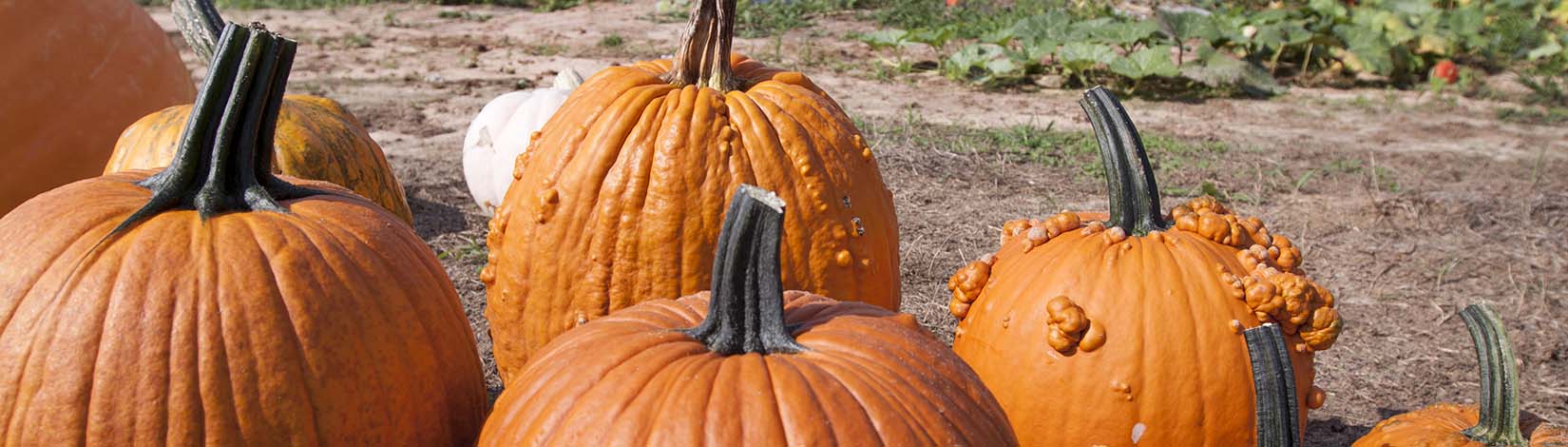
Funny Face pumpkins have unique shapes and funny bumps. They grow well in warm climates like Florida’s. These pumpkins are smaller and easy to grow in limited space. Their quirky look makes them great for decorations. They mature quickly and resist common pumpkin diseases.
Cinderella And Jarrahdale
Cinderella pumpkins have a flat, deep orange shape like the fairy tale pumpkin. They grow well in Florida’s warm season and have sweet, dense flesh. Jarrahdale pumpkins are blue-gray with smooth skin and sweet flavor. Both are good for cooking and look beautiful on any table. They require moderate watering and good sunlight.
Credit: sfyl.ifas.ufl.edu
Growing Conditions In Florida
Growing pumpkins in Florida requires understanding the unique conditions of the region. The climate is warm and humid, which affects pumpkin growth. Soil quality and watering also play key roles. These factors influence which pumpkin varieties will thrive.
Choosing the right pumpkin starts with knowing how Florida’s environment affects plants. Preparing your garden properly can lead to a healthy harvest. Below are important tips on climate, soil, and watering.
Climate Challenges
Florida’s hot summers can stress pumpkin plants. High humidity increases the risk of fungal diseases. Late summer storms may damage vines and fruit. Some pumpkin types handle heat better than others. Pick heat-tolerant varieties for best results. Plant pumpkins in early fall to avoid the hottest months.
Soil Preparation
Pumpkins grow best in well-drained soil rich in organic matter. Florida’s sandy soil needs extra compost or manure. Till the soil deeply to improve aeration. Test soil pH and keep it between 6.0 and 6.8. Add lime if soil is too acidic. Proper soil prep helps roots spread and absorb nutrients.
Watering Tips
Pumpkins need consistent moisture but dislike waterlogged soil. Water deeply once or twice a week depending on rainfall. Avoid wetting leaves to reduce disease risk. Use drip irrigation or water at the base of plants. Mulching helps keep soil moist and cool. Adjust watering during heavy rains to prevent root rot.
Pest And Disease Resistance
Pest and disease resistance is vital for growing pumpkins in Florida. The warm and humid climate encourages many pests and diseases. Choosing pumpkins that resist these challenges reduces losses and improves yield. Understanding common threats and how certain pumpkins naturally fight them helps gardeners maintain healthy crops.
Common Pests In Florida
Florida pumpkins face pests like squash bugs, cucumber beetles, and aphids. Squash bugs suck plant sap and cause wilting. Cucumber beetles spread bacterial wilt and feed on leaves. Aphids weaken plants by feeding on sap and spreading viruses. These pests can damage vines, leaves, and fruits quickly.
Spider mites and whiteflies also pose problems. They thrive in hot, dry conditions and reduce plant vigor. Caterpillars chew holes in leaves and fruits. Early detection helps manage these pests before they cause severe damage.
Natural Resistance Of Seminole Pumpkin
The Seminole pumpkin is a top choice for Florida gardens due to its strong natural resistance. It resists many common pests like squash bugs and beetles. Its thick skin deters insect damage and reduces fungal infections. The plant’s vigorous growth also helps it recover from pest attacks.
This pumpkin’s genetic traits make it less attractive to pests. It thrives in Florida’s heat and humidity without heavy chemical use. Seminole pumpkins are ideal for organic and low-maintenance gardens. Their resistance means fewer losses and healthier pumpkins at harvest.
Organic Pest Control Methods
Using organic methods keeps pumpkins safe and eco-friendly. Handpicking pests like beetles and squash bugs is effective for small gardens. Introducing beneficial insects such as ladybugs and lacewings controls aphids naturally. These predators reduce pest populations without chemicals.
Neem oil sprays disrupt pest growth and reduce infestations. Applying insecticidal soap can control soft-bodied insects like aphids and whiteflies. Crop rotation and proper spacing improve air circulation, lowering disease risk. Mulching also keeps weeds and pests away.
Regular monitoring and early action are key. Organic practices protect pumpkin health and support sustainable gardening in Florida’s climate.
Planting And Care
Growing pumpkins in Florida requires attention to planting and care. The warm climate and long growing season offer great opportunities. However, pumpkins need proper timing, space, and nutrients to thrive. Understanding these basics helps you grow healthy and fruitful pumpkins in your garden.
Best Planting Time
Plant pumpkins in early spring after the last frost. In Florida, this usually means February to March. Southern Florida gardeners can also plant in late summer for a fall harvest. Warm soil above 70°F helps seeds germinate quickly. Avoid planting during the hottest months to reduce stress on plants.
Spacing And Support
Pumpkins need plenty of space to spread their vines. Space hills 4 to 6 feet apart in rows 6 to 8 feet apart. This spacing prevents overcrowding and improves air circulation. Use mulch to keep soil moist and reduce weeds. Provide sturdy supports or trellises for smaller pumpkin varieties to save space and keep fruits off the ground.
Fertilizing Strategies
Start with a balanced fertilizer high in nitrogen for vine growth. Once flowers appear, switch to fertilizer higher in phosphorus and potassium. This encourages fruit development and healthy pumpkins. Apply fertilizer every 3 to 4 weeks during the growing season. Water plants deeply after fertilizing to help nutrients reach roots.
Harvesting And Storage
Harvesting and storing pumpkins properly ensures a longer shelf life and better taste. In Florida’s warm climate, timely harvesting is crucial to avoid damage from heat and pests. After picking, correct storage helps keep pumpkins fresh and firm for months.
Signs Of Maturity
Check the pumpkin’s color. It should be deep and solid without green spots. The skin must feel hard and resist scratching. The stem should be dry and brown, not green or soft. Also, the pumpkin should sound hollow when tapped gently. These signs show it is ready for harvest.
Harvest Techniques
Use sharp garden shears or a knife to cut the pumpkin from the vine. Leave about 2 to 3 inches of stem attached to prevent rot. Handle pumpkins carefully to avoid bruises or cuts. Avoid pulling or twisting the pumpkin off the vine. Harvest in the morning or late afternoon when temperatures are cooler.
Preserving Pumpkins Longer
Store pumpkins in a cool, dry place away from direct sunlight. Ideal temperature is between 50°F and 60°F. Place them on a pallet or wooden board to allow air circulation. Avoid stacking pumpkins to prevent bruising. Regularly check for soft spots or mold and remove affected pumpkins immediately to protect others.
Credit: gardeningsolutions.ifas.ufl.edu
Using Florida-grown Pumpkins
Florida-grown pumpkins bring versatility and charm to your home. These pumpkins thrive in the warm climate and offer great uses beyond decoration. Growing pumpkins in Florida means fresh, local produce for your cooking and seasonal displays. Using these pumpkins enhances your meals and adds a personal touch to holiday decor.
Cooking And Baking
Florida pumpkins have a sweet, rich flavor perfect for many dishes. Use them to make pies, soups, and breads. The flesh is tender and easy to cook. Fresh pumpkin puree from Florida pumpkins tastes better than canned. Roasting the seeds creates a healthy, crunchy snack. These pumpkins provide natural sweetness without added sugar.
Carving Pumpkins
Florida pumpkins have thick skins ideal for carving. Their sturdy walls hold shapes well, making detailed designs easier. Choose medium to large pumpkins for the best carving experience. The bright orange color adds vibrancy to your jack-o’-lanterns. After carving, keep pumpkins cool to extend their life. Use LED lights inside to avoid fire hazards.
Decorative Uses
Florida pumpkins brighten up your home with natural beauty. Use different sizes and shapes for eye-catching displays. Pair pumpkins with fall leaves and corn stalks for festive decor. Painted pumpkins add a creative touch without cutting. These pumpkins last longer in Florida’s climate when kept dry. Their unique look brings warmth to porches and tables.

Credit: www.revivalgardening.com
Frequently Asked Questions
What Pumpkins Grow Well In Florida?
The Seminole pumpkin thrives in Florida’s climate. ‘Howden’ and ‘Jackpot’ are good large varieties. ‘Funny Face,’ ‘Cinderella,’ and ‘Jarrahdale’ suit smaller gardens. These pumpkins tolerate heat and humidity well, making them ideal for Florida growers.
What’s Better, Kent Or Butternut Pumpkin?
Kent pumpkin offers a sweet, nutty flavor ideal for salads. Butternut pumpkin’s balanced sweetness suits diverse recipes better. Choose based on your cooking needs.
What Does Wd-40 Do For Pumpkins?
WD-40 helps preserve pumpkins by sealing moisture inside and repelling insects. It also adds a shiny finish and deters pests, slowing decay effectively.
Is August 1 Too Late To Plant Pumpkins?
August 1 is late but possible to plant fast-maturing pumpkin varieties. Choose seeds with shorter growing seasons for better success.
Conclusion
Choosing the right pumpkins for Florida’s warm climate boosts your garden’s success. Seminole and other heat-tolerant varieties thrive well here. They resist pests and handle Florida’s humidity better. Start with healthy seeds and water regularly for best growth. Watch your pumpkins closely and harvest at peak ripeness.
Growing pumpkins in Florida can be fun and rewarding. Enjoy fresh, homegrown pumpkins for cooking and decoration. Your garden will thank you with vibrant and tasty results.


