If you’re thinking about growing sweet potatoes in Florida, you want to pick the right variety for your garden and climate. The Sunshine State’s warm weather and long growing season make it perfect for sweet potatoes, but not all types thrive equally well here.
Choosing the best sweet potato for Florida means you’ll enjoy a healthier harvest, tastier tubers, and less hassle. Whether you have a big backyard or a small garden, this guide will help you find the perfect sweet potato to grow that suits your space and taste.
Keep reading to discover the top varieties that flourish in Florida’s unique conditions and how to get the most from your crop. Your sweet potato success story starts here!
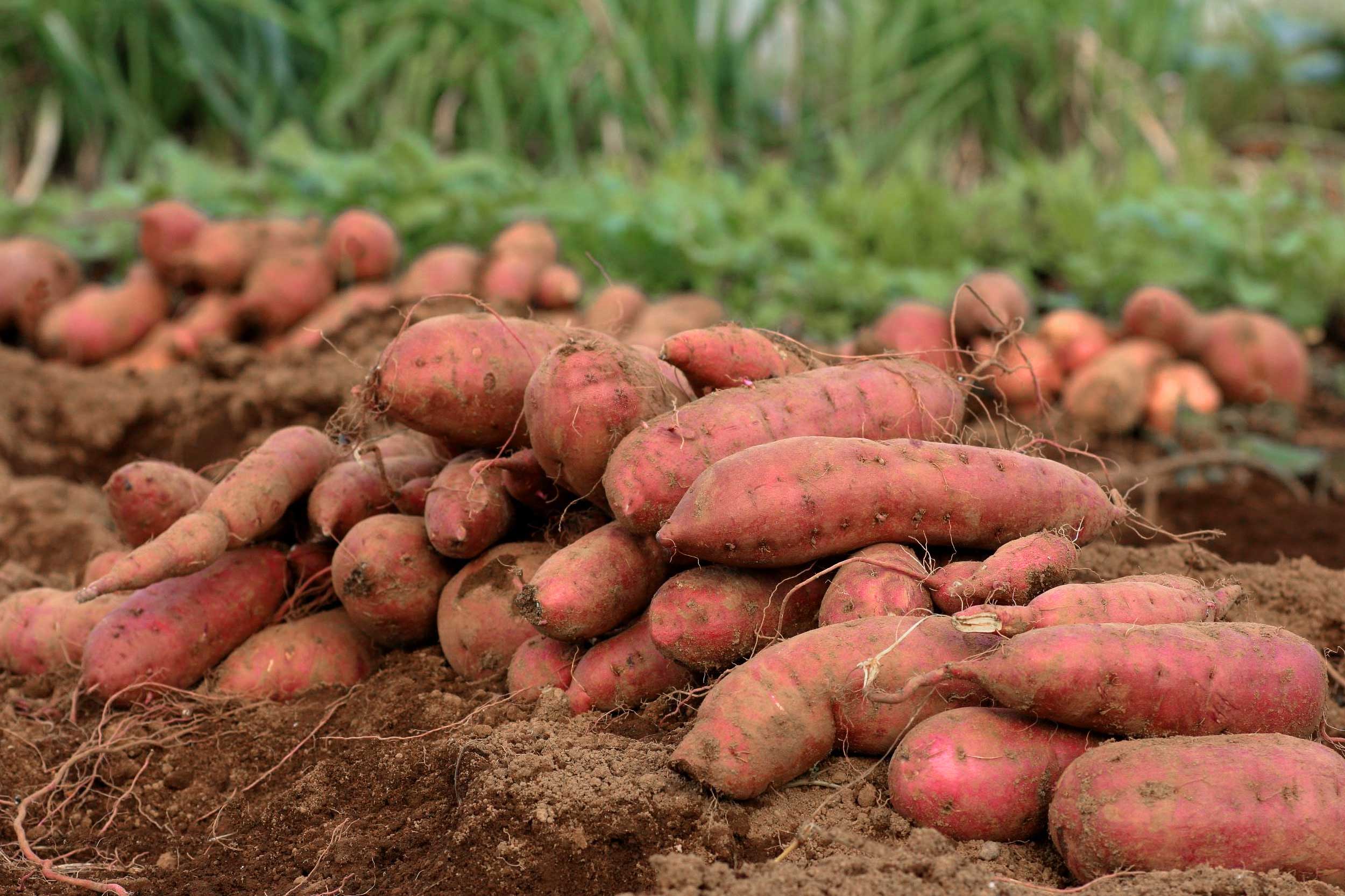
Credit: www.muzzarellifarms.com
Top Sweet Potato Varieties
Sweet potatoes thrive in Florida’s warm climate. Choosing the right variety boosts yield and flavor. Some varieties suit large gardens, others fit small spaces. Here are the top sweet potato types for Florida gardeners.
Beauregard
Beauregard is a popular variety with bright orange flesh. It tastes sweet and buttery. This type grows well in Florida’s heat and humidity. Beauregard is versatile for baking, boiling, or frying. It matures in about 90 to 100 days.
Centennial
Centennial sweet potatoes produce large, smooth roots. They have deep orange flesh with a sweet flavor. This variety resists many common diseases in Florida. Centennial performs well in sandy soils. It matures a little later, around 110 days.
Vardaman
Vardaman is a bush-type sweet potato, ideal for small gardens. It has bright orange flesh and a sweet taste. This variety matures quickly, in about 90 days. Vardaman plants spread less, saving space. It handles Florida’s warm weather easily.
Garnet
Garnet sweet potatoes have deep red skin and moist orange flesh. They taste rich and earthy, perfect for baking or mashing. Garnet grows well in Florida’s climate. This variety takes about 100 days to mature. It is known for good storage life.
Jewel
Jewel sweet potatoes have copper-colored skin and orange flesh. They offer a sweet, creamy flavor. This variety adapts well to Florida soils and weather. Jewel sweet potatoes mature in about 95 to 110 days. They are great for roasting and soups.
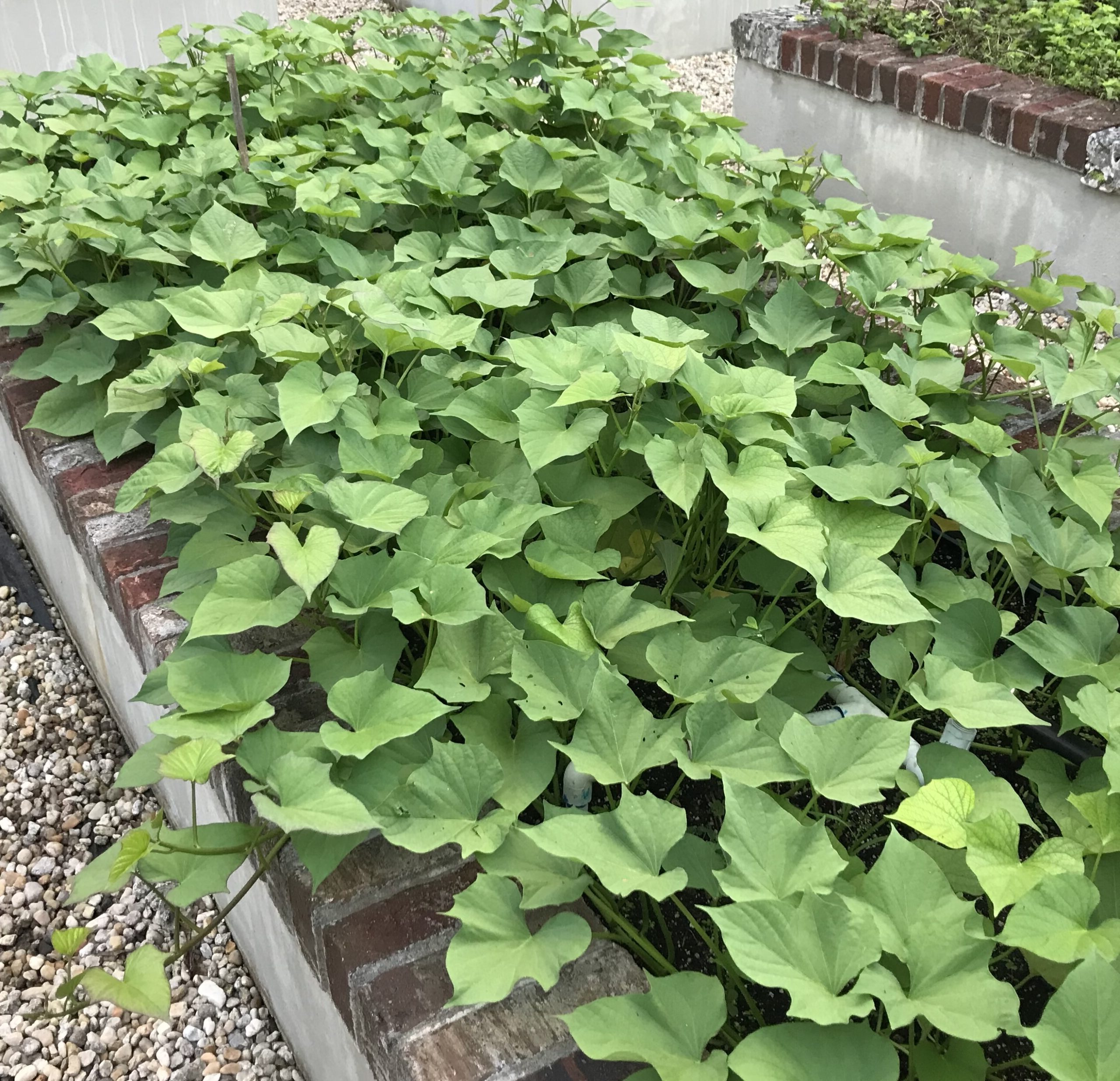
Credit: www.soflagardening.com
Climate And Soil Needs
Sweet potatoes thrive best under specific climate and soil conditions. Understanding these needs helps you grow healthy, flavorful roots in Florida’s unique environment. The state’s warm climate suits sweet potatoes well, but soil quality plays a key role too.
Choosing the right spot and preparing the soil properly ensures strong plant growth. This section covers Florida’s climate and soil requirements for the best sweet potato harvest.
Florida’s Growing Conditions
Florida offers a warm, humid climate perfect for sweet potatoes. The plants need at least 90 to 120 days of warm weather to mature. Temperatures between 75°F and 95°F encourage fast growth. Frost can damage sweet potatoes, so plant after the last frost date.
High humidity and plenty of sunshine boost root development. Sweet potatoes do well in Florida’s sandy soils but need good drainage. Excessive rain or standing water can cause root rot. A sunny spot with well-drained soil is ideal.
Soil Preparation Tips
Sweet potatoes prefer loose, sandy loam soil with a pH between 5.5 and 6.5. Test your soil and adjust pH if needed using lime or sulfur. Remove rocks, sticks, and debris to prevent root damage.
Add organic matter like compost or aged manure to improve soil fertility. This helps retain moisture and provides nutrients. Till the soil to a depth of 12 to 15 inches to loosen it well.
Avoid heavy clay soils or compacted ground. Raised beds can improve drainage and warm the soil faster. Keep soil moist but not soggy during the growing season for the best results.
Planting Sweet Potatoes In Florida
Planting sweet potatoes in Florida offers a rewarding gardening experience. The warm climate and long growing season suit sweet potatoes well. With proper timing and care, you can harvest a bountiful crop. Understanding the best practices helps ensure healthy plants and tasty roots.
Best Planting Times
Plant sweet potatoes in Florida after the last frost. Late March to early June is ideal. Soil temperatures should be above 65°F for good growth. Planting too early risks poor growth. Late planting can shorten the growing season.
Selecting Healthy Slips
Choose slips that are firm and green. Avoid those with spots or wilting leaves. Healthy slips grow stronger plants and better yields. Use slips from reliable sources or grow your own. This ensures disease-free and vigorous plants.
Spacing And Depth
Space slips about 12 to 18 inches apart in rows. Rows should be 3 feet apart for good airflow. Plant slips 3 to 4 inches deep in well-drained soil. Proper spacing prevents crowding and supports healthy growth. Depth helps roots establish firmly in the soil.
Caring For Sweet Potato Plants
Caring for sweet potato plants is simple with the right steps. Sweet potatoes thrive in warm Florida climates and need proper care. Regular attention helps produce healthy vines and tasty roots.
Sweet potatoes need balanced watering, feeding, and protection from pests. Following these basic rules will keep your garden strong. Enjoy a good harvest by giving your plants what they need.
Watering Guidelines
Sweet potatoes require consistent moisture but dislike soggy soil. Water plants deeply once or twice a week. Increase watering during dry spells to prevent stress. Use mulch to keep soil moist and cool.
Fertilizing Tips
Use a balanced fertilizer low in nitrogen to encourage root growth. Apply fertilizer before planting and again during the growing season. Avoid too much nitrogen; it causes leafy growth instead of tubers. Compost or organic matter also improves soil health.
Pest And Disease Control
Watch for pests like sweet potato weevils and whiteflies. Remove affected leaves and use insecticidal soap if needed. Rotate crops yearly to reduce disease risks. Keep the garden clean to prevent fungal infections.
Harvesting And Storage
Harvesting and storing sweet potatoes correctly is key to enjoying their full flavor. In Florida, the warm climate helps these tubers grow well. Knowing the right time to dig them up and how to store them keeps your sweet potatoes fresh longer. Proper curing boosts their sweetness and texture. Good storage prevents rotting and sprouting. Follow these simple steps to get the best results from your sweet potato harvest.
When To Harvest
Harvest sweet potatoes about 90 to 120 days after planting. The leaves start to yellow and die back when tubers are ready. Choose a dry day for digging to avoid soil clumping. Use a garden fork carefully to lift the roots. Handle tubers gently to prevent bruising. Avoid cutting or damaging the skin, as this can cause rot.
Curing Process
After harvest, cure sweet potatoes to improve flavor and storage life. Place them in a warm, humid spot around 85°F with 85-90% humidity. Keep them there for 5 to 10 days. This process heals skin cuts and converts starches to sugars. After curing, the sweet potatoes taste sweeter and last longer. Avoid direct sunlight during curing to prevent damage.
Storage Methods
Store cured sweet potatoes in a cool, dark, and dry place. Ideal temperatures range from 55°F to 60°F. Avoid refrigeration; cold temps can harm the tubers. Use wooden crates, cardboard boxes, or baskets with good air flow. Keep them away from moisture to prevent mold. Check stored potatoes regularly and remove any that show signs of spoilage.
Cooking Uses By Variety
Sweet potatoes grown in Florida offer unique flavors and textures. Different varieties suit different cooking methods. Knowing the best variety for each dish helps create tasty meals. This section explores popular varieties and their ideal cooking uses.
Beauregard For Versatility
Beauregard sweet potatoes have a sweet, buttery taste. They cook well in many ways. Use them for boiling, frying, or steaming. Their texture holds up in soups and stews. Beauregard is a great choice for everyday meals.
Garnet For Baking And Mashing
Garnet sweet potatoes are moist with a rich flavor. Baking brings out their natural sweetness. They mash smoothly, perfect for creamy dishes. Garnet works well in pies and casseroles. Their deep color adds a vibrant touch to plates.
Jewel For Roasting
Jewel sweet potatoes roast to a caramelized, tender finish. Their slightly drier texture crisps up nicely. Roasting enhances their natural sugars and flavor. Use Jewel for side dishes or salads. They add a lovely golden color to meals.
Growing Sweet Potatoes In Small Spaces
Growing sweet potatoes in small spaces is a smart choice for Florida gardeners with limited yard room. Sweet potatoes thrive in warm climates and need space to spread their vines. But even small gardens or patios can support a healthy crop. Selecting the right varieties and growing methods makes all the difference.
Compact sweet potato plants fit well in tight spots. Containers or raised beds offer control over soil quality and moisture. This helps plants avoid common problems like poor drainage or pests. With some care, sweet potatoes can flourish without a large garden.
Bush Varieties
Bush varieties are perfect for small gardens. These types grow shorter vines and stay compact. Vardaman is a popular bush sweet potato suited for Florida. It produces tasty tubers while taking up less space. These plants need less pruning and fit well in raised beds or along borders.
Choose bush types to save space and reduce maintenance. Their smaller size also means easier harvesting. Plant these varieties in well-drained soil with full sun for best results. Bush sweet potatoes offer a convenient option for urban gardeners.
Container Gardening Tips
Containers help grow sweet potatoes on patios or balconies. Use pots at least 12 inches deep and wide. This size gives tubers room to develop below ground. Fill containers with loose, sandy soil mixed with compost for nutrients.
Water containers regularly to keep soil moist but not soggy. Sweet potatoes dislike standing water. Place containers in sunny spots that receive at least six hours of sunlight daily. Rotate pots to ensure even growth.
Adding mulch on top reduces water loss and keeps soil temperature steady. Remove any weeds or runners that crowd the container. With proper care, container-grown sweet potatoes can yield a satisfying harvest.
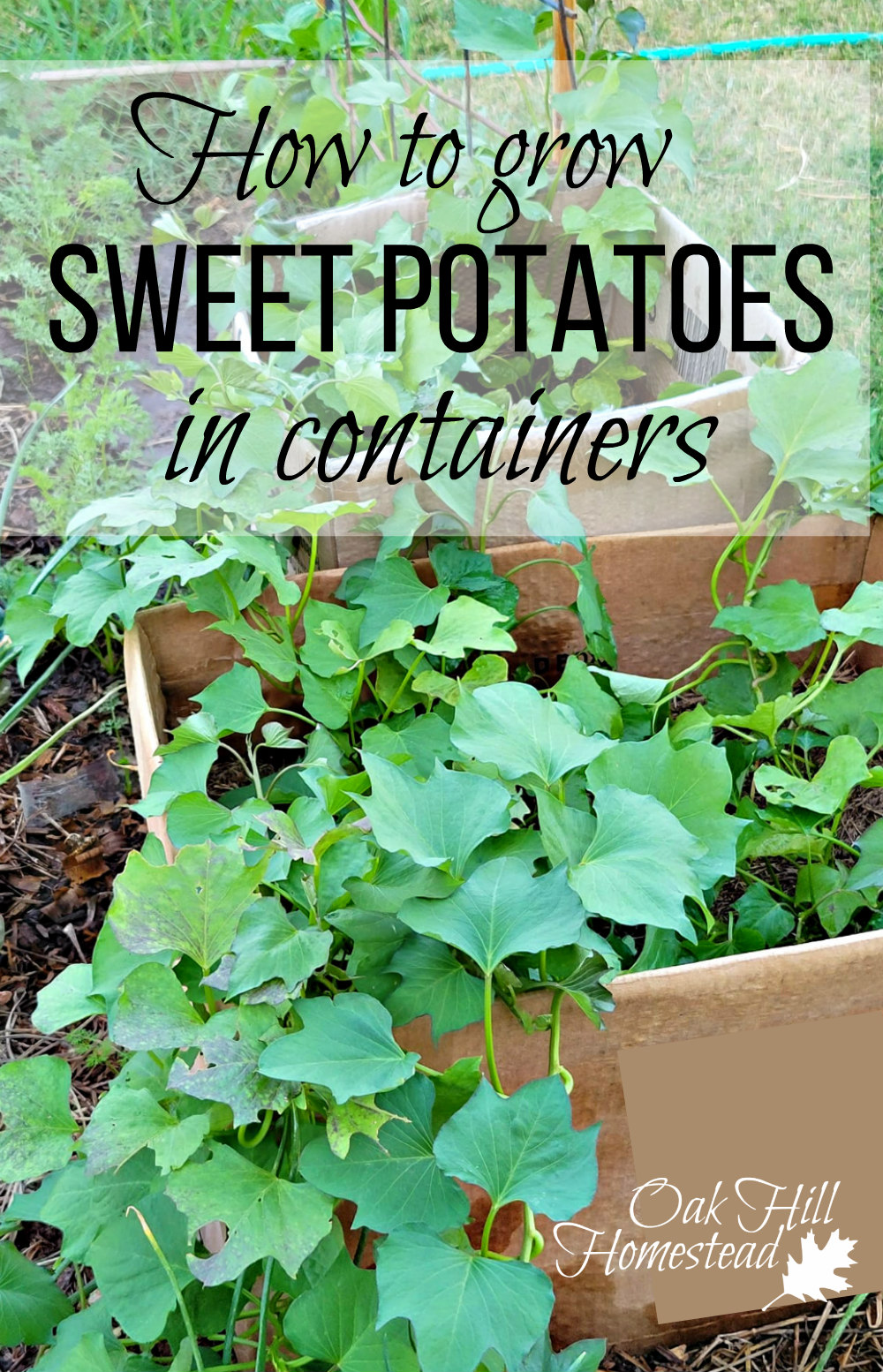
Credit: www.oakhillhomestead.com
Frequently Asked Questions
What Are The Best Sweet Potatoes For Florida?
The best sweet potatoes for Florida are Beauregard and Centennial varieties. Vardaman suits small gardens. These types thrive in Florida’s warm climate.
What Month Do You Plant Sweet Potatoes In Florida?
Plant sweet potatoes in Florida from March to June for best growth. Start after the last frost to ensure warm soil.
What Are The Easiest Potatoes To Grow In Florida?
The easiest potatoes to grow in Florida include red- and white-skinned Irish potatoes like Yukon Gold and Red Pontiac. Russet potatoes such as Norkotah also perform well. Purchase certified seed potatoes for best results. These varieties adapt well to Florida’s climate and soil conditions.
What Is The Difference Between Garnet Sweet Potatoes And Beauregard Sweet Potatoes?
Beauregard sweet potatoes have a buttery, sweet flavor and firm texture, ideal for general cooking. Garnet sweet potatoes are moister with a richer, earthier taste, perfect for baking and mashing. Beauregard suits versatile use, while Garnet excels in pies and casseroles.
Conclusion
Choosing the right sweet potato variety helps your Florida garden thrive. Beauregard and Centennial grow well in warm climates. Vardaman suits small garden spaces perfectly. Sweet potatoes love Florida’s heat and soil. Plant them in late spring for best results.
Regular care and watering lead to healthy harvests. Enjoy fresh, tasty sweet potatoes from your own backyard. Gardening in Florida becomes easier with these choices. Give your garden a sweet boost this season.