
If you’re ready to grow juicy, flavorful tomatoes right in your North Florida garden, choosing the right varieties is key. Not all tomatoes thrive in the warm, humid climate of this region, so picking the best ones can make all the difference between a bountiful harvest and a frustrating season.
Imagine biting into a sun-ripened tomato that’s perfectly suited to your local soil and weather—sounds amazing, right? In this guide, you’ll discover which tomato types will flourish in North Florida, ensuring your garden produces mouthwatering fruits that you’ll love to eat fresh or use in your favorite recipes.
Keep reading to find out how to turn your tomato-growing dreams into reality!

Credit: pindersnursery.com
Climate And Soil In North Florida
North Florida offers a unique environment for growing tomatoes. The climate is warm with mild winters, ideal for many tomato varieties. Understanding the local climate and soil helps gardeners choose the best tomatoes to plant. Soil quality also plays a big role in healthy tomato growth. Preparing the soil properly ensures strong plants and good fruit production.
Temperature And Frost Dates
North Florida has long growing seasons with warm temperatures. Daytime highs often reach 80 to 90 degrees Fahrenheit. Night temperatures rarely drop below freezing after early spring. The average last frost date is around mid-March. The first frost usually comes in late November. These dates give a long window to plant and harvest tomatoes. Tomatoes grow best when temperatures stay between 70 and 85 degrees. Frost can damage or kill young tomato plants. Plant after the last frost date to protect seedlings. Warm temperatures speed up fruit ripening.
Soil Type And Preparation
The soil in North Florida is sandy and well-draining. This type drains water quickly, which helps prevent root rot. However, sandy soil often lacks nutrients and organic matter. Adding compost improves soil fertility and water retention. Mixing in aged manure or organic fertilizer boosts plant growth. Tomatoes prefer slightly acidic soil with a pH between 6.0 and 6.8. Test soil pH before planting to adjust if needed. Loosen soil deeply to allow roots to spread. Raised beds or mounds can improve drainage in heavy or clay soils. Proper soil preparation leads to healthier tomato plants and better yields.
Credit: gardeningsolutions.ifas.ufl.edu
Ideal Planting Time
Timing is key for growing the best tomatoes in North Florida. The region’s warm climate and humid conditions influence when to plant tomatoes for strong growth and good fruit. Plant too early, and cold nights may harm young plants. Plant too late, and the heat can stress them. Understanding the ideal planting time helps gardeners get the best results.
Seed Starting Schedule
Start tomato seeds indoors about 6 to 8 weeks before the last expected frost date. In North Florida, this usually means starting seeds in late January to early February. Use seed trays with good drainage and keep the soil moist. A warm spot with temperatures around 70-75°F helps seeds sprout fast. Move seedlings to brighter light once they grow their first true leaves.
Transplanting Guidelines
Transplant seedlings outdoors after the last frost, usually in mid to late March in North Florida. Choose a day with mild weather and no strong winds. Harden off seedlings by slowly exposing them to outdoor conditions over 7 to 10 days. Plant them deep, covering two-thirds of the stem to encourage strong roots. Space plants about 24 inches apart for good air flow and growth.
Top Tomato Varieties For North Florida
Choosing the right tomato variety can make a big difference in North Florida gardens. The warm climate and humidity call for types that resist heat and disease. Some tomatoes thrive better here than others. Knowing the best varieties helps gardeners get healthy plants and tasty fruit.
Heirloom Varieties
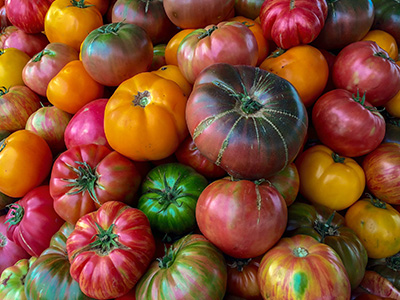
Heirloom tomatoes offer rich flavors and unique shapes. They grow well in North Florida with proper care. Varieties like ‘Brandywine’ and ‘Cherokee Purple’ stand out. These types bring deep colors and sweet tastes. They may need extra attention for pests but reward with excellent harvests.
Hybrid Varieties
Hybrid tomatoes combine strong traits from different plants. They resist common diseases and handle heat better. ‘Heatmaster’ and ‘Solar Fire’ are popular North Florida choices. These hybrids produce fruit quickly and in large amounts. Gardeners prefer them for reliable results and ease of growth.
Plum Tomatoes
Plum tomatoes work great for sauces and canning. ‘Roma’ and ‘San Marzano’ are two favorites. San Marzano tomatoes have thicker flesh and fewer seeds. They taste sweeter and less acidic than Roma. Roma tomatoes are easy to find and versatile in the kitchen. Both types do well in North Florida gardens.
San Marzano Vs Roma Tomatoes
San Marzano and Roma tomatoes are popular plum tomato varieties grown in North Florida. Both are excellent for cooking but have distinct differences. Choosing between them depends on the shape, flavor, and use in recipes. Understanding these differences helps gardeners select the best tomato for their kitchen.
Shape And Flesh Differences
San Marzano tomatoes have an elongated, pointed shape. Their skin is thinner but flesh is thicker. They contain fewer seeds and less juice. Roma tomatoes are more egg-shaped or rounded. They hold more water and have more seeds. The flesh is less dense compared to San Marzanos.
Flavor Profiles
San Marzanos taste sweeter with low acidity. Their flavor is rich and “tomatoey.” Roma tomatoes have a slightly more acidic taste. They offer a balanced but less sweet flavor. These flavor differences affect how each tomato works in dishes.
Best Uses In Cooking
San Marzano tomatoes are ideal for authentic Italian sauces. Their thick flesh creates rich, smooth sauces with a pure tomato flavor. They are perfect for canning and preserving. Roma tomatoes work well as an all-purpose sauce tomato. They are good for paste, canning, and everyday cooking. Roma tomatoes are easier to find and more affordable.
Growing Tips For North Florida
Growing tomatoes in North Florida requires special care due to the region’s heat and humidity. Adapting your gardening methods helps plants thrive. Follow these practical tips to nurture healthy tomato plants and enjoy a bountiful harvest.
Watering And Fertilizing
Tomatoes need consistent watering to avoid stress. Water deeply but less often to encourage strong roots. Early morning watering reduces leaf diseases. Use mulch to keep soil moist and cool. Fertilize every 3 to 4 weeks with balanced fertilizer. Choose formulas high in phosphorus for better fruit development. Avoid over-fertilizing nitrogen to prevent excessive leaf growth.
Pest And Disease Control
Common pests include aphids, whiteflies, and tomato hornworms. Inspect plants regularly for signs of damage. Use insecticidal soap or neem oil for safe pest control. Rotate crops yearly to reduce disease risks. Remove and destroy infected leaves to stop spread. Keep garden clean and free of weeds where pests hide.
Supporting And Pruning Plants
Support tomato plants with cages or stakes to keep fruit off the ground. This prevents rot and pest problems. Prune suckers—small shoots between main stem and branches—to improve airflow. Better airflow reduces fungal diseases. Remove lower leaves that touch the soil. This practice keeps plants healthier and easier to manage.
Harvesting And Storage
Harvesting and storing tomatoes correctly ensures the best flavor and longer freshness. Picking tomatoes at the right time helps you enjoy their full taste. Proper storage keeps them from spoiling quickly. This section covers how to know when tomatoes are ripe, how to pick them gently, and the best ways to store your harvest.
Signs Of Ripeness
Look for tomatoes with full color and a slight softness. The skin should be smooth and free of cracks. A ripe tomato feels firm but yields slightly to gentle pressure. The fruit should easily come off the vine with a gentle twist. Avoid picking green or hard tomatoes unless you plan to ripen them indoors.
Proper Picking Techniques
Use clean hands or garden scissors to avoid damaging the plant. Hold the tomato gently and twist or cut the stem carefully. Avoid pulling or yanking, which can harm the vine. Pick tomatoes in the cool morning for best flavor. Handle them with care to prevent bruises or cuts.
Storage Methods
Keep ripe tomatoes at room temperature away from direct sunlight. Store them stem side down to reduce moisture loss. For longer storage, place tomatoes in a single layer on a paper towel. Avoid refrigerating fresh tomatoes as cold dulls their flavor. Use overripe tomatoes quickly or turn them into sauces and preserves.

Credit: nwdistrict.ifas.ufl.edu
Frequently Asked Questions
Which Is Better, Roma Or San Marzano Tomatoes?
San Marzano tomatoes offer sweeter, less acidic flavor with thicker flesh and fewer seeds, ideal for sauces. Roma tomatoes are more available and budget-friendly but have more seeds and acidity, making them good for general use.
Why Do You Bury 2/3 Of A Tomato Plant?
Burying 2/3 of a tomato plant encourages strong root growth along the stem. This improves stability and nutrient absorption.
When To Plant Tomatoes In North Fl?
Plant tomatoes in North Florida from late February to early April. Choose frost-free dates and prepare soil well.
What Are The Best Heat-tolerant Tomato Plants?
Best heat-tolerant tomato plants include Heatmaster, Solar Fire, Phoenix, and Sunmaster. These varieties resist cracking and thrive in hot climates.
Conclusion
Choosing the right tomato variety helps your garden thrive in North Florida. Tomatoes like San Marzano and Roma suit the climate well. San Marzano offers a sweet, rich flavor with fewer seeds. Roma tomatoes are easier to find and grow fast.
Both work well for sauces and fresh eating. Growing these tomatoes ensures fresh, tasty harvests all season long. Start with one or two types and enjoy watching them grow. Happy gardening!


