
If you live in Florida or are thinking about starting a garden there, you’re in luck. Florida’s warm climate and long growing season open up a world of possibilities for growing fruits, vegetables, and flowers that thrive under the sun.
Whether you want to grow juicy citrus, spicy peppers, or colorful marigolds, knowing the best plants to choose can make all the difference. You’ll discover which crops grow best in Florida’s unique environment and how to get the most from your garden year-round.
Ready to turn your outdoor space into a flourishing paradise? Let’s dive into the best things to grow in Florida and how you can make your garden a success.
Credit: costafarms.com
Fruits For Florida Gardens
Florida gardens offer ideal conditions for growing many delicious fruits. The warm climate and long growing season help fruit plants thrive. From citrus to tropical favorites, gardeners find plenty of options. These fruits fit well in home gardens and produce tasty, fresh harvests.
Citrus Varieties
Florida is famous for its citrus fruits. Oranges, grapefruits, lemons, and limes grow well here. They need full sun and well-drained soil. Regular watering keeps trees healthy. Citrus trees also attract pollinators to the garden. Many varieties resist common diseases found in the state.
Mango Cultivation
Mango trees flourish in southern Florida’s warm areas. They require plenty of sunlight and space. Plant young trees in rich soil with good drainage. Mangoes need less water once established. Harvest season usually falls from May to September. The sweet, juicy fruit is perfect for fresh eating or cooking.
Growing Sugarcane
Sugarcane thrives in Florida’s humid climate. It prefers full sun and moist soil. Plant cane stalks in early spring for best growth. Sugarcane grows tall and produces sweet juice. It can be used fresh or processed for sugar. Regular feeding helps increase yield and plant health.
Avocado Seasons
Avocado trees grow well in Florida’s warm zones. Most varieties produce fruit from June through January. Avocados need well-drained soil and moderate watering. Protect young trees from cold weather. The creamy fruit is great for salads, spreads, and cooking. Regular pruning encourages better fruit production.
Strawberry Tips
Strawberries grow best in Florida’s cooler months. Plant them in late fall for spring harvest. Use raised beds or well-drained soil to prevent rot. Strawberries need full sun and consistent moisture. Mulch helps keep fruit clean and soil cool. Pick berries regularly to encourage more fruit.
Peach Possibilities
Peach trees grow mostly in North Florida’s cooler climate. Choose low-chill varieties suited for the region. Plant in sunny spots with well-drained soil. Prune trees yearly to maintain shape and health. Harvest time is usually in late spring or early summer. Peaches add sweet flavor to fresh fruit bowls and desserts.

Credit: www.revivalgardening.com
Vegetables That Thrive
Florida’s warm climate creates perfect conditions for growing many vegetables. Some veggies love the heat and grow strong throughout summer. Others do well in cooler winter months. Understanding which vegetables thrive helps you plan a productive garden year-round. Choose plants suited to Florida’s weather for best results.
Heat-loving Choices
Okra, sweet potatoes, and eggplants flourish in Florida’s heat. These plants handle high temperatures and strong sunlight well. They need well-drained soil and regular watering. Growing heat-loving vegetables ensures a steady harvest during hot months.
Winter Vegetables
Cooler winter weather suits broccoli, cabbage, and carrots. These vegetables grow best from fall to early spring. They enjoy mild Florida winters and shorter days. Planting winter vegetables extends your garden’s productivity through the colder season.
Tomatoes And Peppers
Tomatoes and peppers are top choices for Florida gardeners. They need full sun and fertile soil. Choose heat-tolerant tomato varieties like ‘Heatmaster’ or ‘Solar Fire’. Peppers, including bell and chili types, thrive with warm days and cooler nights.
Leafy Greens
Spinach, kale, and Swiss chard adapt well to Florida gardens. These greens prefer cooler temperatures but tolerate some heat. Plant in early spring or fall for best growth. Leafy greens provide fresh, nutritious leaves for salads and cooking.
Bean Varieties
Green beans and lima beans grow quickly in Florida’s climate. They prefer warm soil and full sun. Bush beans mature faster and suit small spaces. Pole beans climb and produce longer but need support. Beans add protein and nitrogen to garden soil.
Cucumbers, Squash, And Melons
Cucumbers, squash, and melons thrive in sunny Florida gardens. These plants require rich soil and plenty of water. Choose disease-resistant varieties for better results. Their sweet fruits and crunchy veggies bring variety to any meal.
Flowers For Warm Climates
Florida’s warm climate creates perfect conditions for many vibrant flowers. These blooms add color and life to gardens throughout the year. Choosing flowers that thrive in heat and humidity ensures lasting beauty. Below are some excellent options for warm climates that flourish under Florida’s sun.
Lantana And Marigolds
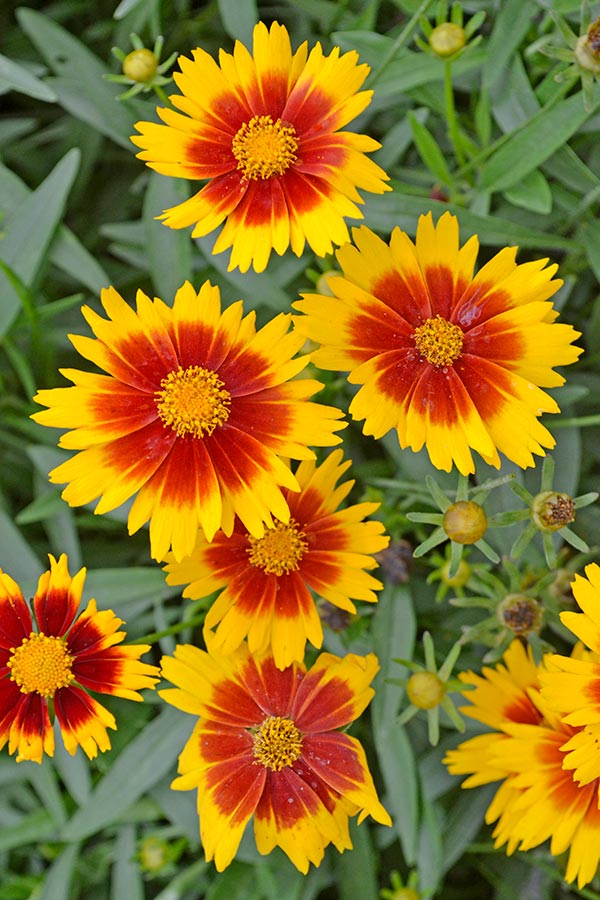
Lantana grows quickly and blooms in bright clusters. It attracts butterflies and resists drought well. Marigolds offer cheerful yellow and orange flowers. They repel pests naturally, making them great for gardens. Both plants tolerate heat and need little care.
Tropical Bird Of Paradise
The Bird of Paradise features striking, exotic flowers. Its bold colors resemble a bird in flight. This plant loves full sun and warm temperatures. It adds a tropical feel and grows well in Florida’s heat. Minimal watering is needed once established.
Angelonia And Zinnias
Angelonia produces tall spikes of small, colorful blooms. It handles heat and humidity without problems. Zinnias bring bright, daisy-like flowers in many colors. They attract pollinators and bloom all summer long. Both plants brighten any garden space easily.
Cacti And Succulents
Cacti and succulents thrive in hot, dry conditions. They store water in their leaves and stems. These plants require minimal watering and care. Their unique shapes and textures add interest to gardens. Many varieties grow well outdoors in Florida’s warm climate.
Seasonal Planting Tips
Seasonal planting is key to a thriving garden in Florida. Understanding the best times to plant helps crops grow strong and healthy. Florida’s climate changes with the seasons, so gardeners must adapt their plans. Below are tips for planting during different seasons and conditions.
Summer Gardening
Florida summers are hot and humid. Choose heat-tolerant plants like okra, sweet potatoes, and peppers. Water deeply but less often to avoid root rot. Mulch around plants to keep soil cool and moist. Provide shade for young seedlings during peak afternoon sun.
Cool-season Strategies
Winter and early spring bring milder temperatures. Plant leafy greens such as lettuce, kale, and spinach. Use row covers to protect against occasional cold snaps. Start seeds indoors before transplanting outside. These months are perfect for root vegetables like carrots and radishes.
Soil And Moisture Needs
Florida soil often needs improvement for best growth. Add organic matter like compost to improve texture and nutrients. Ensure soil drains well to prevent waterlogging. Keep soil consistently moist but not soggy. Check moisture levels regularly, especially during dry spells.
Sun Exposure Guidelines
Most Florida plants require full sun, about six to eight hours daily. Some crops, like leafy greens, can grow in partial shade. Place sun-loving plants in open areas. Use shade cloths or garden structures to protect sensitive plants. Correct sun exposure boosts growth and yield.
Maximizing Garden Success
Maximizing garden success in Florida requires smart planning and care. The state’s warm climate offers great opportunities, but also challenges. Proper techniques help plants grow strong and healthy. Focus on key areas to improve your garden’s yield and beauty.
Pest And Disease Control
Pests and diseases can damage plants fast. Regularly inspect leaves and stems for signs of trouble. Remove affected parts immediately to stop spread. Use natural predators like ladybugs to control pests safely. Avoid harsh chemicals that can harm beneficial insects. Rotate crops each season to reduce disease risks. Keep garden clean from debris where pests hide.
Watering Techniques
Water deeply but less often to encourage strong roots. Early morning watering reduces evaporation and fungal growth. Avoid wetting leaves to prevent diseases. Use drip irrigation or soaker hoses for efficient watering. Check soil moisture by feeling it a few inches deep. Adjust watering frequency based on weather and soil type. Mulch helps retain soil moisture and keeps roots cool.
Fertilizing For Growth
Healthy plants need balanced nutrients. Use slow-release fertilizers to provide steady feeding. Organic options like compost improve soil structure and fertility. Apply fertilizer according to plant needs and growth stage. Avoid over-fertilizing, which can burn roots or reduce yield. Test soil annually to identify nutrient deficiencies. Feed flowering and fruiting plants more during their active season.
Choosing The Right Varieties
Select plant varieties suited to Florida’s climate and soil. Heat-tolerant and disease-resistant types perform best here. Choose early-maturing varieties for shorter growing seasons. Local nurseries often carry plants adapted to the region. Consider native plants for easier care and better results. Experiment with small batches before planting a large area. Variety choice impacts garden success and enjoyment.

Credit: floridafarmfamily.com
Frequently Asked Questions
What’s The Best Thing To Grow In Florida?
Citrus fruits like oranges and grapefruits thrive best in Florida. Heat-tolerant vegetables such as tomatoes, peppers, okra, and sweet potatoes also grow well. Tropical fruits like mangoes and sugarcane suit Florida’s warm climate perfectly, offering diverse and productive gardening options year-round.
What Is The 70/30 Rule In Gardening?
The 70/30 rule in gardening means planting 70% of your garden with reliable crops and 30% with experimental or new plants. This balance helps ensure a successful harvest while allowing room for variety and learning.
What Grows Well In Florida Heat?
Florida heat favors heat-tolerant crops like tomatoes, peppers, okra, sweet potatoes, and beans. Tropical fruits such as mangoes, citrus, and sugarcane also thrive. Flowers like lantana and marigolds grow well, attracting pollinators and enduring the warm climate. Choose plants suited for Florida’s hot, humid conditions.
What Are The Top 5 Crops Grown In Florida?
The top 5 crops grown in Florida are citrus (oranges, grapefruits), sugarcane, mangoes, tomatoes, and strawberries. These thrive in Florida’s warm climate and diverse soil conditions.
Conclusion
Florida’s warm climate suits many fruits, vegetables, and flowers. Growing citrus, mangoes, or sugarcane brings great results. Vegetables like tomatoes, peppers, and okra thrive in the heat. Cool-season crops such as carrots and beets grow well in winter. Choose plants based on your region and season for best success.
Gardening in Florida offers variety and year-round opportunities. Start small, learn your soil and sun needs, and enjoy fresh homegrown produce. Happy planting!