If you’re thinking about starting a garden in Florida, you might wonder which fruits and vegetables will thrive in your sunny, warm climate. Choosing the best produce to grow here can save you time, effort, and frustration—while rewarding you with fresh, delicious food right from your backyard.
Imagine biting into juicy bananas, crisp tomatoes, or sweet papayas that you grew yourself. You’ll discover the easiest and most fruitful options to plant in Florida’s unique environment, helping you create a garden that flourishes all year round. Ready to turn your soil into a bountiful paradise?
Let’s explore the best produce to grow in Florida together.
Top Fruits For Florida Gardens
Florida’s warm climate suits many fruit plants. Gardens here can produce fresh, tasty fruits with less effort. Choosing the right fruit helps gardeners enjoy homegrown harvests.
Fruits listed below thrive well in Florida’s heat and humidity. They grow quickly and often need little care. These options bring variety and flavor to any garden.
Bananas
Bananas grow fast with water, fertilizer, and compost. They bear fruit in a couple of years. Their tropical leaves add beauty to the garden. Banana plants also produce “pups,” new plants to expand your patch.
Figs
Fig trees are strong and tolerate drought once settled. They fit well in Florida’s climate. You can plant them in the ground or pots. Figs are versatile and easy to manage.
Papayas
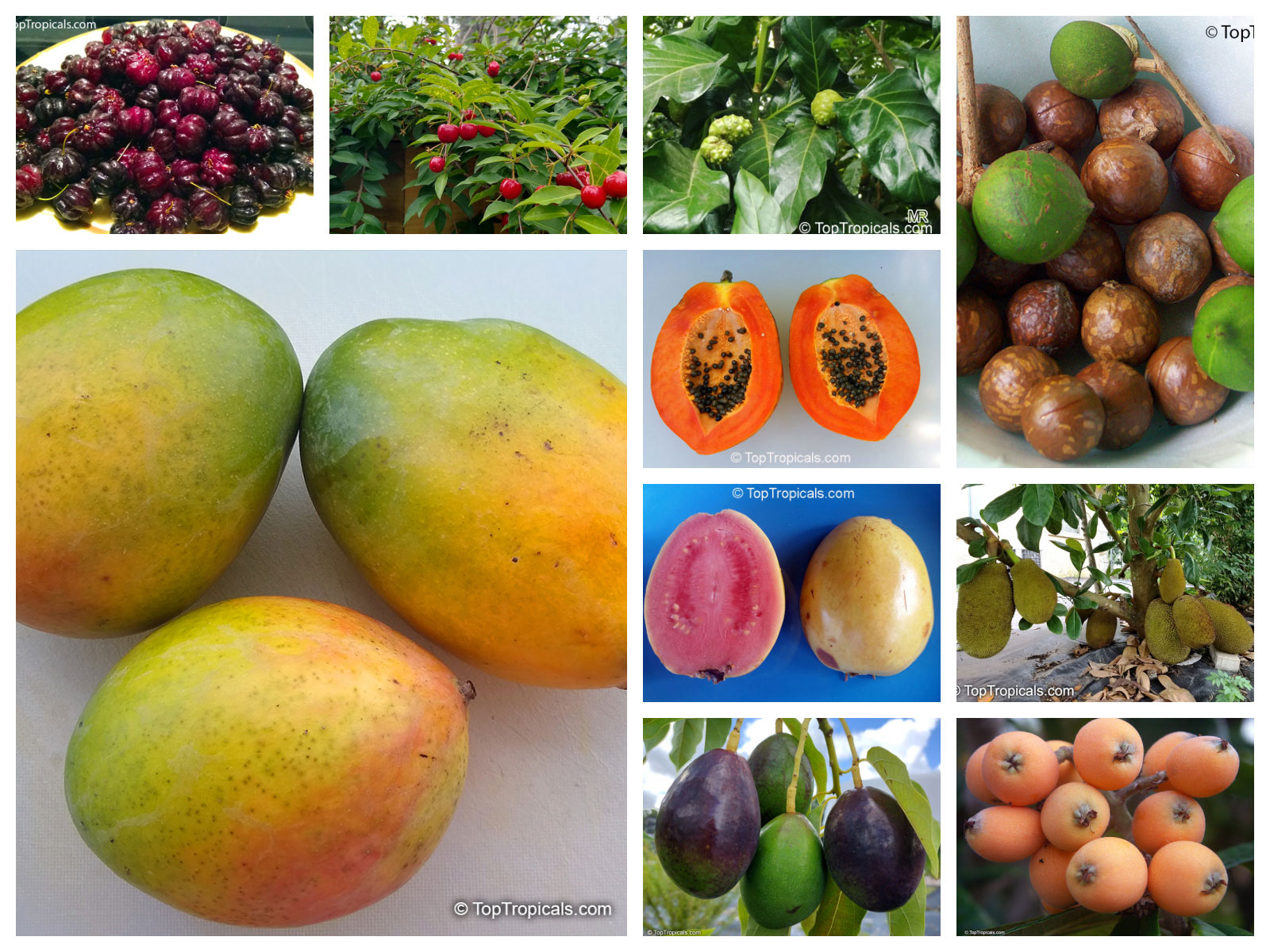
Papayas grow quickly and look like small trees. They are actually large herbs. This plant needs little care to thrive. You can start papayas from store-bought fruit tops.
Blackberries
Blackberry bushes produce fruit in the first year. They are fast and simple to grow. These berries add a sweet touch to your garden. They also offer fresh picking for snacks.
Citrus Varieties
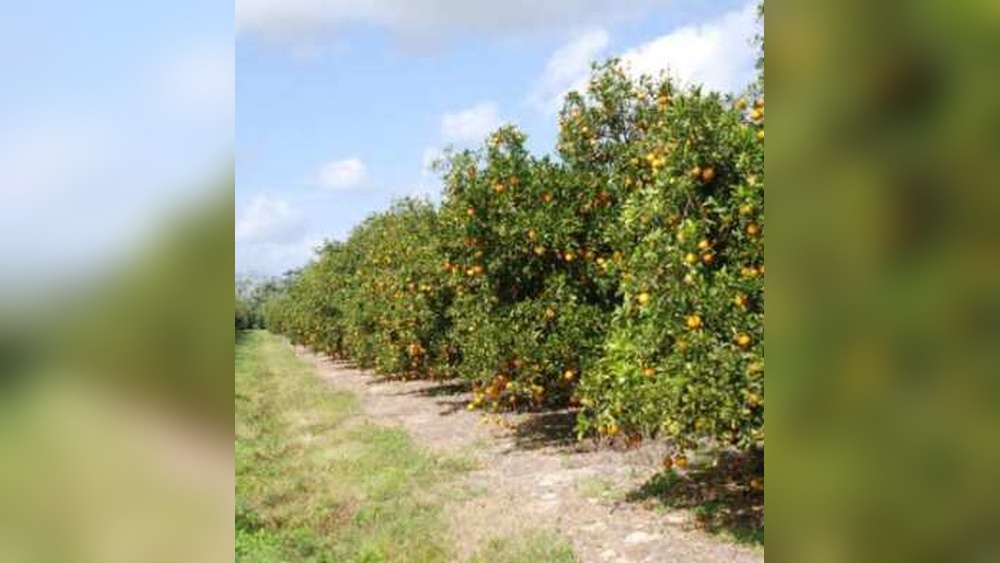
Citrus trees like Meyer lemons and Calamondin oranges do well. Dwarf types fit small spaces or containers. Florida soil and warmth help citrus fruits grow strong. They bring bright colors and fresh flavors.
Blueberries
Blueberry bushes like acidic soil, common in many parts. They grow well in pots or garden beds. Blueberries are tasty and nutritious. They add a pop of color and health benefits.
Pineapples
Pineapples grow easily from tops of store-bought fruit. They need little care and survive on neglect. Pineapples take about two years to fruit. Their suckers can be replanted to grow more plants.
Credit: gardenvive.com
Best Vegetables For Florida
Florida’s warm climate and long growing season make it perfect for many vegetables. Choosing the right vegetables ensures a healthy, productive garden. Some vegetables thrive better here due to heat, humidity, and soil conditions. Growing these vegetables can give you fresh, tasty produce right at home.
Broccoli And Cabbage
Broccoli and cabbage grow well in Florida’s cooler months. They prefer mild temperatures and can handle some heat. Plant these vegetables in fall or winter for best results. Both are rich in vitamins and add great nutrition to meals.
Corn And Beans
Corn and beans are classic garden staples that flourish in Florida. Corn needs plenty of sunlight and space to grow tall. Beans fix nitrogen in the soil, helping improve garden health. Plant them together for a natural growing partnership.
Kale And Brussels Sprouts
Kale and Brussels sprouts are cold-hardy and perfect for Florida’s winter garden. They grow best in cooler weather and can survive light frosts. Both vegetables are nutrient-dense and add variety to your diet.
Cucumbers And Peppers
Cucumbers and peppers love Florida’s warm, sunny days. They need well-drained soil and regular watering. These vegetables grow quickly and produce abundant harvests. Peppers come in many colors and flavors to spice up dishes.
Sweet Potatoes And Squash
Sweet potatoes and squash thrive in Florida’s long, hot summers. Sweet potatoes grow well in sandy soil and need little care. Squash plants spread out and produce many fruits. Both are versatile in cooking and store well after harvest.
Plants To Avoid In Florida Heat
Growing produce in Florida’s heat requires careful plant selection. Some vegetables struggle in high temperatures and humid conditions. Avoiding heat-sensitive plants saves time and effort. It also ensures a healthy, fruitful garden.
Carrots And Potatoes
Carrots dislike Florida’s hot climate. They prefer cooler soil to develop properly. High heat causes carrots to grow tough and bitter. Potatoes also face challenges in Florida’s heat. They need cool, moist soil to form tubers. Hot weather leads to poor yields and diseases.
Beets And Turnips
Beets and turnips are cool-season crops. They grow best in mild temperatures. Florida’s heat makes these roots bolt early. Bolting means plants flower too soon and stop producing roots. This reduces the harvest and lowers vegetable quality.
Credit: toptropicals.com
Soil And Climate Tips
Growing the best produce in Florida requires attention to soil and climate. Florida’s warm weather and unique soil types affect plant health and yield. Understanding these factors helps you choose the right crops and care methods. Here are some essential tips for soil and climate to get your garden thriving.
Soil Preparation
Florida soil often contains sand and clay. This mix drains quickly but may lack nutrients. Add organic matter like compost or peat moss to improve texture and fertility. Test soil pH regularly; most vegetables prefer a pH between 6.0 and 7.0. Raised beds can help with drainage and soil quality in poor areas.
Watering Needs
Florida’s heat causes fast evaporation, so plants need consistent watering. Deep watering encourages strong roots. Avoid shallow, frequent watering that can weaken plants. Use mulch to retain moisture and reduce watering frequency. Morning watering is best to prevent disease and water loss.
Sunlight Requirements
Most Florida produce needs full sun, about 6 to 8 hours daily. Some crops like leafy greens prefer partial shade during hot afternoons. Position plants according to their sunlight needs to avoid stress. Use shade cloth or natural shade for sensitive plants in summer.
Container Gardening Options
Container gardening offers a flexible way to grow fresh produce in Florida. It suits small spaces like patios, balconies, and urban yards. Containers help control soil quality and watering. You can move plants to catch the best sunlight or protect them from harsh weather.
Many fruit plants thrive in containers, making gardening easy and enjoyable. Choose the right container size and good soil for healthy growth. Regular feeding and watering keep plants productive. Here are some top container gardening options for Florida.
Dwarf Citrus Trees
Dwarf citrus trees fit perfectly in pots. They produce lemons, limes, oranges, or mandarins. These trees stay small but yield plenty of fruit. Citrus trees need full sun and well-drained soil. Containers allow easy control of water and nutrients. They also help protect trees from cold snaps.
Choose a large pot with drainage holes. Use citrus-specific fertilizer for best results. Prune lightly to keep shape and encourage fruiting. Dwarf citrus trees add beauty and fresh fruit to any space.
Blueberries In Pots
Blueberries grow well in containers with acidic soil. Use a potting mix designed for acid-loving plants. Blueberries need at least six hours of sunlight daily. Keep soil moist but not soggy for healthy roots. Fertilize with a fertilizer for acid-loving plants during growing season.
Choose dwarf or half-high blueberry varieties suited for pots. Protect plants from extreme heat by moving pots to shaded spots. Blueberries add color and nutrition to container gardens.
Growing Figs In Containers
Figs adapt well to container life and Florida’s warm climate. They need full sun and well-draining soil. Choose a wide, deep pot for root space. Figs tolerate drought but prefer regular watering during fruiting.
Fertilize monthly in spring and summer to boost growth. Prune to control size and shape. Container figs produce sweet fruit and fit well in small gardens or patios.
Quick Harvest Choices
Growing produce that matures quickly is ideal for Florida gardeners eager to enjoy fresh fruits soon. These plants adapt well to Florida’s warm climate and deliver fast results. They also require minimal care, making them great for beginners and busy gardeners alike.
Blackberries
Blackberries grow fast in Florida’s heat and humidity. They can produce fruit in the first year. The bushes spread easily, filling your garden with delicious berries. They need full sun and well-drained soil. Regular watering helps the berries stay juicy and sweet.
Strawberries
Strawberries thrive in Florida’s mild winters. They grow quickly and bear fruit within a few months. Plant them in raised beds or containers for best results. Strawberries need consistent moisture and sunlight. They reward gardeners with bright, tasty berries perfect for fresh eating or desserts.
Autumn Raspberries
Autumn raspberries are a good choice for a late-season harvest. They fruit from late summer through fall. These raspberries handle Florida’s heat better than summer varieties. Plant them in a sunny spot with rich soil. Prune regularly to encourage new growth and more fruit.
Propagation And Maintenance
Propagation and maintenance are key to a thriving Florida garden. Proper techniques help plants grow strong and bear fruit sooner. Understanding simple methods saves time and effort. This section explains easy ways to grow plants and keep them healthy.
Growing From Cuttings
Cuttings are a quick way to grow new plants. Choose healthy stems from mature plants. Cut a 6-8 inch piece with a sharp tool. Remove leaves from the lower half. Plant the cutting in moist soil or water. Keep it in shade until roots form. This method works well for figs and papayas.
Using Suckers And Pups
Suckers and pups are natural offshoots from parent plants. Bananas and pineapples produce these often. Gently remove suckers with some roots attached. Plant them in well-drained soil with sunlight. They grow fast and start fruiting within a year. This method multiplies plants without buying seeds.
Low-maintenance Practices
Choose plants that suit Florida’s hot climate. Use mulch to keep soil moist and cool. Water deeply but less often to save water. Fertilize with organic compost to boost growth. Prune dead or crowded branches regularly. These steps reduce work and keep plants healthy year-round.

Credit: www.revivalgardening.com
Frequently Asked Questions
What Is The Easiest Fruit To Grow In Florida?
Bananas, figs, and papayas are the easiest fruits to grow in Florida. They thrive in heat, need little care, and bear fruit quickly. Blackberries and dwarf citrus like Meyer lemons also grow well with minimal effort.
What’s The Easiest Vegetable To Grow In Florida?
Kale, cucumbers, and sweet potatoes grow easily in Florida’s warm climate. They need minimal care and thrive quickly.
What’s The Best Crop To Grow In Florida?
Tomatoes, peppers, and cucumbers thrive best in Florida’s warm, humid climate. Citrus fruits like oranges also grow well.
What Vegetables Don’t Grow Well In Florida?
Root vegetables like carrots and potatoes struggle in Florida’s sandy soil. Cool-season crops such as broccoli, cauliflower, and spinach also perform poorly due to heat. These vegetables require cooler temperatures and well-drained soil, which Florida’s climate rarely provides.
Conclusion
Growing produce in Florida offers many easy and rewarding choices. Bananas, figs, and papayas thrive well in the warm, humid climate. Blackberries and citrus trees also grow quickly with little effort. Pineapples and blueberries suit container gardening and small spaces.
Choosing the right plants helps you enjoy fresh, homegrown fruit year-round. Start simple, watch your garden grow, and enjoy Florida’s rich harvest. Gardening here can be fun and fruitful for everyone.