If you’re thinking about growing peppers in Florida, you want to pick the right varieties that thrive in the Sunshine State’s heat and humidity. Not all peppers handle Florida’s unique climate well, so choosing the best types can make the difference between a bumper crop and a disappointing harvest.
Whether you love sweet bell peppers or crave a spicy kick, this guide will help you find peppers that grow strong and healthy in your Florida garden. Keep reading to discover which peppers will flourish in your yard and how to get the most from your planting season.
Florida Climate And Peppers
Florida’s climate plays a big role in growing peppers successfully. The state’s warm and humid weather affects how peppers grow and produce fruit. Understanding the climate helps gardeners pick the best pepper types for their gardens.
Climate Challenges For Peppers
Florida’s heat can stress pepper plants, causing slow growth. High humidity increases the risk of fungal diseases. Heavy rains may lead to root rot and other problems. Peppers need good air circulation to avoid disease in wet conditions. Strong sun can sometimes burn pepper leaves and fruits. Gardeners must watch for pests that thrive in warm weather.
Benefits Of Florida’s Subtropical Weather
Florida’s long growing season lets peppers mature fully. Warm temperatures speed up pepper flowering and fruiting. Mild winters allow some pepper varieties to survive year-round. The climate supports many types of sweet and hot peppers. Plenty of sunshine helps peppers develop rich colors and flavors. Gardeners can grow multiple pepper crops each year with care.

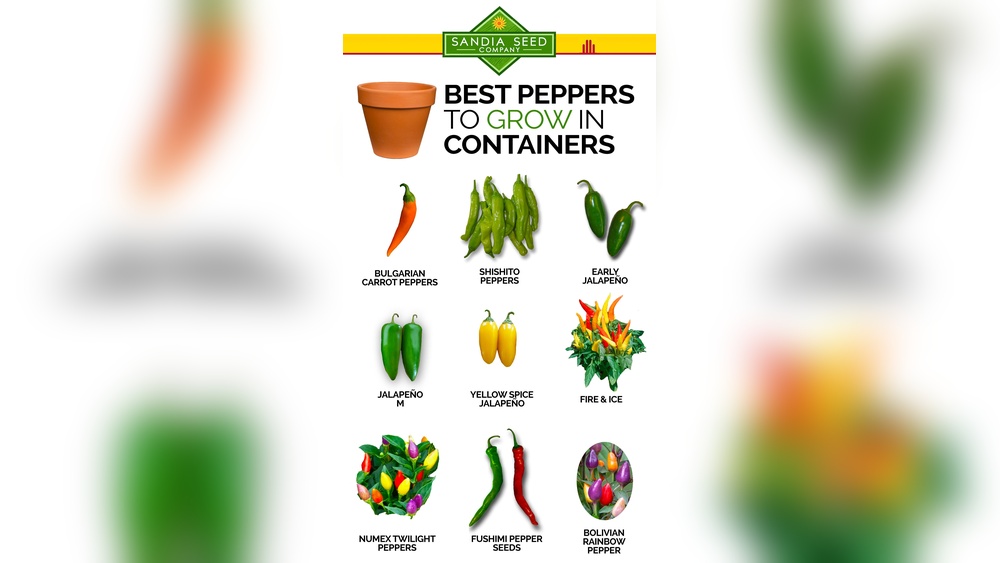
Credit: www.sandiaseed.com
Top Bell Pepper Varieties
Bell peppers thrive in Florida’s warm climate. Choosing the right variety ensures a healthy harvest. These peppers offer sweet, crunchy fruits perfect for salads and cooking. Below are some top bell pepper varieties that grow well in Florida gardens.
California Wonder
California Wonder is a classic bell pepper variety. It produces large, blocky fruits with thick walls. The peppers start green and ripen to bright red. This variety is known for its sweet flavor and crisp texture. It grows well in Florida’s hot weather with proper care.
Red Knight
Red Knight peppers are reliable and high-yielding. They grow into medium to large fruits that turn deep red when ripe. This variety resists many common diseases. It adapts well to Florida’s humid conditions. The peppers have a sweet taste and firm flesh, great for fresh eating.
Big Bertha
Big Bertha is famous for its very large bell peppers. The fruits have thick walls and a sweet, mild flavor. This variety handles heat better than many others. It produces heavy crops, making it a favorite for Florida gardeners. Big Bertha peppers are excellent for stuffing or slicing.
Heat-tolerant Sweet Peppers
Heat-tolerant sweet peppers thrive in Florida’s hot climate. They produce sweet, crunchy fruits even during warm weather. These peppers resist heat stress better than other types. Growing heat-tolerant varieties ensures a good harvest in Florida gardens. Choose peppers that handle high temperatures well for best results.
Varieties Suited For High Temperatures
‘California Wonder’ is a popular heat-tolerant sweet pepper. It produces large, blocky fruits with thick walls. ‘Red Knight’ offers bright red peppers with a sweet flavor. ‘Big Bertha’ grows big, bell-shaped peppers that stay sweet in heat. ‘Gypsy’ peppers mature quickly and resist hot weather. These varieties keep producing even in Florida’s summer heat.
Planting Tips For Heat Stress
Plant peppers in well-drained soil rich in organic matter. Water deeply but avoid waterlogging the roots. Mulch around plants to keep soil cool and moist. Provide partial shade during the hottest part of the day. Space plants well to improve air circulation. Fertilize regularly with a balanced nutrient mix. Monitor plants for signs of heat stress like wilting or leaf curl. Early morning watering helps reduce heat damage.
Credit: livingcolorgardencenter.net
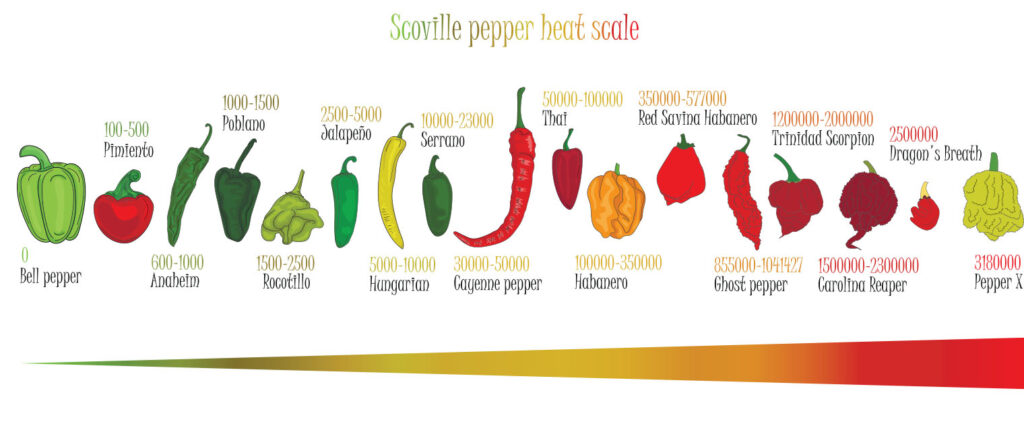
Popular Hot Peppers In Florida
Florida’s warm climate suits many hot pepper varieties. Some peppers thrive naturally here and add unique flavors to dishes. These popular hot peppers have adapted well to Florida’s weather. They bring heat and distinct tastes to local gardens and kitchens.
Datil Pepper
The Datil pepper is famous in Florida, especially near St. Augustine. It has a sweet, fruity flavor with a sharp heat. This pepper is small, yellow-orange, and grows in clusters. Gardeners prize it for its unique taste and moderate heat level. It ripens well in Florida’s warm climate and adds zest to many recipes.
Bird Pepper
Bird pepper is a native Florida pepper, known scientifically as Capsicum annuum var. glabriusculum. It is a small shrub producing tiny, very hot peppers year-round. Birds eat the fruit and help spread the seeds. This pepper is perfect for gardeners wanting a native, hardy hot pepper. It is often used fresh or dried in spicy sauces.
Florida Grove Pepper
The Florida Grove pepper is an evergreen shrub that produces hot, flavorful peppers. It grows well in Florida’s subtropical climate. The peppers have a strong heat and a bold flavor, ideal for adding spice to dishes. This pepper is less common but valued by those who like intense heat and rich taste in their garden harvest.
Native Pepper Varieties
Florida’s climate supports several native pepper varieties that thrive naturally here. These peppers have adapted well to the heat and humidity of the region. Growing native peppers helps preserve local plant heritage and supports wildlife. Native peppers often require less care and resist local pests better. Below are three notable native pepper varieties that grow well in Florida gardens.
Bird Pepper’s Unique Traits
Bird Pepper, known scientifically as Capsicum annuum var. glabriusculum, is a small evergreen shrub. It produces tiny, bright red peppers that are very hot. This plant flowers and fruits year-round in Florida’s warm climate. Birds, especially mockingbirds, eat the fruit and spread the seeds. This natural seed dispersal helps Bird Pepper grow wild across Florida.
Florida Grove Pepper Characteristics
Florida Grove Pepper is an evergreen shrub with a strong, spicy flavor. This pepper is not a true native but has been growing in Florida for many years. It produces hot peppers that add heat to many local dishes. The plant thrives in Florida’s soil and weather. It offers gardeners a reliable choice for spicy peppers that handle heat well.
Datil Pepper’s Cultural Significance
Datil Pepper is famous in the St. Augustine area and has a unique sweet and spicy taste. It is a cultivated variety, not a wild native. Datil Peppers play an important role in Florida’s culinary culture. They are often used in sauces and recipes that highlight their special flavor. Gardeners value Datil Peppers for their heat and distinct aroma.
Planting And Growing Tips
Growing peppers in Florida needs some care and attention. Understanding the right planting times, soil needs, and pest control helps you get better harvests. Follow these tips to grow healthy, flavorful peppers in your Florida garden.
Best Planting Times
Plant peppers in early spring after the last frost date. In Florida, this usually means late February to early April. For a fall crop, plant from July to August. Warm soil and air temperatures help seeds sprout and plants grow strong. Avoid planting during the hottest summer months. Peppers do best with steady, warm weather but not extreme heat.
Soil And Water Requirements
Peppers prefer well-drained soil rich in organic matter. Sandy loam or loamy soil works best in Florida. Maintain a soil pH between 6.0 and 6.8 for optimal growth. Water peppers regularly to keep the soil moist but not soggy. Mulch around plants to conserve moisture and reduce weeds. Avoid overwatering as it can cause root rot and other problems.
Pest And Disease Management
Watch out for common pests like aphids, spider mites, and pepper weevils. Use insecticidal soap or neem oil to control infestations. Rotate crops each year to reduce disease risk. Keep plants spaced well for good air circulation. Remove any diseased leaves or plants immediately. Use resistant pepper varieties to reduce problems with bacterial spot and blight.
Harvesting And Using Peppers
Harvesting peppers at the right time ensures the best flavor and texture. Using your homegrown peppers adds fresh taste to many dishes. Proper preservation keeps peppers available beyond the growing season.
When To Harvest
Peppers are ready to pick when they reach full size. Color changes from green to red, yellow, or orange signal ripeness. Pick peppers carefully to avoid damaging the plant. Use scissors or garden shears to snip peppers off. Harvest regularly to encourage more fruit growth.
Culinary Uses Of Florida Peppers
Florida peppers suit many recipes, from salads to cooked meals. Sweet peppers add crunch and color to fresh dishes. Hot peppers bring spice to sauces, salsas, and marinades. Roast or grill peppers to enhance their smoky flavor. Use fresh peppers for vibrant taste and crisp texture.
Preservation Methods
Dry peppers by hanging them in a warm, dry place. Freeze chopped peppers in airtight containers for later use. Pickling peppers adds a tangy, crunchy option for meals. Store dried peppers in sealed jars away from light. Proper preservation keeps peppers flavorful for months.
Companion Plants For Peppers
Companion planting helps peppers grow stronger and healthier in Florida gardens. Some plants improve soil, repel pests, or attract helpful insects near peppers. Knowing which companions suit peppers boosts your garden’s success. Peppers benefit from nearby plants that share similar needs and protect them naturally.
Vegetables That Thrive Together
Tomatoes and peppers grow well side by side. Both enjoy warm weather and similar watering. Beans fix nitrogen in the soil, feeding pepper plants naturally. Carrots grow well near peppers without competing for space. Lettuce is another good neighbor, using shade from taller peppers. Avoid planting peppers near fennel; it can stunt their growth.
Maximizing Garden Space
Use companion plants to fill gaps and save space. Plant fast-growing greens like spinach between pepper rows. Herbs such as basil and oregano fit well near peppers and improve flavor. Marigolds deter pests and add color while protecting peppers. Vertical gardening with beans or peas can free up ground space. This way, you grow more in less area efficiently.
Credit: www.homegrown-peppers.com
Frequently Asked Questions
What Peppers Grow Well In Florida?
Bell peppers like ‘California Wonder’, ‘Red Knight’, and ‘Big Bertha’ thrive in Florida. Hot varieties such as Bird Pepper and Datil also grow well in Florida’s warm climate.
What Is The Easiest Crop To Grow In Florida?
Kale, lettuce, green onions, radishes, and peppers grow easily in Florida’s warm climate. These crops thrive with minimal care.
What Pepper Is Native To Florida?
The Bird Pepper (Capsicum annuum var. Glabriusculum) is the only true pepper native to Florida. It is a small, evergreen shrub producing hot peppers year-round. The Datil pepper, popular in St. Augustine, is cultivated but not truly native. Florida Grove Pepper is another native variety.
What Grows Well In Florida Heat?
Peppers like California Wonder, Red Knight, and Big Bertha grow well in Florida heat. Datil and Bird peppers also thrive. Kale, lettuce, onions, radishes, spinach, sweet potatoes, and tomatoes suit Florida’s warm climate. These plants tolerate heat and produce abundant yields in Florida gardens.
Conclusion
Choosing the right peppers can make your Florida garden thrive. Sweet varieties like California Wonder suit warm weather well. Hot peppers such as Datil add unique flavor and spice. Native Bird Peppers bring resilience and year-round harvests. Plant peppers that handle heat and humidity best.
Regular watering and good soil improve growth and taste. Enjoy fresh, homegrown peppers in your meals daily. Start planting now for a colorful, tasty garden soon.