If you live in South Florida and want to grow peppers, choosing the right varieties is key to a successful garden. The heat, humidity, and long growing seasons here can be tough on many plants, but peppers actually thrive when you pick the ones suited for this climate.
Whether you love sweet bell peppers or crave spicy hot peppers, knowing which types perform best will save you time, effort, and frustration. In this guide, you’ll discover the best peppers to grow in South Florida—varieties that handle the heat, resist local pests, and produce a great harvest.
Ready to turn your garden into a pepper paradise? Keep reading to find the perfect peppers for your South Florida home.
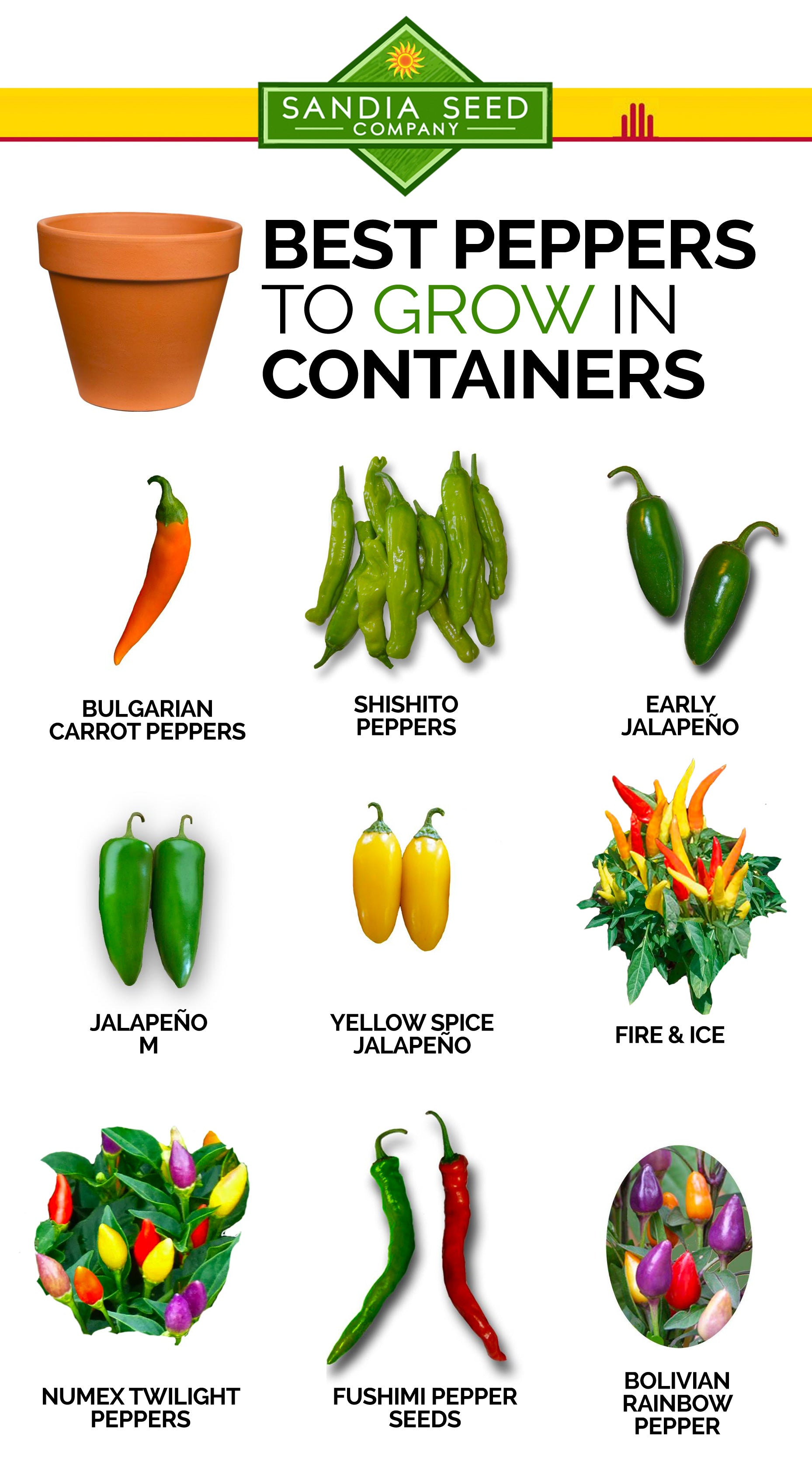
Credit: www.sandiaseed.com
Sweet Peppers For South Florida
Sweet peppers thrive in South Florida’s warm climate. They add color, crunch, and mild flavor to many dishes. These peppers grow well in the region’s long, sunny days and well-drained soil. Gardeners enjoy harvesting fresh, sweet peppers for salads, grilling, and stuffing.
Choosing the right sweet pepper varieties helps ensure a healthy, productive garden. The following types perform best in South Florida’s unique conditions.
California Wonder
California Wonder is a classic bell pepper variety. It produces large, blocky fruits that turn bright red when ripe. This variety grows well in warm climates and resists common diseases. It offers a sweet, crisp flavor perfect for fresh eating or cooking.
Red Knight
Red Knight peppers mature to a deep red color. They have thick walls and a sweet, juicy taste. This variety tolerates heat and humidity well. Red Knight peppers are great for salads and roasting.
Big Bertha
Big Bertha is known for its huge, thick-walled fruits. The peppers turn bright red and have a sweet flavor. It grows strong in South Florida’s heat. This variety works well for stuffing or slicing fresh.
Sweet Banana
Sweet Banana peppers are long and slender with a mild taste. They ripen from pale yellow to orange or red. This variety thrives in warm weather and adds a tangy sweetness to dishes. Pick them fresh or use for pickling.
Giant Marconi
Giant Marconi peppers are large, elongated, and sweet. They start green and turn red as they mature. These peppers grow well in sunny, warm spots. They are excellent for grilling, stuffing, or frying.
Mariachi
Mariachi peppers have a deep red color and a sweet flavor. They feature thick walls and a crunchy texture. This variety grows well in hot climates and produces high yields. Use them fresh or cooked in many recipes.
Cubanelle
Cubanelle peppers are light green and have a mild, sweet taste. They grow well in South Florida’s heat and humidity. This pepper is popular for frying and stuffing. It adds a delicate flavor to many dishes.
Hot Peppers That Thrive
South Florida’s warm and humid climate favors many hot pepper varieties. These peppers handle the heat and thrive in sunny gardens. Growing hot peppers here brings spicy flavors straight to your kitchen. Choose varieties that resist pests and diseases well. Enjoy a steady harvest of heat throughout the season.
Jalapeño And Serrano
Jalapeños grow well in South Florida’s heat. They produce medium-sized peppers with mild to moderate heat. Serrano peppers are similar but pack more punch. Both varieties mature quickly and resist humidity problems. They suit gardens and containers alike. Perfect for fresh salsas and cooking.
Habanero And Naga
Habanero peppers love South Florida’s warm weather. They bring intense heat with fruity flavors. Naga peppers are even hotter and have a smoky taste. These peppers need full sun and well-drained soil. They thrive in raised beds or pots. Great for those who prefer fiery dishes.
Datil Pepper
Datil pepper is a South Florida favorite. It offers a unique sweet heat that is less sharp. This pepper grows well in the region’s sandy soils. It needs regular watering and sunlight. Datils add flavor to sauces and marinades. They are a must-try for local gardeners.
Super Hot Varieties
Super hot peppers like Ghost and Carolina Reaper grow in South Florida. These varieties require extra care and space. They demand rich soil and steady watering. Their extreme heat is popular with chili lovers. Plant super hots for a thrilling garden challenge.
Planting Seasons
Understanding the right planting seasons helps peppers thrive in South Florida’s climate. Peppers need warm soil and stable temperatures to grow well. Timing your planting boosts growth and yields. Planning with regional differences in mind increases success.
Best Months In South Florida
In South Florida, plant peppers from August to September. This period offers warm soil and less chance of frost. Peppers planted now take advantage of the long growing season. Avoid planting during cooler months or heavy rains to prevent stress on plants.
Timing For Central And North Florida
Central and North Florida have cooler winters than the south. Plant peppers in February or March for spring crops. A second planting can happen from July to September. This timing avoids frost and makes use of warmer summer temperatures. Adjust planting based on local weather patterns.
Starting Seeds Indoors
Start pepper seeds indoors 6 to 8 weeks before the last frost date. Use seed trays or small pots with good drainage. Keep seeds warm and moist until they sprout. Transplant seedlings outside when they reach 4 to 6 inches tall. Harden seedlings by gradually exposing them to outdoor conditions.

Credit: www.sandiaseed.com
Growing Tips For South Florida
Growing peppers in South Florida requires understanding the unique climate and soil conditions. The region’s heat and humidity challenge many plants. Peppers need special care to thrive here. Following proper techniques improves yield and plant health.
This section covers essential tips for growing peppers successfully in South Florida. Learn how to manage heat, prepare soil, water correctly, and handle pests and diseases.
Heat And Humidity Tolerance
Choose pepper varieties that handle heat well. Peppers like jalapeño and habanero adapt to warm conditions. High humidity can cause fungal problems. Plant peppers where they get morning sun and afternoon shade. Good air flow reduces moisture buildup on leaves.
Soil Preparation
Peppers grow best in loose, well-drained soil. Add organic matter like compost to improve soil quality. Test soil pH and adjust to 6.0 to 6.8 for optimal growth. Avoid heavy clay soils that hold water. Raised beds help improve drainage in South Florida gardens.
Watering Practices
Water peppers deeply but infrequently. Keep soil moist but not soggy to prevent root rot. Early morning watering reduces evaporation and leaf wetness. Use mulch to retain soil moisture and control weeds. Avoid overhead watering to minimize fungal diseases.
Pest And Disease Management
Inspect plants regularly for pests like aphids and spider mites. Use insecticidal soap or neem oil for control. Remove infected leaves to stop disease spread. Rotate crops to reduce soil-borne diseases. Keep garden clean and free of debris to lower pest risks.
Container Gardening
Container gardening offers a perfect way to grow peppers in South Florida. It suits small spaces like balconies and patios. Containers help control soil quality and moisture levels easily. You can move plants to catch the best sun or shade throughout the day.
Growing peppers in containers also reduces pest problems and soil diseases. It allows you to try different pepper varieties without needing a large garden bed. This method fits the South Florida climate well, where heat and humidity can be intense.
Choosing The Right Containers
Pick containers with good drainage holes to avoid waterlogging. Use pots that are at least 12 inches deep and wide. Bigger containers support healthy root growth and bigger pepper plants. Clay, plastic, or fabric pots work well, but fabric pots dry out faster.
Choose lightweight containers if you need to move plants often. Dark-colored pots absorb more heat and can stress roots. Light-colored containers keep the soil cooler in hot South Florida sun.
Soil Mix Recommendations
Use well-draining soil to keep roots healthy and prevent rot. Mix potting soil with compost and perlite or sand for good drainage. Avoid garden soil alone, as it can be too heavy for containers.
Adding organic matter improves nutrients and water retention. Peppers prefer slightly acidic to neutral soil with a pH around 6.0 to 7.0. Fertilize regularly with a balanced fertilizer for best growth.
Sunlight Requirements
Peppers need at least 6 hours of direct sunlight daily. South Florida’s bright sun supports strong pepper growth. Place containers in a spot with morning sun and some afternoon shade.
Too much harsh afternoon sun can stress plants and cause leaf burn. Rotate containers occasionally to ensure even sunlight exposure. Proper light helps peppers produce more fruit and stay healthy.
Credit: livingcolorgardencenter.net
Harvesting And Storage
Harvesting and storing peppers properly ensures the best flavor and longest shelf life. Knowing when to pick and how to handle peppers helps maintain their quality. This section covers the signs of maturity, harvesting techniques, and storing fresh peppers for South Florida gardeners.
Signs Of Maturity
Peppers change color as they ripen, from green to red, yellow, or orange. Firmness is a key sign; mature peppers feel solid but slightly soft to the touch. The skin should be smooth and shiny without wrinkles. Size also indicates readiness; check the seed packet for expected dimensions. Harvesting too early leads to less flavor and fewer nutrients.
Harvesting Techniques
Use sharp scissors or garden shears to cut peppers from the plant. Avoid pulling or twisting, which can damage the plant. Leave a small stem attached to the pepper to extend freshness. Harvest in the morning when temperatures are cooler. Handle peppers gently to avoid bruising, which shortens storage life.
Storing Fresh Peppers
Store peppers in a cool, dry place or in the refrigerator’s crisper drawer. Place them in a plastic bag with small air holes to maintain moisture. Avoid washing peppers before storage; wash only before use. Fresh peppers usually last one to two weeks in the fridge. For longer storage, consider freezing or drying them.
Popular Pepper Uses
Peppers are versatile vegetables that add color and flavor to many dishes. Growing peppers in South Florida offers a chance to enjoy fresh, homegrown produce with unique tastes. People use peppers in various ways, from cooking to preserving. Each type of pepper brings its own charm to the kitchen and beyond.
Cooking With Sweet Peppers
Sweet peppers are mild and colorful. They make salads brighter and add crunch to sandwiches. Roasting sweet peppers brings out a smoky flavor. Stuffed peppers, filled with rice or meat, make hearty meals. They also work well in stir-fries and pasta dishes. Sweet peppers blend easily with many ingredients, enhancing the taste without heat.
Hot Peppers In Recipes
Hot peppers add spice and excitement to food. Jalapeños and habaneros are popular choices in South Florida. They can be diced into salsas or sauces for a fiery kick. Hot peppers also spice up soups and stews. Use them sparingly to control the heat level. Pickling hot peppers preserves their sharp taste for later use.
Preserving And Pickling
Preserving peppers extends their shelf life and flavor. Pickling peppers is a simple way to enjoy them year-round. Sweet or hot peppers soak in vinegar and spices, creating tangy snacks. Frozen peppers keep their taste for cooking later. Drying hot peppers produces spicy flakes or powders, perfect for seasoning. Preserved peppers add zest to any meal.
Frequently Asked Questions
What Peppers Grow Best In South Florida?
Sweet bell peppers like ‘California Wonder’, ‘Red Knight’, and ‘Big Bertha’ thrive in South Florida. Hot peppers such as jalapeño, habanero, and datil also grow well in the region’s heat and humidity. Choose heat-tolerant varieties for best results.
What Is The Best Time To Plant Peppers In Florida?
Plant peppers in Florida from February to March or July to September in central and north regions. In South Florida, plant from August to September for best results.
What Is The Easiest Vegetable To Grow In South Florida?
Collards, peppers, tomatoes, and broccoli grow easiest in South Florida’s warm climate. Start seeds in September and transplant after six weeks.
Do Jalapeños Grow Well In Florida?
Jalapeños grow well in Florida’s warm, humid climate. They thrive in summer heat and produce consistently. Plant in late summer for best results.
Conclusion
Choosing the right peppers makes gardening in South Florida easier and more fun. Varieties like bell, sweet, and hot peppers handle the heat well. Plant them during the best seasons for strong growth. Regular care helps peppers thrive despite Florida’s weather.
Growing peppers adds fresh flavors straight from your garden. Start small, watch your plants grow, and enjoy the harvest. Peppers suit both new and experienced gardeners here. Try different types to find your favorites. Gardening success is just a few seeds away.