Remember that disappointing summer? The blistering heat seemed to fry everything, and your garden just couldn’t keep up. The good news? Fall in Florida offers a fantastic opportunity to start fresh and grow a bounty of delicious produce. With cooler temperatures and less intense sunlight, many best fall vegetables to grow in Florida thrive. This guide will walk you through the top choices, ensuring a successful harvest. You’ll gain valuable insights, learn essential tips, and discover how to create your own flourishing fall garden. Prepare to experience the joy of fresh, homegrown food and a thriving garden!
The 10 Top Fall Vegetables to Grow in Florida
Florida’s climate presents unique challenges and opportunities for gardeners. The warm, humid conditions during the fall and winter months create a favorable environment for various vegetables. Selecting the right varieties is key to a successful harvest. This list features ten of the best fall vegetables to grow in Florida, along with detailed growing instructions, tips for success, and insights into common challenges. From leafy greens to root vegetables, this list offers a diverse selection to satisfy any gardener’s appetite. You’ll explore the ideal planting times, soil preferences, and pest management strategies to maximize your yields. Whether you’re a seasoned gardener or just starting, this guide will provide the knowledge and inspiration you need to transform your backyard into a thriving vegetable garden.
1. Broccoli: A Cool-Season Champion
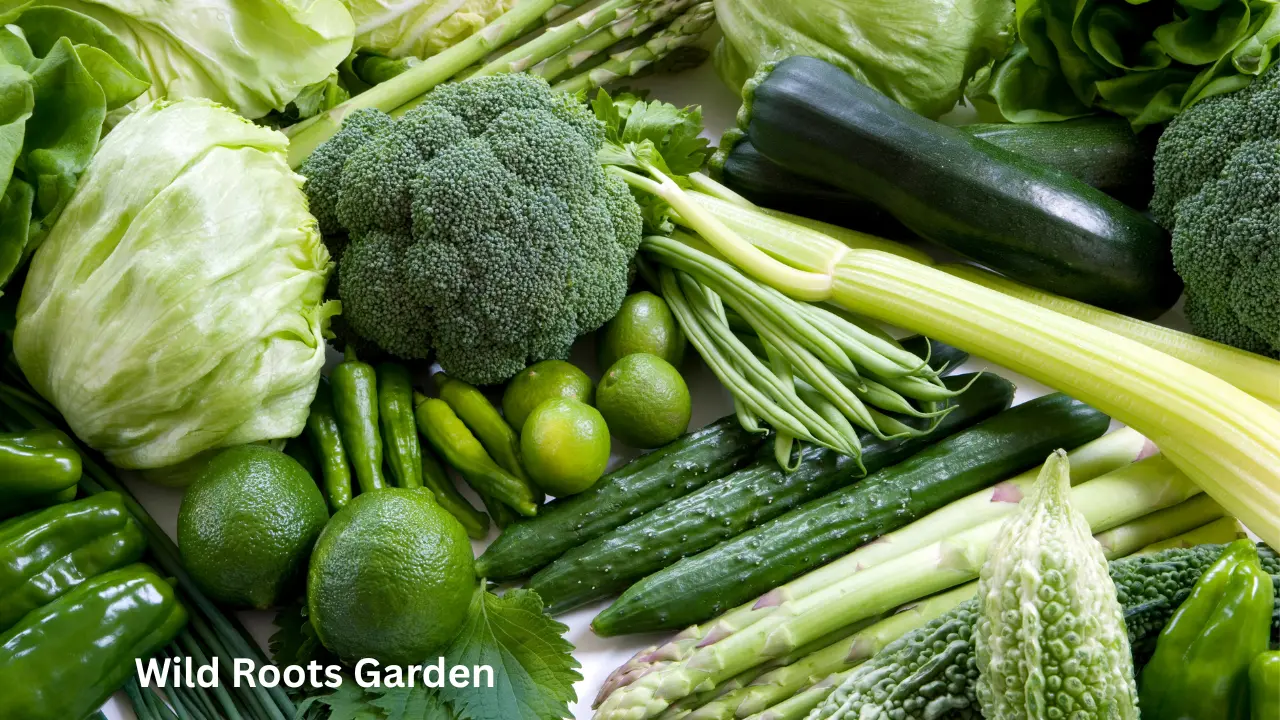
Broccoli is a nutritional powerhouse and one of the best fall vegetables to grow in Florida. It thrives in cooler temperatures and benefits from the milder climate. Planting broccoli in the fall allows the plants to mature before the harshest conditions of summer arrive. Broccoli’s distinctive head and tasty florets make it a favorite choice for home gardens and culinary dishes.
Broccoli’s growth depends on consistent moisture and proper soil conditions. It’s often compared to its close relative, cauliflower, but it features a greener head and can be slightly easier to grow. Success in growing broccoli in Florida requires specific considerations to manage pests and diseases that can thrive in a warmer climate.
Broccoli Growing Essentials
- Planting Time: Start seeds indoors about 4-6 weeks before the first expected frost or transplant seedlings in September or October.
- Soil Requirements: Broccoli needs well-draining soil with a pH between 6.0 and 7.0. Amend the soil with compost to improve drainage and fertility.
- Watering Needs: Keep the soil consistently moist, especially during head formation. Mulching helps retain moisture.
Broccoli provides a generous harvest if it is well cared for. In addition to being very tasty, broccoli can be incorporated into a wide variety of meals, from stir-fries to roasted side dishes. The flavor is slightly bitter and earthy, and it complements many different foods.
2. Cauliflower: The Delicate Relative
Cauliflower, closely related to broccoli, is another excellent choice for fall gardening in Florida. Growing cauliflower requires a bit more care than broccoli, but the reward is a beautiful, edible head. Cauliflower comes in various colors, including white, purple, and orange, offering both visual appeal and culinary versatility.
Cauliflower heads are sensitive to sunlight and need to be blanched to prevent discoloration. This involves covering the head with leaves as it grows. The taste and texture of cauliflower make it a perfect ingredient for many dishes, including roasting, steaming, and pureeing. Cauliflower can be more challenging to grow, and it may take patience to protect it from pest and disease issues.
Cauliflower Growing Tips
- Variety Selection: Choose heat-tolerant varieties like ‘Snow Crown’ or ‘Cheddar’ for Florida’s climate.
- Blanching: Once the head starts to form, tie the outer leaves together to protect it from the sun.
- Pest Control: Watch out for cabbage loopers and aphids. Use organic pest control methods when necessary.
Cauliflower is a great source of vitamins and nutrients. It can be a great addition to your garden and will provide a rewarding harvest. Its mild flavor pairs well with spices, and it’s a great choice for various diets. Growing cauliflower is achievable in Florida with the correct knowledge and care.
3. Lettuce: Leafy Greens Delight
Lettuce is a quintessential cool-season vegetable and one of the easiest best fall vegetables to grow in Florida. It thrives in the mild temperatures and can provide a steady supply of fresh leaves throughout the fall and winter months. The diverse range of lettuce varieties, from crisp iceberg to tender butter lettuce, offers a variety of flavors and textures.
Growing lettuce is relatively simple, as it can be directly seeded in the garden or started as seedlings. The key to successful lettuce cultivation is consistent watering and protection from heat. Lettuce is usually used in salads, wraps, and side dishes. Its mild flavor makes it a versatile ingredient, and it’s also packed with vitamins and minerals.
Lettuce Growing Best Practices
- Planting Methods: Sow seeds directly in the ground every few weeks for a continuous harvest.
- Shade: Provide partial shade, especially during the warmer parts of the day.
- Harvesting: Harvest outer leaves as needed for a “cut-and-come-again” harvest.
Consider the different types of lettuce. Each type has its benefits, and each can be grown in Florida with consistent care. You can harvest lettuce throughout the fall and winter to enjoy fresh salads.
4. Spinach: The Nutrient-Rich Option
Spinach is another leafy green that flourishes in the cooler temperatures of fall in Florida. It’s a nutritional powerhouse, packed with vitamins, minerals, and antioxidants. Spinach grows quickly and can provide multiple harvests throughout the season. Its versatility makes it suitable for salads, cooked dishes, and smoothies.
Spinach is very easy to grow from seeds, and it thrives in well-drained soil that is rich in organic matter. Mulching helps retain moisture, and regular watering ensures healthy growth. Spinach leaves can be harvested at any stage of growth, from baby spinach to fully mature leaves.
Spinach Growing Highlights
- Soil Preparation: Enrich the soil with compost or well-rotted manure before planting.
- Watering: Ensure the soil stays consistently moist, but not waterlogged.
- Pest Awareness: Protect young plants from pests like aphids and slugs.
Spinach is a versatile vegetable that is excellent for your garden. Its nutritious benefits and simple cultivation make it an excellent choice for any gardener. It also gives you the option to use it in many different meals.
5. Kale: The Hardy Green
Kale is a cool-season superstar known for its hardiness and nutritional benefits. As one of the best fall vegetables to grow in Florida, kale thrives in the cooler temperatures and can tolerate a bit more heat than some other leafy greens. It’s available in several varieties, each with its unique flavor and texture. Kale is a versatile ingredient, excellent in salads, smoothies, or cooked dishes.
Kale plants are relatively easy to care for and can tolerate a variety of soil conditions. They are also reasonably resistant to pests. Regular harvesting encourages continued production, and mature kale leaves can be picked over an extended period. The slight bitterness of kale adds flavor to different types of meals.
Kale Cultivation Guidelines
- Variety Selection: Choose heat-tolerant varieties like ‘Lacinato’ or ‘Red Russian.’
- Sunlight Needs: Kale prefers full sun to partial shade.
- Harvesting: Harvest outer leaves as needed, leaving the inner leaves to continue growing.
Consider the benefits of adding kale to your garden. Its versatility, ease of growing, and nutritional value make it a staple. You can harvest it consistently throughout the fall and winter months.
6. Radishes: Quick and Easy
Radishes are a fast-growing root vegetable and are ideal for fall gardening in Florida. They grow quickly and can be harvested within a month of planting, making them a great choice for quick harvests. Radishes are available in several colors and flavors, adding a colorful and zesty touch to any garden.
Radishes are easy to grow from seeds, and they prefer well-drained soil. They can be planted directly in the garden, and they thrive in cooler temperatures. They add a fresh, crunchy element to salads, and they can also be used in various cooked dishes. Planting a second crop of radishes can be a great way to improve your overall harvest.
Radish Growing Techniques
- Soil Type: Plant in well-draining soil free of rocks, which can deform the roots.
- Planting Depth: Sow seeds about ½ inch deep and 1 inch apart.
- Watering: Keep the soil consistently moist for quick and even growth.
Radishes are among the easiest vegetables to grow. They add zest and nutritional value to your diet. Their quick growth cycle makes them an excellent choice for a garden.
7. Carrots: Root Vegetable Reward
Carrots are a classic root vegetable that does well in Florida’s fall gardens. They provide a rewarding harvest and can be used in a variety of dishes. The best time to plant carrots is in the fall, allowing them to mature during the cooler months. Carrots add a sweet and earthy flavor to any meal and provide many nutritional benefits.
Carrots require well-drained soil that is free of rocks and debris, which can cause misshapen roots. They are also sensitive to heavy soils, so amending the soil with compost is beneficial. Consistent watering is crucial for healthy root development, and you should thin seedlings to allow the carrots to grow.
Carrot Cultivation Guidance
- Variety Selection: Choose shorter varieties, such as ‘Nantes’ or ‘Little Finger’, that are suitable for Florida soil.
- Soil Preparation: Remove all rocks and debris from the soil before planting.
- Watering: Water regularly, keeping the soil consistently moist but not waterlogged.
Carrots are great for your fall garden and can be grown by following these tips. They add a sweet flavor and nutritional value to your meals. They require attention but can be cultivated with proper care.
8. Beets: Colorful and Nutritious
Beets are a versatile root vegetable and are another of the best fall vegetables to grow in Florida. They offer a dual harvest, providing both edible roots and nutritious greens. Beets come in a variety of colors, including red, golden, and striped varieties. They add visual appeal to your garden and culinary variety to your meals.
Beets need well-drained soil that is rich in organic matter. They can be grown from seeds or transplants, and they benefit from consistent watering. The roots can be harvested when they reach the desired size, and the beet greens can be harvested throughout the growing season. The taste of beets is both sweet and earthy, making them a popular choice for salads, roasting, and pickling.
Beet Growing Essentials
- Planting Time: Direct sow seeds in September or October.
- Soil: Prepare soil with compost or well-rotted manure before planting.
- Thinning: Thin seedlings to a spacing of 3-4 inches apart for root development.
Beets are an attractive and nutritious vegetable. They add interest to your garden with their vibrant colors. Their versatility makes them a great addition to your diet. With these tips, you can enjoy a bountiful harvest.
9. Peas: Climbing Climbers
Peas are a delightful cool-season crop that thrives in the fall and winter months in Florida. They are easy to grow and can be grown on trellises. Peas add flavor and a touch of sweetness to various dishes. There are different types of peas, including shelling peas, snap peas, and snow peas, and they each bring unique tastes and textures to your meals.
Peas prefer well-drained soil that is rich in organic matter. They can be planted directly in the garden, and they require support, like a trellis or fence, to climb. They can be harvested when the pods are full, and they will produce consistently. Their sweetness and versatility make peas a welcome addition to your garden.
Pea Cultivation Tactics
- Support: Provide a trellis or other support for the vines to climb.
- Soil Preparation: Amend the soil with compost before planting.
- Watering: Water deeply and regularly, especially during flowering and pod development.
Peas are a versatile vegetable that can enhance your garden. Their sweet taste and ease of cultivation make them an excellent choice. With some support, they can flourish. They are a welcome addition to your diet, and they will bring you a rewarding harvest.
10. Garlic: A Flavorful Addition
Garlic is a flavorful and aromatic bulb that is one of the best fall vegetables to grow in Florida. It’s planted in the fall and harvested the following spring, providing a long season of growth. Garlic adds depth and complexity to any dish and can be easily incorporated into many different cuisines.
Garlic is best grown from cloves, which are planted in the soil and allowed to grow. It needs well-drained soil and consistent moisture. Garlic requires little attention and can be harvested when the leaves begin to yellow. The versatility and flavor of garlic make it a must-have in any garden.
Garlic Growing Techniques
- Planting: Plant individual cloves in the fall, pointed side up.
- Sunlight Needs: Garlic needs full sun.
- Weeding: Keep the planting area free of weeds.
Garlic is a welcome addition to any garden and brings flavor to your cuisine. It requires little attention and is relatively easy to grow. It is a fantastic choice for any fall garden.
Common Myths Debunked
Myth 1: Florida’s Heat Makes Gardening Impossible
Many believe that the Florida heat is a barrier to successful gardening. While the summer months are tough, Florida’s fall and winter offer an ideal climate for growing a wide variety of vegetables. The cooler temperatures and reduced sunlight provide the perfect conditions for plants to thrive. Planting the right vegetables at the right time is key. By selecting cool-season crops and utilizing techniques such as shade cloth, gardeners can have a rewarding gardening experience.
Myth 2: All Vegetables Must Be Started Indoors
A common misconception is that all vegetables must be started indoors before transplanting. Many vegetables, such as radishes, carrots, and beans, can be directly sown into the garden. Direct sowing is convenient and avoids the need for transplanting, which can stress young plants. By understanding the growth habits of different vegetables, gardeners can utilize direct sowing to start their gardens.
Myth 3: Pest Control Requires Harsh Chemicals
Some people believe that effective pest control requires the use of harsh chemicals. However, there are many organic pest control methods that are safe for your plants and the environment. Techniques like companion planting, using insecticidal soap, and hand-picking pests are effective ways to manage pests without resorting to harmful chemicals. These methods are much better for the environment.
Myth 4: Poor Soil Dooms Your Garden
Many believe poor soil dooms a garden to failure. While good soil is key, it’s not the end. Amending your soil with compost, manure, or other organic matter can dramatically improve its fertility, drainage, and structure. It can be a simple fix. Regular soil testing helps you understand your soil’s needs, and proper soil management is essential to have a successful garden. You can improve your garden with the right soil improvement techniques.
Myth 5: Gardening Is Time-Consuming and Difficult
Some view gardening as a time-consuming and difficult endeavor. While it does require some time and effort, the rewards are worth it. With careful planning and selecting the right vegetables for the climate, gardening can be manageable and enjoyable. Starting small, choosing low-maintenance crops, and utilizing efficient watering and maintenance methods can make gardening a more manageable task. Many tools make gardening easier. With the correct care and approach, gardening can be a source of relaxation and satisfaction.
Frequently Asked Questions
Question: What are the best times to plant vegetables in Florida?
Answer: For most fall vegetables, the best time to plant is from September to November. This allows them to mature during the cooler months. You can plant some vegetables throughout the winter, such as leafy greens, but it’s best to start them early in the fall for the best results.
Question: How do I know when my vegetables are ready to harvest?
Answer: Harvesting times vary. For leafy greens, harvest outer leaves as needed. For root vegetables, you will need to check the size and maturity. The seed packet will list the time, and you can tell by the size of the vegetable. Observe the plants, and learn the signs.
Question: What is the best way to water my fall garden?
Answer: Consistent watering is key. You can use a soaker hose or drip irrigation system for the most efficient watering. Water deeply and regularly, especially during dry periods. Water early in the morning to reduce water loss from evaporation.
Question: How can I protect my garden from pests?
Answer: Use organic pest control methods. Companion planting can also help. Check your plants frequently for any signs of pests. Handpick pests, use insecticidal soap, or install row covers. These methods protect the plants.
Question: Can I grow vegetables in containers in Florida?
Answer: Yes, you can grow many vegetables in containers. This is perfect for those with limited space. Ensure the containers have good drainage and use a high-quality potting mix. Choose compact or dwarf varieties.
Final Thoughts
Discovering the best fall vegetables to grow in Florida opens a rewarding opportunity to transform your backyard into a thriving garden. From broccoli to garlic, you’ve explored various options to suit any taste. By understanding the unique climate of Florida and implementing the right techniques, you can enjoy a bountiful harvest. Keep in mind the importance of preparing your soil, selecting appropriate varieties, and providing consistent care. Remember to consider the practical tips shared in this guide, such as planting times, watering strategies, and pest management. Don’t be afraid to experiment, learn from any challenges, and enjoy the satisfaction of growing your own food. Happy gardening!