Picture this: a warm Florida morning, the scent of orange blossoms drifting on the breeze, and you, plucking a ripe, juicy grapefruit straight from your own backyard. Sounds idyllic, right? Many homeowners share this dream, eager to cultivate their own citrus haven. Choosing the best citrus trees to grow in Florida is a rewarding endeavor, adding beauty, fragrance, and delicious fruit to your landscape. This guide will explore the top picks for Florida gardeners, ensuring you select the right varieties for your specific climate and preferences. You’ll gain a solid grasp of citrus tree care, from planting to harvesting, allowing you to enjoy fresh, homegrown citrus for years. We will also touch on how to avoid the common pitfalls of planting and growing citrus in Florida. Get ready to transform your garden into a citrus paradise!
Key Takeaways
- Discover the top citrus tree varieties best suited for the Florida climate.
- Learn about the specific care requirements for successful citrus tree cultivation.
- Understand the impact of microclimates on citrus tree growth.
- Find out how to identify and manage common citrus tree pests and diseases.
- Gain insights into the best soil conditions and fertilization practices.
- Master the art of pruning and harvesting for optimal fruit production.
The 10 Best Citrus Trees to Grow in Florida
Florida’s warm climate and sunshine make it a prime location for cultivating a wide variety of citrus trees. From sweet oranges to tangy grapefruits and exotic mandarins, the possibilities are vast. However, not all citrus trees thrive equally in the diverse microclimates of the state. This guide will spotlight ten of the best citrus trees to grow in Florida, considering factors like cold hardiness, disease resistance, and fruit quality. We’ll explore each tree’s specific needs, helping you make informed decisions for your garden. This knowledge will set you up for success, ensuring you enjoy the fruits of your labor for many seasons to come. Let’s delve into the world of Florida citrus!
1. ‘Hamlin’ Orange
2. ‘Navel’ Orange
The ‘Navel’ orange, recognizable by its navel-like growth at the blossom end, is a popular choice for home gardens. Known for its seedless, easy-to-peel fruit and sweet flavor, the ‘Navel’ orange is excellent for fresh eating. It offers a classic orange taste that many find irresistible. These trees tend to be moderately cold-hardy, making them suitable for many parts of Florida. However, they might need protection during severe freezes, especially in the northern areas of the state. It is wise to consider the local weather conditions before planting. Also, proper planting location helps, because it impacts sunlight exposure and tree protection during cooler months.
Care and Considerations
- Sunlight: Requires a minimum of six to eight hours of direct sunlight daily for optimal fruit production and sweetness.
- Soil: Prefers well-draining soil with a slightly acidic pH (around 6.0 to 6.5).
- Watering: Needs regular watering, especially during dry periods, but avoid overwatering, which can lead to root rot.
- Fertilizing: Benefit from regular fertilization with a citrus-specific fertilizer, following the package directions.
3. ‘Valencia’ Orange
The ‘Valencia’ orange is a late-season orange, prized for its juice. It is one of the most popular varieties for juicing due to its high juice content and excellent flavor. The fruit matures in late spring or early summer, providing a fresh supply when other oranges are out of season. These trees are generally more tolerant of warmer temperatures compared to other orange varieties, which makes them well-suited for Florida’s climate. They are also known for their good fruit quality and ability to hold well on the tree after ripening. This makes ‘Valencia’ a very versatile variety.
Key Features
- Extended Fruiting Season: The fruit ripens later, offering a continuous supply of fresh oranges.
- Juice Quality: High juice content and excellent flavor make it a top choice for juicing.
- Heat Tolerance: Can withstand higher temperatures compared to some other orange varieties.
4. ‘Ruby Red’ Grapefruit
‘Ruby Red’ grapefruit is a popular choice, known for its sweet taste and attractive red flesh. This variety is a favorite for breakfast and juice. The trees are relatively cold-hardy, doing well in many parts of Florida. However, the fruit production and quality depend on adequate sunlight and proper care. While grapefruit trees are known for their vigor, they need attention to ensure the best fruit production. Furthermore, careful monitoring and management help keep the trees healthy and productive. The fruit’s vibrant color and flavor make it a welcome addition to any garden.
Growing Tips
- Sunlight and Location: Pick a spot that gets plenty of sunlight and where the tree is sheltered from strong winds.
- Soil and Drainage: Soil should drain well to prevent root rot.
- Fertilization and Pruning: Regular feeding with a citrus fertilizer will help the tree grow, and proper pruning will promote fruit production.
5. ‘Marsh’ Grapefruit
‘Marsh’ grapefruit is a classic variety, known for its juicy, seedless fruit and mild, pleasant flavor. It is a reliable producer and is frequently grown commercially. Its fruit is not as tart as some other grapefruit varieties, which makes it enjoyable for a wide range of tastes. These trees are known for being strong and relatively easy to manage, making them a good option for home gardeners. ‘Marsh’ grapefruit trees tend to be fairly adaptable to different growing conditions, yet they thrive in Florida’s warm climate. Choosing the right planting location with well-draining soil and plenty of sun is essential for a good harvest.
Key Characteristics
- Seedless: The absence of seeds makes it easy to eat and enjoy.
- Flavor Profile: Mild and pleasant taste, making it suitable for both eating and juicing.
- Production: It is known for its consistent and abundant fruit production.
6. ‘Dancy’ Tangerine
‘Dancy’ tangerines are a beloved citrus variety, treasured for their sweet, rich flavor and easy-to-peel skin. They are a popular choice for fresh eating and are a highlight of the holiday season. The trees are known for their attractive appearance, adding a touch of elegance to any garden. However, ‘Dancy’ tangerines are less cold-hardy than some other citrus varieties, which means gardeners in northern Florida need to take extra care during the winter months. They are also sensitive to certain diseases, so it is necessary to monitor the trees regularly and use suitable care practices. These tangerines are a delicious and rewarding addition to the garden if properly cared for.
Care Essentials
- Cold Protection: Protect the trees from frost and freezes, especially in the northern areas of Florida.
- Disease Management: Regularly check for signs of disease and manage accordingly.
- Watering and Fertilizing: Provide consistent watering and balanced fertilization for optimum production.
7. ‘Honey Murcott’ Mandarin
‘Honey Murcott’ mandarins, known for their exceptionally sweet, honey-like flavor, are another favorite for Florida gardens. These mandarins are easy to peel and have a good balance of sweetness and acidity, making them delicious to eat fresh. The trees are moderately cold-hardy and grow well in Florida’s climate. Because of their popularity, it’s wise to plan the placement in the garden to ensure adequate sunlight and protection from wind. These mandarins make a worthwhile addition to any Florida garden, offering a delightful and flavorful experience.
Growing Considerations
- Sun Exposure: Mandarins require at least six hours of sun daily for best fruit development.
- Soil Type: Well-draining, slightly acidic soil is ideal for healthy growth.
- Pruning: Regular pruning helps maintain tree shape and encourages better fruit production.
8. ‘Key’ Lime
‘Key’ limes, prized for their intense flavor and aroma, are a staple in many Florida households. These limes are smaller than the common Persian lime but are packed with more flavor. They are often used in pies, cocktails, and other culinary creations. The trees are relatively cold-sensitive, and are best grown in the southern areas of Florida. Protecting them from frost and freeze is essential for successful cultivation. Although the trees may be challenging, their flavorful fruit makes them a worthwhile option for gardeners in suitable regions. Consistent care, particularly during colder months, ensures that ‘Key’ lime trees thrive and produce plentiful harvests.
Key Aspects
- Warm Climates: Thrive in warm, frost-free environments.
- Harvest Time: Limes are typically picked when they turn yellow.
- Uses: Used in a variety of culinary applications, including desserts and drinks.
9. ‘Temple’ Orange
‘Temple’ oranges are a hybrid, with a rich flavor and a blend of sweetness and tartness. These oranges are juicy and easy to peel, making them perfect for snacking or juicing. They are known for their attractive appearance and can add beauty to the landscape. These trees do well in Florida, but they are not the most cold-hardy variety, so growers need to protect them during cold snaps. These oranges are well-regarded for their good taste and appealing fruit, and are a good choice for those wanting a flavorful and easy-to-manage orange tree.
Distinctive Features
- Flavor Profile: Balanced blend of sweet and tart flavors.
- Fruit Quality: Juicy and easy to peel.
- Growing Conditions: Moderate cold hardiness; requires attention during colder periods.
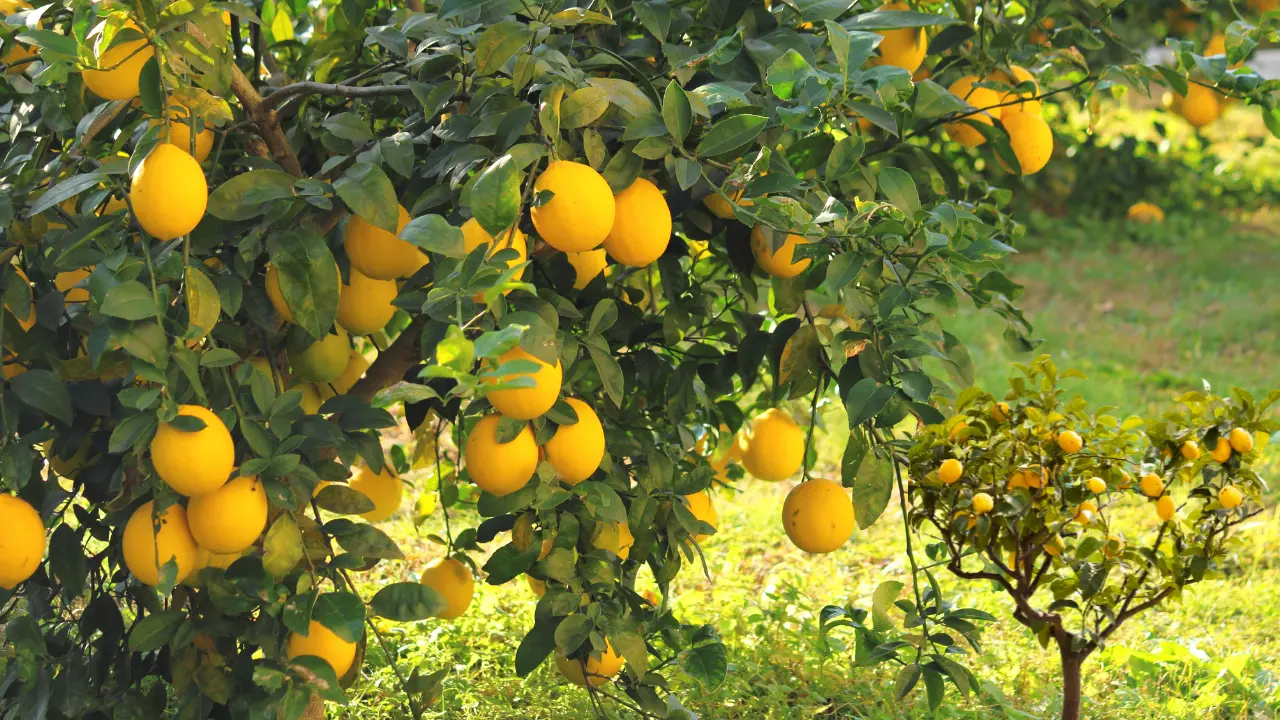
10. ‘Meyer’ Lemon
‘Meyer’ lemons are a popular choice for gardens, with their sweeter, less acidic flavor than regular lemons. These lemons have a thin rind and are great for both culinary and ornamental purposes. They are known to be more cold-hardy compared to other lemon varieties, which makes them a great choice for Florida gardens. While ‘Meyer’ lemon trees do well in the Florida climate, they need proper care, including sufficient sunlight and well-drained soil. Regular fertilization and pruning are critical for the health and fruit production. They are a good all-around choice for a home garden.
Care and Maintenance
- Sunlight and Location: Meyer lemons require ample sunlight. Choose a spot with at least six hours of direct sunlight.
- Soil Requirements: Prefer well-draining soil with a slightly acidic pH.
- Fertilization: Use a citrus-specific fertilizer and follow the instructions on the package.
Common Myths Debunked
Myth 1: Citrus trees can grow anywhere in Florida.
Many people believe that because Florida is known for its warm weather, any citrus tree will thrive anywhere in the state. The reality is that climate and microclimates vary greatly. Northern Florida, for instance, experiences more freezes than southern Florida. Therefore, selecting the suitable citrus variety based on your location is essential. Cold hardiness and protection during freezes are key to successful citrus cultivation.
Myth 2: Citrus trees don’t need much care.
Some people think that because citrus trees are grown in Florida’s warm climate, they require little maintenance. While they benefit from the sunshine, citrus trees to grow in Florida need regular care, including watering, fertilizing, and pruning. Neglecting these tasks can affect fruit production and the tree’s overall health. Regular care guarantees better fruit yield and better-tasting fruit.
Myth 3: All citrus trees produce fruit the first year.
The time it takes for a citrus tree to bear fruit depends on several factors, including the tree type and its age at planting. Young trees, especially those grown from seeds, take several years to produce fruit. Grafted trees usually fruit sooner, often within two to three years of planting. Patience is key in waiting for your tree to produce fruit.
Myth 4: Pests and diseases are not a big problem in citrus trees.
Florida’s climate is favorable for both citrus trees and a wide variety of pests and diseases. Common pests include aphids, scale, and citrus leaf miners. Fungal diseases, such as citrus canker, can also be a problem. Regular inspection and prompt treatment are essential to prevent significant damage and preserve the trees’ fruit production. Prevention is critical in protecting your trees.
Myth 5: You don’t need to prune citrus trees.
Pruning is an important part of caring for citrus trees. It helps to keep the tree healthy, improves airflow, and encourages fruit production. Pruning helps to remove dead or diseased branches and opens the tree up to more sunlight. Regular pruning ensures a healthy and productive tree. It also helps in maintaining the tree’s shape.
Frequently Asked Questions
Question: When is the best time to plant citrus trees in Florida?
Answer: The ideal time to plant citrus trees in Florida is during the spring or early fall. This allows the trees to establish roots before the heat of summer or the cold of winter.
Question: How often should I water my citrus trees?
Answer: Water citrus trees regularly, especially during dry periods. The frequency will depend on factors like soil type and weather conditions. However, avoid overwatering, as this can lead to root rot.
Question: What type of fertilizer should I use for my citrus trees?
Answer: Use a citrus-specific fertilizer. These fertilizers contain the right balance of nutrients that citrus trees need for optimal growth and fruit production. Follow the package directions for application.
Question: How do I protect my citrus trees from frost?
Answer: Protect young or vulnerable trees during cold snaps by covering them with a blanket or tarp. You can also use a string of outdoor lights for added heat. Ensure the cover reaches the ground to trap heat.
Question: How long does it take for a citrus tree to bear fruit?
Answer: The time it takes for a citrus tree to bear fruit depends on the variety and the age of the tree when planted. Grafted trees typically produce fruit within two to three years. Trees grown from seeds can take longer.
Final Thoughts
Choosing the best citrus trees to grow in Florida opens up the opportunity to savor fresh, homegrown fruit and beautify your garden. From the sweet ‘Hamlin’ orange to the tangy ‘Ruby Red’ grapefruit, a diverse selection of citrus thrives in Florida’s climate. The varieties discussed offer a range of flavors and attributes, perfect for various tastes and preferences. Remember, choosing the right tree is just the beginning; ongoing care, including appropriate sunlight, watering, fertilization, and protection from cold, is key to success. By recognizing common misconceptions and following the helpful advice provided, you can establish a thriving citrus grove and enjoy the joy of a backyard harvest for years. Explore the possibilities, plan your garden, and get ready to experience the flavor of Florida sunshine!