If you’ve ever wondered when is the best time to plant vegetables in Florida, you’re not alone. Timing your planting just right can mean the difference between a thriving garden and a disappointing harvest.
Florida’s unique climate gives you plenty of opportunities to grow fresh, healthy vegetables almost year-round—but knowing when to start is key. Whether you’re aiming to grow crisp lettuce, sweet carrots, or vibrant broccoli, this guide will help you unlock the perfect planting windows tailored for Florida’s seasons.
Keep reading to discover how to get the most out of your vegetable garden and enjoy bountiful crops every time.
Florida’s Growing Seasons
Florida’s climate allows for two main growing seasons each year. Each season supports different types of vegetables. Understanding these seasons helps gardeners plan better and harvest more.
The state’s mild winters and hot summers create unique opportunities. Planting at the right time ensures plants grow strong and healthy. Knowing what to plant and when is key for success.
Cool Season Vegetables
Cool season vegetables thrive in Florida’s mild winter months. These include broccoli, lettuce, carrots, and radishes. Planting usually starts in October and lasts through February.
These vegetables prefer temperatures between 55°F and 75°F. They grow well before the heat of spring arrives. Gardeners should prepare soil in early fall for best results.
Warm Season Vegetables
Warm season vegetables grow best in Florida’s hot months. Tomatoes, peppers, cucumbers, and beans are popular choices. Planting begins after the last frost, around March or April.
These plants need temperatures above 70°F to thrive. Summer heat supports their growth but may require extra watering. Planting early helps avoid the hottest part of summer.
Regional Climate Differences
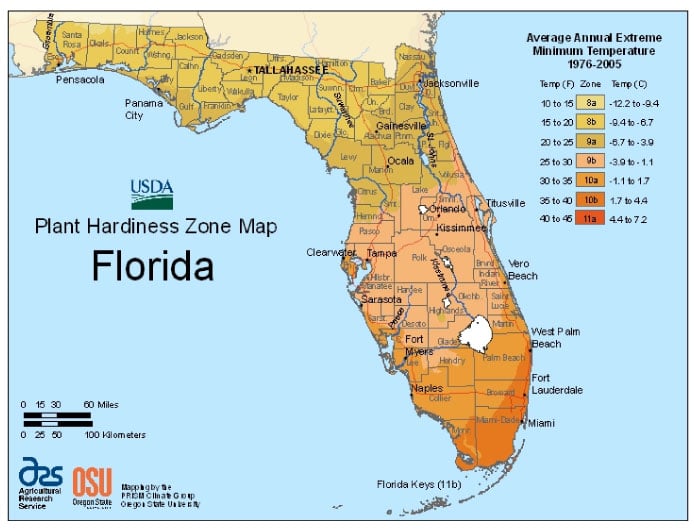
Florida’s climate varies from north to south. Northern Florida has cooler winters and a shorter growing season. Southern Florida enjoys a longer, warmer growing season year-round.
Gardeners in northern areas should start cool season crops earlier. Southern gardeners can grow warm season crops almost all year. Adjusting planting times by region improves harvest success.
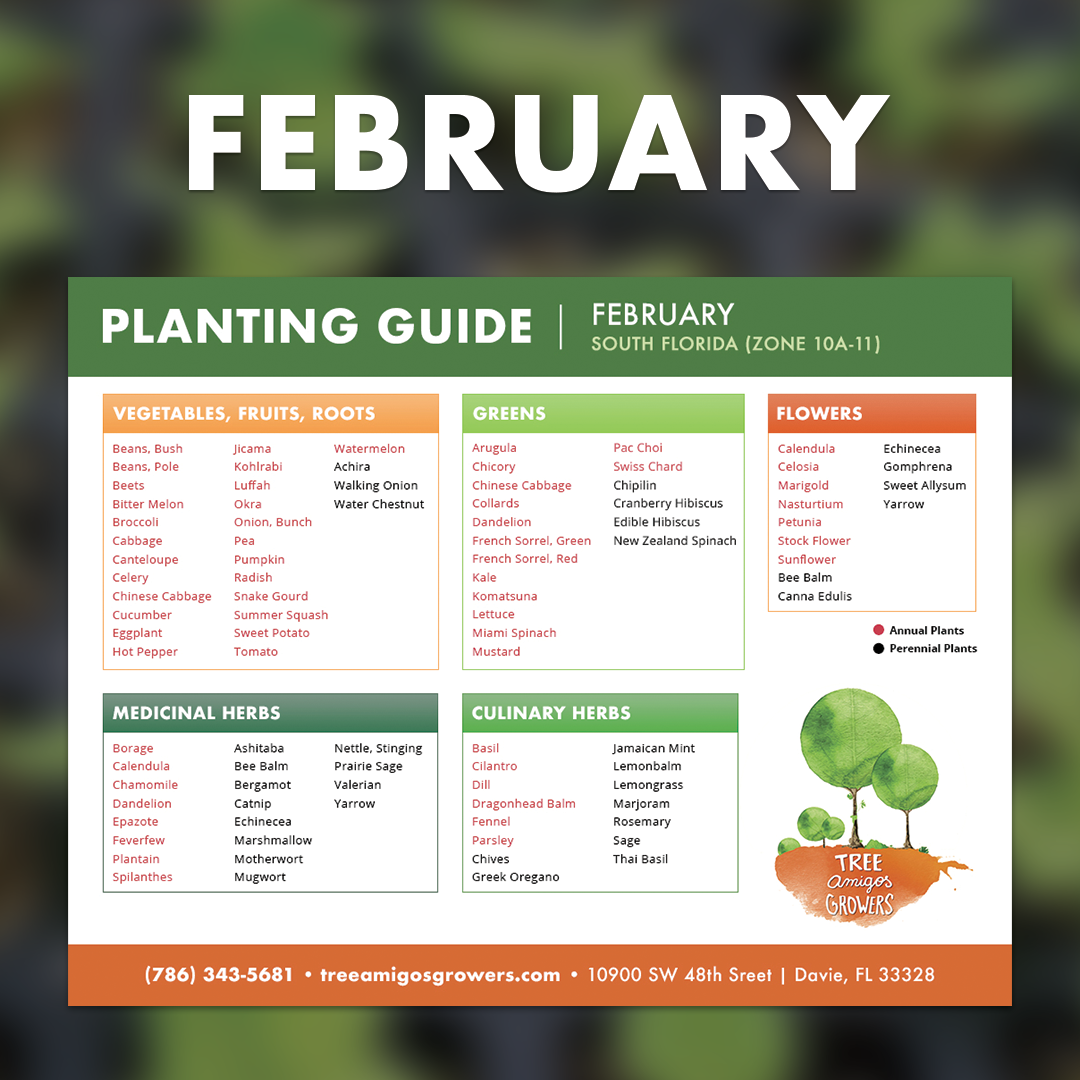
Credit: www.treeamigosgrowers.com
Best Planting Months
Choosing the best months to plant vegetables in Florida helps ensure a healthy garden. Florida’s warm climate allows multiple planting seasons each year. Knowing the right months to plant gives vegetables the best chance to grow well. Each season offers unique opportunities for different crops.
Fall Planting Guide
Fall is a prime time for planting many vegetables in Florida. Plant cool-season crops such as broccoli, lettuce, carrots, and radishes from September through November. The cooler weather reduces pests and supports steady growth. Fall planting often leads to a bountiful harvest before winter arrives. This season suits leafy greens and root vegetables best.
Spring Planting Guide
Spring planting starts around February and lasts until April. Warm-season vegetables like tomatoes, peppers, and beans thrive in this period. The soil warms up enough to support seed germination. Planting in early spring helps crops mature before the hot summer months. Keep an eye on the last frost dates for best results.
Summer And Winter Considerations
Summer planting in Florida is tricky due to high heat and humidity. Some heat-loving crops like okra and sweet potatoes do well if planted in early summer. Avoid planting sensitive vegetables during the hottest months of July and August. Winter is mild in Florida, allowing for a short growing window. Use protective covers to shield plants from occasional cold snaps. Planning ahead helps to maximize yields in these challenging seasons.
Top Vegetables For Florida Gardens
Choosing the right vegetables for Florida gardens is key to a successful harvest. Florida’s warm climate allows gardeners to grow many types of vegetables almost year-round. Understanding which vegetables thrive in Florida’s soil and weather helps gardeners plan their planting schedule. The following categories highlight some of the best vegetables to grow in Florida gardens.
Leafy Greens
Leafy greens grow well in Florida’s mild winters. Lettuce, spinach, and kale are popular choices. These plants prefer cooler weather and can be planted from late fall to early spring. Swiss chard is another leafy green that tolerates heat better than most. These greens are quick to mature, offering fresh harvests in just a few weeks.
Root Vegetables
Root vegetables like carrots, radishes, and beets do well in Florida’s sandy soils. Plant them during the cooler months for best results. These vegetables need loose, well-drained soil to grow straight and healthy roots. Radishes mature quickly, making them perfect for beginners. Carrots and beets take longer but reward gardeners with sweet, nutritious roots.
Brassicas And Others
Brassicas such as broccoli, cabbage, and Brussels sprouts thrive in Florida’s fall and winter seasons. These vegetables prefer cooler temperatures and can tolerate light frosts. Other good choices include cauliflower and collard greens. Planting these in early fall ensures a strong and healthy crop before the heat returns.
Starting Seeds Indoors Vs Direct Sowing
Starting seeds indoors and direct sowing are two common methods for growing vegetables in Florida. Each method has unique benefits and suits different types of vegetables and growing conditions. Deciding which method to use depends on the vegetable variety, the season, and your gardening goals. Understanding the best time to start seeds indoors and how to transplant them is key for a successful garden. Direct sowing works well for some crops that prefer growing in natural soil from the start. Both methods help extend the growing season and improve plant health.
When To Start Indoors
Begin indoor seed starting about 6 to 8 weeks before the last frost date. In Florida, this often means starting seeds in late winter or early spring for spring crops. For fall vegetables, start seeds indoors in mid to late summer. Use seed trays or small pots with quality seed-starting mix. Keep seeds warm and moist until they sprout. Provide plenty of light using a sunny window or grow lights. Starting seeds indoors gives plants a head start before outdoor planting.
Direct Planting Tips
Direct sow seeds in the garden after the soil warms up. Some vegetables like beans, carrots, and radishes grow best this way. Prepare the soil by loosening it and removing weeds. Plant seeds at the depth recommended on the seed packet. Water gently but regularly to keep soil moist. Thin seedlings to avoid crowding. Choose a sunny spot with good drainage. Direct sowing reduces transplant shock and works well for fast-growing vegetables.
Transplanting Guidelines
Move seedlings outdoors when they have 2 to 4 true leaves. Harden off plants by gradually exposing them to outdoor conditions for 7 to 10 days. Plant seedlings in well-prepared soil with proper spacing. Water seedlings well after transplanting to reduce stress. Avoid transplanting during the hottest part of the day. Keep young plants shaded if the sun is strong. Proper transplanting improves plant survival and growth in Florida gardens.
Soil Preparation And Fertilization
Preparing the soil and adding the right nutrients are key steps for a healthy vegetable garden in Florida. Good soil helps plants grow strong and resist pests. It also improves water retention and root development. Fertilization provides essential minerals that vegetables need to thrive.
Start soil preparation well before planting. This gives time to adjust the soil’s condition. Use natural and safe methods to keep your garden environment friendly.
Soil Testing And Amendments
Test the soil to know its pH and nutrient levels. You can buy simple kits or send samples to a local extension office. Florida soils often need lime to raise pH or sulfur to lower it.
Add organic matter like compost or aged manure to improve soil texture. Amendments help sandy soils hold moisture and clay soils drain better. Mix these materials evenly into the top 6-8 inches of soil.
Organic Fertilizers
Use organic fertilizers to feed your vegetables safely. Options include bone meal, fish emulsion, and seaweed extracts. These release nutrients slowly and improve soil health over time.
Apply fertilizer according to the package instructions. Avoid over-fertilizing, which can harm plants and the environment. Organic fertilizers support beneficial microbes and earthworms in the soil.
Mulching Benefits
Mulch covers the soil surface to keep it cool and moist. It reduces weed growth and protects roots from temperature swings. Organic mulches like straw, leaves, or grass clippings add nutrients as they break down.
Spread mulch 2-3 inches thick around plants, leaving space near stems. This simple step saves water and helps your vegetables grow well in Florida’s climate.

Credit: www.revivalgardening.com
Watering And Pest Management
Proper watering and pest management are key to a thriving vegetable garden in Florida. The state’s warm climate requires careful attention to irrigation and pest control. Both factors help plants grow healthy and strong. Understanding the best practices ensures your vegetables produce well throughout the year.
Irrigation Best Practices
Water plants early in the morning to reduce evaporation. Use drip irrigation or soaker hoses to deliver water directly to roots. Avoid wetting leaves to lower disease risk. Water deeply but less often to encourage strong roots. Check soil moisture regularly to prevent overwatering. Mulch around plants to keep soil moist and cool. Adjust watering based on rainfall and temperature changes.
Common Pests In Florida Gardens
Florida gardens face many pests like aphids, whiteflies, and spider mites. Caterpillars and beetles also cause damage to leaves and fruits. Snails and slugs thrive in humid conditions and eat young plants. The warm climate allows pests to multiply quickly. Early detection helps control infestations before they spread. Regularly inspect plants for signs of damage or insects.
Natural Pest Control Methods
Encourage beneficial insects like ladybugs and lacewings that eat pests. Plant herbs such as basil and marigold to repel harmful bugs. Use neem oil or insecticidal soap as safe treatments. Remove infested leaves to stop pest growth. Rotate crops each season to reduce pest buildup in soil. Keep the garden clean by removing debris and weeds. These methods protect plants without harsh chemicals.
Applying The Rule Of Three In Garden Design
The rule of three in garden design helps create balance and visual appeal. This principle focuses on grouping plants in sets of three. It brings harmony and a natural look to your vegetable garden. Using this rule improves how plants interact with each other and the space around them.
Applying the rule of three makes your garden organized. It guides how to plant and arrange vegetables for a pleasant view. This method is simple but effective for gardeners of all levels.
Plant Groupings
Group vegetables in threes for a natural feel. Avoid planting in even numbers like two or four. Three plants create a balanced and relaxed look. Choose plants with similar care needs to keep maintenance easy. Grouping also helps with harvesting and watering routines.
Variety And Arrangement
Pick three different vegetable types for interest. Mix colors, shapes, and heights in each group. Place taller plants at the back and shorter ones in front. This layering adds depth and makes the garden more dynamic. Such variety supports better use of sunlight and space.
Repetition For Cohesion
Repeat groups of three throughout the garden. This repetition ties the design together. It creates unity and a sense of flow. Use the same trio in multiple spots to guide the eye. Repetition helps the garden feel planned and inviting.
Credit: www.ufseeds.com
Frequently Asked Questions
What Month To Plant Vegetables In Florida?
Plant vegetables in Florida during fall, especially October, for cool-season crops like broccoli, lettuce, carrots, and radishes.
What Is The Rule Of 3 In Gardening?
The rule of three in gardening means grouping plants in sets of three for natural, balanced, and visually appealing arrangements. Use different species with varied colors and heights. Repeat trios throughout the garden to create cohesion and depth. Odd-numbered groupings enhance garden design effectively.
What Can I Plant In October In Florida?
Plant cool-season vegetables like broccoli, lettuce, carrots, Brussels sprouts, and radishes in Florida during October. These thrive in fall’s mild climate.
When Should You Plant Tomatoes In Florida?
Plant tomatoes in Florida from late February to April for spring crops. For fall crops, plant from August to September. Choose frost-free periods with warm soil for best growth.
Conclusion
Planting vegetables in Florida requires timing for success. Fall offers cooler weather ideal for many crops. Starting seeds in October helps vegetables like broccoli and lettuce thrive. Planning your garden around seasons ensures better growth and harvest. Remember to water regularly and protect young plants from pests.
With the right timing and care, your Florida vegetable garden will flourish. Happy planting!