
If you want a lush, green lawn in North Florida, timing is everything. Planting grass at the right moment can mean the difference between a thriving yard and wasted effort.
You might wonder, when is the best time to plant grass in North Florida? The answer lies in understanding the region’s climate and the needs of warm-season grasses like Bermudagrass, Zoysia, St. Augustine, and Centipede grass. By planting at the optimal time—from late spring to early summer—you give your grass the best chance to establish strong roots before the cooler months arrive.
Keep reading to discover exactly when and how to plant your grass seed for a healthy, vibrant lawn that you’ll be proud of all year round.
Credit: www.duda-sod.com
Seasonal Planting Window
The seasonal planting window in North Florida plays a crucial role in establishing a healthy lawn. Timing your planting to match the best season helps grass grow strong and resist pests and diseases. Planting at the right time also reduces the need for extra watering and care.
North Florida’s climate suits warm-season grasses. These grasses grow best when soil temperatures rise in late spring. Planting during this window gives seedlings time to develop before cooler weather arrives.
Late Spring To Early Summer Timing
Late spring to early summer, from April to July, is ideal for planting grass in North Florida. The soil is warm enough for seed germination and root growth. This period allows new grass to establish well before fall.
Planting during these months helps seedlings take full advantage of the long growing season. It also means the grass can better survive cooler temperatures later in the year. Watering is easier too, as rain is more frequent in this season.
Avoiding Mid-summer Heat Stress
Planting too late in the summer can expose young grass to intense heat. Mid-summer heat stress can damage or kill new seedlings. High temperatures increase evaporation, making it harder to keep soil moist.
To avoid this, plant earlier in the season. Starting before the hottest months helps grass build strong roots. Strong roots improve drought tolerance and overall lawn health.
Careful watering during this time is essential. Light, frequent watering keeps seeds moist without washing them away. Avoid heavy watering that can cause fungal problems or seed displacement.
Choosing Warm-season Grasses
Choosing warm-season grasses is essential for a healthy lawn in North Florida. These grasses thrive in hot weather and handle humidity well. They grow best when soil temperatures are warm, usually from late spring to early summer. Selecting the right grass type helps your lawn resist pests, diseases, and drought. Below are popular warm-season grass options suited for North Florida’s climate.
Bermudagrass
Bermudagrass grows quickly and tolerates heat very well. It needs full sun to stay healthy. This grass is perfect for lawns that get heavy use. It recovers fast from damage and spreads easily. Bermudagrass prefers well-drained soil and moderate watering. Plant it in late spring to early summer for best results.
Zoysia
Zoysia is slow to grow but forms a dense, thick lawn. It handles heat and drought better than many grasses. Zoysia can grow in both sun and partial shade. It requires less mowing and watering once established. Plant Zoysia in late spring for optimal growth before the hot summer months.
St. Augustine
St. Augustine grass is popular in North Florida for its shade tolerance. It grows well in moist, warm soil and handles coastal conditions. This grass spreads through stolons, creating a dense turf. It prefers partial shade but also grows in full sun. Plant St. Augustine in late spring or early summer for best establishment.
Centipede Grass
Centipede grass is low maintenance and grows slowly. It prefers acidic, sandy soils common in North Florida. This grass thrives in warm weather and needs less fertilizer than others. It does best in full sun to light shade. Plant centipede grass in late spring to early summer for strong roots and growth.
Soil Preparation Tips
Preparing the soil is essential for planting grass in North Florida. Good soil supports seed growth and root development. It helps grass establish quickly and stay healthy. Proper soil preparation improves water absorption and nutrient availability. Follow these tips to get your soil ready before planting grass seeds.
Loosening And Aerating Soil
Start by loosening the soil to allow roots to grow freely. Use a garden fork or aerator to create small holes in the soil. This process improves air flow to the roots. Loose soil also helps water and nutrients reach the grass seeds better. Aerating reduces soil compaction, which can block root growth.
Improving Drainage
Drainage is important for healthy grass. Water should drain well to prevent root rot and fungus. Check your soil type; sandy soil drains too fast, while clay soil holds water. Add organic matter like compost to improve drainage and soil texture. Proper drainage keeps grass roots from sitting in water for too long.
Ensuring Seed-to-soil Contact
Good seed-to-soil contact is key for seed germination. After spreading seeds, lightly rake the area to cover seeds with a thin layer of soil. Press the soil gently to hold seeds in place. This contact helps seeds absorb moisture and nutrients from the soil. It also protects seeds from birds and wind.
Credit: edis.ifas.ufl.edu
Seeding Techniques
Seeding techniques play a vital role in establishing a healthy lawn in North Florida. Proper seeding ensures good seed-to-soil contact and helps the grass grow strong. Choosing the right method can save time and improve results. This section covers two effective seeding methods and how to protect seeds after spreading.
Using Spreaders Vs. Hand Spreading
Using a spreader offers even distribution of grass seed across the lawn. It helps avoid clumps and bare spots. Spreaders come in two types: drop and broadcast. Drop spreaders release seeds in a straight line, offering precise control. Broadcast spreaders scatter seeds over a wide area, covering quickly but less precisely.
Hand spreading is simple and works well for small areas. It requires careful attention to avoid uneven seed placement. Hand spreading may cause seed clumping or sparse patches if not done evenly. Spreaders are better for larger lawns, while hand spreading suits small or tricky spots.
Light Mulch Application
Applying a light layer of mulch after seeding protects seeds from birds and wind. Mulch also helps keep moisture close to the soil surface, aiding germination. Use straw or a fine mulch designed for lawns to avoid blocking sunlight.
Apply mulch lightly to avoid smothering the seeds. Mulch helps maintain a stable temperature, which is important in North Florida’s warm climate. This simple step improves seed survival and promotes healthy grass growth.
Watering Practices
Watering is vital for planting grass in North Florida. Proper watering helps seeds grow strong roots and healthy blades. It also prevents seeds from drying out or washing away. Knowing how to water correctly improves your lawn’s chance to thrive.
Keeping Soil Moisture Consistent
Keep the soil evenly moist, not wet or dry. Water lightly every day after planting grass seed. This helps seeds absorb water and sprout well. Check soil by touching it; it should feel damp. Consistent moisture supports steady growth and root development.
Adjust watering if rain falls. Stop watering on wet days to avoid soggy soil. Early morning watering reduces evaporation and helps water soak in. Proper timing keeps soil moisture steady for young grass.
Avoiding Overwatering
Too much water can harm grass seedlings. Overwatering causes roots to rot and invites fungus. Water only as much as needed to keep soil damp. Avoid puddles or standing water on the lawn.
After grass sprouts, reduce watering frequency. Water deeply but less often to encourage roots to grow down. Deep roots make grass stronger and drought resistant. Proper water balance is key to healthy lawn growth.
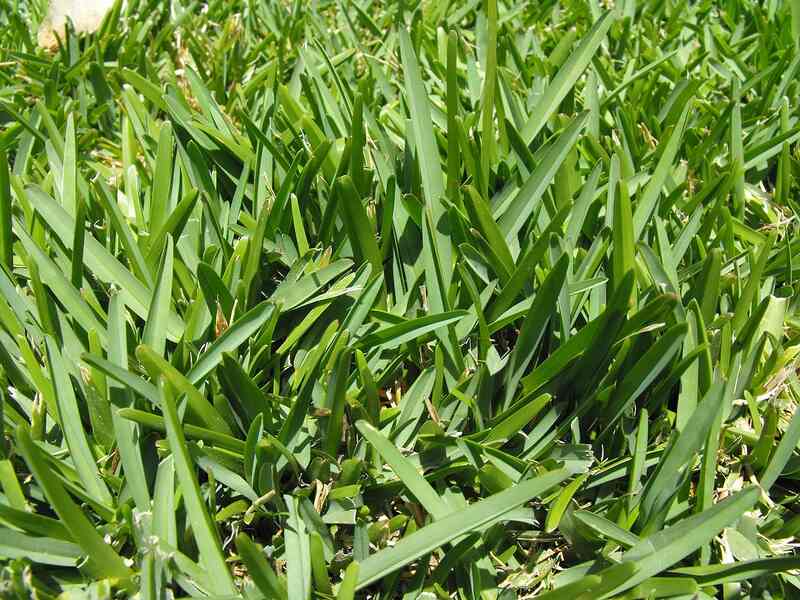
Credit: www.lawnstarter.com
Seedling Establishment
Seedling establishment is the crucial first step to a healthy lawn in North Florida. It sets the foundation for strong grass growth through the hot and cooler seasons. Proper care during this stage ensures your grass survives and thrives. Focus on nurturing the young seedlings carefully.
Growth Before Cooler Temperatures
Plant grass seed in late spring to early summer. This timing lets seedlings grow well before cooler fall weather arrives. Warm soil encourages quick germination and root development. Seedlings gain strength by using the warm months for steady growth. This prepares grass to handle colder temperatures later.
Keep soil moist but not soggy to help roots spread deep. Avoid heavy foot traffic on young grass. Healthy growth now reduces lawn problems in fall and winter. The goal is to build a strong, green carpet that lasts year-round.
Monitoring For Heat Stress
North Florida summers can be very hot and dry. Monitor seedlings for signs of heat stress like wilting or dull color. Water early in the morning to cool the soil and reduce evaporation. Avoid watering late in the day to prevent fungal issues.
Use light, frequent watering to keep soil moist during peak heat. Protect seedlings from direct harsh sun if possible. Mulch or shade cloth can help reduce temperature spikes. Healthy seedlings resist heat better and grow more evenly.
Overseeding Options
Overseeding is a common practice to keep lawns green and healthy in North Florida. It involves planting new grass seed over existing grass. This helps fill bare spots and improves lawn density. Choosing the right overseeding option depends on your current grass type and lawn goals. Proper timing and care boost seed germination and growth.
Bahiagrass Overseeding Tips
Bahiagrass is popular in North Florida due to its drought resistance. Overseeding bahiagrass requires attention to soil and weather conditions. Start by mowing the lawn low to reduce competition for new seeds. Rake the soil lightly to help seeds reach the soil surface. Spread seed evenly using a broadcast spreader for best results.
Water the area daily with light, frequent watering. Keep the soil moist but not soaked to avoid seed rot. Germination usually takes 7 to 14 days. Avoid heavy foot traffic during this period. Fertilize lightly with a balanced fertilizer to support young seedlings. Overseeding in early spring or late fall helps bahiagrass establish well.
Frequently Asked Questions
When To Plant Grass In Northern Florida?
Plant grass in northern Florida from late spring to early summer, typically between April and July. Choose warm-season grasses like Bermudagrass or St. Augustine. Plant early in this window to avoid mid-summer heat stress. Keep soil moist for successful seed germination and strong growth before fall.
Is October 1 Too Late To Plant Grass Seed?
October 1 can be late to plant grass seed, especially for warm-season grasses. Cooler soil slows germination, risking weak growth before winter. Plant earlier for best results, but if you seed in October, keep soil moist and expect slower establishment.
Can You Just Throw Grass Seed On The Ground And It Will Grow?
No, simply throwing grass seed on the ground rarely works. Prepare soil, ensure seed-to-soil contact, lightly cover seeds, and water consistently for growth.
What Is The Easiest Grass To Grow In North Florida?
Bermudagrass is the easiest grass to grow in North Florida. It thrives in warm soil and requires minimal care. Plant it between April and July for best results. Bermudagrass tolerates heat well and establishes quickly, making it ideal for North Florida lawns.
Conclusion
Planting grass in North Florida works best from April to early July. Warm soil and steady watering help seeds grow strong roots. Avoid planting during the hottest days to prevent seed stress. Preparing the soil well improves seed contact and germination.
With the right timing and care, your lawn will thrive through the seasons. Start early, water often, and enjoy a healthy, green yard all year.