
If you’re gardening in Texas, you know that finding the right plants for shady spots can be a challenge. The intense Texas sun often leaves shaded areas overlooked, but those spots don’t have to stay empty or dull.
Imagine turning your shady corners into vibrant, lush spaces filled with plants that thrive without direct sunlight. Whether you have a cozy backyard nook in Austin or a shaded garden in Dallas, the right shade-loving plants can transform your outdoor space.
You’ll discover the best plants for shade in Texas—plants that are not only beautiful but also tough enough to handle our unique climate. Ready to bring life to your shaded garden areas? Keep reading to find your perfect shade-friendly plants.
Credit: neilsperry.com
Shade Conditions In Texas Gardens
Shade conditions in Texas gardens vary widely due to the state’s large size and diverse environments. Many Texas gardens face hot summers and mild winters, with shade areas offering relief from intense sun. Choosing the right plants for these shaded spots depends on understanding specific shade types and the local soil and climate. This knowledge helps gardeners pick plants that will thrive and beautify their gardens.
Types Of Shade In Texas
Shade in Texas gardens can be light, partial, or full. Light shade means the area gets filtered sunlight most of the day. Partial shade has a few hours of direct sun, usually in the morning or late afternoon. Full shade areas receive little to no direct sunlight throughout the day. Trees, buildings, and fences often create these shaded zones. Each type of shade affects which plants will grow best.
Soil And Climate Considerations
Texas soils range from sandy to clay, affecting water drainage and nutrients. Shade areas often have cooler, moister soil than sunny spots. Gardeners should test soil to know its type and pH level. The Texas climate brings hot summers and occasional droughts, so plants must tolerate heat and dry spells. Selecting shade plants that suit local soil and climate ensures healthier growth and less maintenance.
Native Texas Shade Plants
Native Texas shade plants bring beauty and life to shaded garden areas. They thrive in low light and match Texas climate well. These plants require less water and care. Their natural growth habits support local wildlife like butterflies and bees.
Choosing native plants ensures a healthy, sustainable garden. They adapt easily to shade and soil conditions. Native plants also resist pests better than non-native species. Below are some excellent native options for shaded Texas gardens.
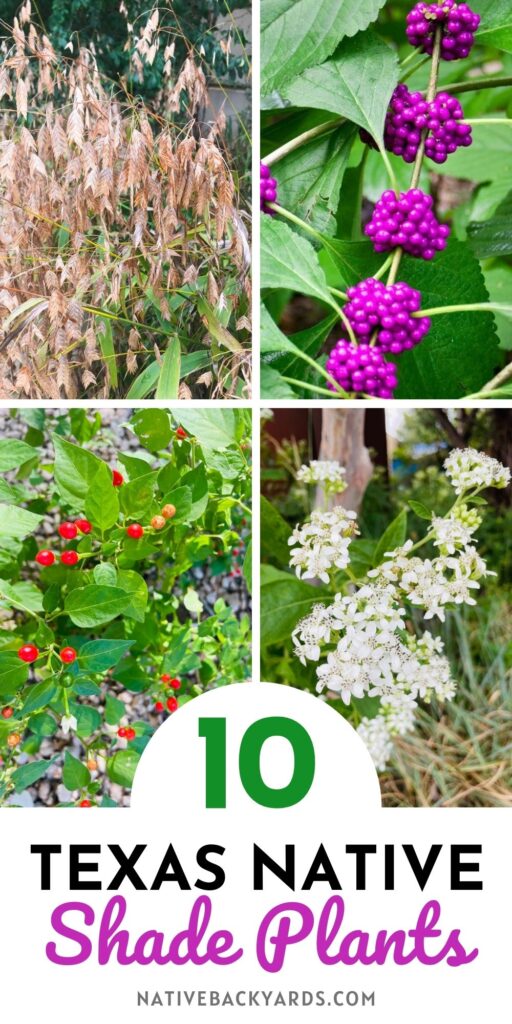
Plains Blackfoot And Violet Wild Petunia
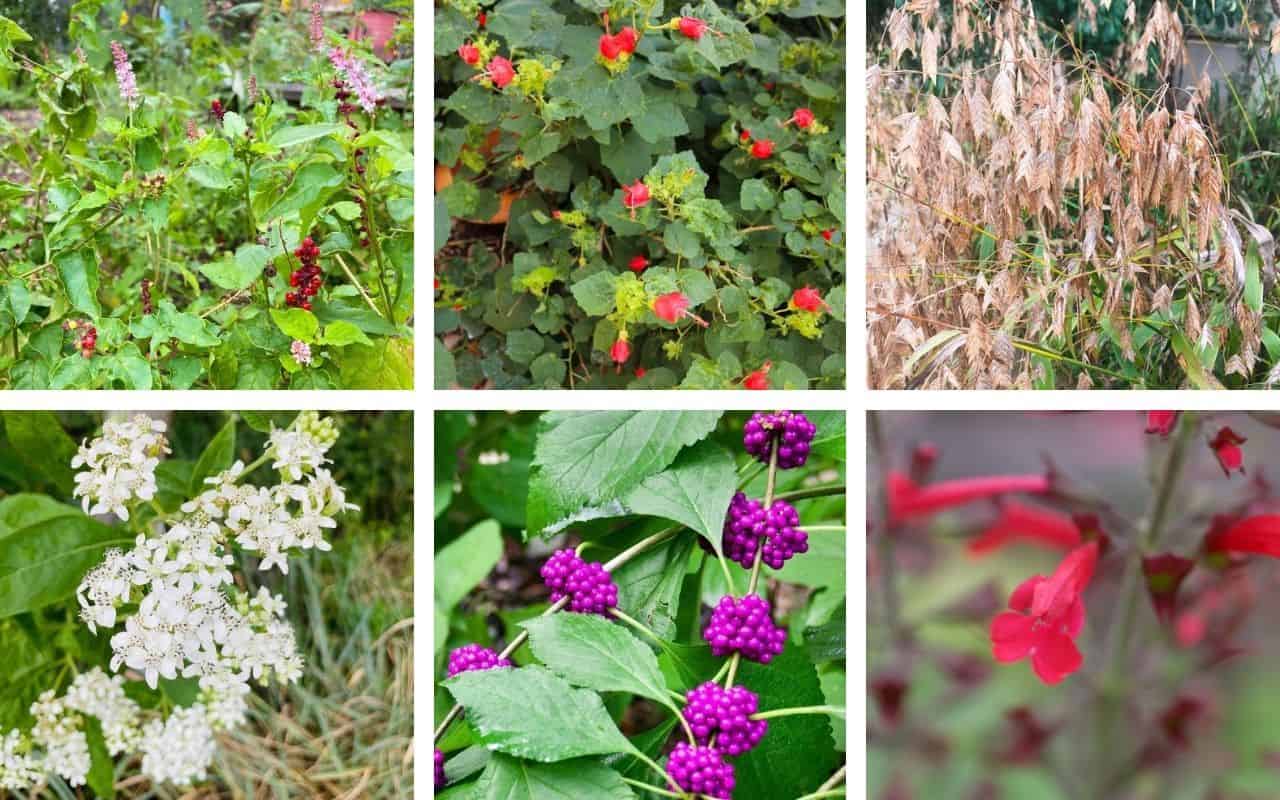
Plains Blackfoot (Melampodium leucanthum) shows bright yellow flowers. It blooms from spring to fall. This plant grows well in partial shade. Violet Wild Petunia (Ruellia nudiflora) has delicate purple blooms. It spreads nicely in shaded spots. Both plants attract pollinators and add color to shady areas.
Engelmann’s And Cedar Sage
Engelmann’s Sage (Salvia engelmannii) features deep blue flowers. It prefers light shade and well-drained soil. Cedar Sage (Salvia roemeriana) has vibrant red blossoms. This plant thrives under tree canopies. These sages bring bold color and fragrance to shade gardens.
Prairie Spiderwort And Hairy Wedelia
Prairie Spiderwort (Tradescantia occidentalis) shows purple-blue flowers. It grows well in shade and dry soil. Hairy Wedelia (Wedelia texana) produces small yellow blooms. It spreads quickly to cover shady ground. Both plants help fill shaded spaces with lush greenery and blooms.
Coralbean And Pinifolius Sundrops
Coralbean (Erythrina herbacea) stands out with bright red flowers. It grows as a shrub or small tree. Pinifolius Sundrops (Calylophus berlandieri ssp. pinifolius) shows yellow, cup-shaped flowers. These plants tolerate shade and add vibrant color to Texas landscapes.
Popular Perennials For Shade
Shade gardens in Texas benefit from perennials that thrive without direct sunlight. These plants offer color, texture, and interest to darker corners. They also tolerate the heat and humidity common in Texas shade areas. Many of these perennials bloom beautifully, attracting pollinators and brightening shady spots.
Astilbe And Bleeding Heart
Astilbe produces feathery plumes in red, pink, or white shades. It stays lush in moist, shady soil. Bleeding Heart has arching stems with heart-shaped flowers. Its delicate blooms add charm to shaded garden beds.
Hellebore And Foamflower
Hellebore blooms in late winter or early spring, bringing early color. It features nodding flowers in white, green, or purple. Foamflower has frothy white blooms and attractive foliage. It spreads nicely, covering ground in shade.
Coral Bells And Lungwort
Coral Bells show off colorful leaves in red, purple, or silver. Their tiny flowers attract hummingbirds in spring. Lungwort offers spotted leaves and blue or pink flowers. It thrives in cool, shady Texas spots.
Hosta And Japanese Forest Grass
Hostas grow large, textured leaves in green or variegated colors. They prefer moist, shaded areas and bloom with lavender flowers. Japanese Forest Grass adds soft, flowing texture with its golden blades. It brightens dark corners with graceful movement.
Toad Lily And Siberian Bugloss
Toad Lily blooms late, with spotted, orchid-like flowers. It thrives in damp shade and adds exotic appeal. Siberian Bugloss has small blue flowers and heart-shaped leaves. It is low maintenance and spreads well in shade.
Annuals That Thrive In Shade
Shade gardens in Texas can bloom beautifully with the right annual plants. Annuals that thrive in shade bring vibrant colors to dark spaces. These plants grow quickly and add life during the growing season. They suit Texas’s warm climate and shaded areas well. Choose annuals that handle shade and heat for best results.
Impatiens And Begonias
Impatiens are a top choice for shady spots in Texas. They offer bright blooms in red, pink, white, and purple. These flowers grow well in moist, well-drained soil. Impatiens need regular watering but do not like soggy roots.
Begonias also do well in shade and heat. They have colorful flowers and attractive leaves. Wax begonias are popular for their shiny leaves and long bloom time. Both tuberous and wax begonias add texture and color to shady gardens.
Caladium And Wishbone Flower
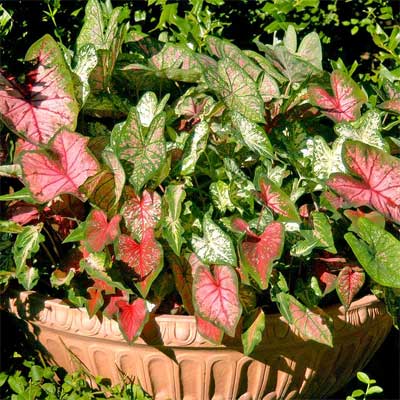
Caladiums are known for their striking, colorful leaves. They brighten dark corners with red, pink, white, and green patterns. These plants prefer rich, moist soil and can tolerate Texas heat under shade.
The wishbone flower produces small, delicate blooms in shades of purple, pink, or white. It grows well in light to full shade. This plant spreads nicely, making it perfect for ground cover in shaded areas.
Foliage Plants For Lush Shade
Shade areas in Texas gardens can thrive with the right foliage plants. These plants bring color and texture without needing direct sunlight. They create a lush, cool atmosphere perfect for outdoor spaces.
Choosing foliage plants for shade helps maintain green beauty year-round. Their leaves come in many shapes, sizes, and colors. This variety makes shaded spots lively and inviting.
Heuchera Varieties
Heuchera, also called coral bells, offers many color choices. Leaves range from deep purple to bright lime green. Some varieties have silver or red veins that stand out beautifully.
These plants do well in Texas shade and tolerate heat if watered properly. They also attract pollinators with their small, bell-shaped flowers. Heucheras add elegance and color contrast to shady beds.
Lamium And Fern Options
Lamium, or dead nettle, has variegated leaves that brighten dark corners. Its silver and green patterns add a soft glow to shady spots. Lamium spreads quickly, creating a dense ground cover.
Ferns thrive in Texas shade with moist soil. Their feathery fronds bring a delicate texture to gardens. Popular ferns like the autumn fern and Japanese painted fern grow well here.
Combining lamium and ferns creates a natural, woodland feel. Both plants help fill space with lush foliage and need little maintenance.
Credit: nativebackyards.com
Flowering Shrubs For Cool Corners
Flowering shrubs brighten shaded garden corners in Texas. These plants bring color and life to areas with less sun. Choosing the right shrubs helps maintain a vibrant garden even in cool, shaded spots. Many flowering shrubs thrive well in Texas shade, making them ideal for Austin and nearby areas.
Hydrangeas In Shady Spots
Hydrangeas grow beautifully in partial to full shade. Their large, colorful blooms add charm to cool corners. These shrubs prefer moist, well-drained soil common in Texas gardens. Hydrangeas bloom from spring to fall, offering long-lasting beauty. They adapt well to Texas heat if shaded from afternoon sun. Regular watering helps keep their flowers vibrant and lush.
Sage And Other Woody Plants
Sage varieties like Engelmann’s and Cedar Sage suit shady Texas gardens. They provide soft, colorful flowers that attract pollinators. These woody plants tolerate dry periods and poor soil. Sage thrives in part shade, adding texture and color to shaded areas. Other woody shrubs, such as wax myrtle and yaupon holly, also do well in shade. They offer evergreen foliage and occasional blooms, enhancing garden appeal year-round.
Planting Tips For Shade Gardens
Creating a beautiful shade garden in Texas requires careful planning and attention. Shade plants often face unique challenges like limited sunlight and moisture. Proper planting techniques help these plants thrive and bring life to darker garden spots.
Understanding how to water, mulch, space, and prepare the soil sets the foundation for success. These steps improve plant health and boost growth. Follow these simple tips to keep your shade garden healthy and attractive all year.
Watering And Mulching
Shade plants need consistent but moderate watering. Overwatering can harm roots and cause diseases. Water deeply to encourage strong root growth.
Apply mulch to keep soil moist and cool. Mulch also reduces weeds and adds nutrients as it breaks down. Use organic mulch like shredded bark or leaves for best results.
Spacing And Soil Prep
Plant shade-loving species with enough space to grow. Crowding plants reduces airflow and increases disease risks. Follow recommended spacing on plant tags.
Prepare the soil by loosening it and adding organic matter. Rich, well-drained soil supports healthy roots. Mix compost or aged manure into the planting area before setting plants.
Maintaining Shade Gardens In Texas
Maintaining shade gardens in Texas requires attention and care. The hot climate and humidity create challenges for plants growing in shaded areas. Proper maintenance keeps plants healthy and vibrant. It also helps prevent common problems with pests and diseases. Regular care ensures your shade garden thrives throughout the year.
Pest And Disease Management
Check plants often for signs of pests or diseases. Look for spots, holes, or discoloration on leaves. Remove affected leaves to stop problems from spreading. Use natural pest control methods like insecticidal soap or neem oil. Avoid chemical pesticides that can harm beneficial insects. Keep the garden clean by removing dead leaves and debris. Good air circulation helps prevent fungal diseases common in shade.
Seasonal Care And Pruning
Prune shade plants to promote healthy growth. Remove dead or damaged branches in early spring. Thin out crowded areas to improve airflow and light. Water plants deeply but less often to encourage strong roots. Mulch around plants to keep soil cool and moist. Adjust care with changing seasons, protecting sensitive plants from extreme heat or cold. Regular seasonal care keeps shade gardens looking fresh and healthy.
Credit: nativebackyards.com
Frequently Asked Questions
What Plants Do Best In Shade In Texas?
Shade-loving plants that thrive in Texas include Coral Bells (Heuchera), Foamflower (Tiarella), Astilbe, Lungwort (Pulmonaria), and Hostas. Native options like Engelmann’s sage, violet wild petunia, and prairie spiderwort also do well in shaded areas. These plants offer color and texture in low-light gardens.
What Will Grow In 100% Shade?
Plants that grow well in 100% shade include hostas, astilbe, bleeding heart, hellebore, coral bells, foamflower, and impatiens. These shade-tolerant perennials and annuals add color and texture to dark garden spots. Choose varieties suited for your climate and soil for best results.
What Plants Bloom In Full Shade?
Plants that bloom in full shade include astilbe, bleeding heart, hellebore, impatiens, begonias, hostas, hydrangeas, and toad lilies. These perennials and annuals add vibrant color and thrive without direct sunlight. Choose them to brighten shaded garden areas effectively.
What Plants Are Heat And Shade Tolerant?
Heat and shade tolerant plants include Coral Bells (Heuchera), Foamflower (Tiarella), Astilbe, Hosta, Lamium, Pulmonaria, and Begonias. These thrive in hot, shaded areas and add color and texture to gardens.
Conclusion
Choosing the right plants for shade in Texas creates a vibrant garden space. Native and shade-tolerant plants thrive well in Austin’s climate. Plants like coral bells, foamflower, and hostas add color and texture. These plants need less water and care, perfect for busy gardeners.
With proper selection, shaded areas can become lively and beautiful. Start planting today to enjoy a lush, green Texas garden.