If you’re living in Florida and want to add a splash of vibrant green to your garden, choosing the right indigo plant can make all the difference. But with so many varieties out there, which Indigo plant thrives best in Florida’s unique heat and humidity?
You might be wondering which one can handle the sunshine, resist pests, and bring lasting beauty to your outdoor space. This guide will help you find the perfect Indigo plant tailored to Florida’s climate, so you can enjoy a healthy, colorful garden all year round.
Keep reading to discover which Indigo is the best match for your Florida home—and how to care for it with ease.
Indigo Varieties For Florida
Florida’s warm climate supports several indigo plant varieties. These plants adapt well to heat and humidity. Choosing the right indigo can brighten gardens and natural spaces. Each variety offers unique features and growth habits. Understanding these helps select the best fit for your Florida garden.
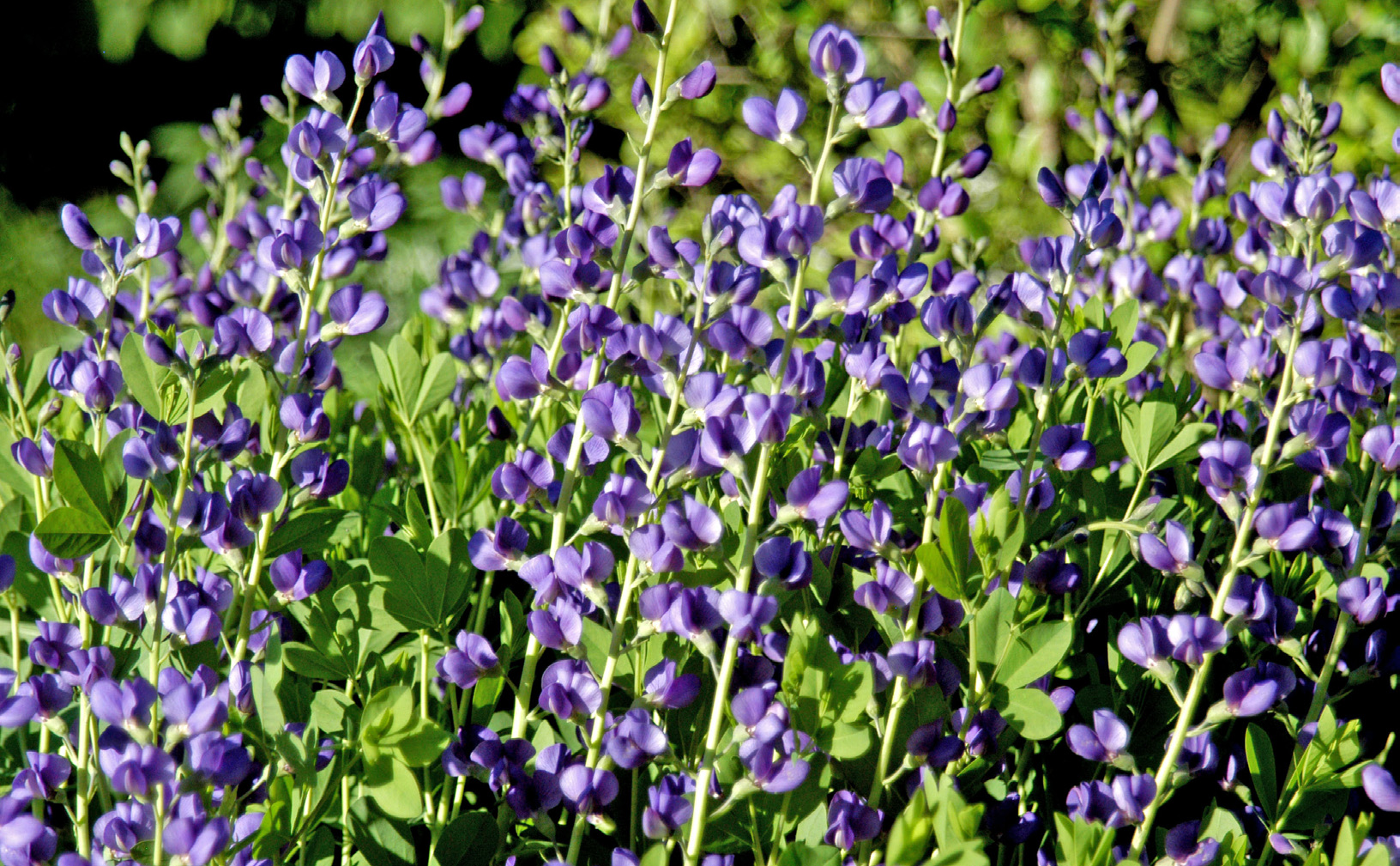
False Indigo (baptisia)
False Indigo, or Baptisia, thrives in Florida’s sunny spots. It features tall stems with blue or purple flowers. This perennial grows well in well-drained soil. False Indigo attracts butterflies and bees, adding life to gardens. It requires little water once established, making it low maintenance.
Creeping Indigo
Creeping Indigo spreads quickly across the ground. It has small, bright purple flowers that bloom in spring. This variety tolerates poor soil and drought well. It works as a ground cover to prevent weeds. Creeping Indigo is ideal for sunny, open areas in Florida.
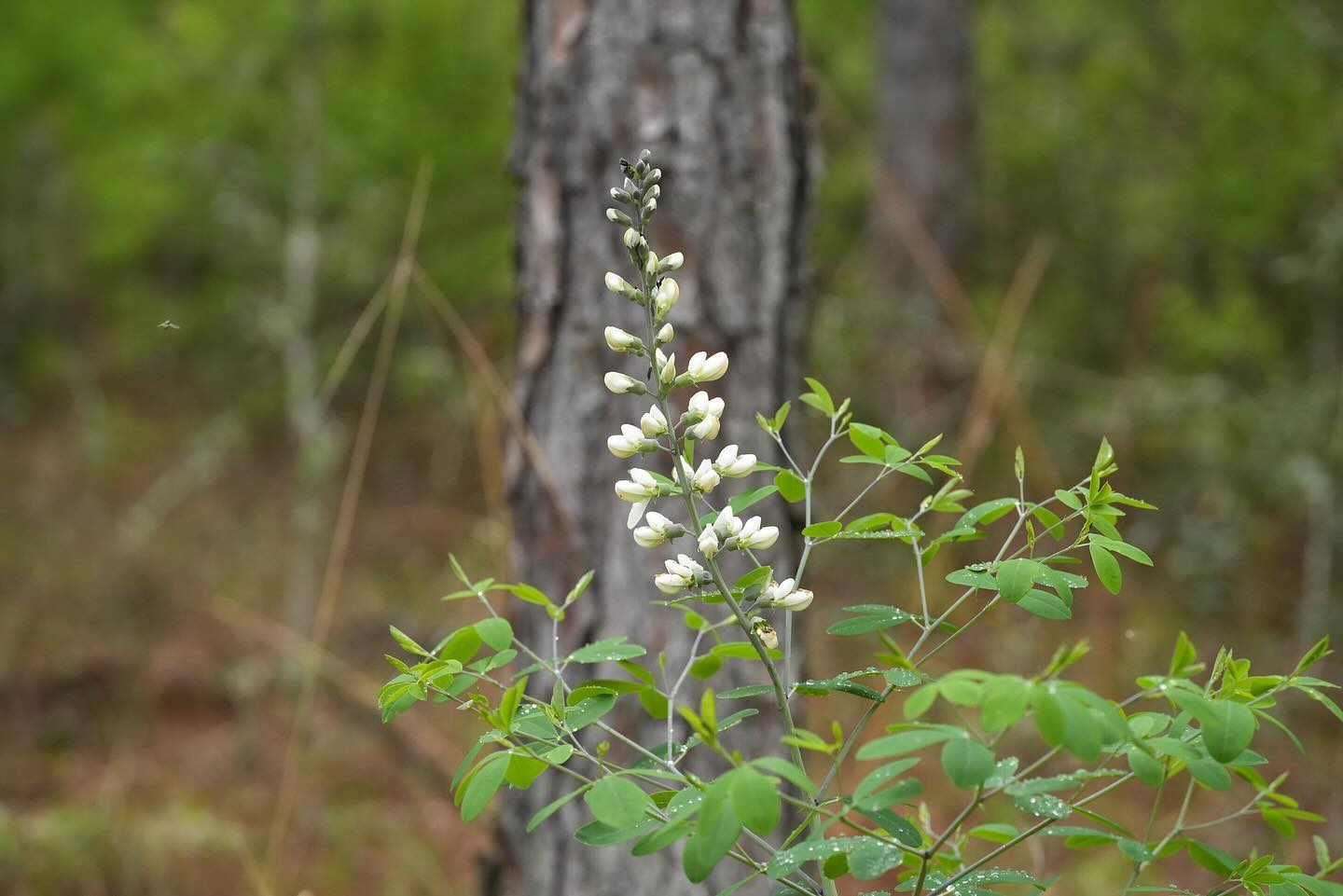
White Wild Indigo
White Wild Indigo shows off delicate white flower clusters. It prefers full sun and dry, sandy soils. This plant supports pollinators and adds light color to landscapes. It grows best with minimal watering once roots form. White Wild Indigo suits naturalized garden areas and wildflower mixes.
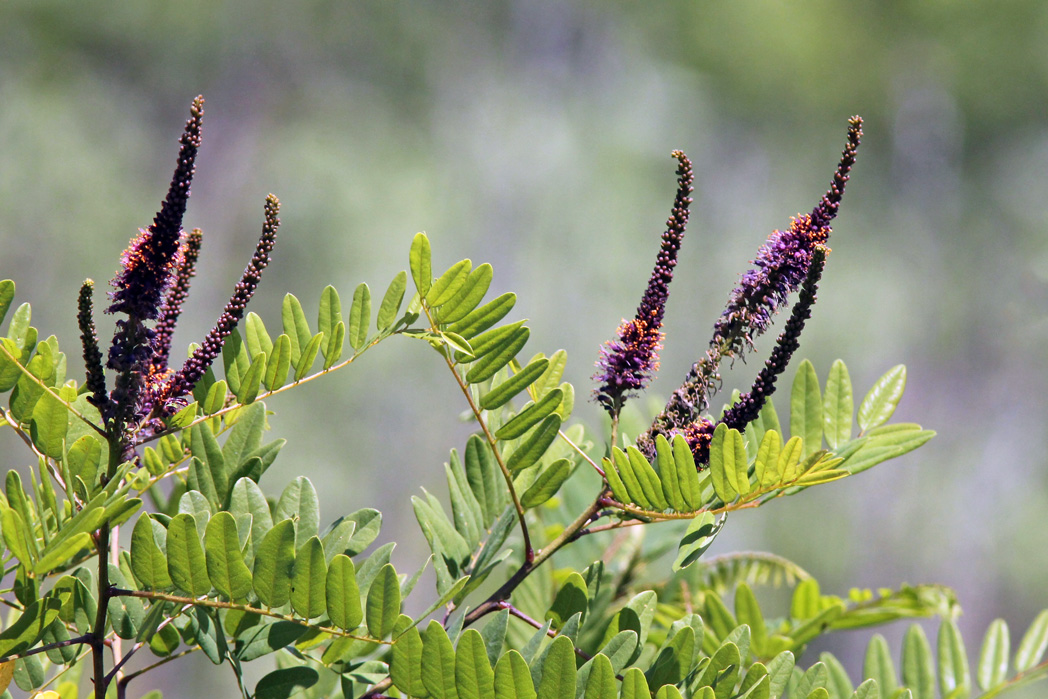
Bastard Indigo
Bastard Indigo is a hardy shrub with yellow-green leaves. It blooms with small, pale flowers in late spring. This variety tolerates heat and humidity well. It fits well in mixed borders or native plant gardens. Bastard Indigo needs well-drained soil and occasional watering.
Credit: www.flawildflowers.org
Climate Compatibility
Choosing the right indigo plant for Florida means understanding the local climate. Florida’s weather is hot and humid most of the year. The soil varies from sandy to clay-like. A plant that thrives here must handle these conditions well. Let’s explore how different indigo plants match Florida’s climate needs.
Heat Tolerance
Florida’s temperatures often climb above 90°F. Indigo plants that survive here need strong heat tolerance. Some species handle direct sun without wilting. Others may need partial shade in the hottest hours. Plants with good heat tolerance stay green and bloom well all summer long.
Humidity Adaptation
Humidity in Florida can be very high, especially in summer. Indigo plants that thrive here must resist mold and mildew. Good humidity adaptation means the plant’s leaves stay healthy and dry. Some indigo types have waxy leaves that help repel excess moisture. This trait protects them from fungal diseases.
Soil Preferences
Florida’s soil varies by region but often drains quickly. Indigo plants that prefer well-drained soil do best. They avoid root rot and grow strong roots. Some indigos tolerate sandy or slightly acidic soils common in Florida. Knowing the soil type helps pick the best indigo for your garden.
Growth And Care Tips
Growing indigo plants in Florida requires attention to their specific care needs. Understanding how to water, prune, and protect these plants helps them thrive in the warm climate. Proper care also ensures vibrant foliage and healthy blooms throughout the growing season.
Watering Needs
Indigo plants prefer well-drained soil with moderate moisture. Water deeply but allow the top inch of soil to dry out before watering again. Overwatering can lead to root rot, especially in Florida’s humid environment. During hot, dry spells, increase watering frequency slightly. Mulching helps keep soil moist and cool.
Pruning And Maintenance
Prune indigo plants in early spring to encourage new growth. Remove dead or damaged branches to improve air circulation. Light trimming after flowering helps maintain shape and promotes bushier growth. Regular maintenance reduces disease risk and keeps the plant looking neat.
Pest And Disease Resistance
Indigo plants are generally resistant to many pests and diseases. Watch for common issues like aphids or spider mites, especially in dry conditions. Use insecticidal soap or natural predators to control pests. Good air flow and proper watering reduce fungal problems common in Florida’s humid climate.
Landscape Uses
Indigo plants add unique charm to Florida landscapes. Their vibrant blooms and hardy nature suit many garden styles. Choosing the right indigo plant enhances beauty and function. They fit well in various landscape roles, from ground cover to pollinator gardens.
Ground Cover Options
Some indigo plants spread low and wide, making good ground cover. They help control soil erosion on slopes and sunny areas. Creeping indigo is a popular choice for Florida lawns. It stays green year-round and requires little care. This ground cover also fills empty spaces quickly, reducing weeds.
Accent Plants
Indigo plants work well as accent pieces in flower beds. Their tall spikes and colorful flowers create visual interest. False indigo, with its purple blooms, stands out against green foliage. Plant it near walkways or patios for a splash of color. These plants also pair nicely with native Florida wildflowers.
Pollinator Support
Indigo plants attract bees, butterflies, and other pollinators. Their flowers provide nectar and pollen throughout the growing season. This support boosts local wildlife and helps nearby crops. Incorporating indigo plants encourages a healthy garden ecosystem. Their role in pollination makes them valuable in Florida gardens.
Combining Indigo With Other Plants
Combining indigo plants with other species enhances your Florida garden’s beauty and resilience. Indigo’s rich blue flowers create striking contrasts and textures. Pairing indigo with heat-tolerant flowers, foliage plants, shrubs, and grasses supports a balanced and thriving landscape. Each plant group offers unique benefits, adding color, structure, and depth to your garden.
Heat-tolerant Flowers
Choose heat-tolerant flowers to match indigo’s love for sun and warmth. Lantana, hibiscus, and pentas thrive in Florida’s hot climate. These flowers bring bright colors that complement indigo’s deep blue blooms. Salvia and sunflowers add vertical interest and attract pollinators. These plants need similar watering and soil conditions, making garden care easier.
Foliage Plants
Foliage plants add texture and color contrast around indigo. Crotons and bromeliads offer bold leaves that brighten shaded areas. Coreopsis and coneflowers show off delicate greens and yellows. These plants handle Florida’s heat and humidity well. Their different leaf shapes and colors create a rich garden tapestry. Foliage plants help fill gaps and soften garden edges.
Shrubs And Grasses
Shrubs and grasses provide structure and movement near indigo plants. Native shrubs like firebush and coontie fit Florida’s environment perfectly. Ornamental grasses add softness and sway with the breeze. These plants improve garden diversity and attract birds and insects. Their durability reduces maintenance needs and supports year-round interest. Combine them with indigo to create layered garden designs.
Credit: www.flawildflowers.org
Common Challenges
Choosing the best indigo plant for Florida involves understanding common challenges gardeners face. These challenges affect plant growth and survival. Knowing them helps in making smart planting decisions. The Florida climate and soil conditions can create unique obstacles. The following sections highlight key difficulties with growing indigo plants in this region.
Growing Difficulties
Indigo plants may struggle with Florida’s sandy and sometimes poor soil. They need well-drained soil to avoid root rot. Young plants can suffer from heat stress during hot summer days. Proper watering is crucial but can be tricky under Florida’s rainfall patterns. Some indigo varieties grow slowly, requiring patience. Choosing the right variety for Florida’s climate reduces these problems.
Pests And Diseases
Indigo plants in Florida face threats from common garden pests like aphids and spider mites. These insects can damage leaves and stunt growth. Fungal diseases such as powdery mildew appear in humid conditions. Regular inspection helps catch pest problems early. Natural remedies and proper spacing improve air flow, reducing disease risk. Using resistant varieties also lowers pest and disease issues.
Environmental Stress
Florida’s strong sun and high humidity create stress for indigo plants. Excessive heat causes leaf scorch and wilting. Sudden cold snaps may damage tender plants. Salt spray near coastal areas can harm leaves and roots. Strong winds can break stems or uproot young plants. Providing shade during peak sun hours and shelter from wind improves plant health. Monitoring weather changes helps protect plants from stress.
Where To Buy Indigo Plants In Florida
Finding the right place to buy indigo plants in Florida is key for a healthy garden. Several options offer quality plants suited to the Florida climate. Choose sources that provide native or well-adapted varieties. This ensures the plants grow strong and vibrant in your garden.
Nurseries
Local nurseries often carry indigo plants suited for Florida gardens. These nurseries understand the climate and soil conditions. Staff can offer advice on plant care and best varieties. Visiting a nursery allows you to see the plants before buying. Many nurseries also offer seasonal sales and discounts.
Online Sources
Online shops provide a wide range of indigo plants. They ship directly to your home, which is convenient. Look for sellers specializing in Florida-friendly plants. Reading customer reviews helps ensure plant quality. Online sources may offer rare or unusual indigo varieties.
Local Plant Societies
Florida plant societies connect gardeners with native plant resources. These groups often host plant sales and swaps. Members share tips on growing indigo in Florida. Joining a society can introduce you to local growers. This is a good way to find healthy, locally grown plants.
Credit: heritagegarden.uic.edu
Frequently Asked Questions
Can You Grow Indigo In Florida?
Yes, you can grow indigo in Florida. The state’s long growing season supports multiple cuttings, making cultivation effective. Choose heat-tolerant indigo varieties suited for Florida’s climate to ensure healthy growth and vibrant plants.
What Are The Disadvantages Of Growing Indigo?
Growing indigo requires labor-intensive care and long growing seasons. It can deplete soil nutrients and faces pest challenges. The crop’s processing involves toxic substances, posing health risks. Indigo farming historically caused social unrest due to harsh working conditions. These factors limit its large-scale cultivation.
What Plants Can Survive In The Heat In Florida?
Heat-tolerant plants in Florida include lantana, hibiscus, pentas, salvia, sunflowers, crotons, bromeliads, coreopsis, coneflowers, and succulents. These plants thrive in high temperatures and humidity while requiring low maintenance. They suit Florida’s climate perfectly and add vibrant colors to gardens.
Does False Indigo Grow In Florida?
False indigo (Baptisia) can grow in Florida but prefers well-drained soil and full sun. It may need extra care in hot, humid areas.
Conclusion
Choosing the best indigo plant for Florida depends on your garden needs. False indigo (Baptisia) suits many Florida gardens well. It handles heat and humidity with ease. Creeping indigo also grows quickly and covers ground nicely. Both add beauty and support local wildlife.
Think about your soil type and sun exposure. This helps pick the plant that will thrive. With proper care, these indigo plants brighten Florida landscapes beautifully. Give them space to grow strong and healthy. Your garden will thank you with lovely blue flowers each season.