Cactus Plant Care Instructions Florida: Ultimate Guide for Thriving Plants

If you’re living in Florida and want to add a touch of desert charm to your home, growing a cactus can be a perfect choice. But caring for a cactus here isn’t the same as in dry deserts—it takes the right balance of sunlight, water, and soil to keep your plant thriving under Florida’s unique climate.

Are you worried about overwatering or giving your cactus the right light? Or maybe you’re unsure what soil will help your cactus grow strong and healthy? In this guide, you’ll discover simple, practical cactus plant care instructions tailored specifically for Florida.

Keep reading to avoid the most common mistakes and learn how to make your cactus flourish in the Sunshine State!

Cactus Plant Care Instructions Florida: Ultimate Guide for Thriving Plants

Credit: www.inbloomflorist.com

Cactus Varieties For Florida

Choosing the right cactus varieties for Florida is important. The state’s warm climate supports many types, but some cacti thrive better here. Understanding native species, popular indoor types, and heat-tolerant varieties helps you grow healthy plants. This guide covers these options for successful cactus care in Florida.

Native Cacti Species

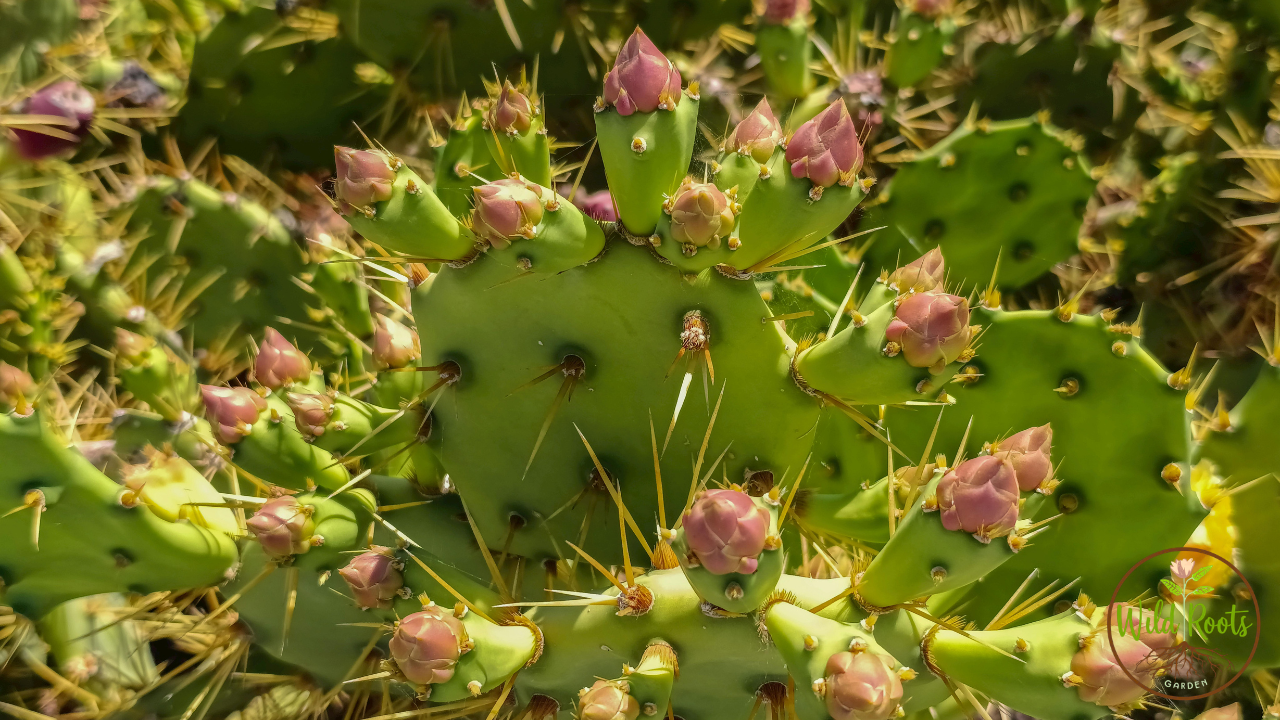
Florida has several native cacti species. The most common is the Florida prickly pear (Opuntia species). These cacti adapt well to Florida’s sandy soils and high humidity. They produce bright flowers and edible fruits. Another native is the coral cactus, known for its colorful and unique appearance. These species require minimal care and fit well in Florida gardens.

Popular Indoor Types

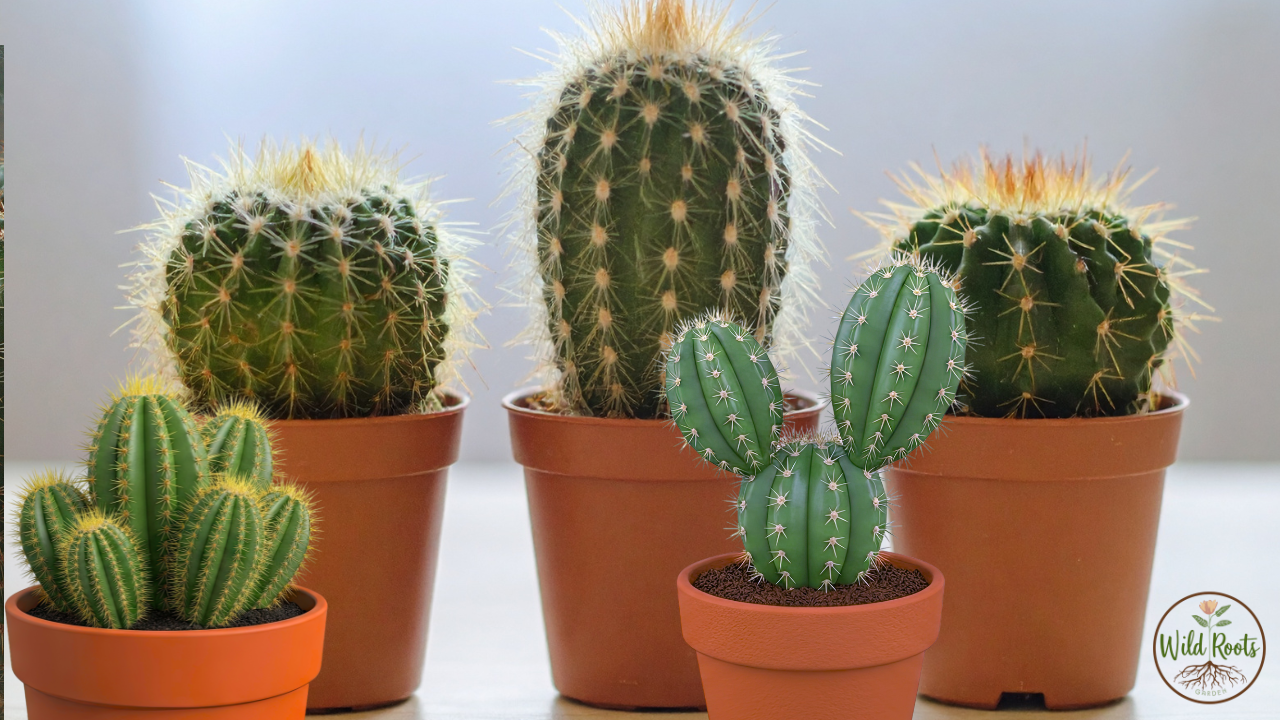
Indoor cactus varieties suit Florida homes with limited outdoor space. The Christmas cactus is popular for its bright blooms in winter. It prefers indirect light and regular watering during growth. Another favorite is the moon cactus, which has colorful tops and easy care needs. These indoor cacti brighten rooms and need less sunlight than outdoor species.

Choosing Heat-tolerant Varieties

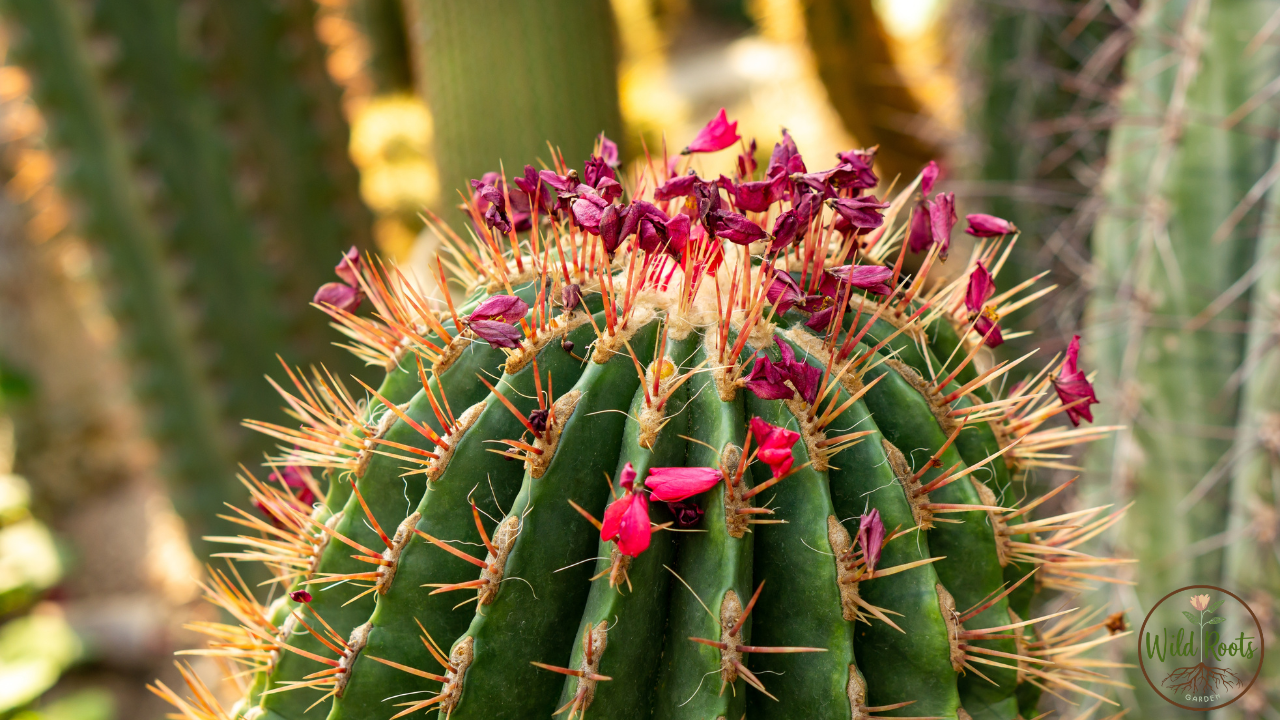
Florida summers are hot and humid. Choose cacti that handle heat well. Barrel cacti and hedgehog cacti resist heat and drought. They store water efficiently and need full sun. These varieties survive Florida’s intense sun without damage. Heat tolerance ensures your cactus stays healthy all year long.

Soil And Potting Tips

Proper soil and potting are key to healthy cactus growth in Florida’s warm climate. The right soil mix prevents water retention that causes root rot. Choosing pots with good drainage helps keep roots dry and healthy. Use these tips to create a perfect environment for your cactus plants.

Best Soil Mixes

Cacti need soil that drains water quickly. Use commercial cactus or succulent soil mixes. These mixes contain sand, perlite, or pumice for better drainage. Avoid regular garden or potting soil. They hold too much moisture and can harm your cactus roots. A fast-draining soil keeps roots dry and healthy.

Creating Your Own Drainage Mix

Make your own cactus soil mix with simple ingredients. Start with two parts potting soil. Add one part coarse sand for drainage. Mix in one part perlite or pumice to improve air flow. This blend lets water drain fast and prevents root rot. Use clean, dry materials for best results.

Selecting Proper Pots

Choose pots with drainage holes at the bottom. These holes let excess water escape and stop waterlogging. Terra cotta pots are ideal because they absorb moisture. Avoid plastic pots that trap water. Pick a pot size slightly larger than your cactus root ball. This gives roots space to grow without holding too much water.

Watering Guidelines

Proper watering is vital for healthy cactus growth in Florida’s warm climate. Cacti store water in their thick stems, so they need watering only when the soil dries completely. Too much water can cause root rot and kill the plant. Follow clear watering guidelines to keep your cactus thriving.

Avoiding Overwatering

Overwatering is the top cause of cactus problems. Watering too often keeps soil wet and suffocates roots. Always check soil moisture before watering. Use pots with drainage holes to let excess water escape. Water deeply but allow soil to dry fully between watering sessions.

Seasonal Watering Adjustments

Cacti need different watering amounts during the year. In Florida’s hot season, water more often but still let soil dry out. In cooler months, reduce watering significantly. Many cacti enter dormancy in winter and require little to no water. Adjust watering to match seasonal growth patterns.

Signs Of Underwatering

Underwatered cacti show clear signs. The plant may wrinkle or shrink as it uses stored water. Leaves or stems can look dry and brittle. If your cactus feels soft or shriveled, increase watering slightly. Proper balance keeps your cactus firm and healthy.

Light Requirements

Cacti thrive best with the right amount of light. Proper light exposure helps them grow strong and stay healthy. Florida’s bright sun can be both a benefit and a challenge for cactus care. Understanding light needs is key for success.

Ideal Sunlight Exposure

Cacti need bright light to grow well. Most types prefer full sun for at least six hours daily. Morning sunlight is gentler and better for young or sensitive plants. Too little light makes cacti weak and pale. Bright, indirect light works for some species that are less sun-tolerant.

Adjusting To Florida’s Intense Sun

Florida’s sun is very strong, especially in summer. Sudden full sun can burn cactus skin. Gradually increase sunlight exposure over a few weeks. Use shade cloth or place plants where they get filtered light during peak hours. Watch for signs of sunburn like brown or white spots. Protect cacti from intense afternoon sun.

Indoor Light Tips

Indoor cacti need bright spots near south or west-facing windows. Avoid areas with low light or heavy shade. Rotate plants regularly to keep growth even. Use grow lights if natural light is insufficient. Keep windows clean to let in maximum light. Avoid placing cacti too close to cold windows during winter.

Temperature And Humidity

Cacti in Florida face unique challenges due to the state’s climate. Temperature and humidity play crucial roles in their health. Understanding how to manage heat, cold, and moisture helps these plants thrive. Proper care ensures your cactus stays strong year-round.

Handling Florida Heat

Florida heat can be intense for cacti. Most cacti love warmth but need protection from extreme sun. Provide partial shade during peak afternoon hours. Use light-filtering screens or place plants near taller shrubs. Avoid direct scorching sunlight to prevent sunburn on cactus skin. Water more often during hot periods but only when soil is dry. This balance keeps cacti healthy without causing root problems.

Protecting Against Cold Spells

Florida winters are mild but can bring cold snaps. Cacti are sensitive to frost and low temperatures. Bring potted cacti indoors if temperatures drop below 50°F (10°C). Cover outdoor cacti with frost cloth or blankets during cold spells. Avoid watering before cold nights to prevent root damage. Cold protection helps your cactus survive rare freezes without harm.

Humidity Considerations

Florida’s humidity is high, which can stress desert plants like cacti. High moisture may cause rot or fungal infections. Ensure good air circulation around your cactus. Avoid overcrowding plants to reduce humidity buildup. Use well-draining soil to prevent water retention. Water only when soil is fully dry to avoid excess moisture. Managing humidity protects cacti from common tropical diseases.

Cactus Plant Care Instructions Florida: Ultimate Guide for Thriving Plants

Credit: www.houseplant.co.uk

Common Issues And Fixes

Caring for cacti in Florida presents unique challenges due to the climate and environment. Common problems can affect your cactus health, but many have simple fixes. Understanding these issues helps keep your cactus strong and thriving in Florida’s heat and humidity.

Root Rot Prevention

Root rot happens when cactus roots sit in wet soil too long. Florida’s humid climate increases this risk. Use pots with drainage holes to let water escape. Choose well-draining soil made for cacti or mix sand and perlite in regular soil. Water only when the soil is fully dry. Avoid watering on a strict schedule. In winter, water even less to reduce root rot chances.

Pest Control Strategies

Pests like mealybugs and spider mites often attack cacti in Florida. Check your plant regularly for small bugs or white cotton-like spots. Remove pests by wiping with a cotton swab dipped in rubbing alcohol. Use insecticidal soap or neem oil sprays for larger infestations. Keep your cactus clean and avoid overcrowding plants to reduce pest problems. Healthy plants resist pests better.

Dealing With Etiolation

Etiolation makes cacti grow tall and pale due to low light. Florida’s strong sun can confuse some growers to keep cacti in shade too long. Move your cactus slowly to brighter light. Place it in a sunny window or outside with partial sun. Rotate your cactus to ensure even light on all sides. Proper lighting keeps cacti compact, colorful, and healthy.

Dormancy And Seasonal Care

Caring for cacti in Florida requires attention to their natural growth cycles. Understanding dormancy and seasonal care is essential for healthy plants. Cacti enter dormancy to rest and conserve energy during cooler months. Proper care during this time helps cacti survive and thrive in the next growth season. Adjusting water and light according to seasons supports their natural rhythm.

Recognizing Dormancy Periods

Dormancy usually occurs in winter or cooler months. Growth slows down or stops completely. Cacti may look smaller or less vibrant. Leaves and stems become firm and dry. Roots also grow very slowly or not at all. Recognizing these signs helps avoid overwatering or stressing the plant.

Adjusting Water And Light

During dormancy, water needs drop significantly. Water only when the soil is completely dry. Avoid watering on a schedule. Reduce light intensity by moving cacti away from direct sunlight. Provide bright, indirect light instead. Excess water or light causes root rot and stress. Proper adjustments keep cacti healthy and ready for growth.

Preparing For Growth Season

As temperatures rise, cacti exit dormancy and resume growth. Gradually increase watering frequency but avoid overwatering. Slowly introduce more direct sunlight to strengthen the plant. Fertilize lightly to support new growth. Repot if the cactus has outgrown its container. Preparing cacti carefully ensures strong growth and vibrant health during the active season.

Propagation Methods

Propagation is a great way to grow new cactus plants at home. It helps expand your collection without buying new plants. Florida’s warm climate suits many cactus propagation methods. Each method has its own steps and care requirements. Here are three popular ways to propagate cacti successfully.

Growing From Seeds

Start with fresh cactus seeds for best results. Use a shallow tray filled with a sandy, well-draining soil mix. Lightly press the seeds on the soil surface without covering them. Keep the soil moist but not wet by misting daily. Place the tray in a warm, bright spot but avoid direct sunlight. Germination may take a few weeks. Transplant seedlings carefully once they are large enough to handle.

Stem Cuttings

Choose a healthy, mature cactus stem for cutting. Use a clean, sharp knife to cut a segment. Let the cutting dry in a shaded area for several days. This allows the cut to form a callus and prevents rot. Plant the callused end in dry, well-draining soil. Water sparingly until roots develop, then increase watering gradually. Stem cuttings root faster than seeds and produce new plants quickly.

Offsets And Division

Many cacti produce small offsets or pups around the base. Gently remove these offsets with a sharp knife or by twisting. Allow the cut area to dry and callus for a few days. Plant the offsets in sandy soil and water lightly. Division works well for clumping cacti. This method creates clones of the parent plant and helps control plant size in containers.

Troubleshooting Visual Signs

Recognizing visual signs of stress in your cactus is crucial for healthy growth in Florida’s climate. These signs help identify problems early. Acting fast can save your plant from serious damage. Watch for changes in color, texture, shape, and firmness. Each symptom points to different issues like watering, light, or pests. Below are common visual problems and their meanings.

Discoloration And Texture Changes

Yellowing or browning often means sunburn or overwatering. Pale green or faded color shows lack of light. Soft or mushy spots suggest root rot from too much water. Rough or dry patches can mean spider mites or pests. Check soil moisture and sunlight. Adjust watering and move the cactus to a brighter spot gradually.

Wilting And Deflation

A drooping cactus usually lacks water. But overwatered cacti can wilt too, due to root damage. Feel the soil before watering. If dry, give water slowly. If wet, hold off watering and improve drainage. Deflated or shriveled cacti need water but beware of soggy soil. Balance is key in Florida’s humidity.

Skin Cracks And Splits

Cracks or splits appear from sudden water changes. Overwatering after drought causes skin to burst. Rapid growth or heat stress can also crack skin. Avoid large, quick water doses. Water consistently and slowly. Use shade cloth during extreme heat. Keep an eye on these signs to prevent serious harm.

Cactus Plant Care Instructions Florida: Ultimate Guide for Thriving Plants

Credit: thesucculentsource.com

Frequently Asked Questions

What Is The Most Common Mistake People Make When Growing Cacti?

The most common mistake is overwatering cacti, causing root rot. Many also use wrong soil or give insufficient light. Always water only when soil is dry and use well-draining cactus mix in bright light.

How To Take Care Of Cactus Plants For Beginners?

Water cactus deeply but infrequently. Use well-draining soil and pots with drainage holes. Provide bright, indirect light. Let soil dry completely before watering. Reduce watering in winter dormancy.

What Does An Overwatered Cactus Look Like?

An overwatered cactus looks soft, mushy, and discolored yellow, brown, or black. It appears wilted, deflated, or wrinkled. Roots may turn black and mushy, indicating root rot. The cactus changes from firm to squishy, signaling damage from excess moisture.

Conclusion

Caring for cacti in Florida requires attention to light, water, and soil. Use well-draining soil and pots with drainage holes. Water only when the soil is fully dry. Provide plenty of bright light but introduce full sun slowly. Remember to reduce watering during the winter dormancy period.

Avoid common mistakes to keep your cactus healthy and thriving. With simple care, your cactus will adapt well to Florida’s climate. Enjoy the unique beauty these plants bring to your home or garden.

Leave a Comment