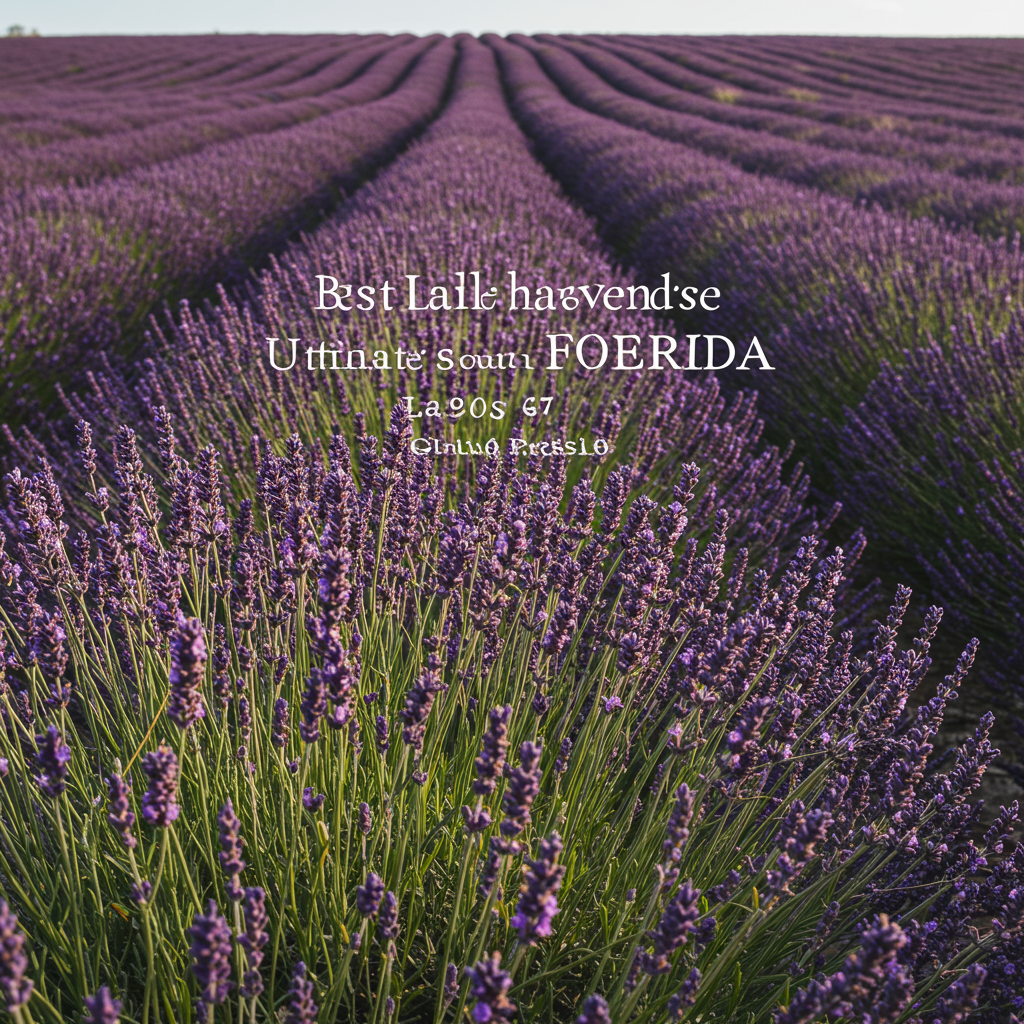
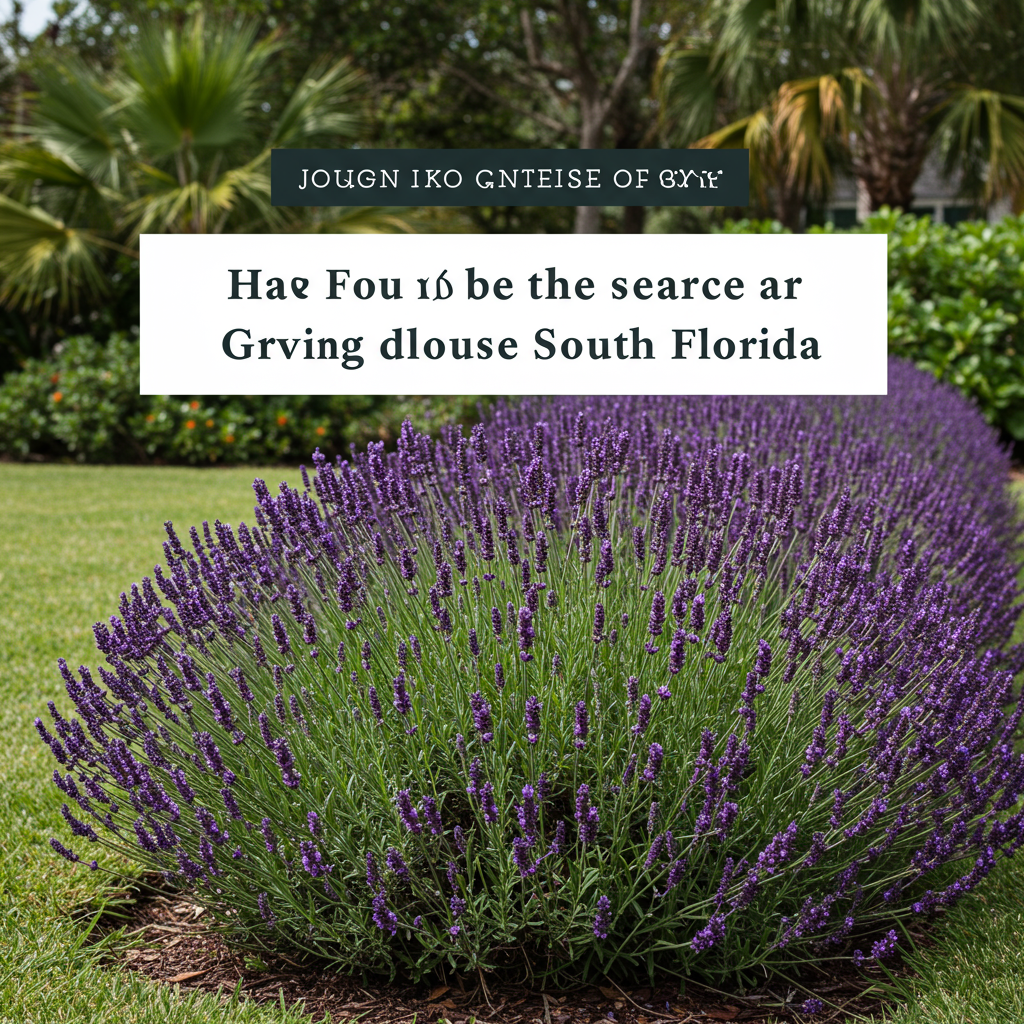
Growing a lavender plant for South Florida can be a rewarding challenge, transforming your garden with its calming fragrance and beautiful blooms. While this Mediterranean beauty typically prefers drier, cooler climates, with the right variety selection and specific care strategies, you can absolutely achieve a thriving lavender patch in the Sunshine State.
Embrace the Challenge: Lavender in South Florida
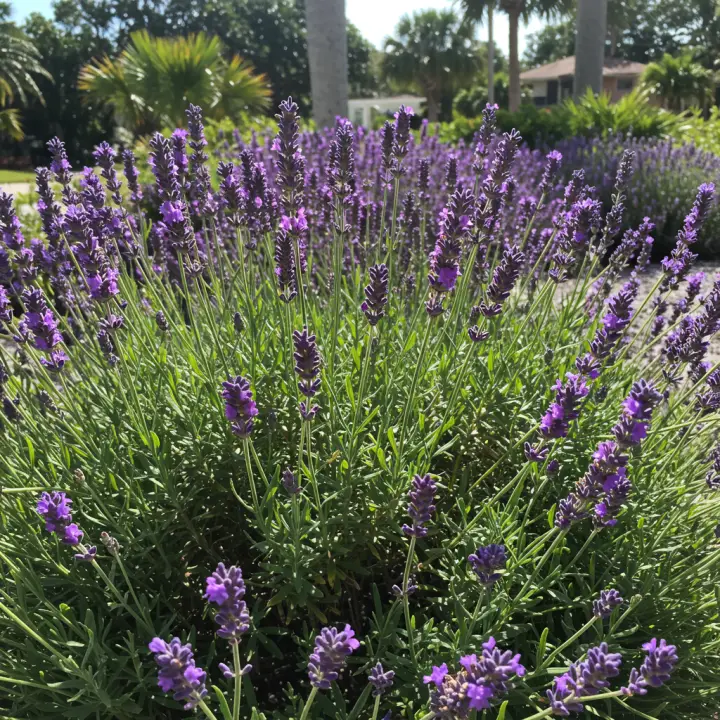
For many gardeners in South Florida, the idea of cultivating lavender seems like a delightful dream, often ending in disappointment. The traditional image of sprawling lavender fields comes from much drier, temperate climates. However, don’t give up hope! By understanding the unique challenges of South Florida’s environment and adapting your approach, you can successfully grow this aromatic herb. This guide will walk you through everything you need to know to see your lavender flourish.
The South Florida Challenge: Why Lavender Struggles Here
Before we dive into solutions, it’s crucial to understand why lavender finds South Florida’s climate particularly difficult.
Heat and Humidity: Lavender’s Kryptonite
Lavender naturally thrives in dry, temperate regions like the Mediterranean. South Florida, conversely, is characterized by intense heat and very high humidity, especially during the long summer months. This constant moisture in the air and high temperatures create conditions ripe for fungal diseases and root rot, which can quickly overcome lavender plants.
Soil Differences: Not Your Typical Mediterranean Home
Most lavender varieties prefer poor to moderately fertile, sandy, or gravelly soil that drains exceptionally well and has an alkaline pH. South Florida’s native soils are often sandy but can also be heavy with clay or limestone, and don’t always offer the perfect drainage or pH balance that lavender craves. Poorly draining soil is a death sentence for lavender roots.
Choosing the Right Lavender for South Florida
The most critical step to success is selecting a lavender variety that can tolerate high heat and humidity. Forget about English lavender (Lavandula angustifolia) – it simply won’t survive here long-term.
Spanish Lavender (Lavandula stoechas): A Top Contender
Spanish lavender is one of the best choices for South Florida. It’s more tolerant of humidity and heat than its English cousins. Look for cultivars known for their resilience. Its distinctive “bunny ear” blooms add a unique visual appeal.
French Lavender (Lavandula dentata): Another Promising Option
French lavender, with its serrated, often aromatic leaves, is another excellent and relatively heat-tolerant choice. It can handle more humidity than other types and often blooms for a longer season.
Other Heat-Tolerant Varieties to Consider
Lavandula x heterophylla ‘Egyptian Lavender’: This hybrid is known for its exceptionally long blooming period and resilience in warmer climates.
Lavandula multifida (Fernleaf Lavender): While less common, this variety is noted for its ability to withstand heat and humidity, offering a different foliage texture.
When purchasing, always check plant tags for specific heat and humidity tolerance, or ask nursery staff for their recommendations for South Florida.
Essential Steps for Thriving Lavender in South Florida
Once you’ve chosen the right variety, focus on these critical care elements.
Potting vs. Ground Planting: Understanding the Pros and Cons
For most South Florida gardeners, container planting is highly recommended for lavender.
Pots (Recommended):
Offers superior drainage control.
Allows you to easily move plants to protect them from excessive rain or intense afternoon sun.
Easier to achieve the perfect soil mix.
terracotta pots are ideal as they allow the soil to breathe and dry out faster.
Ground Planting (Challenging but Possible):
Requires significant soil amendment to ensure proper drainage and pH.
Must be planted in a raised bed or mound to improve drainage.
More susceptible to root rot during heavy rainy seasons.
Soil Matters: Creating the Perfect Blend
This is perhaps the most crucial factor after variety selection. Lavender must have excellent drainage.
For Containers:
Use a high-quality potting mix formulated for cacti and succulents, or create your own.
Mix equal parts of potting soil (peat-free if possible), perlite or pumice, and coarse sand.
Add a handful of limestone or dolomitic lime to slightly raise the pH if your soil tends to be acidic. Lavender prefers a pH between 6.7 and 7.3.
For Ground Planting (Raised Beds):
Amend your existing soil heavily.
Create a raised bed at least 12-18 inches high.
Mix your native soil with generous amounts of coarse sand, perlite, and compost (for slow nutrient release, not moisture retention).
Incorporate limestone if your soil is acidic.
Sunlight Requirements: The Sweet Spot
Lavender needs plenty of sun, but the intense South Florida afternoon sun can be too much.
Ideal Location: Aim for 6-8 hours of morning sun, followed by light afternoon shade or dappled sun.
Protection: If planted in full, all-day sun, be prepared to provide shade during the hottest parts of summer days using a shade cloth.
Smart Watering: Less is Often More
Overwatering is the fastest way to kill lavender in humid climates.
Frequency: Allow the top 2-3 inches of soil to dry out completely between waterings. Stick your finger into the soil to check.
Method: Water deeply but infrequently. Avoid overhead watering, which can encourage fungal issues on the foliage. Water the base of the plant.
Rainy Season: Be extra vigilant during the summer rainy season. You may not need to water at all for weeks if there’s consistent rain. Ensure excellent drainage to prevent standing water.
Pruning for Longevity and Blooms
Regular pruning is essential for air circulation, promoting new growth, and encouraging more blooms.
Timing:
After Flowering: Trim back faded flower stalks and about one-third of the green growth. This prevents the plant from getting leggy and woody.
Spring/Fall: A lighter shaping prune can be done to maintain shape and remove any dead or diseased material.
Technique: Avoid cutting into old, woody stems, as lavender doesn’t typically regrow from old wood. Always leave some green leaves on the stem.
Fertilization: A Light Touch
Lavender is not a heavy feeder and can be prone to lush, weak growth with too much fertilizer.
When to Fertilize: If needed, apply a slow-release, balanced fertilizer (low nitrogen) once in early spring.
Caution: Less is more. Over-fertilization can lead to fewer flowers and more foliage growth, or even root burn.
Pest and Disease Watch: Common South Florida Issues
High humidity makes lavender more susceptible to fungal diseases.
Fungal Issues: Look out for powdery mildew and root rot. Ensure good air circulation, proper watering, and adequate spacing between plants. Neem oil can be used as a preventative or early treatment.
Pests: Generally, lavender’s strong scent deters many pests. Occasionally, aphids or whiteflies might appear. Use insecticidal soap if necessary.
Year-Round Care and Maintenance
Maintaining your lavender in South Florida means adapting to the seasons.
Protecting from Intense Summer Heat
During the hottest months (June-September), consider providing afternoon shade, either by moving potted plants or using shade cloth. Ensure excellent air circulation around plants.
Winter Care in a Mild Climate
South Florida winters are mild, so no special “winterizing” is typically needed. Continue your regular care, adjusting watering based on rainfall. Lavender may slow its growth but can continue blooming in warmer patches.
Frequently Asked Questions (FAQs) About Lavender in South Florida
Q1: Can all types of lavender grow in South Florida?
No, most traditional English lavenders (Lavandula angustifolia) and intermedia lavenders (Lavandula x intermedia) struggle immensely and usually fail in South Florida due to high heat and humidity. Focus on varieties like Spanish Lavender (L. stoechas) and French Lavender (L. dentata).
Q2: How often should I water lavender in South Florida?
Watering frequency depends on rainfall, humidity, and temperature. As a general rule, let the top 2-3 inches of soil dry out completely before watering deeply. In the rainy summer, you might barely need to water at all. Always err on the side of underwatering rather than overwatering.
Q3: Does lavender need full sun in South Florida?
Lavender needs plenty of sun (6-8 hours), but in South Florida, intense afternoon sun (especially during summer) can be too harsh. A location that receives morning sun and some afternoon shade is often ideal.
Q4: What’s the best soil pH for lavender in Florida?
Lavender prefers slightly alkaline to neutral soil, with a pH range of 6.7 to 7.3. If your South Florida soil is acidic, you may need to amend it with limestone or dolomitic lime.
Q5: Why is my lavender not blooming?
Several factors can cause a lack of blooms:
Too much nitrogen fertilizer: Promotes leafy growth over flowers.
Insufficient sunlight: Lavender needs ample sun to produce flowers.
Overwatering: Can stress the plant and inhibit blooming.
Improper pruning: Cutting back too much or at the wrong time can remove flower buds.
Too young: Ensure your plant is mature enough to flower.
Conclusion: Embrace the Challenge, Enjoy the Reward
Growing a lavender plant for South Florida is undeniably more challenging than in a Mediterranean climate, but it’s far from impossible. By carefully selecting a heat and humidity-tolerant variety, providing optimal well-draining soil, mastering smart watering techniques, and offering the right balance of sun and shade, you can cultivate beautiful, fragrant lavender. The effort is well worth it, bringing a touch of calm and beauty to your South Florida landscape. Embrace these strategies, and enjoy the serene reward of your thriving lavender plants!