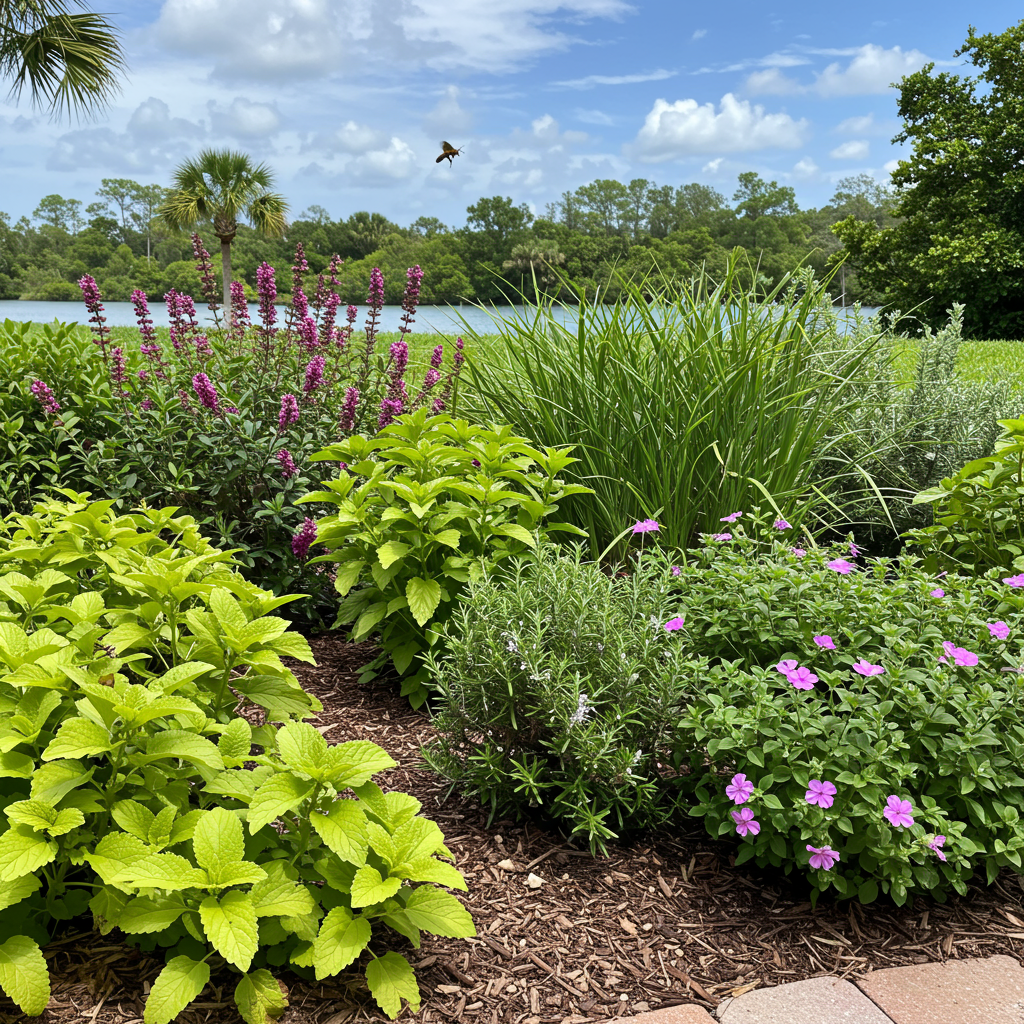
Selecting the best hedge bushes to plant in Florida full sun is critical for creating beautiful, functional landscapes that thrive in the Sunshine State’s intense conditions. This guide highlights top-performing, heat-tolerant, and drought-resistant options perfect for privacy, borders, and enhancing your yard’s curb appeal.
Florida’s abundant sunshine is fantastic for outdoor living, but it also means choosing the right plants is paramount. When it comes to hedges, you need resilient varieties that can withstand intense heat, high humidity, and often sandy soils, all while providing the desired aesthetic and function. This post will walk you through the top choices for full-sun hedge bushes that are perfectly suited for Florida’s unique climate.
Why Choose Full Sun Hedges in Florida?
Full sun exposure in Florida means 6+ hours of direct sunlight daily, which can be challenging for many plants. However, selecting the right full-sun-loving hedges offers significant advantages:
Beating the Heat and Humidity
Plants adapted to full sun in Florida are naturally more robust against heat stress and humidity-related issues like fungal diseases. They are typically drought-tolerant once established, saving water and maintenance.
Enhancing Privacy and Curb Appeal
Hedges provide a natural, living privacy screen, reducing noise and creating a serene outdoor space. Beyond privacy, they add significant curb appeal, defining property lines, creating visual interest, and even attracting beneficial wildlife.
Top Picks: Best Hedge Bushes for Florida Full Sun
Here are some of the most reliable and aesthetically pleasing hedge bushes that thrive in full sun conditions across Florida:
1. Viburnum Varieties (Viburnum odoratissimum, Viburnum suspensum)
- Why it’s great: Fast-growing, dense, and produces attractive foliage. ‘Awabuki’ viburnum has glossy, dark green leaves, while ‘Suspendum’ offers a more upright, bushy form. Highly adaptable and relatively low maintenance.
- Characteristics: Evergreen, varying heights up to 15-20 feet, white flowers in spring followed by small red berries.
2. Ligustrum (Ligustrum japonicum, Ligustrum sinense)
- Why it’s great: A classic hedge plant known for its rapid growth and ability to be tightly clipped into formal shapes. It’s very hardy and can tolerate a range of soil conditions.
- Characteristics: Evergreen, dense foliage, white flowers in spring, can reach 10-15 feet if untrimmed. Note: Some Ligustrum varieties can be invasive; choose sterile or non-invasive cultivars if possible.
3. Podocarpus (Podocarpus macrophyllus)
- Why it’s great: A fantastic alternative to traditional conifers, Podocarpus offers a clean, upright growth habit with narrow, dark green leaves. It’s excellent for formal hedges and privacy screens, tolerating heavy pruning well.
- Characteristics: Evergreen, slow to moderate growth, can reach 15-20 feet. Very clean and low-litter plant.
4. Natal Plum (Carissa macrocarpa)
- Why it’s great: This thorny, drought-tolerant shrub is ideal for security hedges or low, dense barriers. It produces fragrant white flowers and edible red fruit (best for jams). ‘Boxwood Beauty’ is a compact cultivar.
- Characteristics: Evergreen, up to 5-8 feet tall, highly salt-tolerant, great for coastal areas.
5. Schilling’s Holly (Ilex vomitoria ‘Schillings’ / ‘Schillings Dwarf’)
- Why it’s great: A dwarf Yaupon Holly, ‘Schillings’ forms a dense, natural-looking hedge that requires minimal pruning. Its small, dark green leaves give it a refined texture.
- Characteristics: Evergreen, moderate growth, typically stays 3-5 feet tall and wide. Extremely tough and adaptable.
6. Clusia (Clusia guttifera, ‘Small Leaf Clusia’)
- Why it’s great: Gaining popularity for its incredibly tough, leathery, dark green leaves. Clusia creates a very dense, modern-looking hedge and is highly salt-tolerant, making it perfect for coastal properties.
- Characteristics: Evergreen, moderate growth, can reach 10-15 feet if left unpruned. Great for a formal, clean look.
7. Buttonwood (Conocarpus erectus)
- Why it’s great: An excellent choice for challenging coastal conditions, Buttonwood is highly salt-tolerant and can withstand strong winds. It has attractive silvery-green foliage, especially the ‘Silver’ cultivar, and can be pruned into a beautiful hedge.
- Characteristics: Evergreen, fast-growing, can reach 10-20 feet. Comes in green and silver varieties.
8. Firebush (Hamelia patens)
- Why it’s great: If you want a flowering hedge that attracts hummingbirds and butterflies, Firebush is a vibrant option. It produces continuous clusters of fiery orange-red tubular flowers throughout the warm months.
- Characteristics: Semi-evergreen to evergreen (depending on winter temps), fast-growing, can reach 5-10 feet.
9. Oleander (Nerium oleander)
- Why it’s great: A classic Florida hedge known for its beautiful, abundant flowers in various colors (pink, white, red, yellow). It’s incredibly drought-tolerant and thrives in full sun.
- Characteristics: Evergreen, fast-growing, can reach 8-12 feet. Important Note: All parts of the Oleander plant are highly toxic if ingested by humans or pets. Plant with caution if you have children or animals.
Key Considerations When Selecting Your Hedge
Beyond sun tolerance, think about these factors to ensure you pick the perfect hedge for your landscape:
Desired Height and Width
Consider the mature size of the bush and how tall and wide you need your hedge to be. Will it block a view you want to keep or overpower a small space?
Growth Rate and Maintenance
Do you want a fast-growing hedge for quick privacy, or are you willing to wait for a slower-growing, lower-maintenance option? Factor in how often you’re willing to prune.
Soil and Water Needs
While all these options tolerate full sun in Florida, some are more adaptable to sandy soils or require less watering once established.
Pest and Disease Resistance
Choosing healthy, resistant varieties will save you time and money on pest control and treatments. All the options listed here are generally robust.
Planting and Caring for Your Florida Full Sun Hedge
Even the best choices need a little help to thrive.
Site Preparation
Ensure your planting area has good drainage. Amend poor soils with compost to improve fertility and moisture retention. Test your soil’s pH; most Florida-friendly plants prefer slightly acidic to neutral soils.
Proper Planting Techniques
Dig a hole twice as wide as the root ball and just as deep. Loosen any circling roots. Plant the bush so the top of the root ball is level with the surrounding soil. Backfill gently and water thoroughly.
Watering Schedule
Water deeply and regularly during the establishment period (first 6-12 months). Once established, most full-sun Florida hedges are quite drought-tolerant but will benefit from watering during prolonged dry spells.
Pruning for Shape and Health
Prune regularly to maintain the desired size and shape. For formal hedges, frequent light trimming is best. For natural hedges, prune to remove dead or diseased branches and to encourage bushier growth.
Fertilization
Fertilize in spring and fall with a balanced, slow-release fertilizer formulated for landscape plants in Florida. Follow package directions based on the plant’s size.
Frequently Asked Questions (FAQs)
Q1: How far apart should I plant hedge bushes?
A1: This depends on the mature width of the bush and how quickly you want a dense hedge. A general rule is to plant them 1/2 to 2/3 of their mature width apart. For example, if a bush grows 6 feet wide, plant them 3-4 feet apart.
Q2: Do these bushes need a lot of water?
A2: While all the listed bushes prefer full sun and are generally drought-tolerant once established, they will need consistent watering during their first 6-12 months to develop strong root systems. After that, they usually only require supplemental water during extended dry periods.
Q3: Are there any hedges safe for pets and children?
A3: Most plants should be approached with caution around pets and small children. Among the options listed, Firebush and Podocarpus are generally considered safer. However, always research specific plant toxicity and supervise children and pets. Oleander is highly toxic.
Q4: How fast do these hedges grow?
A4: Growth rates vary. Ligustrum and Firebush are known for rapid growth (1-3 feet per year), while Podocarpus and Schilling’s Holly grow at a moderate to slow pace (6-12 inches per year). Viburnum and Clusia offer a moderate growth rate.
Q5: When is the best time to plant hedges in Florida?
A5: The best time to plant hedges in Florida is during the cooler months, from late fall to early spring (October to March). This allows plants to establish their root systems before the intense heat and heavy rains of summer arrive.
Conclusion
Creating a thriving, beautiful hedge in Florida’s full sun is entirely achievable with the right plant choices. By selecting from the best hedge bushes to plant in Florida full sun, such as resilient Viburnum, versatile Clusia, or vibrant Firebush, you can establish an enduring landscape that offers privacy, beauty, and ecological benefits. Remember to consider your specific needs, the mature size of the plants, and dedicate time to proper planting and care, and you’ll enjoy a lush, sun-kissed hedge for years to come.