Choosing the right grass for your Florida lawn can make all the difference in how your yard looks and feels. You want grass that stays green, grows well in the heat, and doesn’t demand endless care.
But with so many options, it can be confusing to know which grass is best for your home. What if you could find the perfect grass that handles Florida’s sun and occasional drought with ease? Keep reading, and you’ll discover the top grasses that thrive in Florida’s unique climate, helping you create a lush, healthy lawn you’ll love spending time on.

Credit: sunriseirrigationandsprinklers.com
Top Grass Types For Florida
Choosing the right grass for Florida lawns means considering heat, humidity, and soil type. The best grasses thrive in warm climates and resist pests and drought. Several grass types suit Florida’s environment well. Each offers unique benefits for home lawns, parks, and sports fields.
Bahia Grass Benefits
Bahia grass grows well in sandy, poor soils common in Florida. It requires little water and fertilizer. This grass tolerates heat and drought better than many others. Bahia grass has deep roots that prevent soil erosion. It forms a thick, coarse lawn that handles foot traffic well. This grass needs less mowing and care, saving time and money.
Bermuda Grass Features
Bermuda grass is popular for its fine texture and dense growth. It recovers quickly from damage and fills bare spots fast. This grass loves full sun and withstands heat and heavy use. Bermuda grass is great for lawns, golf courses, and sports fields. It requires regular watering and mowing to stay healthy. It also handles Florida’s humid summers well.
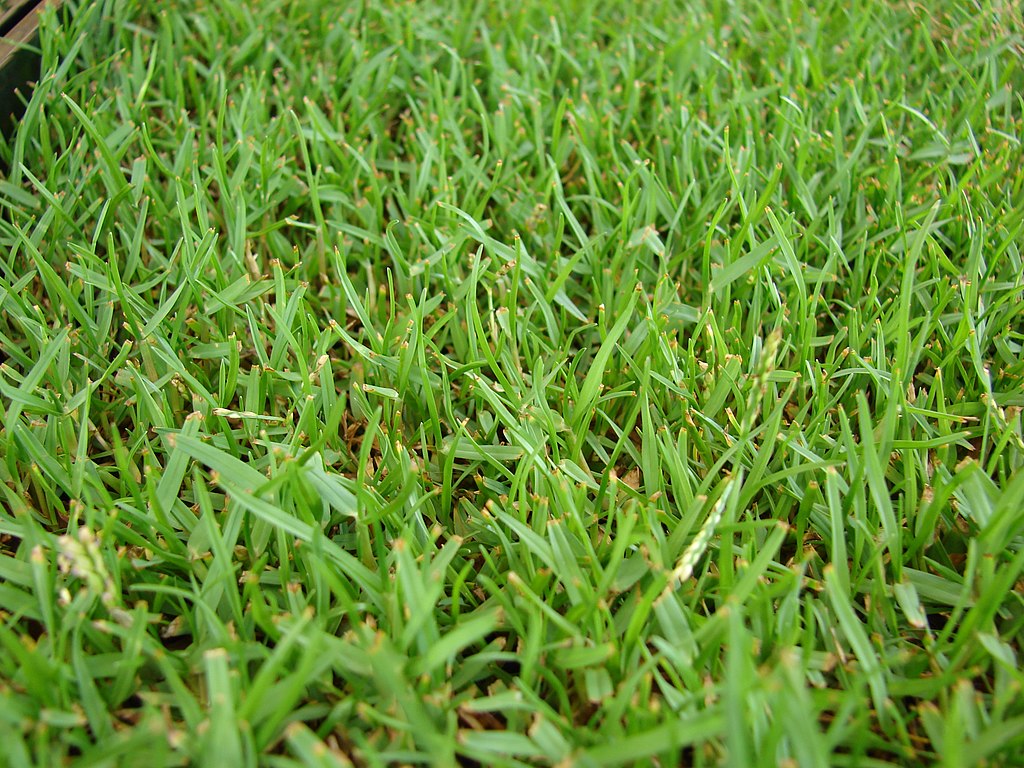
Zoysia Grass Qualities
Zoysia grass grows slowly but creates a soft, thick carpet. It tolerates heat, drought, and some shade. Zoysia resists weeds and foot traffic, making it durable. This grass has a slow growth rate, so it needs less mowing. It prefers well-drained soils common in Florida. Zoysia grass looks good all year with proper care.
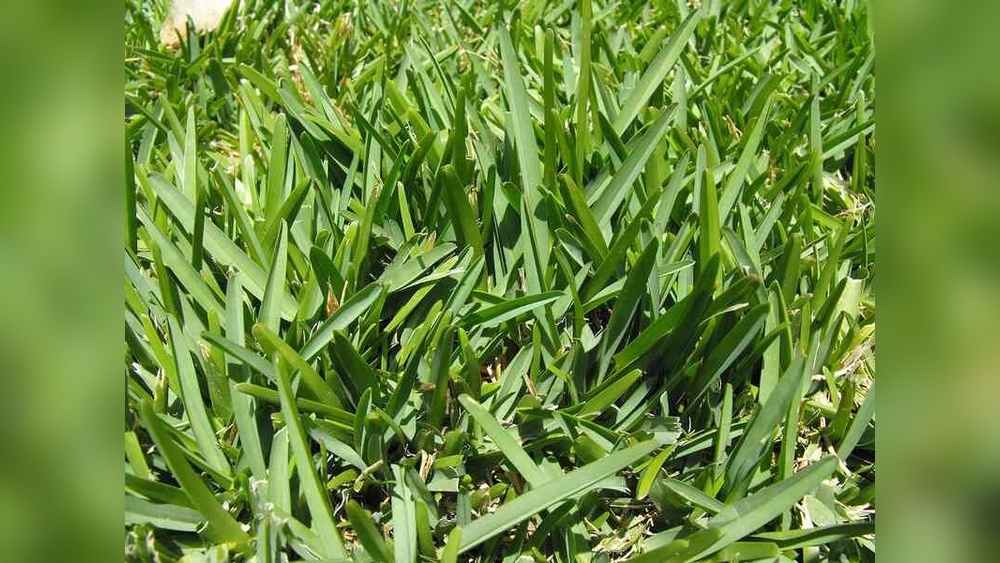
St. Augustine Grass Traits
St. Augustine grass is widely used in Florida for its shade tolerance. It grows well in warm, humid climates and sandy soils. This grass has wide blades and a lush green color. St. Augustine forms a dense lawn that crowds out weeds. It needs regular watering and fertilizer for best results. It handles salt spray, making it good near coasts.
Credit: www.groundsource.pro
Climate And Soil Considerations
Choosing the best grass for Florida means understanding the state’s unique climate and soil. Florida’s warm weather and varied soil types affect grass growth. Picking the right grass depends on how well it handles heat, drought, soil type, and shade.
Heat And Drought Tolerance
Florida gets very hot in summer. Many grasses struggle with extreme heat and dry spells. Grass types with strong heat tolerance stay green longer. They need less water and recover quickly from drought. Bermudagrass and Zoysiagrass are good examples. They handle heat and dry conditions better than many others.
Soil Preferences
Florida’s soil varies from sandy to clay-like. Sandy soils drain water fast but lose nutrients quickly. Clay soils hold water but can stay wet too long. Grass that grows well in sandy soil must handle low nutrients. Those suited for clay soil need good root systems to avoid rot. St. Augustinegrass prefers sandy soil and thrives in coastal areas. Bahia grass grows well in poor soils and tolerates dryness.
Shade Adaptability
Many Florida yards have trees that create shade. Not all grass grows well in shaded spots. Shade-tolerant grass types can survive with less sunlight. St. Augustinegrass and Zoysiagrass do well in partial shade. Choosing shade-friendly grass helps keep your lawn green under trees. It also reduces bare patches caused by low light.
Maintenance Requirements
Maintaining grass in Florida requires attention to specific needs. The warm climate and sandy soil influence how you care for your lawn. Proper maintenance keeps grass healthy and vibrant all year.
Understanding watering, fertilization, and mowing helps your grass thrive. Each type of grass has unique care needs. Follow these tips to keep your lawn green and strong.
Watering Needs
Florida grasses usually need about one inch of water weekly. Early morning watering reduces evaporation and disease risk. Avoid watering late in the day to keep leaves dry overnight. Use a sprinkler that distributes water evenly. Adjust watering during rainy periods to prevent overwatering.
Fertilization Tips
Fertilize your Florida grass every 6 to 8 weeks during growing seasons. Use a fertilizer high in nitrogen for green, lush growth. Apply fertilizer evenly to avoid brown spots. Follow product instructions for the correct amount. Avoid fertilizing during drought to prevent stress on grass.
Mowing Practices
Keep grass height between 2 to 3 inches depending on grass type. Use sharp mower blades to avoid tearing grass. Mow regularly, removing no more than one-third of the grass blade. Leave grass clippings on the lawn to add nutrients back. Adjust mowing frequency based on growth speed.
Lawn Establishment Methods
Establishing a healthy lawn in Florida requires choosing the right method. Each method has unique steps and benefits. Proper lawn establishment ensures strong grass growth and durability. This section explains the main ways to start your Florida lawn.
Seeding Options
Seeding is a cost-effective way to start a lawn. You spread grass seeds directly on prepared soil. Choose seeds that suit Florida’s heat and humidity. Keep the soil moist until seeds sprout. Seeding takes more time but allows variety in grass types. It works well for large areas and uneven ground.
Sodding Advantages
Sodding means laying down pre-grown grass pieces. This method offers instant green lawn results. Sod adapts quickly to the soil, reducing erosion. It is ideal for quick lawn establishment before events or summer heat. Sodding requires more money but less waiting time. Proper watering after laying sod is essential for success.
Sprigging Techniques
Sprigging involves planting grass stems or runners into the soil. It suits warm-season grasses common in Florida. This method uses less grass material than sodding. Sprigging takes longer to fill in but is cheaper than sod. Keep soil moist and protect sprigs from foot traffic. It works well for repairing or expanding lawns gradually.
Dealing With Pests And Diseases
Maintaining a lush, green lawn in Florida means facing pests and diseases that threaten grass health. Knowing how to handle these challenges keeps your lawn vibrant and strong. This section covers common lawn pests, disease prevention, and natural control methods to protect your grass.
Common Lawn Pests
Florida lawns often suffer from pests like chinch bugs, sod webworms, and mole crickets. Chinch bugs suck sap from grass blades, causing yellow patches. Sod webworms chew grass leaves, leaving brown spots. Mole crickets tunnel underground, damaging roots and causing uneven growth. Early detection is key to stopping damage.
Disease Prevention
Diseases like brown patch and dollar spot thrive in Florida’s warm, humid climate. Avoid overwatering to reduce fungal growth. Mow regularly but not too short, keeping grass healthy. Proper fertilization strengthens grass against infections. Good drainage prevents water buildup that promotes disease. Clean lawn tools to avoid spreading pathogens.
Natural Control Methods
Encourage beneficial insects such as ladybugs and spiders to control pests naturally. Use neem oil sprays to repel insects without harsh chemicals. Apply beneficial nematodes to soil to target root-damaging pests. Keep grass healthy with organic compost and mulch to improve soil. Natural methods protect the environment and your lawn’s health.
Choosing Grass For Specific Uses
Choosing the right grass depends on how you plan to use your lawn. Different grasses handle wear, shade, and drought differently. Picking grass suited for your specific needs keeps your lawn healthy and beautiful. Consider the main use of your lawn before deciding on grass type.
High Traffic Areas
Lawns with heavy foot traffic need tough, resilient grass. Bermuda grass stands out for durability. It recovers quickly from damage and stays green under stress. Zoysia grass also handles traffic well and feels soft underfoot. Both types resist wear and tear from children, pets, and frequent activity.
Shaded Lawns
Grass in shady spots needs shade-tolerant varieties. St. Augustine grass thrives in low light and stays green. It grows thick and blocks weeds naturally. Another option is Zoysia grass, which tolerates partial shade. These grasses keep your lawn lush without full sun.
Drought-prone Zones
In dry areas, choose drought-resistant grass types. Bahia grass requires little water and survives heat well. Bermuda grass also tolerates drought once established. These grasses reduce water needs and stay healthy during dry spells. Water conservation becomes easier with the right grass choice.
Popular Grass Seed Brands
Choosing the right grass seed brand is key to growing a healthy lawn in Florida. Quality seeds ensure strong roots and vibrant green grass. Several popular brands offer blends suited for Florida’s warm climate. These brands provide reliable options that thrive in heat and humidity.
Scotts Bermudagrass
Scotts Bermudagrass is well-known for its durability and fast growth. It tolerates heat and recovers quickly from wear. This seed produces a dense lawn that resists pests and drought. Many Florida homeowners trust Scotts for easy lawn care.
Pennington Zoysia
Pennington Zoysia grows thick and soft. It handles Florida’s sun and heat without trouble. This grass has a slow growth rate, which means less mowing. It also stands up well to foot traffic and pests. Pennington offers high-quality seeds for lasting lawns.
Expert Gardener Mixes
Expert Gardener provides seed mixes designed for sun and shade. These blends combine grasses that adapt to Florida’s varied conditions. The mixes promote even growth and strong root systems. Expert Gardener seeds are budget-friendly and easy to find.
Credit: www.landcraftersfl.com
Frequently Asked Questions
What Is The Easiest Grass To Grow In Florida?
Bermudagrass ranks as the easiest grass to grow in Florida. It thrives in heat, resists drought, and recovers quickly from wear.
Which Grass Is Better, Zoysia Or St. Augustine?
Zoysia grass is drought-tolerant and dense, ideal for heavy foot traffic. St. Augustine thrives in shade and coastal areas but needs more water. Choose based on your climate and lawn use.
When’s The Best Time To Plant Grass In Florida?
The best time to plant grass in Florida is late spring through early summer. Warm soil encourages strong growth. Plant warm-season grasses like Bermudagrass or Zoysia during this period for optimal results. Avoid planting in cold or wet conditions to prevent poor germination.
What Grass Types Grow Best In Florida’s Climate?
Warm-season grasses like St. Augustine, Bermuda, and Zoysia thrive best in Florida’s hot, humid climate. They handle heat, humidity, and occasional drought well. These grasses are popular choices for Florida lawns due to their durability and lush appearance.
Conclusion
Choosing the right grass helps your Florida lawn stay green and healthy. Warm-season grasses like Bermuda and St. Augustine thrive in Florida’s heat. They handle sun, humidity, and occasional drought well. Proper care and watering keep your lawn beautiful all year.
Select grass that suits your yard’s shade and soil type. This way, your lawn will grow strong and last long. A great lawn starts with the best grass choice for Florida.