Picture this: It’s a sunny afternoon, and you’re strolling through your backyard, reaching up to pick a ripe, juicy piece of fruit straight from the tree. The scent of citrus hangs in the air, or maybe the sweet perfume of a ripening mango. Living in North Florida, you’re blessed with a climate that can support a variety of delicious fruits. But choosing the right ones can be tricky. This article will help you select the best fruit to grow in North Florida, equipping you with the knowledge to cultivate a flourishing home orchard and enjoy fresh, homegrown produce. You’ll learn the best varieties, how to care for them, and avoid common pitfalls. Get ready to transform your backyard into a fruit-bearing paradise, and say goodbye to store-bought produce.
The 10 Best Fruits for North Florida Gardens
North Florida’s unique climate, with its warm temperatures and occasional freezes, creates a specific set of challenges and opportunities for fruit growers. Successful cultivation requires choosing fruits that can tolerate both the heat of summer and the potential for cold snaps in winter. This means considering factors like chill hours (the amount of time a plant needs to be exposed to cold temperatures to produce fruit), disease resistance, and overall hardiness. We’ll explore ten of the most promising fruit options for your North Florida garden, providing detailed information about each, including variety recommendations, care tips, and potential challenges. Preparing your soil, understanding the microclimates in your yard, and selecting the right variety are the foundational steps to harvest delicious fruits from your backyard. Let’s explore the best fruit to grow in North Florida.
1. Muscadine Grapes
Muscadine grapes are a Southern staple, perfectly adapted to the warm, humid climate of North Florida. They are native to the region and incredibly disease-resistant, making them a low-maintenance option for home gardeners. They thrive in well-drained soil and require full sun to produce their best fruit. They are vigorous growers and can be trained on arbors, trellises, or fences. Muscadines offer a unique flavor profile, ranging from sweet to slightly tart, and come in various colors, including bronze, black, and purple. They are also packed with antioxidants.
Muscadine Grape Growing Tips:
-
- Variety Selection: Choose varieties like ‘Carlos’ (bronze), ‘Noble’ (black), or ‘Magnolia’ (bronze) for reliable production.
‘Carlos’ is a self-pollinating bronze variety known for its high yields and sweet flavor, making it perfect for fresh eating and juicing. ‘Noble,’ a black muscadine, is also self-fertile, offering a more tart flavor that is excellent for jams and jellies. ‘Magnolia’ is another popular choice, a bronze variety known for its large berries and good productivity.
-
- Planting and Training: Plant in a location with good air circulation and plenty of sunlight. Provide a sturdy trellis system for support.
Proper spacing is key to promote good air circulation. A typical spacing is 10-12 feet between plants within a row, and the rows should be spaced 12-15 feet apart. Pruning is essential for both yield and fruit quality. Prune the vines annually during the dormant season to remove old growth and encourage new fruiting wood. Training your grapes on a trellis maximizes sun exposure and allows for easier harvesting.
-
- Pest and Disease Management: Muscadines are generally disease-resistant, but watch for pests like Japanese beetles.
To reduce the likelihood of pest infestations, ensure good air circulation by proper pruning and spacing. Consider using organic pest control methods such as introducing beneficial insects. For diseases, preventative measures like removing fallen leaves and avoiding overhead watering can help keep your grapes healthy.
2. Citrus Fruits (Oranges, Grapefruit, Lemons)
Citrus trees are a classic choice for North Florida gardens, thriving in the region’s warm climate. Oranges, grapefruit, lemons, and limes all flourish, providing an abundance of fruit. Selecting the right variety is crucial, with cold hardiness being the most important factor. The key to success is to protect them from freezes, either by planting them in a sheltered location or by covering them during cold snaps. These trees also benefit from well-drained soil, regular fertilization, and plenty of sunlight. Freshly picked citrus fruits make any meal better.
Citrus Growing Guide:
-
- Variety Selection: Choose cold-hardy varieties like ‘Satsuma’ mandarin oranges, ‘Rio Red’ grapefruit, or ‘Meyer’ lemons.
‘Satsuma’ mandarins are known for their exceptional cold hardiness and easy-to-peel segments, making them a popular choice for home gardens. ‘Rio Red’ grapefruits offer a sweet, juicy flavor and good cold tolerance. ‘Meyer’ lemons are a hybrid known for their thin skins and slightly sweeter taste compared to traditional lemons.
-
- Soil and Planting: Citrus trees prefer well-drained soil and full sun. Amend the soil with organic matter before planting.
To prepare the soil, incorporate compost or well-rotted manure to improve drainage and nutrient content. When planting, dig a hole that is as deep as the root ball and twice as wide. Avoid planting too deep; the top of the root ball should be level with or slightly above the soil surface.
-
- Freeze Protection: Protect young trees from freezes by covering them with blankets or burlap. For mature trees, consider using frost cloth or a temporary shelter.
During a freeze, drape the covering over the tree, ensuring it reaches the ground to trap heat. If possible, add a heat source, such as a string of incandescent lights, under the covering to provide additional warmth. Water your citrus trees thoroughly before a freeze, as moist soil retains heat better than dry soil.
3. Figs
Fig trees are another excellent choice for North Florida gardens, known for their ease of care and delicious fruit. Figs thrive in the warm climate and are relatively low-maintenance once established. They require well-drained soil and full sun but can tolerate some shade. Figs produce fruit without requiring pollination from other trees, making them a convenient option for home growers. Numerous varieties are available, each with unique fruit characteristics. Figs are known for their sweet and tender flesh, delicious eaten fresh, dried, or made into jams.
Fig Cultivation Tips:
-
- Variety Selection: ‘Brown Turkey,’ ‘Celeste,’ and ‘LSU Purple’ are popular and reliable fig varieties for North Florida.
‘Brown Turkey’ is a widely grown variety known for its excellent production and sweet, reddish-brown fruit. ‘Celeste’ is a cold-hardy variety with small, purplish-brown fruits and a sugary flavor. ‘LSU Purple’ offers large, dark purple figs and good disease resistance.
-
- Planting and Care: Plant fig trees in a location with good drainage and full sun. Water regularly during the growing season.
Figs prefer a slightly acidic soil pH of 6.0 to 6.5. Pruning is essential to shape the tree and encourage fruit production. Prune in late winter or early spring to remove dead or crowded branches.
-
- Pest and Disease Management: Figs are generally pest-resistant, but watch for birds and the occasional fig rust.
Protect your figs from birds by using netting when the fruit is ripening. Fig rust can be managed by removing affected leaves and improving air circulation around the tree.
4. Blueberries
Blueberries thrive in North Florida’s acidic soil, making them a great choice for home gardens. They require specific soil conditions, including a low pH (ideally 4.5-5.5) and good drainage. You can achieve this by amending the soil with peat moss, sulfur, or pine bark. Blueberries need full sun to produce their best fruit and require regular watering, especially during dry periods. With proper care, blueberry bushes can provide an abundant harvest of sweet, juicy berries. Blueberries are delicious when added to your breakfast oatmeal.
Blueberry Planting Guide:
-
- Variety Selection: Choose Southern Highbush varieties like ‘Emerald,’ ‘Jewel,’ or ‘Star.’ Rabbiteye varieties like ‘Tifblue’ and ‘Brightwell’ also do well.
‘Emerald’ is a popular Southern Highbush variety, known for its early ripening and large, flavorful berries. ‘Jewel’ and ‘Star’ are also Southern Highbush varieties that are productive and well-suited to the North Florida climate. ‘Tifblue’ and ‘Brightwell’ are Rabbiteye varieties that are heat-tolerant and can produce heavily.
-
- Soil Preparation: Blueberries require acidic soil. Amend the soil with peat moss, sulfur, or pine bark to lower the pH.
To determine your soil’s pH, conduct a soil test. Ideally, amend the soil a few weeks before planting. Mix the amendments thoroughly into the soil. Ensure good drainage; blueberries do not like wet feet.
-
- Pruning and Care: Prune blueberry bushes in late winter to remove dead or weak branches. Water regularly, especially during dry spells.
Prune to promote air circulation and fruit production. Remove any branches that are touching the ground. Apply a balanced fertilizer specifically formulated for blueberries in early spring and again after harvest.
5. Peaches
Peach trees are a rewarding addition to North Florida gardens, offering sweet and juicy fruit. Selecting the right variety is vital for success, as peaches require a certain number of chill hours (the amount of time they need to be exposed to cold temperatures). Choose low-chill varieties that are adapted to the warmer winters of North Florida. Peach trees need full sun, well-drained soil, and regular pruning. Careful management of pests and diseases is important to ensure a bountiful harvest. Homegrown peaches make the best pies.
Peach Growing Essentials:
-
- Variety Selection: Select low-chill varieties like ‘Flordaking,’ ‘Gulfking,’ or ‘Southern Belle.’
‘Flordaking’ is one of the earliest ripening varieties and has a low chill hour requirement, perfect for North Florida. ‘Gulfking’ and ‘Southern Belle’ also thrive in the warmer climate and produce tasty fruit. Research the chill hour requirements to make sure it matches your area.
-
- Pruning: Peach trees need annual pruning to shape the tree and promote fruit production. Prune in late winter.
The goal is to open the tree’s center to allow sunlight and airflow, reducing disease risk. Remove dead, diseased, or crossing branches. Thinning the fruit after it sets will improve fruit size and quality.
-
- Pest and Disease Control: Watch for pests like aphids and peach leaf curl. Implement pest control measures as needed.
Peach leaf curl is a common fungal disease. Spray dormant oil during the winter to prevent it. Consider using organic pest control methods such as introducing beneficial insects. Regular inspections will help identify problems early.
6. Loquats
Loquat trees, with their glossy green leaves and attractive appearance, are a beautiful and productive addition to any North Florida garden. These trees produce clusters of small, sweet, and slightly tart fruit in early spring. Loquats are relatively low-maintenance and can tolerate a range of soil conditions, as long as the soil is well-drained. They require full sun and benefit from regular watering, especially during dry periods. Loquats are a unique fruit, delicious eaten fresh or made into jams or jellies. Loquat trees offer shade and beauty to a home.
Loquat Tree Care:
-
- Variety Selection: ‘Gold Nugget’ and ‘Premier’ are popular loquat varieties, known for their sweet fruit.
Both varieties produce large, flavorful fruit. Research local nurseries to find the varieties best suited to your specific microclimate.
-
- Planting and Care: Loquats prefer full sun but can tolerate partial shade. Water regularly, especially during the first few years.
Make sure that your loquat tree receives about 6-8 hours of sunlight per day. Fertilize the tree in early spring and again in late summer with a balanced fertilizer. Mulch around the base of the tree to retain moisture and suppress weeds.
-
- Pest and Disease Management: Loquats are generally pest-resistant but may be susceptible to certain fungal diseases.
Proper pruning promotes air circulation, which can help prevent fungal issues. Remove any infected fruit or branches promptly. Regularly inspect for pests.
7. Mangoes
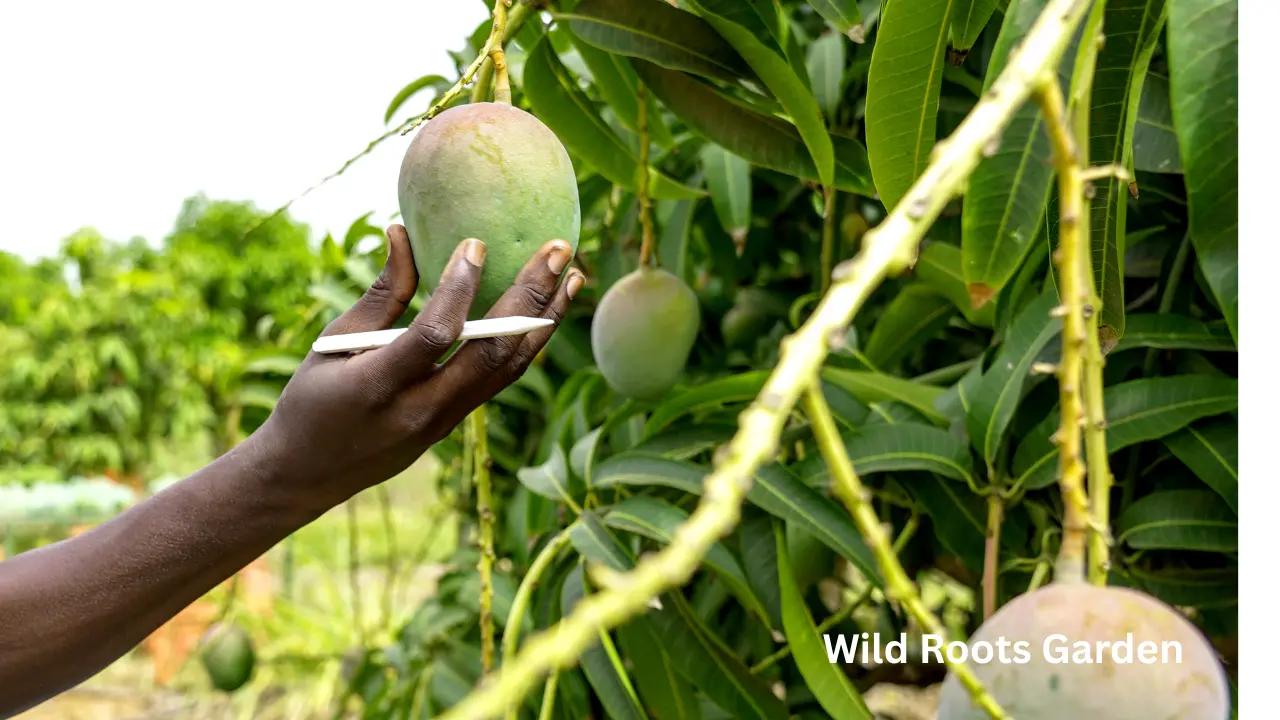
Mango trees, while more challenging, can be successfully grown in North Florida, especially in the southern regions. These trees require a warm climate and protection from freezes, particularly when young. Selecting cold-hardy varieties and planting in a sheltered location is crucial. Mangoes need well-drained soil, full sun, and protection from strong winds. With patience and care, you can enjoy the delicious, tropical fruit of your own mango tree. The taste of a ripe mango is like a vacation.
Mango Cultivation Tips:
-
- Variety Selection: Choose cold-hardy varieties like ‘Glenn,’ ‘Carrie,’ or ‘Kent,’ planted in a sheltered microclimate.
‘Glenn’ is a popular choice known for its excellent flavor and relatively good cold hardiness. ‘Carrie’ offers a fiberless texture and a rich, sweet taste. ‘Kent’ is a large mango with a sweet flavor and good disease resistance.
-
- Freeze Protection: Protect young trees from freezes by covering them with blankets or burlap.
For young trees, a frame with a covering that can be easily removed is an effective method. During a freeze, you can add a heat source, such as a string of incandescent lights, under the covering to provide additional warmth. Make sure your plants have water beforehand.
-
- Fertilizing and Watering: Mangoes require regular watering, especially during dry periods. Fertilize regularly with a fertilizer formulated for fruit trees.
Mangoes benefit from consistent moisture, especially during fruit development. Water deeply but infrequently. Choose a balanced fertilizer and follow the manufacturer’s instructions. Mulching helps retain soil moisture and reduce the need for watering.
8. Avocados
Avocados, while typically associated with warmer climates, can be grown in North Florida with careful consideration. The key is to select cold-hardy varieties and provide protection from freezes. These trees need well-drained soil, full sun, and shelter from wind. Avocados are slow-growing and require patience, but the reward of homegrown avocados is well worth the effort. Consider planting your avocado in a microclimate that offers wind protection.
Avocado Growing Guide:
-
- Variety Selection: Choose cold-hardy varieties like ‘Brogden’ and ‘Wurtz.’
‘Brogden’ is a cold-hardy variety known for its tolerance of cooler temperatures. ‘Wurtz’ is a dwarf variety, making it easier to manage in a home garden.
-
- Planting and Care: Plant avocados in a location with well-drained soil and full sun. Protect young trees from freezes.
Consider planting on a slight mound to improve drainage. Water deeply but infrequently. Mulch around the base of the tree to retain moisture and suppress weeds.
-
- Freeze Protection: Protect young trees from freezes by covering them with blankets or burlap.
Provide a frame to make it easier to cover and uncover the tree during cold snaps. Using a heat source is helpful in severe freezes.
9. Persimmons
Persimmon trees are another excellent choice for North Florida gardens, offering beautiful foliage, attractive fruit, and a unique flavor. There are two main types: American persimmons (Diospyros virginiana) and Asian persimmons (Diospyros kaki). American persimmons are native to the region and are generally more cold-hardy, while Asian persimmons offer a wider range of fruit sizes and flavors. Persimmons thrive in well-drained soil and full sun. Persimmons make an excellent alternative to many common fruits.
Persimmon Tree Care:
-
- Variety Selection: Choose varieties like ‘Meader’ (American) or ‘Fuyu’ (Asian).
‘Meader’ is a popular American persimmon known for its cold hardiness and good fruit quality. ‘Fuyu’ is a non-astringent Asian persimmon that can be eaten when firm.
-
- Planting and Care: Plant persimmon trees in a location with well-drained soil and full sun. Water regularly during dry periods.
Persimmons prefer slightly acidic to neutral soil. Prune in late winter to shape the tree and remove dead or crossing branches. Protect young trees from deer.
-
- Harvesting and Storage: Harvest persimmons when they are fully ripe. Store persimmons at room temperature until ripe.
For astringent varieties, wait until the fruit is very soft. Non-astringent varieties can be eaten while still firm. Persimmons can be stored in the refrigerator for a few days.
10. Pawpaws
Pawpaws, native to North America, are an excellent choice for North Florida gardens, offering a unique tropical fruit flavor. These trees are relatively low-maintenance, requiring minimal care once established. They thrive in partial shade and prefer well-drained soil. Pawpaws produce large, green fruit that ripens in late summer or early fall. Pawpaws can be eaten fresh or used in jams, jellies, and desserts. Growing pawpaws is an adventure.
Pawpaw Growing Tips:
-
- Planting and Care: Plant pawpaw trees in a location with partial shade and well-drained soil. Water regularly, especially when the trees are young.
Pawpaws benefit from a slightly acidic soil pH of 6.0 to 7.0. Mulch around the base of the tree to retain moisture and suppress weeds. Protect young trees from direct sunlight.
-
- Pollination: Pawpaws require cross-pollination. Plant at least two different varieties.
Hand-pollination can be done using a small brush. Pawpaws can be slow to start producing fruit. Be patient, as they often take several years.
-
- Pest and Disease Management: Pawpaws are generally pest-resistant but may be susceptible to some diseases.
Pawpaw trees are rarely affected by serious diseases. Remove any fallen fruit promptly to prevent the spread of diseases. Protect the fruit from animals by using netting.
The 2021 USDA Plant Hardiness Zone Map for North Florida indicates that much of the region falls within zones 8a to 9b. This means average minimum winter temperatures range from 10°F to 30°F. Therefore, the selection of cold-hardy fruit varieties is essential.
Here are some examples of success stories.
- A family in Gainesville successfully cultivated a ‘Satsuma’ mandarin orange tree by providing consistent watering, amending their soil with compost, and protecting the tree during a hard freeze with a tarp and Christmas lights. The result was a harvest of sweet, juicy mandarins for years to come.
- A retired couple in Jacksonville planted a ‘Brown Turkey’ fig tree in a sunny corner of their backyard. They followed the basic pruning guidelines and enjoyed a bountiful crop of figs every summer. They found the trees were low-maintenance and produced delicious fruit.
| Fruit | Ideal Soil pH | Sunlight Requirements | Chill Hours (If Applicable) |
|---|---|---|---|
| Muscadine Grapes | 6.0 – 6.5 | Full Sun | N/A |
| Citrus Fruits | 6.0 – 7.0 | Full Sun | Varies by Variety |
| Figs | 6.0 – 6.5 | Full Sun | N/A |
| Blueberries | 4.5 – 5.5 | Full Sun | Varies by Variety |
Common Myths Debunked
Myth 1: You can’t grow tropical fruit in North Florida.
While the climate of North Florida isn’t purely tropical, it is possible to grow some tropical fruits. The key is to select cold-hardy varieties, provide protection from freezes, and plant in sheltered microclimates. Mangoes and avocados can thrive here if properly cared for.
Myth 2: Fruit trees are too much work.
Fruit trees require some effort, but many varieties are relatively low-maintenance once established. Regular watering, pruning, and occasional pest control are necessary, but the reward of fresh, homegrown fruit outweighs the effort. Selecting disease-resistant varieties also reduces the workload.
Myth 3: You need a lot of land to grow fruit.
You don’t need acres of land to grow fruit. Many fruit trees, like dwarf citrus and figs, can be grown in containers. Even a small backyard can accommodate a few well-chosen fruit trees, offering a significant yield.
Myth 4: All fruit trees require the same care.
Each fruit tree has unique needs. Soil pH requirements, sunlight preferences, and pruning techniques vary. Researching the specific needs of each fruit you choose to grow is key to your success.
Myth 5: It’s too difficult to prevent pests and diseases.
Pest and disease control doesn’t have to be difficult. Many organic and low-impact methods exist. Proper pruning to improve air circulation and selecting disease-resistant varieties can significantly reduce pest and disease issues. Consistent monitoring and early intervention are essential.
Frequently Asked Questions
Question: What is the best fruit for beginners to grow in North Florida?
Answer: Figs are an excellent choice for beginners due to their low-maintenance nature and high productivity in the North Florida climate. Citrus trees like Satsuma mandarins are also good options because they are relatively cold-hardy.
Question: How can I protect my fruit trees from freezes?
Answer: Covering young trees with blankets, tarps, or frost cloth is essential during freezes. You can also add a heat source, like a string of incandescent lights, under the cover. Planting trees in sheltered locations can also offer additional protection.
Question: How often should I fertilize my fruit trees?
Answer: The fertilization schedule depends on the fruit variety. In general, fertilize in early spring before new growth begins, and again after harvesting. Use a balanced fertilizer specifically formulated for fruit trees.
Question: Do I need to prune my fruit trees?
Answer: Yes, pruning is a key part of fruit tree care. Pruning is essential for shaping the tree, promoting fruit production, and improving air circulation. Proper pruning helps manage pests and diseases.
Question: How long does it take for a fruit tree to produce fruit?
Answer: The time it takes for a fruit tree to produce fruit varies depending on the species and variety. Some trees, like figs, may start producing fruit within a year or two, while others, like mangoes, may take longer.
Final Thoughts
Choosing the best fruit to grow in North Florida is a rewarding experience. As you explore your options, consider your personal preferences, the space you have available, and the amount of effort you’re willing to invest. Selecting the right varieties, like the cold-hardy Satsuma mandarin or a productive Brown Turkey fig, is key to success. Remember to pay attention to your soil, provide adequate sunlight, and protect your trees from freezes. By implementing these practices, you can successfully create your own backyard orchard that supplies fresh fruit for years. Growing your own fruit not only provides delicious and healthy food, but it also allows you to connect with nature and enjoy the satisfaction of harvesting your own bounty. Now it’s time to start planting!