
Florida has a warm climate that is perfect for many plants. If you live there, you can grow flowers, shrubs, and even vegetables. But not every plant likes Florida’s heat and sun. You need to pick the right ones. This guide will help you find the best plants to grow in Florida.
Why Choose Plants That Like Florida’s Climate?
Florida is hot and sunny most of the year. It also has a lot of rain sometimes. Some plants do well in these conditions. Others do not. Choosing the right plants means they will grow strong and look good. They will also need less water and care.
Credit: www.sarasotamagazine.com
Easy Plants to Grow in Florida
If you are new to gardening, start with easy plants. They do not need much work. Here are some simple plants to try:
- Pentas: These flowers bloom all year. They have red, pink, lavender, or white clusters. Butterflies and hummingbirds love them.
- Lantana: This plant blooms more when it is hot. It likes full sun and has colorful flowers.
- Hibiscus: A tropical flower with big, bright blooms. It attracts hummingbirds and loves heat.
- Vinca (SunPatiens): Great annual flowers that handle heat well. They grow in full sun.
Flowers That Love Heat and Sun
Florida’s sun can be strong. Some flowers grow better with lots of sun and warm weather. Here are some heat-tolerant flowers:
| Flower | Description |
|---|---|
| Hibiscus | Bright tropical flowers that bloom in heat. Attract hummingbirds. |
| Lantana | Colorful flowers that bloom more in hot weather. Loves full sun. |
| Plumbago | Evergreen shrub with blue flowers. Good for pots and gardens. |
| Firespike | Bright red or purple flowers in summer. Loved by hummingbirds. |
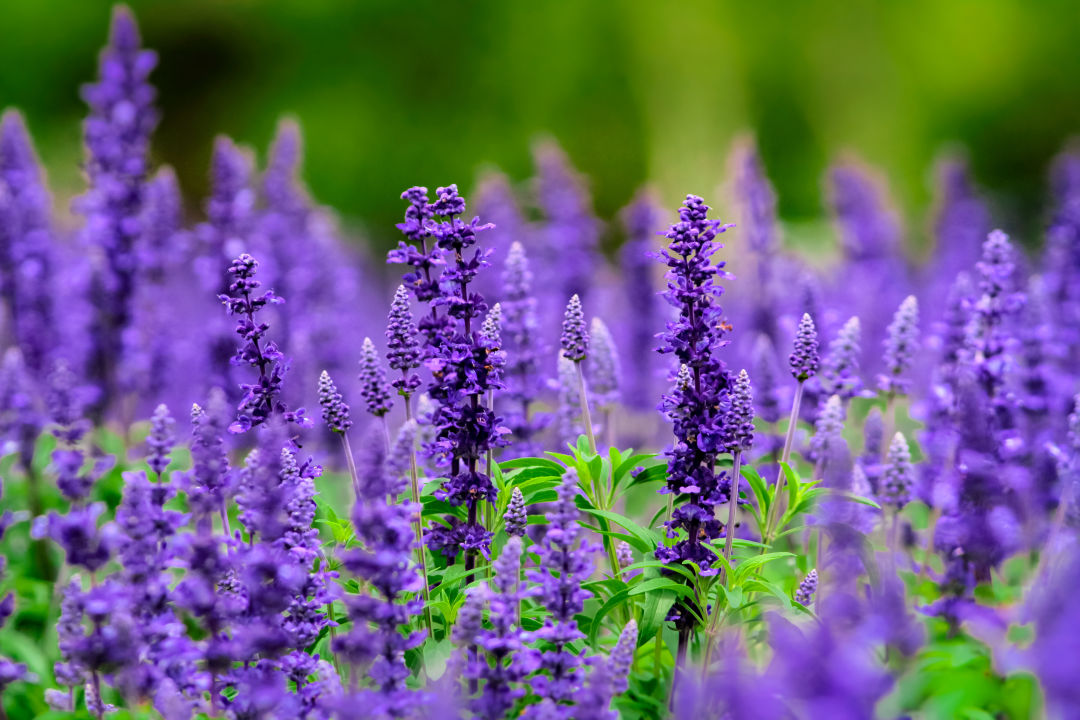
| Salvia | Tall spikes of purple, blue, or red flowers. Thrives in sun. |
| Egyptian Starflower | Small star-shaped flowers that form colorful balls. |
| Coral Honeysuckle | Native vine with coral flowers. Attracts butterflies and hummingbirds. |
| Bottlebrush | Unique brush-like flowers. Tolerates heat well. |
Best Shrubs, Palms, and Vines for Florida
Shrubs, palms, and vines add color and shape to any garden. Florida’s climate suits many of these plants. Here are some that do well:
- Crotons: Bright, colorful leaves. They love Florida’s heat.
- Succulents: These plants store water in their leaves. They are drought and heat tolerant.
- Gardenia: A fragrant, heat-tolerant shrub with creamy white flowers.
- Buttons Bush: Compact shrub that grows well in heat. Produces small round flowers.
- Cat Palm: A tropical palm that grows well indoors or outside.
- Arboricola: A popular leafy plant that handles Florida’s sun.
Credit: cuttersedgepro.com
Vegetables and Herbs That Grow Well in Florida
If you want to grow food, Florida’s climate can help. Some vegetables and herbs do well in heat and sun. Here are some choices:
- Okra: Loves warm weather. Easy to grow and produces tasty pods.
- Peppers: Hot and sweet peppers grow well in Florida’s sun.
- Malabar Spinach: A leafy green that grows fast in heat.
- Basil: A fragrant herb that loves sun and warmth.
- Rosemary: A drought-tolerant herb that does well in hot areas.
Tips for Growing Plants in Florida
Growing plants in Florida is fun but needs care. Follow these tips to help plants grow strong:
- Choose the right plants: Pick plants that like heat and sun.
- Plant in good soil: Florida soil can be sandy. Add compost or organic matter.
- Water smartly: Water plants early in the morning or late afternoon.
- Use mulch: Mulch keeps soil moist and stops weeds.
- Protect from storms: Florida can have strong storms. Secure or move delicate plants.
How to Create a Florida Garden
Planning your garden helps you grow the best plants. Here are steps to create your Florida garden:
- Pick a sunny or partly shady spot.
- Decide what plants you want—flowers, shrubs, or vegetables.
- Prepare the soil by clearing weeds and adding compost.
- Plant your chosen plants with space to grow.
- Water them well after planting.
- Add mulch to keep moisture in.
- Watch your plants grow and enjoy your garden!
Plants to Avoid in Florida
Some plants do not like Florida’s hot and humid weather. Avoid these to save time and money:
- Plants that need cold winters to grow well.
- Those that need very dry soil all the time.
- Plants sensitive to strong sun or heat.
Summary: Best Plants for Florida Gardens
Here is a quick list of the best plants to grow in Florida’s climate:
| Type | Plant Name | Why It Is Good |
|---|---|---|
| Flower | Pentas | Easy to grow, blooms all year, attracts butterflies. |
| Flower | Hibiscus | Bright tropical flowers, loves heat and sun. |
| Shrub | Gardenia | Fragrant, heat tolerant, attractive white flowers. |
| Palm | Cat Palm | Grows well indoors and outdoors in Florida. |
| Vegetable | Okra | Thrives in heat, easy to grow, tasty pods. |
| Herb | Basil | Loves sun, fragrant, perfect for cooking. |
Florida gardens can be beautiful and full of life. Choose the right plants and give them some care. You will enjoy colorful flowers, fresh herbs, and tasty vegetables all year. Happy gardening!
Frequently Asked Questions
What Is The Easiest Plant To Grow In Florida?
Pentas is the easiest plant to grow in Florida. It thrives with low maintenance and blooms colorful, butterfly-attracting flowers year-round.
What Plants Can Survive The Heat In Florida?
Heat-tolerant plants in Florida include hibiscus, lantana, plumbago, salvia, firespike, coral honeysuckle, crotons, and many succulents. These plants thrive in full sun and high temperatures, making them ideal for Florida gardens. Okra, peppers, and Malabar spinach also grow well in the heat.
What Is The 70/30 Rule In Gardening?
The 70/30 rule in gardening means planting 70% edible plants and 30% flowers or ornamental plants. This balance boosts garden productivity and attracts pollinators.
What Doesn’t Grow Well In Florida?
Plants that struggle in Florida include cool-season crops like broccoli, cauliflower, and Brussels sprouts. Also, most apples and peaches don’t thrive due to heat and humidity. Root vegetables like carrots and beets often face pest issues and poor soil conditions.
These plants prefer cooler, drier climates.