Florida is a special place for plants. It has many different zones. These zones help gardeners know what plants can grow well. This guide will explain what zone Florida is for plants. It will also help you learn how to pick the right plants for your garden.
What Are Plant Hardiness Zones?
Plant hardiness zones are areas on a map. They show the coldest temperatures in a place. These zones help gardeners choose plants that survive winters. Each zone has a number. The number tells how cold it gets in winter.
The United States Department of Agriculture (USDA) made the zones. The zones range from 1 to 13. Zone 1 is very cold. Zone 13 is very warm. Knowing your zone helps you pick plants that will live.
Florida’s Plant Hardiness Zones
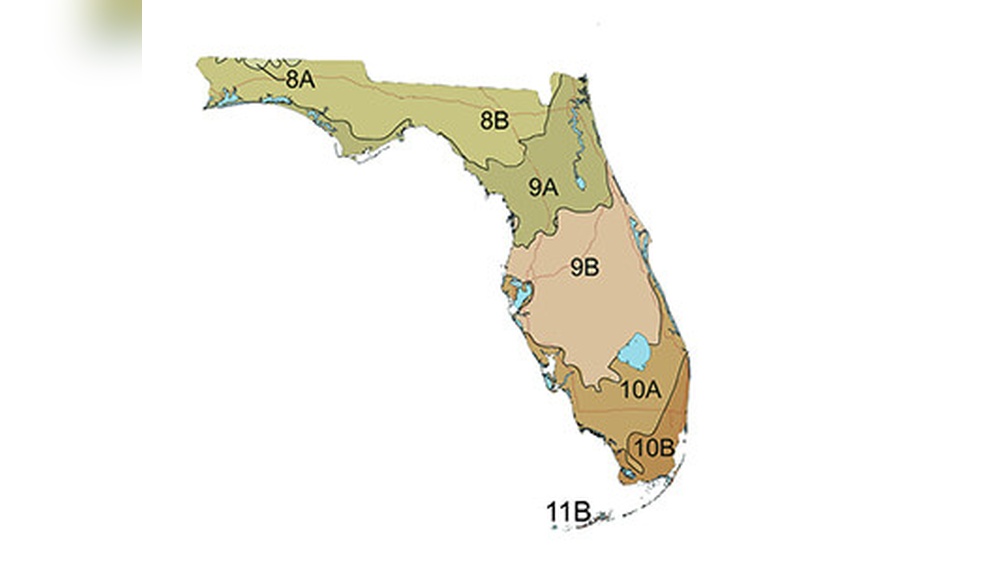
Florida is mostly warm. It has zones from 8 to 11. The north part of Florida is cooler. The south part is warmer. Some small parts near the coast are even warmer.
| Region in Florida | USDA Plant Zone | Temperature Range (°F) | Common Plants |
|---|---|---|---|
| North Florida | 8a to 9a | 10 to 20°F (-12 to -7°C) | Azaleas, Camellias, Crepe Myrtles |
| Central Florida | 9a to 10a | 20 to 30°F (-7 to -1°C) | Palms, Gardenias, Hibiscus |
| South Florida | 10b to 11a | 30 to 40°F (-1 to 4°C) | Mango, Avocado, Bougainvillea |
Why Are Plant Zones Important in Florida?
Florida’s climate changes from north to south. The north has cooler winters. The south has warm winters. Plant zones help people choose plants that grow well in their area.
If you pick a plant not for your zone, it may die in winter. For example, a plant for zone 11 may not survive in zone 8. Knowing your zone saves time and money.
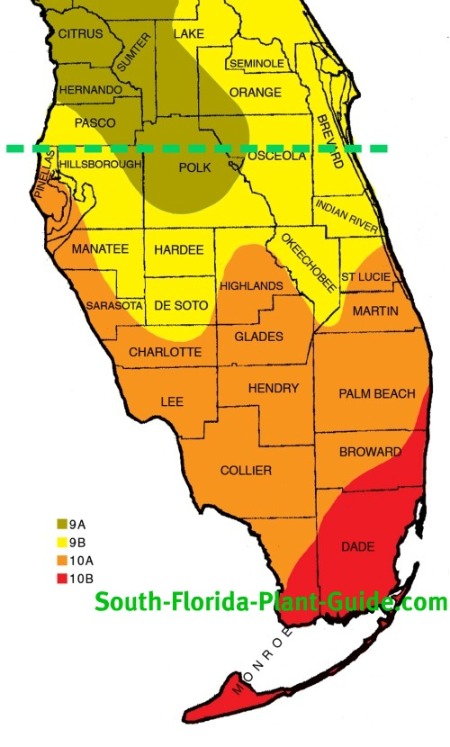
Credit: www.south-florida-plant-guide.com
How to Find Your Florida Plant Zone
Finding your zone is easy. You can use the USDA website. Enter your zip code. The site shows your exact zone. You can also use maps from local gardening groups.
Keep in mind, microclimates exist. A microclimate is a small area with different weather. Near lakes or oceans, the temperature may be warmer. This affects which plants grow best.
Steps To Find Your Zone
- Go to the USDA Plant Hardiness Zone Map online.
- Enter your zip code in the search bar.
- Look at the zone number it gives you.
- Use this number to pick plants for your garden.
Examples of Plants for Each Zone in Florida
Here are some plants that grow well in different Florida zones. This helps gardeners pick plants that are strong and healthy.
| Zone | Plant Types | Example Plants |
|---|---|---|
| 8a – 9a (North Florida) | Shrubs, Flowers, Small Trees | Azaleas, Camellias, Dogwood, Crepe Myrtle |
| 9a – 10a (Central Florida) | Tropical and Subtropical Plants | Hibiscus, Gardenias, Palms, Citrus Trees |
| 10b – 11a (South Florida) | Tropical Fruit Trees, Vines | Mango, Avocado, Bougainvillea, Banana |
Tips for Gardening in Florida Zones
Gardening in Florida can be fun and easy. Here are some tips:
- Know your zone: It helps you pick the right plants.
- Check local weather: Watch for cold snaps or heat waves.
- Use native plants: They grow well with less care.
- Water wisely: Florida can be dry or wet; adjust watering.
- Protect plants from cold: Use covers if frost is expected.
Understanding Microclimates in Florida
Not all parts of Florida have the same weather. Microclimates are small zones with different conditions. For example, near the ocean, winters may be warmer. In inland areas, it may be cooler.
Microclimates affect what plants you can grow. If you live near water, you may have a warmer microclimate. This means you can try plants for a warmer zone.
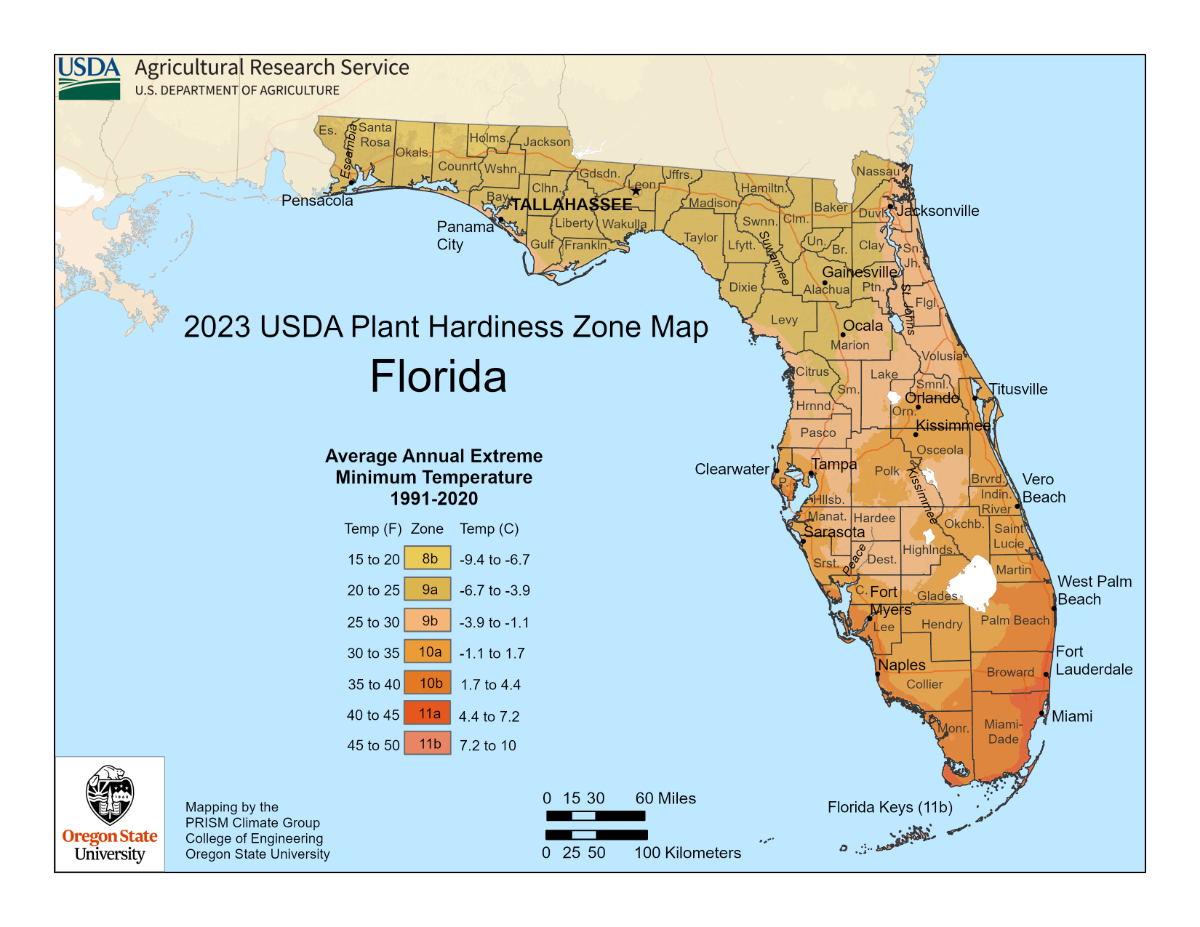
Credit: ffl.ifas.ufl.edu
How Rainfall Affects Plant Zones in Florida
Rainfall is important for plants. Florida gets a lot of rain in summer. Some areas get more rain than others. Rain helps plants grow but too much can cause problems.
When choosing plants, think about rainfall. Some plants like wet soil. Others need dry soil. Knowing your zone and rainfall will help your garden thrive.
Florida-Friendly Landscaping Program
The University of Florida has a program called Florida-Friendly Landscaping. It helps people choose plants that save water and protect the environment. The program uses plant zones to suggest the best plants.
Using this program can help your garden stay healthy and save water. It also helps protect Florida’s unique nature.
Summary: Florida Plant Zones at a Glance
| Region | Zone | Typical Winter Low (°F) | Plant Examples |
|---|---|---|---|
| North Florida | 8a – 9a | 10 – 20 | Azaleas, Camellias, Crepe Myrtle |
| Central Florida | 9a – 10a | 20 – 30 | Hibiscus, Gardenias, Palms |
| South Florida | 10b – 11a | 30 – 40 | Mango, Avocado, Bougainvillea |
Final Thoughts
Knowing what zone Florida is for plants is very helpful. It guides you to pick plants that grow well. Use the USDA map and local tools to find your zone. Remember, each part of Florida is different.
Whether you live in North, Central, or South Florida, there are many plants you can grow. Start with easy plants for your zone. Watch your plants grow and enjoy your garden.
Frequently Asked Questions
Where Is Zone 9 And 10 In Florida?
Zone 9 in Florida covers central and northern inland areas. Zone 10 includes southern coastal regions and the Florida Keys. These zones reflect warmer climates ideal for heat-tolerant plants. Use your ZIP code on the USDA map to confirm your exact zone location.
What Is The Planting Zone In Florida?
Florida’s planting zones range from USDA Zone 8a in the north to Zone 11a in the south. Use your zip code to find your exact zone. These zones help select plants that thrive in Florida’s climate and microclimates, ensuring successful gardening year-round.
What Is The Difference Between Zone 9a And 9b?
Zone 9a has average minimum temperatures of 20-25°F. Zone 9b is slightly warmer, with 25-30°F lows. This affects plant survival and selection.
What’s The Difference Between Zone 8 And Zone 8a?
Zone 8 covers average minimum temperatures of 10-20°F. Zone 8a is a subzone with 10-15°F lows. This difference affects plant hardiness and selection.