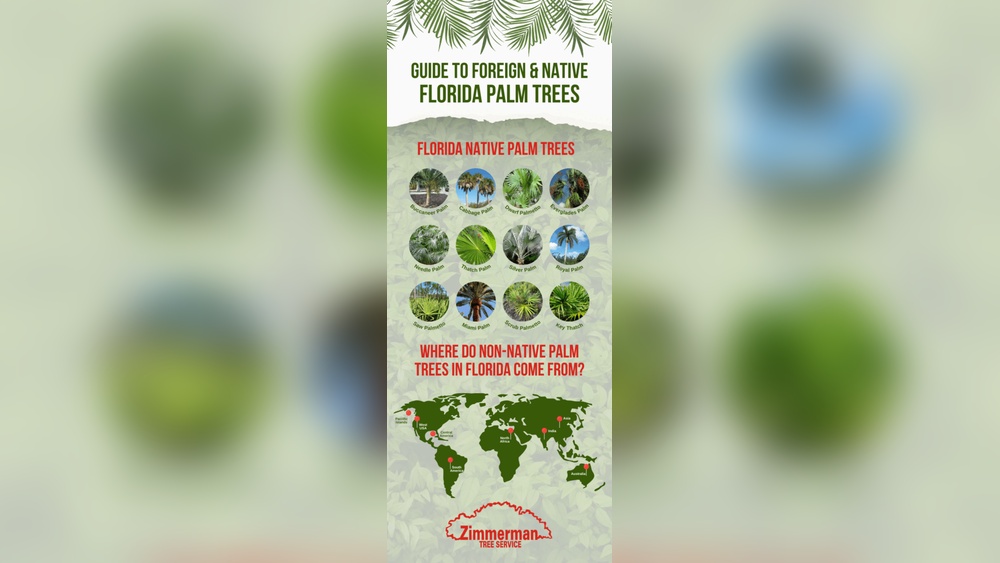
Florida is famous for its warm weather and beautiful palm trees. Palm plants are part of Florida’s nature and gardens. Many types of palms grow well here. They add beauty and shade to yards, parks, and streets.
In this article, we will talk about the most common palm plants you can see in Florida. We will explain what makes each type special and why they grow well in Florida’s climate. This guide is easy to read and helpful for anyone who loves palms.
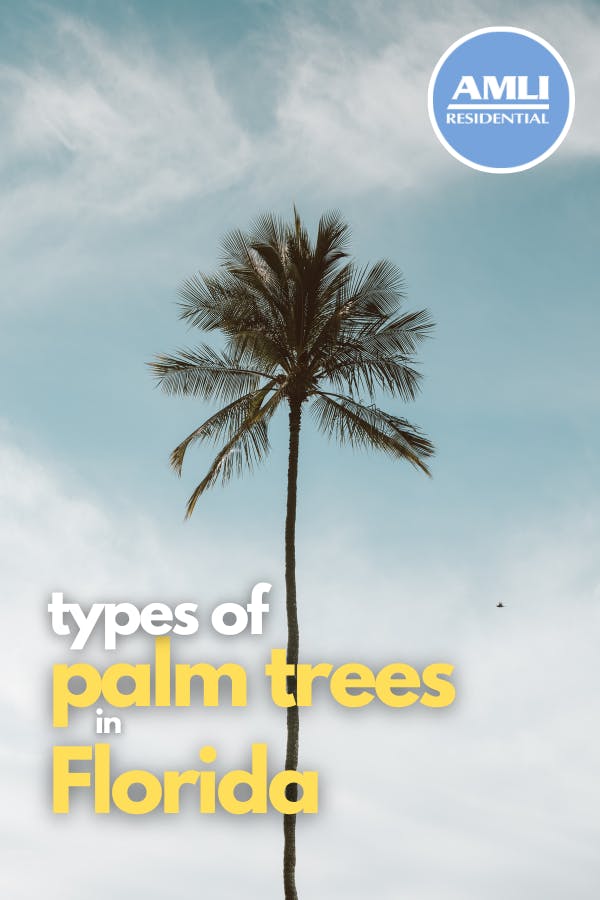
Credit: www.amli.com
Why Do Palms Grow Well in Florida?
Florida has a warm and humid climate. This is perfect for palms. They like sunshine, warmth, and some rain. Also, many palms can live near the sea. The salt in the air and soil does not hurt them much. This is why you see palms near beaches in Florida.
Some palms are native to Florida. This means they grow here naturally. Others come from other places but have adapted well to Florida’s weather. Let’s explore the main types of palms found in Florida.
1. Sabal Palm (Cabbage Palm)
The Sabal Palm, also called the Cabbage Palm, is Florida’s state tree. It is very common and important here. This palm is native to Florida. It can live in many places, from cities to wild forests.
Features:
- Fan-shaped leaves that are wide and strong
- Can grow very tall, up to 65 feet
- Very tough and can handle wind, cold, and salt
- Slow growing but lives a long time
This palm is great for shade and decoration. It can survive storms and cold snaps better than many other palms.
2. Coconut Palm
The Coconut Palm is the classic Florida palm. It is often seen along beaches and resorts. This palm is famous for its coconuts, which people use for food and drink.
Features:
- Tall and slender trunk
- Feather-like leaves that curve down
- Grows well in sandy soil near the ocean
- Needs warm temperatures and plenty of sun
Coconut Palms like salty air and can survive droughts. They are a symbol of tropical Florida.
3. Areca Palm
The Areca Palm is popular in Florida gardens and homes. It grows in groups to make a green, lush look. People like it because it grows fast and looks good.
Features:
- Multiple thin trunks
- Soft, feathery leaves
- Grows 6 to 12 feet tall
- Needs some shade but can handle sun
This palm is often used indoors or in shaded outdoor areas. It is low maintenance and helps clean the air.
Credit: greenedgeflorida.com
4. Foxtail Palm
The Foxtail Palm is not native to Florida but grows very well here. It has a unique look with bushy leaves that look like a fox’s tail.
Features:
- Smooth, gray trunk
- Soft, bushy leaves that are green
- Can grow up to 40 feet tall
- Likes full sun and heat
This palm is easy to care for and resists many diseases. It is a good choice for Florida’s hot climate.
5. Pygmy Date Palm
The Pygmy Date Palm is small and perfect for small spaces. It is often used in gardens and patios. This palm adds a tropical feel without growing too big.
Features:
- Grows 6 to 10 feet tall
- Thin trunk with green, feather-like leaves
- Slow growing but very beautiful
- Can grow in sun or partial shade
It is a popular choice for home landscaping in Florida. It looks nice near pools and walkways.
Other Common Palm Types in Florida
Florida has many other palms that people like. Here are some more types you might see:
| Palm Name | Main Features | Uses |
|---|---|---|
| Royal Palm | Tall, smooth trunk with big leaves | Used in parks and big gardens |
| Needle Palm | Small palm with sharp needles | Good for cold areas and shade |
| Chinese Fan Palm | Fan-shaped leaves and short trunk | Used in home landscaping |
| Carpentaria Palm | Smooth trunk, feather-like leaves | Popular in Florida gardens |
How to Choose the Right Palm for Your Space?
Choosing a palm depends on where you live and the space you have.
Ask yourself these questions:
- How much sun does the area get?
- How big can the palm grow?
- Do you want a palm for shade or decoration?
- Is the soil sandy, dry, or wet?
For small gardens, choose Pygmy Date Palm or Needle Palm. For big spaces, Royal Palm or Sabal Palm work well.
Tips for Growing Palms in Florida
Palms are easy to grow if you follow some simple steps:
- Plant palms in sunny or partly shaded places.
- Water them regularly, especially when young.
- Use well-draining soil to avoid waterlogging.
- Fertilize palms with palm-specific fertilizer.
- Protect young palms from strong winds.
With care, palms will grow healthy and strong.
Frequently Asked Questions
What Is The Most Common Type Of Palm Tree In Florida?
The most common palm tree in Florida is the Sabal Palm, also called the Cabbage Palm. It is native, hardy, and Florida’s state tree. This palm tolerates salt, wind, and cold well. Coconut Palms also thrive widely, especially in coastal areas.
How Can I Tell What Kind Of Palm Plant I Have?
Identify your palm by examining its leaf shape, size, and trunk texture. Compare these traits with common Florida palms like Sabal, Coconut, Areca, Foxtail, or Pygmy Date Palm. Use online guides or apps for precise identification.
What Is The Fastest Growing Palm Tree In Florida?
The fastest growing palm tree in Florida is the Foxtail Palm. It thrives in full sun and warm climates, growing quickly.
What Palms Can Handle Full Sun?
Sabal (Cabbage) Palm, Coconut Palm, Areca Palm, Foxtail Palm, and Pygmy Date Palm thrive in full sun. These palms tolerate heat, drought, and coastal conditions well. They suit Florida landscapes, offering durability and tropical beauty under direct sunlight. Choose these for sunny garden spots.
Conclusion
Florida is home to many beautiful palm plants. The Sabal Palm, Coconut Palm, Areca Palm, Foxtail Palm, and Pygmy Date Palm are the most common. Each palm has its own look and needs.
Palms add beauty, shade, and a tropical feel to any place. They are a big part of Florida’s nature and culture. If you want to grow palms, choose the right type for your space and climate.
Enjoy the green beauty of palm plants in Florida. They make the sunshine state even more special.