
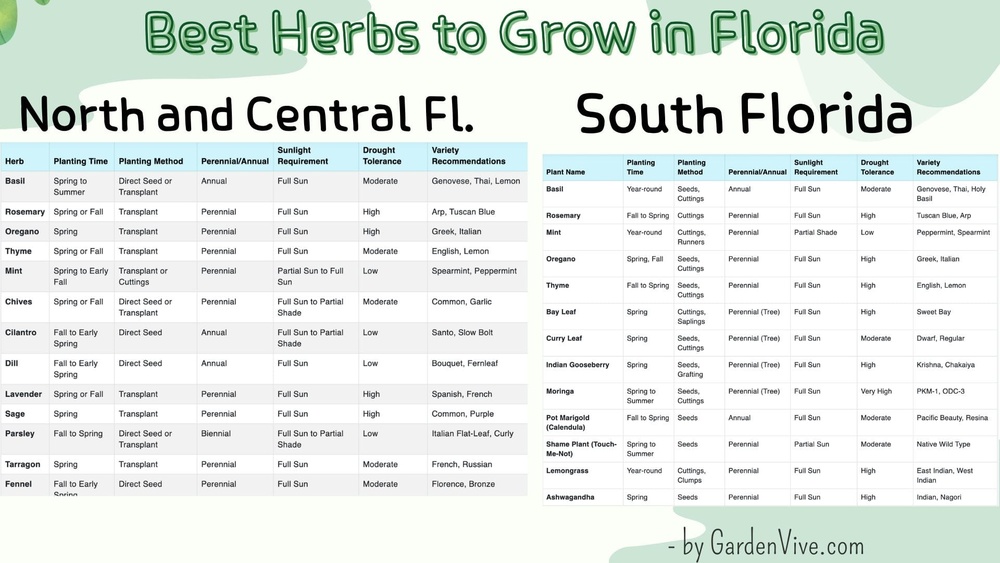
If you live in South Florida or are thinking about starting your own herb garden there, you’re in luck. The warm, sunny climate and humid air make this region perfect for growing a wide variety of herbs that can boost your cooking and even support your health.
But with so many options, how do you choose the best herbs to grow in your yard or balcony? You’ll discover the top herbs that thrive in South Florida’s unique environment—easy to grow, full of flavor, and packed with benefits.
Whether you’re a seasoned gardener or just starting out, keep reading to find out which herbs will make your garden flourish all year round. Your taste buds and your green thumb will thank you!
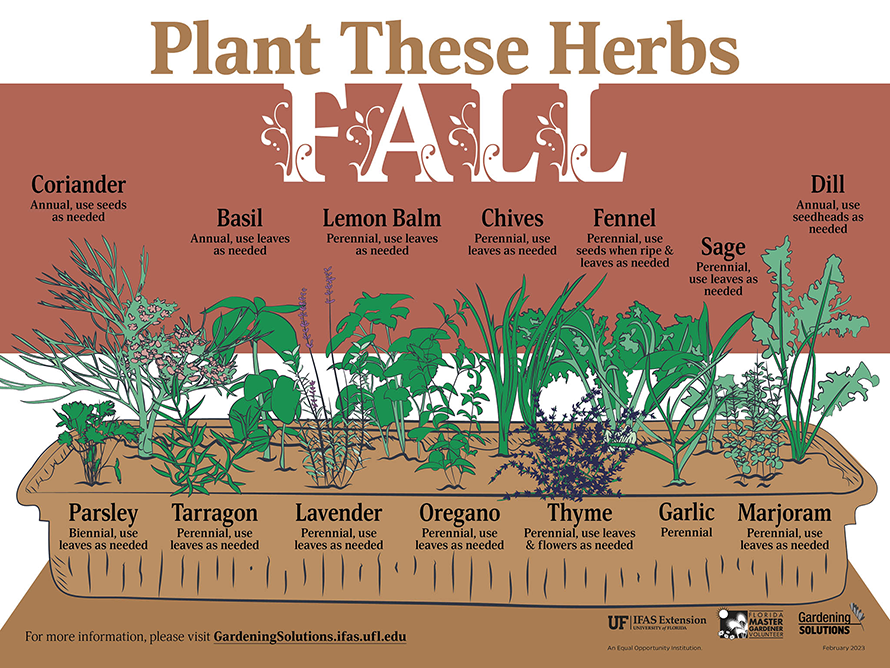
Credit: gardeningsolutions.ifas.ufl.edu
Climate And Soil In South Florida
South Florida offers a unique environment for growing herbs, shaped by its climate and soil. Understanding these natural factors helps gardeners select the best herbs for success. The region’s weather and earth provide both challenges and advantages for herb cultivation. Knowing what to expect from climate and soil ensures healthy, thriving plants year-round.
Subtropical Weather Benefits
South Florida has warm temperatures throughout the year. Winters are mild, rarely dropping below freezing. This allows many herbs to grow all year long. The high humidity supports lush, green growth. Plenty of sunshine helps herbs develop strong flavors. Rainfall is seasonal, with wet summers and drier winters. Herbs that enjoy warmth and moisture do well here. The subtropical weather also reduces the risk of frost damage. This climate suits herbs like basil, mint, and oregano perfectly.
Soil Types And Preparation
The soil in South Florida varies from sandy to loamy textures. Sandy soil drains water quickly but holds fewer nutrients. Loamy soil offers better nutrient retention and moisture. Most gardens need soil improvement for best results. Adding organic matter like compost enriches the soil. Mulching helps retain moisture and control weeds. Testing soil pH is important; herbs prefer slightly acidic to neutral soil. Proper soil preparation creates a strong foundation for healthy herb growth. Well-drained soil prevents root rot and other problems.
Top Culinary Herbs For South Florida Gardens
South Florida’s warm climate supports a wide range of culinary herbs. Many herbs flourish here due to the long growing season and ample sunlight. Gardeners enjoy fresh herbs all year round without much effort. These herbs add flavor and aroma to dishes while being easy to grow. Here are some top culinary herbs perfect for South Florida gardens.
Basil Varieties
Basil thrives in South Florida’s heat and humidity. Sweet basil is the most common variety used in cooking. Thai basil offers a spicy, licorice-like flavor ideal for Asian dishes. Lemon basil adds a citrus twist to salads and seafood. Plant basil in well-drained soil and full sun. Regular harvesting encourages bushier growth and more leaves.
Rosemary Adaptations
Rosemary grows well in South Florida with some care. This herb prefers drier soil than other herbs. Choose drought-tolerant rosemary varieties like ‘Arp’ or ‘Tuscan Blue’. These types withstand the humid climate better. Rosemary needs at least six hours of sunlight daily. Prune often to keep plants healthy and prevent woodiness.
Oregano And Its Uses
Oregano is a staple in many kitchens and grows easily in South Florida. The Mediterranean oregano variety has strong, aromatic leaves. Cuban oregano, also known as Mexican mint, is popular locally for its pungent flavor. Use oregano fresh or dried in sauces, meats, and dressings. Oregano thrives in sunny spots with well-drained soil.
Thyme And Sage Selection
Thyme adapts well to South Florida’s climate and grows as a low, woody shrub. Lemon thyme offers a bright, citrus scent perfect for poultry and fish. Sage prefers slightly drier soil and full sun. ‘Common sage’ is widely used in cooking, especially for seasoning meats. Both herbs benefit from regular pruning and good air circulation.
Medicinal And Aromatic Herbs To Grow
South Florida’s warm and humid climate suits many medicinal and aromatic herbs. These plants not only add fragrance and flavor to your garden but also offer natural health benefits. Growing these herbs is simple and rewarding.
Choose herbs that thrive in subtropical conditions and provide uses beyond the kitchen. Their scents can freshen your home, and their leaves can be used for teas or remedies. Here are some excellent options for your garden.
Cuban Oregano Characteristics
Cuban oregano, also called Mexican mint or Indian borage, grows well in South Florida. It has thick, hairy leaves with a strong oregano scent. This perennial spreads quickly and fills garden spaces with its aroma.
Use Cuban oregano in cooking as a substitute for regular oregano. Its leaves add flavor to sauces, soups, and meat dishes. The plant also has medicinal uses, such as easing coughs and digestion problems. A calming tea can be made from its leaves.
Mugwort Benefits And Uses
Mugwort, also known as wild wormwood, is a hardy herb with silvery-green leaves. It grows well in warm climates and has a slightly bitter, minty taste. Mugwort has been used in traditional medicine for centuries.
This herb helps with digestion and can calm the nerves. It also has mild antiseptic properties. Mugwort leaves can be brewed into tea or used in herbal baths to relieve stress and muscle pain.
Lemon Balm And Mint
Lemon balm and mint are two aromatic herbs perfect for South Florida gardens. Lemon balm has a fresh, lemony scent that brightens teas and desserts. Mint offers a cool, refreshing flavor that pairs well with many dishes.
Both herbs are easy to grow and spread quickly. They soothe digestion and reduce anxiety. Their leaves can be used fresh or dried for teas, cooking, or homemade remedies.
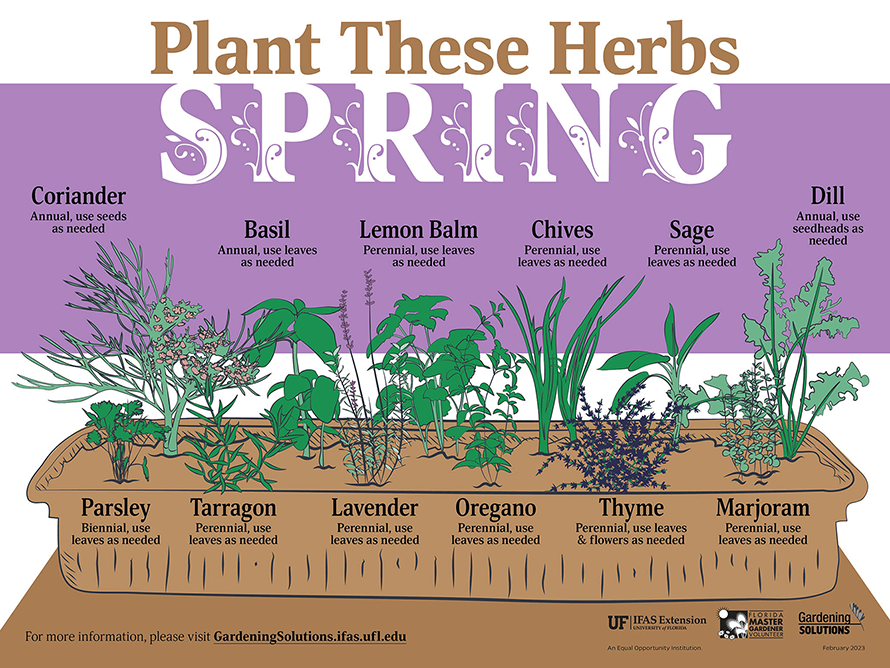
Credit: gardeningsolutions.ifas.ufl.edu
Heat-tolerant Herbs That Thrive Year-round
South Florida’s warm climate challenges many plants, but some herbs handle the heat well. These heat-tolerant herbs grow strong and healthy all year. They need less water and stay green despite the sun and humidity. Growing such herbs means fresh flavors anytime and a low-maintenance garden.
Rosemary’s Drought Resistance
Rosemary thrives in hot, dry conditions. It is a Mediterranean herb used in cooking and medicine. This herb needs little water once established. Its needle-like leaves store moisture, helping it survive dry spells. Rosemary prefers full sun and well-drained soil. It adds a fragrant touch to dishes and garden spaces.
Basil’s Summer Growth
Basil loves the heat and grows fast in summer. It needs warm temperatures and plenty of sunlight. Regular watering keeps its leaves soft and flavorful. Basil is perfect for fresh salads, pesto, and garnishes. Pinching off flower buds helps the plant produce more leaves. Its sweet aroma fills the air on hot days.
Oregano And Catmint Hardiness
Oregano and catmint are tough herbs that resist heat well. Oregano grows in sunny spots and needs moderate watering. Its strong flavor suits many dishes, especially Italian cuisine. Catmint, related to mint, tolerates heat and dry soil. It produces lovely purple flowers and attracts pollinators. Both herbs require little care and thrive with minimal fuss.
Planting And Care Tips For South Florida Herbs
Growing herbs in South Florida requires specific care to handle the warm, humid climate. Proper planting and maintenance help herbs thrive all year. Understanding watering, pest control, and pruning ensures healthy, flavorful plants.


Watering And Drainage Needs
Herbs need regular watering but dislike soggy soil. Water deeply once or twice a week, depending on rainfall. Ensure soil drains well to prevent root rot. Use sandy or loamy soil mixes for better drainage. Avoid water pooling around the roots after rain. Mulching helps keep moisture consistent without overwatering.
Pest Management Strategies
South Florida’s climate attracts many pests like aphids and whiteflies. Check plants often for signs of damage or insects. Use natural remedies such as neem oil or insecticidal soap. Encourage beneficial insects like ladybugs to control pests naturally. Remove damaged or infested leaves promptly to stop spread. Avoid harsh chemicals to protect your herbs and environment.
Pruning And Harvesting Methods
Regular pruning keeps herbs bushy and productive. Pinch off flower buds to encourage leaf growth. Harvest leaves in the morning for the best flavor and aroma. Use clean scissors or fingers to avoid plant damage. Do not remove more than one-third of the plant at once. Proper harvesting promotes new growth and prevents stress.
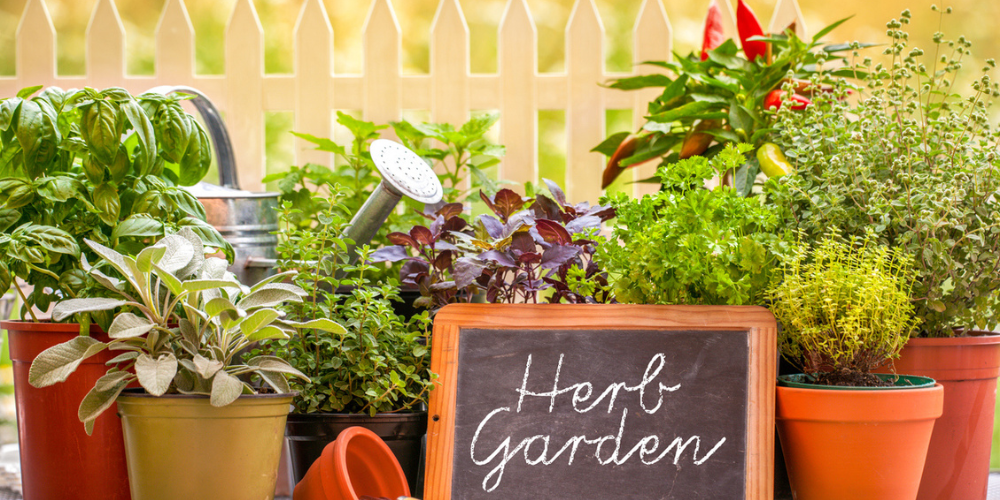
Credit: livingcolorgardencenter.net
Companion Planting And Garden Design
Companion planting and garden design play key roles in growing herbs successfully in South Florida. Thoughtful plant combinations help herbs thrive by improving soil, reducing pests, and increasing yields. Smart garden layouts make the most of space and sunlight, essential in the subtropical climate. Designing with companion plants also attracts beneficial insects that boost pollination and natural pest control.
Using companion planting techniques creates a healthier, more productive herb garden. Grouping compatible herbs together supports their growth and resilience. Careful garden design ensures each plant receives ideal conditions to flourish in South Florida’s warm, humid environment.
Herb Pairings For Growth
Basil and tomatoes grow well side by side. Basil improves tomato flavor and deters pests. Rosemary pairs nicely with sage, both preferring well-drained soil and full sun. Mint thrives near cabbage and tomatoes but avoid planting it with oregano. Oregano and thyme grow well together and repel insects that harm other plants. These pairings help herbs grow stronger and healthier.
Attracting Pollinators
Herbs like dill, fennel, and coriander attract bees and butterflies. These pollinators improve herb seed production and garden health. Planting flowering herbs near vegetables encourages pollination across the garden. Marigolds and lavender also bring in beneficial insects that eat harmful pests. A diverse herb garden supports a balanced ecosystem.
Maximizing Small Garden Spaces
Use vertical gardening to save space. Climbing herbs such as thyme or nasturtium can grow on trellises. Container gardening works well for small patios or balconies. Plant herbs like chives, mint, and parsley in pots. Grouping herbs with similar water needs simplifies care. Layering tall and short herbs optimizes sunlight and airflow.
Propagation Techniques For Popular Herbs
Growing herbs in South Florida offers a rich gardening experience. Proper propagation techniques help gardeners multiply their plants effectively. These methods ensure healthy growth and strong herb plants. Learning how to start herbs from seeds, cuttings, or divisions boosts your herb garden’s success. Each technique suits different herbs and garden conditions.
Seed Starting Tips
Starting herbs from seeds gives you control over variety and quality. Use fresh seeds for better germination rates. Plant seeds in light, well-draining soil. Keep the soil moist but not soaked. Provide warmth and indirect sunlight to encourage sprouting. Thin seedlings to avoid overcrowding. Herbs like basil and cilantro grow well from seeds in South Florida.
Cuttings And Division
Many herbs propagate easily through cuttings or division. Cut a healthy stem below a leaf node. Remove lower leaves and place the cutting in water or moist soil. Rooting happens faster in warm, humid conditions. Division involves separating mature plants into smaller sections. Mint, rosemary, and lemon balm respond well to these methods. These techniques create new plants quickly and maintain the parent plant’s traits.
Transplanting Success
Transplanting young herbs requires care to avoid shock. Choose a cool, cloudy day or late afternoon for transplanting. Water the plant well before moving it. Dig a hole slightly larger than the root ball. Place the herb gently into the hole and fill with soil. Press the soil firmly around the base. Water immediately after transplanting to settle the roots. Proper care helps herbs adjust and thrive in their new spot.
Common Challenges And Solutions
Growing herbs in South Florida offers many benefits but also some challenges. The warm climate and high humidity create unique conditions. These can affect herb health and growth. Understanding common problems and their solutions helps gardeners succeed. Below are key challenges and ways to handle them effectively.
Dealing With Humidity Issues
South Florida’s humidity stays high most of the year. This moisture can cause herbs to become weak or develop mold. To reduce humidity effects, plant herbs in well-drained soil. Space plants to allow air to circulate. Using raised beds or containers can also help keep roots dry. Water early in the day to let leaves dry before night.
Preventing Fungal Diseases
Fungal diseases thrive in wet, warm conditions common in South Florida. These diseases can damage leaves and stems quickly. Prevent fungi by removing dead leaves and debris around plants. Avoid overhead watering to keep leaves dry. Use natural fungicides or neem oil if signs of fungus appear. Choose herbs resistant to fungal infections for better results.
Managing Heat Stress
South Florida’s intense sun and heat can stress herbs. Heat stress causes leaves to wilt or turn yellow. Provide some shade during the hottest part of the day. Mulch around plants to keep soil cool and moist. Water herbs regularly but avoid waterlogging. Select heat-tolerant herbs like rosemary, basil, or oregano to thrive in these conditions.
Frequently Asked Questions
Can You Grow Herbs In South Florida?
Yes, South Florida’s warm, humid climate supports growing many herbs like basil, rosemary, oregano, mint, and lemon balm.
What Are The Most Heat Tolerant Herbs?
The most heat-tolerant herbs include rosemary, basil, lemon balm, mint, oregano, sage, catmint, and thyme. These herbs thrive in hot, dry conditions.
What Is The Mother Of All Herbs?
The “mother of all herbs” often refers to Cuban Oregano (Plectranthus amboinicus). It has strong flavor and medicinal uses.
What Grows Well In Florida Heat?
Herbs like rosemary, basil, lemon balm, mint, oregano, sage, catmint, and thyme thrive in Florida’s heat. These herbs tolerate heat and humidity well. They grow year-round in Florida’s subtropical climate, making them ideal for gardens in hot conditions.
Conclusion
Growing herbs in South Florida offers fresh flavors all year round. These herbs suit the warm, humid climate well. You can enjoy cooking and natural remedies from your garden. Start with easy herbs like basil, mint, or rosemary. They need little care and grow quickly.
Watching your garden thrive brings joy and healthy eating. Try different herbs to find your favorites. A small herb garden fits any space, even a balcony. Happy planting and enjoy the taste of homegrown herbs!