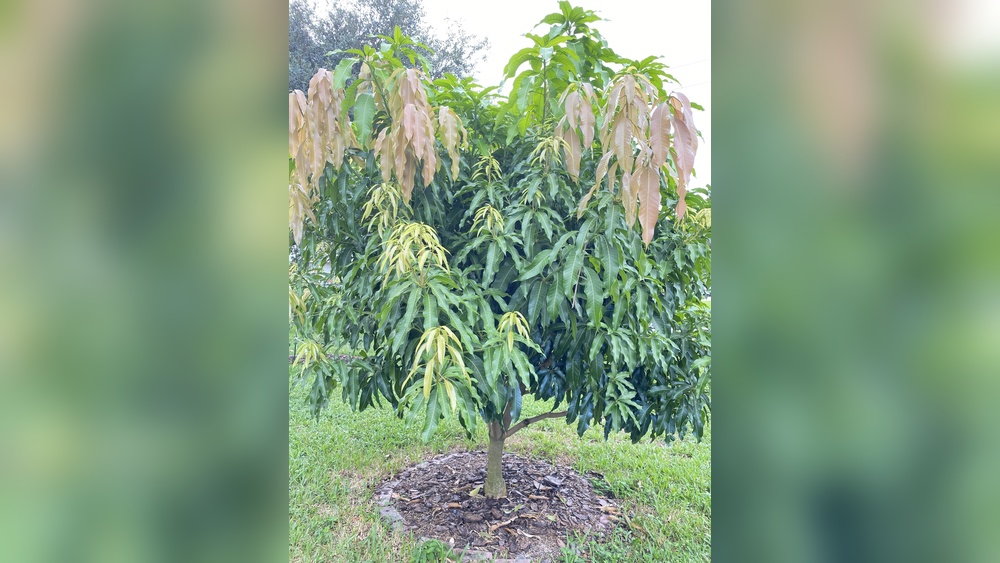
If you live in Central Florida and dream of growing your own mango tree, you’re in the right place. Not all mango trees thrive in this region’s unique climate, so choosing the best variety for your backyard is key.
You want a mango tree that’s not only delicious but also hardy, disease-resistant, and suited to your space. Whether you have a large yard or a cozy garden corner, picking the right mango can make all the difference between a few sad fruits and a bountiful harvest.
Keep reading to discover the top mango varieties perfect for Central Florida—and find out how to enjoy sweet, juicy mangoes straight from your own tree.
Climate And Growing Zones
The climate and growing zones play a vital role in choosing the best mango to grow in Central Florida. Mango trees need warmth and sunlight to thrive. Understanding the region’s weather and hardiness zones helps gardeners pick suitable varieties. Protecting mango trees during colder months ensures healthy growth and fruit production.
Central Florida Weather
Central Florida has a warm, humid climate. Summers are hot with frequent afternoon rains. Winters are mild but can have occasional cold snaps. Mango trees enjoy the long growing season. The high humidity supports healthy mango growth. Sudden cold fronts may cause damage without protection.
Hardiness Zones For Mangoes
Most mango trees grow well in USDA zones 10 to 11. Central Florida is mostly zone 9b to 10a. Some cold-tolerant mango varieties survive here. Plant mango trees in sheltered spots to avoid frost. Zones 9b and 10a require extra care in winter. Selecting hardy varieties increases chances of success.
Winter Protection Tips
Protect mango trees from frost and freezing temperatures. Cover young trees with frost cloth or blankets at night. Use mulch around the base to keep roots warm. Move potted mango trees indoors during cold spells. Avoid pruning in late fall to prevent new growth. These steps reduce cold damage and keep trees healthy.
Credit: gardenvive.com
Top Mango Varieties
Central Florida offers a unique climate for growing mangoes. Choosing the right variety is key. Some types thrive better in this region. The following mango varieties are popular for their flavor, yield, and resilience. These choices suit home gardens and small farms alike.
Fairchild
Fairchild mangoes are small to medium in size. They have a rich, sweet taste. The fruit ripens early in the season. This variety resists common diseases well. It grows strong in Central Florida’s climate. Perfect for fresh eating or smoothies.
Glenn
Glenn mangoes are juicy with a mild flavor. The fruit is medium-sized with a bright color. It ripens mid-season, providing a steady harvest. Glenn trees adapt well to Central Florida’s weather. They produce consistent crops each year.
Cogshall
Cogshall mangoes are known for their sweetness and small seed. The tree stays compact, ideal for small yards. This variety flowers early and bears fruit reliably. The fruit is fiberless and easy to eat. A great choice for backyard growers.
Keitt
Keitt mangoes are large and green even when ripe. They have a sweet, mild taste with low fiber. This variety fruits late in the season, extending harvest time. Keitt trees are hardy and handle heat well. They make excellent fresh or cooked mangoes.
Rosigold
Rosigold mangoes produce small, golden-yellow fruit. They ripen early and have a rich, sweet flavor. The trees are smaller and fit well in limited spaces. Rosigold is disease resistant and grows well in Central Florida. Ideal for fresh eating or desserts.
Disease-resistant Options
Disease-resistant mango varieties offer great advantages for Central Florida gardeners. These trees handle pests and diseases better. They require less chemical use and fewer treatments. This makes growing mangoes easier and more enjoyable.
Choosing disease-resistant mangos helps ensure a healthy harvest. These varieties thrive despite Florida’s humid and warm climate. They reduce the risk of common problems that affect mango trees in the region.
Florigon
Florigon is a popular disease-resistant mango variety in Central Florida. It resists anthracnose and powdery mildew well. The fruit is sweet, juicy, and ripens early in the season. Florigon trees grow strong and handle Florida’s weather nicely. Many gardeners prefer this mango for its reliability and flavor.
Benefits Of Disease Resistance
Disease resistance reduces the need for sprays and treatments. Trees stay healthier and produce more fruit. This saves time and money for growers. It also lowers the chance of losing crops to fungal infections. Disease-resistant mango trees often live longer and grow faster. They provide steady yields year after year.
Managing Common Mango Diseases
Even resistant varieties need proper care to stay healthy. Good airflow around the tree helps prevent fungal growth. Prune dead or crowded branches regularly. Water the tree at its base, not on leaves, to avoid moisture buildup. Use mulch to keep soil moist and control weeds. Inspect trees often for signs of disease. Early treatment helps stop spread and damage.
Dwarf And Semi-dwarf Trees
Dwarf and semi-dwarf mango trees suit Central Florida gardens well. They grow smaller than standard trees. This makes them easier to manage in limited spaces. These trees produce delicious fruit without needing much room.
Smaller trees fit patios, balconies, or small yards. They also bear fruit faster than larger trees. Growing dwarf or semi-dwarf mangoes saves space and effort. These types offer a great option for home gardeners in Central Florida.
Honeykiss
Honeykiss is a popular dwarf mango variety. It grows about 6 to 8 feet tall. The fruit is sweet and juicy with a rich flavor. Honeykiss trees handle Central Florida’s climate well. They start producing fruit within two to three years. This tree stays compact, perfect for small gardens.
Carrie
Carry is a semi-dwarf mango tree. It grows larger than Honeykiss but stays manageable. The tree reaches 12 to 15 feet tall. Carrie mangoes have a unique sweet taste with floral notes. This variety is known for its disease resistance. It thrives in Central Florida’s weather and soil.
Advantages For Home Gardens
Dwarf and semi-dwarf mango trees save space and energy. They require less pruning and care than larger trees. Their smaller size makes harvesting easier and safer. These trees adapt well to Central Florida’s climate. Home gardeners can enjoy fresh mangoes without a big yard. They also produce fruit sooner, offering quicker rewards.
Planting And Care Tips
Growing mango trees in Central Florida offers a rewarding experience. Proper planting and care ensure healthy growth and delicious fruit. Understanding the right soil, watering, fertilizing, and pruning techniques helps your mango tree thrive in this region’s climate.
Soil Requirements
Mango trees prefer well-draining soil to avoid root rot. Sandy loam or slightly acidic soil with a pH between 5.5 and 7 works best. Avoid heavy clay soils or areas prone to waterlogging. Preparing the soil with organic compost improves fertility and drainage. Planting on a small mound can help water drain away from roots.
Watering And Fertilizing
Young mango trees need regular watering to establish roots. Water deeply once or twice a week, depending on rainfall. Mature trees are more drought-tolerant but benefit from watering during dry spells. Use a balanced fertilizer, high in nitrogen, applied three times a year. Avoid over-fertilizing to prevent excessive leaf growth over fruit production.
Pruning For Size Control
Pruning keeps mango trees manageable and encourages fruit growth. Remove dead or diseased branches early. Trim new shoots to maintain a strong, open canopy. Limit tree height to about 10-15 feet for easy harvesting. Prune after fruit harvest to avoid cutting off next season’s flowers. Proper pruning improves air circulation and sunlight penetration.

Credit: www.youtube.com
Fruit Production Timeline
The fruit production timeline for mango trees in Central Florida varies based on planting method and care. Understanding when your tree will bear fruit helps you plan your garden and enjoy fresh mangoes sooner. Some trees take longer to produce fruit, especially those grown from seed. Others, like grafted saplings, start fruiting faster. Weather, soil, and tree health also affect the timing.
Growing From Seed
Growing mango trees from seed is common but slow. Seedlings usually take 5 to 8 years to produce fruit. The fruit quality can vary because seedlings do not always grow true to the parent tree. Patience is key with seed-grown mango trees. They need more time to mature and start flowering.
Using Grafted Saplings
Grafted saplings are popular among gardeners for faster fruiting. These trees often begin producing fruit in 2 to 3 years. Grafting ensures the new tree keeps the parent variety’s fruit quality. This method saves years of waiting and gives more predictable results. Grafted trees also tend to grow stronger and healthier.
Factors Affecting Fruiting Time
Several factors influence when mango trees start fruiting in Central Florida. Climate plays a big role; warm temperatures help mango trees flower earlier. Soil quality and watering also impact growth speed. Proper fertilization encourages faster fruit development. Pruning keeps the tree healthy and can improve fruit yield. Protecting trees from cold snaps is crucial in this region.
Harvesting And Uses
Harvesting mangoes at the right time ensures the best taste and texture. Using mangoes in different ways adds variety to your meals. Central Florida’s climate supports many mango varieties, making harvesting and using mangoes rewarding for gardeners and cooks alike.
When To Harvest
Mangoes in Central Florida usually ripen between June and September. Watch for color changes; mangoes turn from green to yellow, orange, or red. The fruit should feel slightly soft when gently pressed. Picking mangoes too early results in sour taste. Let the fruit fully ripen on the tree for the best flavor.
Flavor Profiles
Mango flavors vary by variety. Some have a sweet, tropical taste with honey notes. Others offer a tart, citrus-like tang. Central Florida mangoes often have a rich, juicy flesh with a smooth texture. The aroma is strong and fruity when ripe. Each mango variety brings a unique taste experience.
Culinary Uses In Central Florida
Mangoes add fresh flavor to salads and salsas. They blend well into smoothies and desserts. Mango chutneys and sauces complement grilled meats and seafood. Many locals enjoy mango ice cream and sorbet in summer. Preserving mangoes by drying or making jams keeps the taste year-round.
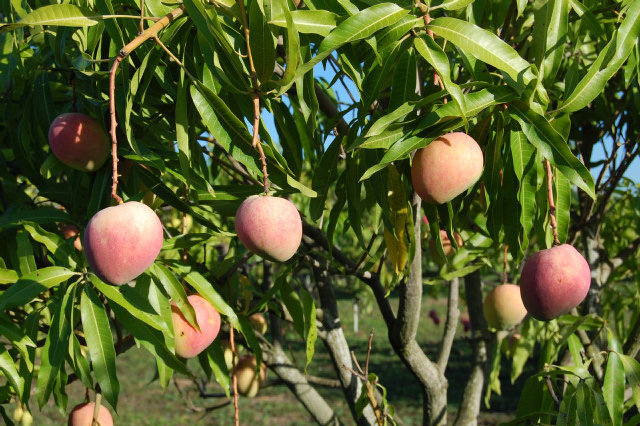
Credit: fairchildgarden.org
Frequently Asked Questions
Can You Grow A Mango Tree In Central Florida?
Yes, you can grow mango trees in Central Florida. Choose disease-resistant varieties like ‘Fairchild’ or ‘Glenn’ for best results. Protect trees from cold and plant in sunny, well-drained spots. With care, expect fruit in 2-7 years depending on the tree’s age.
What Zone Is Mango, Florida In?
Mango, Florida, is in USDA Hardiness Zone 10b. This zone supports tropical plants like mango trees.
What Mango Varieties Are Disease Resistant In Florida?
Disease-resistant mango varieties in Florida include ‘Fairchild,’ ‘Glenn,’ ‘Cogshall,’ ‘Keitt,’ and ‘Rosigold. ‘ They resist bacterial black spot and fungal diseases well. These varieties thrive in humid and wet areas, making them ideal for Florida’s climate. Choose them for healthy, productive trees.
How Long Does It Take A Mango Tree To Produce Fruit In Florida?
A mango tree grown from seed in Florida takes about five to seven years to produce fruit. Grafted saplings may fruit in two to five years.
Conclusion
Choosing the right mango variety makes all the difference in Central Florida. Some types handle heat and occasional cold better than others. Disease-resistant mangoes offer a higher chance of success. Plant your tree in a sunny, protected spot for best growth.
With care, your mango tree will reward you with sweet, juicy fruit. Enjoy fresh mangoes from your own backyard soon!