If you’re living in Central Florida and want to start your own herb garden, you’re in the perfect place. The warm climate and long growing season here make it easy for a variety of herbs to thrive.
Imagine stepping outside your door and snipping fresh basil for your pasta or adding fragrant rosemary to your grilled dishes. But which herbs grow best in this unique environment? In this guide, you’ll discover the top herbs that flourish in Central Florida’s heat and humidity, along with simple tips to keep your garden healthy and productive all year round.
Ready to transform your cooking and bring fresh flavors right to your kitchen? Let’s dive in!
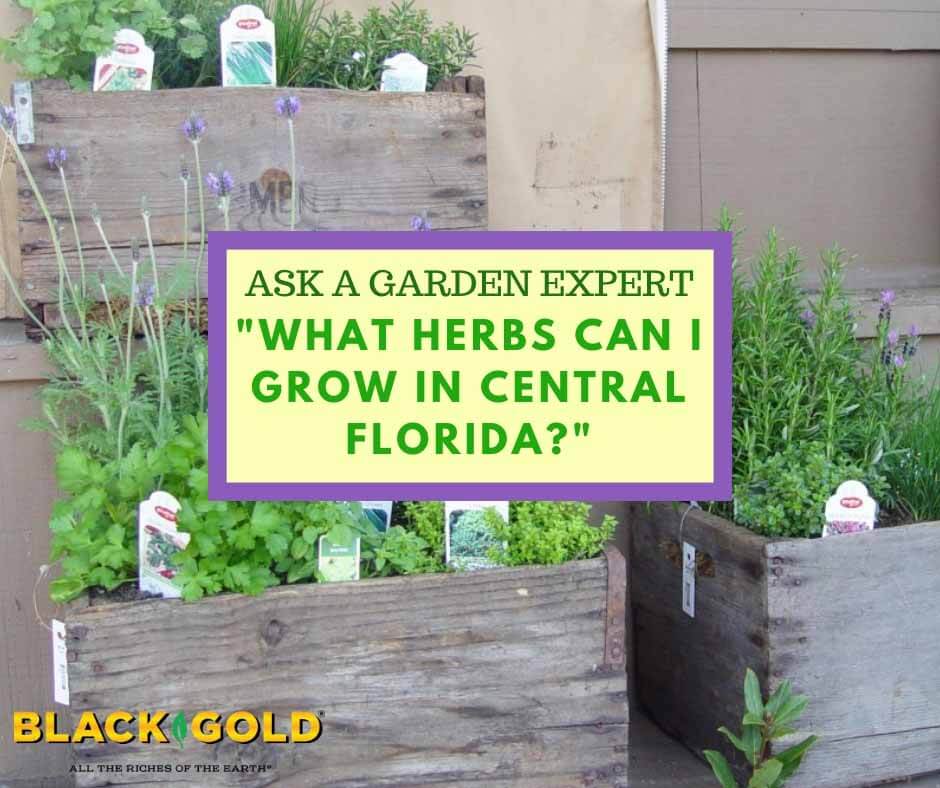
Credit: blackgold.bz
Herbs Suited For Central Florida Climate
Central Florida offers a unique climate for growing herbs. Warm temperatures and high humidity shape what thrives here. Choosing herbs suited for this environment ensures success and vibrant growth. Understanding which herbs love heat, tolerate shade, or grow year-round helps plan your garden well.
Heat-loving Herbs
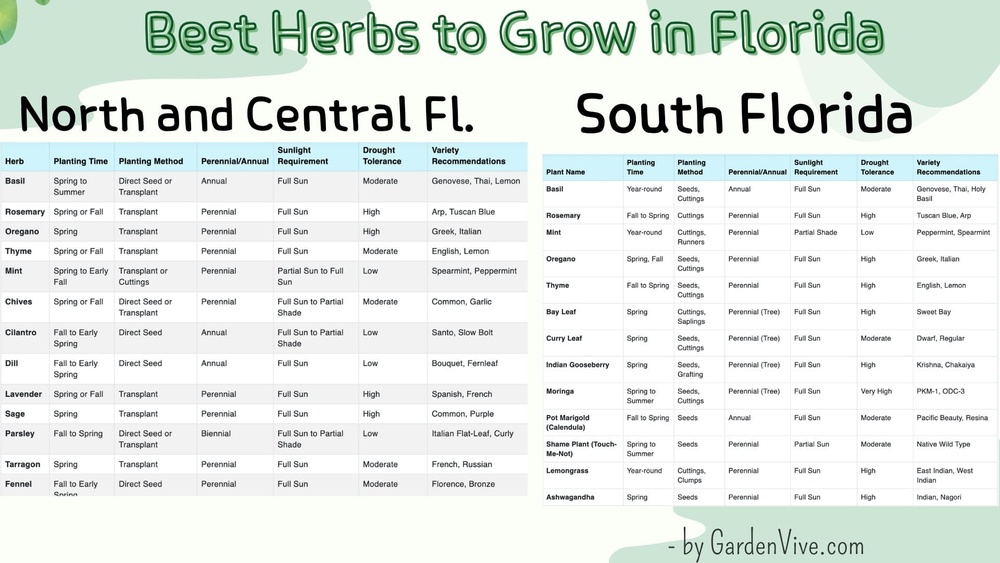
Many herbs flourish in Central Florida’s heat. Basil thrives in warm, sunny spots and adds fresh flavor to meals. Rosemary is drought-tolerant and handles strong sun well. Oregano grows quickly under full sun and prefers dry soil. Thyme enjoys the heat and needs good drainage. These herbs love the hot summer months and reward gardeners with rich aromas.
Shade-tolerant Varieties
Some herbs prefer less sun and do well in shaded areas. Mint grows best in partial shade and moist soil. Cilantro also enjoys cooler, shaded spots and bolting slows down. Parsley tolerates light shade and thrives with regular watering. These herbs can grow under trees or near buildings where sun is limited. Shade-tolerant herbs expand your growing options in Central Florida’s gardens.
Herbs For Year-round Growth
Central Florida’s mild winters allow many herbs to grow all year. Chives are hardy and produce fresh leaves in every season. Lemon balm grows quickly and stays green throughout the year. Cuban oregano, a tough perennial, offers continuous harvests and strong flavor. These herbs provide fresh ingredients for your kitchen without seasonal gaps. Year-round herbs keep your garden lively and productive.
Top Culinary Herbs To Grow
Central Florida’s warm climate supports a variety of culinary herbs. Growing your own herbs adds fresh flavor to meals. Herbs like basil, mint, rosemary, oregano, and thyme thrive here. Each offers unique tastes and health benefits. Below are top culinary herbs you can grow easily in Central Florida.
Basil Varieties And Uses
Basil loves the hot Florida sun. Sweet basil is perfect for salads and pasta. Thai basil adds a spicy, anise-like flavor to dishes. Genovese basil is great for making fresh pesto. Harvest leaves regularly to encourage growth. Basil pairs well with tomatoes and garlic in recipes.
Mint Types And Care Tips
Mint grows fast and spreads quickly. Peppermint and spearmint are popular types. Plant mint in containers to control its growth. It prefers partial shade with moist soil. Use mint leaves in drinks, salads, and desserts. Crushing leaves releases a refreshing aroma.
Rosemary And Oregano Benefits
Rosemary thrives in sunny, dry spots. Its pine-like aroma enhances roasted meats and vegetables. Oregano prefers full sun and well-drained soil. It adds a warm, earthy flavor to sauces and pizzas. Both herbs have antioxidant properties that support health. Regular pruning keeps plants healthy and productive.
Thyme’s Role In Cooking
Thyme is a hardy herb perfect for Central Florida. It grows well in sunny, dry areas. Thyme adds depth to soups, stews, and marinades. Its small leaves release a subtle, earthy flavor. This herb requires little water once established. Snip sprigs as needed for fresh seasoning.
Unique Herbs For Central Florida Gardens
Central Florida’s climate supports many unique herbs that thrive in its warm, humid conditions. These herbs add flavor, fragrance, and health benefits to your garden. Their adaptability makes them excellent choices for gardeners seeking something different from common herbs.
Growing unique herbs brings diversity and interest to your garden space. They often require little care and can withstand Central Florida’s summer heat. Here are some distinctive herbs worth planting in your garden.
Cuban Oregano Characteristics
Cuban Oregano, also called Mexican Mint or Indian Borage, is a strong-scented herb. It has thick, fuzzy leaves with a flavor similar to oregano. This perennial plant spreads quickly, forming a lush ground cover or trailing vine.
It prefers partial sun and well-drained soil. Its aroma repels pests, making it a natural garden protector. Cuban Oregano is popular in Caribbean and Latin American cooking, adding bold taste to many dishes.
Mugwort And Its Uses
Mugwort, known scientifically as Artemisia vulgaris, is a hardy herb with a bitter, mint-like flavor. It grows well in Central Florida’s climate and can handle both sun and light shade. Mugwort is famous for its use in traditional medicine and rituals.
People use mugwort to make teas that aid digestion and reduce stress. It also acts as a natural insect repellent. Culinary use includes flavoring soups and stews, giving them a unique taste.
Medicinal Herb Options
Central Florida gardens can include many medicinal herbs beyond Cuban Oregano and Mugwort. Plants like Lemon Balm, Holy Basil, and Echinacea thrive here. These herbs support health by boosting immunity and calming nerves.
Growing medicinal herbs at home offers fresh, natural remedies. They require minimal maintenance and add beauty to your garden. These options provide practical benefits alongside their unique presence.

Credit: www.raisedbedguide.com
Planting And Care Tips
Growing herbs in Central Florida offers a rewarding experience. Proper planting and care ensure healthy, flavorful herbs. Understanding soil, watering, and pest control helps your garden thrive. Follow these simple tips to get started.
Soil Preparation For Herbs
Herbs need well-draining soil to prevent root rot. Mix sand or perlite into garden soil for better drainage. Aim for a slightly acidic to neutral pH, around 6.0 to 7.0. Adding compost improves soil fertility and texture. Prepare the soil by loosening it to a depth of 8-12 inches. Remove weeds and debris before planting. This creates a healthy environment for roots to grow.
Watering And Sunlight Needs
Most herbs in Central Florida prefer full sun, about 6-8 hours daily. Some, like mint, grow well with partial shade. Water herbs deeply but less often to encourage strong roots. Allow the top inch of soil to dry before watering again. Avoid overwatering, which can lead to fungal problems. Morning watering reduces evaporation and leaf diseases. Adjust watering frequency during rainy seasons or droughts.
Pest Management Strategies
Common pests include aphids, spider mites, and whiteflies. Use natural predators like ladybugs to control pests safely. Spray plants with a mild soap solution to remove insects. Keep the garden clean by removing dead leaves and debris. Regularly inspect herbs for signs of damage or pests. Planting herbs such as basil and rosemary can repel harmful insects. Avoid chemical pesticides to protect beneficial insects and herbs’ flavor.
Harvesting And Using Fresh Herbs
Fresh herbs add vibrant flavors and aromas to any dish. Harvesting herbs at the right time ensures the best taste and potency. Using fresh herbs in cooking enhances meals with natural, bright notes. Proper handling after picking helps maintain their quality for longer.
Understanding when and how to gather herbs can improve your garden’s yield. Storing and preserving herbs allows you to enjoy them beyond the growing season. Cooking with fresh herbs is simple and brings a fresh twist to everyday recipes.
Best Time To Harvest
Pick herbs early in the morning after the dew dries. This is when oils are strongest, giving the best flavor. Cut just before flowers bloom for the freshest taste. Use sharp scissors or garden shears to avoid damaging plants. Harvest leaves regularly to encourage new growth and fuller plants.
Storing And Preserving Herbs
Use fresh herbs within a few days for peak flavor. Store herbs in a glass of water in the fridge like flowers. Wrap herbs loosely in a damp paper towel and place in a plastic bag. Dry herbs by hanging bundles upside down in a dark, dry place. Freeze chopped herbs in ice cube trays with water or oil for easy use later.
Incorporating Herbs Into Recipes
Add fresh herbs at the end of cooking to keep their bright taste. Use basil, oregano, or thyme in pasta sauces for rich flavor. Mint and cilantro work well in salads and drinks. Sprinkle chopped parsley or chives over soups and roasted vegetables. Experiment with different herbs to find your favorite combinations.
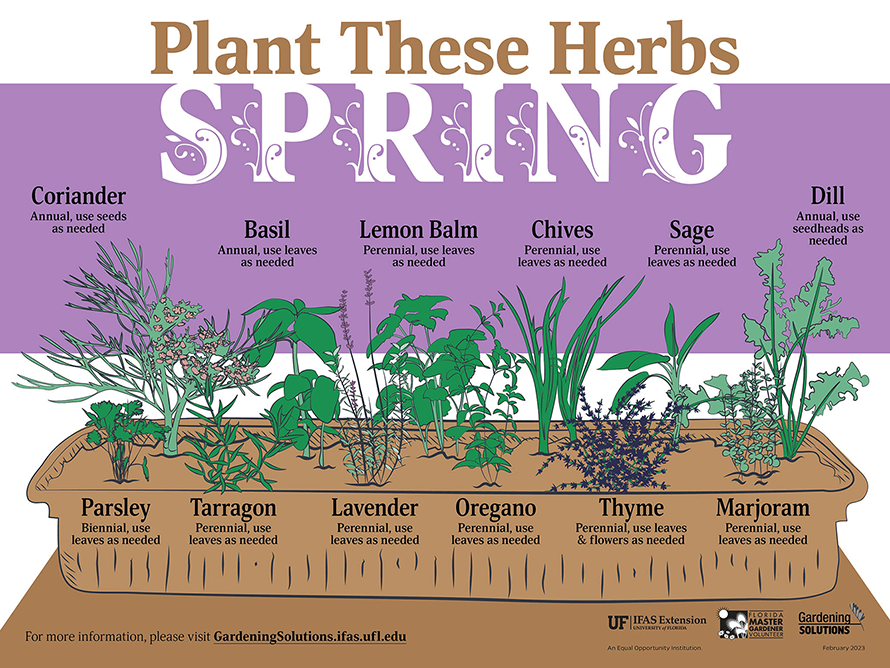
Credit: gardeningsolutions.ifas.ufl.edu
Frequently Asked Questions
What Herbs Grow Well In Central Florida?
Basil, mint, rosemary, oregano, and thyme grow well in Central Florida’s warm climate. They thrive with ample sun and moderate water.
Can You Grow Herbs Year Round In Florida?
Yes, you can grow herbs year-round in Florida. The warm climate and long growing season support herbs like basil, mint, rosemary, oregano, and thyme easily. Regular watering and partial shade help herbs thrive even in the hottest months.
What Is The Mother Of All Herbs?
The “mother of all herbs” often refers to Cuban Oregano (Plectranthus amboinicus) or Mugwort (Artemisia vulgaris). Both have culinary and medicinal uses. Cuban Oregano offers a strong oregano flavor and aids digestion. Mugwort has a minty taste and supports digestive health.
What Are The Most Heat Tolerant Herbs?
The most heat tolerant herbs include basil, rosemary, oregano, thyme, and Cuban oregano. They thrive in hot, sunny conditions.
Conclusion
Growing herbs in Central Florida offers fresh flavors all year long. Basil, mint, rosemary, oregano, and thyme thrive well here. These herbs need warm weather and plenty of sun. They add taste to many dishes and drinks. Starting an herb garden is simple and rewarding.
Just pick the herbs that suit your taste and climate. Enjoy the benefits of fresh herbs right outside your door. A small garden can bring big joy and flavor to your meals. Try growing these herbs and see how they enhance your cooking.