
A sitemap is a file on your website that lists all the important pages and tells search engines how your site content is organized. Think of it as a comprehensive map for search engine crawlers like Googlebot, guiding them to discover and index your web pages efficiently. By structuring your website sitemap properly, you help search engines understand your site’s architecture and improve how your web pages appear in search results, ultimately aiding search engine optimization (SEO).
Tag: Florida climate
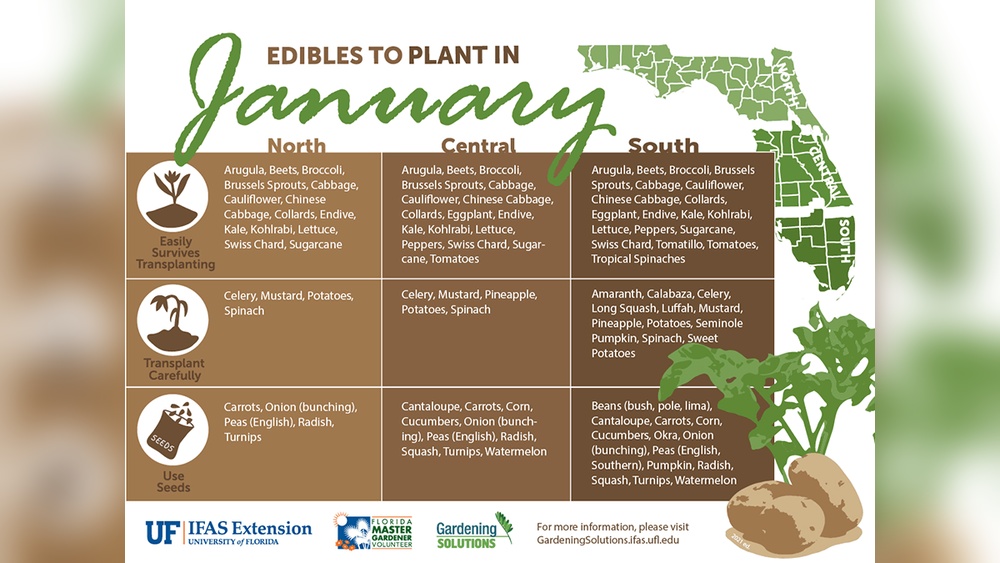
Unlock the secrets to a thriving Florida garden! Discover when to plant your favorite fruits and veggies to match Florida’s unique warm and cool growing seasons for a year-round harvest.
A sitemap acts like a digital blueprint for your website, guiding both users and search engine crawlers through its structure. It lists all important pages, helping search engines like Google understand your site’s layout and discover new content more efficiently. Essentially, an XML sitemap ensures search engines can easily find and index your website’s pages.
A sitemap is a file on your website that lists all the important pages and content. Think of it as a detailed map for search engines like Google, helping them discover and understand your site’s structure. Regular sitemap updates ensure search engines can properly index your latest website content, improving visibility. Different types of sitemaps, such as XML sitemaps and HTML sitemaps, serve slightly different purposes, but both aim to enhance search engine crawlability and website indexing.
{content_summary} {topic} involves {keywords}.
A sitemap is a file on your website that lists all the important pages. It tells search engines like Google about your site’s structure and content, helping them efficiently crawl and index your web pages. Think of it as a roadmap for search engine bots. There are two main types: XML sitemaps, which are designed for search engines, and HTML sitemaps, which help human visitors navigate your site. Having a well-structured sitemap is crucial for proper website indexing and ensuring all your valuable content is discoverable.
**Search engine optimization (SEO)** is the process of improving a website’s visibility and ranking in search engine results pages (SERPs). This involves optimizing various elements of your site to make it more appealing to search engines like Google, ultimately driving more **organic traffic**. Key aspects of **SEO strategy** include understanding **search engine algorithms**, performing thorough **keyword research** to identify relevant search terms, ensuring **technical SEO** best practices for website performance, and creating high-quality, relevant **content** that satisfies user intent. Effective SEO helps your target audience discover your products or services when they are actively searching for them online.
A {topic} is a key component in many modern systems. Essentially, it’s a {content_summary}. These devices facilitate {keyword1} and ensure smooth {keyword2}. Understanding how a {topic} functions is important for anyone working with {keyword3} or {keyword4} technologies.
{content_summary}
A router is a networking device that forwards data packets between computer networks. It directs internet traffic, ensuring data reaches its intended destination efficiently. Routers analyze network addresses to determine the best path for data transmission, connecting different devices and networks.