If you’re living in Florida and love a little heat in your meals, growing hot peppers in your garden is a fantastic idea. But with so many varieties out there, which ones will thrive best in Florida’s unique climate?
You want peppers that can handle the heat, humidity, and occasional storms without giving you a frustrating gardening experience. You’ll discover the best hot peppers to grow in Florida—those that bring bold flavors and spicy kicks right from your backyard.
Whether you’re a seasoned gardener or just starting out, these pepper choices will make your garden a fiery success. Keep reading to find out which peppers will turn your Florida garden into a spicy paradise!
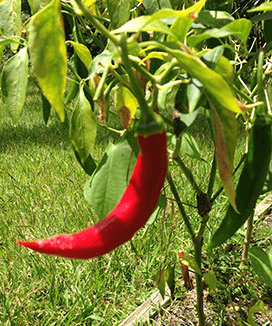
Credit: gardeningsolutions.ifas.ufl.edu
Top Hot Peppers For Florida Gardens
Florida’s warm climate suits many types of hot peppers. Growing hot peppers here means choosing varieties that handle heat and humidity well. These peppers add spice and color to any garden. They also thrive with Florida’s long growing season. Here are some top hot peppers perfect for Florida gardens.
Jalapeño
Jalapeños grow well in Florida’s heat. They produce medium-sized peppers with a mild to medium heat. Pick them green or wait for red to get more spice. Jalapeños are great for sauces and salsas.
Habanero
Habaneros are very hot and perfect for Florida’s warm climate. They need plenty of sun and heat to grow well. Their fruity flavor makes them popular in spicy dishes and hot sauces.
Serrano
Serrano peppers are small but pack a strong punch. They grow quickly and handle Florida’s humidity. Use them fresh or in cooking for a sharp, bright heat.
Datil
Datil peppers are a Florida favorite. They are sweet and hot with a unique flavor. These peppers do well in Florida gardens and add a local touch to meals.
Hungarian Wax
Hungarian Wax peppers are bright yellow and moderately hot. They thrive in Florida’s heat and produce long, slender fruits. Great for pickling or frying.
Anaheim Chile
Anaheim chiles are mild and easy to grow in Florida. They grow large and are perfect for stuffing or grilling. These peppers add flavor without too much heat.
Cayenne
Cayenne peppers grow well in warm climates like Florida. They are hot and slender. Dry them to make powder or use fresh for spicy dishes.
Poblano
Poblano peppers are mild and rich in flavor. They grow well in Florida’s warm weather. Use them roasted, stuffed, or in sauces for a smoky taste.
Heat-tolerant Pepper Varieties
Growing hot peppers in Florida requires varieties that handle intense heat and humidity well. Heat-tolerant pepper varieties thrive despite Florida’s challenging climate. These peppers resist sunscald and keep producing through hot days. Choosing the right peppers ensures a healthy, spicy harvest.
Big Chile Ii
Big Chile II is a popular choice for Florida gardens. It handles heat and humidity with ease. The peppers are large and thick-walled, perfect for stuffing or slicing. This variety produces high yields even in hot weather. Its mild to medium heat suits many recipes.
Numex
Numex peppers come from New Mexico but adapt well to Florida heat. They grow quickly and resist common diseases. Numex peppers vary in heat from mild to hot. Their thin walls dry well, ideal for making chili powders. Gardeners appreciate their sturdy plants and reliable harvest.
Thai Pepper
Thai peppers bring intense heat in a small package. These slender peppers tolerate Florida’s sun and moisture. They grow in clusters, producing many peppers per plant. Thai peppers add flavor and spice to many dishes. They mature quickly and keep producing through the season.
Capsicum Chinense Types
Capsicum Chinense includes some of the hottest peppers in the world. Varieties like Habanero and Scotch Bonnet thrive in warm Florida climates. They prefer full sun and well-drained soil. These peppers have fruity flavors with strong heat. Capsicum Chinense types reward gardeners with spicy, flavorful fruits.
Planting Seasons In Florida
Florida’s warm climate offers a long growing season for hot peppers. Knowing the right planting time helps peppers thrive. Planting seasons differ between Central, North, and South Florida. Starting at the right time prevents frost damage and heat stress. Proper timing ensures strong plants and spicy harvests.
Central And North Florida Timing
In Central and North Florida, plant hot peppers from late February to early March. This period avoids the last cold snaps of winter. Another good window is from July to September. These months have warm soil and steady rainfall. Avoid planting during the hottest months to reduce plant stress.
South Florida Timing
South Florida’s milder winters allow planting later in the year. August to September is ideal for starting hot peppers. The soil stays warm, encouraging quick seed germination. This region rarely faces frost, so peppers grow longer. Planting during this time leads to a bountiful and spicy crop.
Soil And Climate Tips
Growing hot peppers in Florida requires careful attention to soil and climate. The state’s unique weather demands specific care. Understanding soil needs and managing heat and humidity helps peppers thrive. Proper watering supports healthy growth and spicy fruit.
Ideal Soil Conditions
Peppers grow best in rich, well-drained soil. Florida’s sandy soil needs organic matter added. Compost or aged manure improves soil texture and nutrients. Aim for a soil pH between 6.0 and 6.8. Test soil regularly to keep it balanced. Good drainage prevents root rot and disease.
Managing Florida Heat And Humidity
Florida’s heat can stress pepper plants. Plant peppers in spots with partial afternoon shade. Mulch around plants to keep soil cool and moist. Avoid planting during the hottest months if possible. Use shade cloth on extremely hot days. Good air circulation reduces humidity effects and disease risk.
Watering Strategies
Consistent watering is key for hot peppers. Water deeply but less often to encourage strong roots. Early morning watering reduces evaporation loss. Avoid wetting leaves to prevent fungal problems. Use drip irrigation or soaker hoses for best results. Check soil moisture to avoid over or under watering.
Growing Peppers In Containers
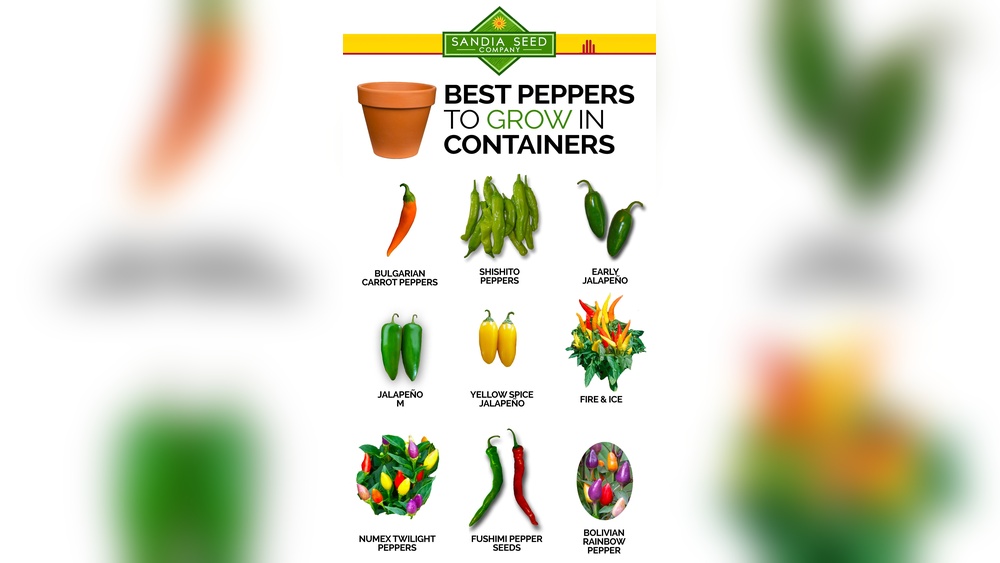
Growing hot peppers in containers is ideal for Florida gardeners with limited space. Containers offer flexibility to move plants for sunlight and shade. They also help control soil quality and water drainage. This method supports strong, healthy pepper plants despite Florida’s hot climate and sandy soil.
Container Selection
Choose containers at least 12 inches deep for pepper roots. Use pots with drainage holes to prevent water buildup. Terra cotta, plastic, or fabric pots work well. Larger containers reduce the need for frequent watering. Select a container size that fits your space and plant type.
Soil Mix Recommendations
Use a light, well-draining soil mix for peppers. Combine potting soil with compost and perlite or sand. This blend improves aeration and moisture retention. Avoid heavy garden soil that traps water. A balanced soil mix encourages strong root growth and healthy peppers.
Care And Maintenance
Water peppers regularly but avoid soggy soil. Check moisture daily, especially during hot days. Fertilize every two weeks with a balanced liquid fertilizer. Provide 6 to 8 hours of sunlight daily for best results. Watch for pests and remove damaged leaves promptly.
Common Challenges And Solutions
Growing hot peppers in Florida offers many rewards but also some challenges. The warm climate helps peppers thrive, yet it can bring pest problems and heat stress. Understanding these common challenges helps gardeners find smart solutions. Healthy plants mean better harvests and tastier peppers. Here are key issues to watch and simple ways to address them.
Pests And Diseases
Peppers in Florida face pests like aphids, whiteflies, and spider mites. These insects suck plant juices and spread diseases. Check plants regularly for small bugs or sticky leaves. Use insecticidal soap or neem oil to control pests naturally. Crop rotation reduces disease risk by breaking pest cycles. Remove damaged leaves to keep plants healthy. Avoid overhead watering to prevent fungal infections. Well-drained soil helps roots stay strong and resist disease.
Dealing With Heat Stress
Florida’s intense heat can stress pepper plants. Too much sun may cause leaf scorch and drop flowers. Provide afternoon shade using shade cloth or nearby taller plants. Mulch around plants to keep soil moist and cool. Water deeply but less often to encourage strong roots. Plant peppers in spring or fall to avoid hottest months. Heat-tolerant varieties like ‘Big Chile II’ handle warm weather better. Watch for wilting leaves and act fast to reduce stress.
Improving Fruit Set
Fruit set can be low in hot climates due to heat or poor pollination. Increase fruit production by shaking plants gently to spread pollen. Attract pollinators with flowers nearby or use a small brush to move pollen between flowers. Keep soil moist and fertilize with balanced nutrients. Avoid too much nitrogen, which causes leaf growth but fewer fruits. Consistent care during flowering boosts pepper yield. Healthy flowers mean more spicy peppers on the plant.
Harvesting And Using Hot Peppers
Harvesting and using hot peppers grown in Florida can be very rewarding. Knowing the right time to pick peppers ensures the best flavor and heat. Proper storage keeps your peppers fresh longer. There are many ways to enjoy hot peppers in your meals. Each step matters for a tasty experience.
When To Harvest
Pick hot peppers when they are firm and bright in color. Most peppers change color as they ripen. Green peppers are less spicy than red or orange ones. Use your fingers to gently squeeze the pepper. If it feels firm and full, it is ready. Harvest before frost to avoid damage. Use scissors or garden shears to cut the stem. Avoid pulling peppers off the plant to prevent harm.
Storage Tips
Store hot peppers in a cool, dry place. Refrigerate them in a plastic bag with holes. This helps keep peppers fresh for up to two weeks. For longer storage, dry or freeze peppers. Drying peppers intensifies their heat and flavor. To freeze, wash and dry peppers, then place them in freezer bags. Frozen peppers work well in cooked dishes. Avoid storing wet peppers to prevent mold growth.
Culinary Uses
Hot peppers add heat and flavor to many dishes. Chop fresh peppers into salsas, sauces, and salads. Cook them into soups, stews, or stir-fries for a spicy kick. Use dried peppers to make chili powder or flakes. Infuse oil or vinegar with hot peppers for cooking. Remember to wear gloves when handling hot peppers. Start with small amounts to control the spice level. Hot peppers can brighten any meal and excite your taste buds.
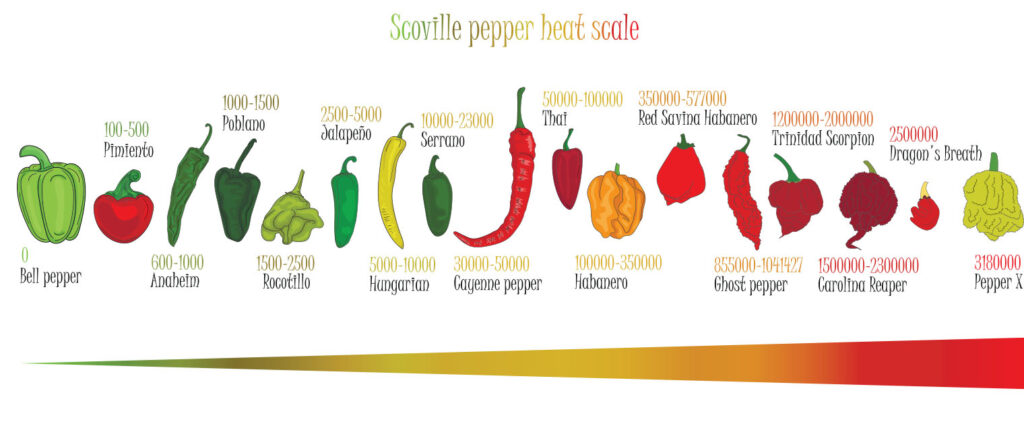
Credit: livingcolorgardencenter.net
Must-grow Pepper Varieties For Enthusiasts
Growing hot peppers in Florida offers a rewarding challenge for garden enthusiasts. The state’s warm climate supports a variety of pepper plants that thrive under the sun. Choosing the right pepper varieties ensures a successful and spicy harvest. These must-grow peppers bring flavor, heat, and excitement to your garden. They suit Florida’s heat and humidity well, providing bold tastes and vibrant colors.
Serrano
Serrano peppers are a favorite for many gardeners. They grow well in Florida’s warm weather. These peppers have a bright, fresh flavor with moderate heat. Serranos produce long, slender fruits that turn red when fully ripe. They mature quickly, allowing multiple harvests in a season. These peppers work well in salsa and hot sauces. Serranos add a pleasant kick without overwhelming heat.
Orange Habanero
Orange Habaneros bring intense heat and fruity flavor to the garden. They grow best in Florida’s sunny, hot climate. These peppers are small but pack a strong punch. Their bright orange color makes them stand out in any garden. Orange Habaneros need full sun and well-drained soil. They are perfect for gardeners who enjoy bold, tropical flavors. Use them carefully in cooking to add fiery heat.
Mayan Habanero
Mayan Habanero peppers are known for their unique smoky heat. They thrive in Florida’s warm seasons and humid conditions. These peppers are slightly larger than the typical habanero. Their flavor combines fruity sweetness with a smoky, spicy finish. The Mayan Habanero’s heat level is high but balanced. They make an excellent choice for hot sauces and marinades. Gardeners appreciate their distinctive taste and strong growth.

Credit: www.sandiaseed.com
Frequently Asked Questions
What Kind Of Hot Peppers Grow In Florida?
Florida grows many hot peppers like Jalapeño, Habanero, Cayenne, Anaheim, Datil, Hungarian Hot Wax, Poblano, and Serrano. These varieties thrive in Florida’s warm climate and offer various heat levels for gardeners.
When Should I Plant Hot Peppers In Florida?
Plant hot peppers in Florida from February to March or July to September in central and north regions. In southern Florida, plant between August and September.
What Is The Easiest Hot Pepper To Grow?
Jalapeño peppers are the easiest hot peppers to grow. They thrive in various conditions and mature quickly. Harvest them green or red for different spice levels.
What Grows Well In Florida Heat?
Okra, roselle, sugarcane, tropical fruits, and heat-tolerant peppers like jalapeño and habanero grow well in Florida heat.
Conclusion
Growing hot peppers in Florida can be rewarding and fun. Choose varieties that handle heat and humidity well. Jalapeño, Anaheim, and Habanero peppers thrive here. Plant during the right season for best results. Regular watering and sunlight boost pepper growth.
Watch for pests and keep soil healthy. Fresh homegrown peppers add great flavor to meals. Start your garden today and enjoy the spicy harvest.