
If you’ve ever wanted fresh, crisp cucumbers right from your own garden, Florida offers a unique opportunity—and a few challenges—to make that dream come true. Growing cucumbers in Florida isn’t just about planting seeds; it’s about understanding the best timing, soil, and care that suit the Sunshine State’s climate.
Whether you have a big backyard or a small patio, knowing the best way to grow cucumbers here can save you time and frustration while boosting your harvest. Ready to discover simple, proven tips that will have you picking your own cucumbers sooner than you think?
Let’s dive into what works best for cucumber growing in Florida and ensure your garden thrives all season long.
Credit: bonnieplants.com
Climate And Planting Schedule
Growing cucumbers in Florida needs careful attention to climate and planting times. Florida’s warm weather and humidity create unique conditions for these plants. Picking the right planting schedule helps cucumbers thrive and produce healthy fruits. Understanding when and where to plant ensures a good harvest.
Best Months For Planting
In North Florida, plant cucumbers from February to April. Another good time is July through August. Central Florida gardeners should plant from January to March. A second planting can happen in September. South Florida’s best planting season runs from September to February. These months avoid the hottest times and heavy rains. Planting during these periods reduces risk of disease and stress on the plants.
Regional Planting Differences
Florida’s regions have different climates that affect cucumber growth. North Florida has cooler winters, so plant later in winter or early spring. Central Florida offers a longer growing season with mild winters. Plant early in the year or in early fall. South Florida’s warm climate allows planting in late fall through winter. The heat in summer can be too harsh for cucumbers there. Adjusting the planting time by region helps cucumbers grow strong and produce more fruit.
Choosing Cucumber Varieties
Choosing the right cucumber variety is crucial for a successful harvest in Florida. The state’s warm climate and humidity influence which types thrive best. Selecting varieties adapted to local conditions helps avoid common problems like disease and poor fruit development.
Different cucumber types offer various benefits. Some produce long vines needing space and support. Others grow in compact bushes, fitting smaller gardens. Understanding these differences guides gardeners in making smart planting decisions.
Varieties Suited For Florida
Pick cucumber varieties that tolerate heat and humidity well. ‘Marketmore 76’ resists many diseases and grows vigorously. ‘Calypso’ produces dark green, smooth fruits with good flavor. ‘Sweet Success’ is a parthenocarpic type, meaning it sets fruit without needing pollination, ideal for Florida’s variable bee activity.
‘Bush Champion’ is a popular bush variety that adapts well to Florida gardens. ‘Straight Eight’ offers classic slicing cucumbers that handle warm weather. Choose varieties labeled as resistant to powdery mildew and downy mildew to reduce crop loss.
Vining Vs. Bush Types
Vining cucumbers grow long and need trellises or fences. They save ground space by growing vertically. Vining types usually produce higher yields and larger fruits. They require regular pruning and training to keep plants healthy.
Bush cucumbers stay compact and fit small spaces or containers. They do not need support structures, making them easier to manage. Bush types often mature faster but yield fewer cucumbers. Ideal for beginners or gardeners with limited space.
Choose vining types for bigger gardens and bush types for tight spots. Both can thrive in Florida with proper care and watering. Match the variety to your garden size and maintenance ability for best results.
Soil Preparation
Preparing the soil is the first step to growing healthy cucumbers in Florida. The right soil conditions help cucumber plants absorb water and nutrients easily. This support helps plants grow strong and produce tasty fruits. Proper soil preparation also improves drainage and prevents root problems. Florida’s sandy soils need special care to hold nutrients and moisture well.
Soil Ph And Nutrients
Cucumbers grow best in soil with a pH between 6.0 and 6.8. This range allows plants to take up nutrients efficiently. Test your soil before planting to know its pH level. If the soil is too acidic, add lime to raise the pH. If it is too alkaline, sulfur can lower the pH.
Florida soils often lack organic matter and essential nutrients like nitrogen, phosphorus, and potassium. These nutrients are vital for leaf growth, flowering, and fruit development. Balanced soil nutrients lead to healthier cucumber plants and larger harvests.
Soil Amendments And Fertilizers
Adding organic matter like compost or well-rotted manure improves soil texture and fertility. It helps sandy Florida soil hold water and nutrients longer. Spread a 2-3 inch layer of compost over the soil and mix it well before planting.
Use a balanced fertilizer with equal parts nitrogen, phosphorus, and potassium at planting time. Side-dress the plants with nitrogen fertilizer every few weeks during growth. Avoid too much nitrogen, which causes more leaves but fewer fruits.
Mulching around cucumber plants keeps soil moist and cool. It also reduces weeds and soil erosion. Use straw, grass clippings, or black plastic mulch for best results in Florida gardens.

Credit: www.reddit.com
Planting Techniques
Planting techniques play a key role in growing healthy cucumbers in Florida. Proper planting ensures strong roots and good fruit production. Starting seeds correctly and spacing plants well helps cucumbers thrive in the warm Florida climate. Transplanting young plants carefully reduces shock and supports fast growth. Follow these simple steps to get the best results from your cucumber garden.
Seed Starting And Spacing
Start cucumber seeds indoors about 3 to 4 weeks before the last frost date. Use seed trays or small pots with a light, well-draining soil mix. Keep the soil moist but not soggy. Place the trays in a warm spot with plenty of sunlight.
When seedlings reach 2 to 3 inches tall, thin them to one strong plant per pot. This gives each seedling enough space to grow healthy roots.
Plant cucumber seeds or seedlings outdoors after the danger of frost passes. In Florida, this usually means planting between late winter and early spring. Space cucumber plants 12 to 18 inches apart in rows that are 3 to 4 feet apart. Good spacing lets air circulate and reduces disease risk.
Transplanting Tips
Transplant seedlings carefully to avoid damaging roots. Water the seedlings well before moving them outside. Dig holes slightly larger than the root ball.
Place seedlings in the holes and cover roots with soil. Firm the soil gently around the plants. Water the transplants right after planting to settle the soil.
Provide some shade for the first few days after transplanting. This helps reduce stress from the sun and wind. Mulch around the plants to keep soil moist and cool.
Watering And Mulching
Proper watering and mulching are key to growing healthy cucumbers in Florida. The state’s hot climate and sandy soil mean plants need steady moisture and protection. These practices help keep cucumber plants strong and fruit full of flavor.
Optimal Watering Practices
Cucumbers need consistent watering for steady growth. Water deeply once or twice a week, aiming for about one inch of water. Morning watering is best to reduce leaf diseases. Avoid wetting the leaves to keep plants healthy. Use drip irrigation or soaker hoses to deliver water directly to roots. Check soil moisture regularly to prevent over or under watering. Mulching helps retain soil moisture and reduce evaporation.
Benefits Of Mulching
Mulching keeps soil moist and cool around cucumber plants. It stops weeds from competing for water and nutrients. Organic mulches like straw or pine needles improve soil quality as they break down. Mulch also protects cucumber fruits from soil contact, reducing rot. Apply a 2 to 3 inch layer of mulch around plants but keep it away from stems. Mulching saves water and boosts cucumber growth in Florida’s warm climate.
Trellising And Support
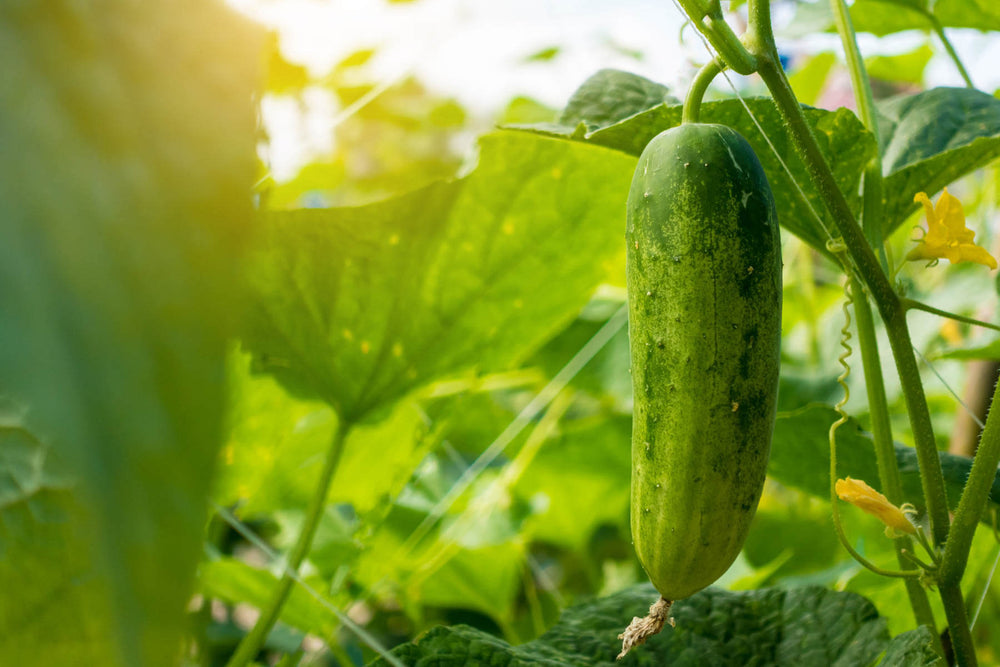
Trellising and support play a key role in growing cucumbers in Florida. These plants climb naturally and need strong support to thrive. Using a trellis helps keep cucumbers off the ground. This reduces the risk of disease and improves air circulation around the plants. It also makes harvesting easier and keeps fruits clean. Proper trellising can lead to healthier plants and better yields.
Advantages Of Vertical Growth
Growing cucumbers vertically saves space in small gardens. It allows more sunlight to reach the leaves, boosting photosynthesis. Vertical growth prevents fruits from touching the soil, reducing rot and pests. Air moves freely around the vines, lowering fungal problems. Harvesting is simpler because cucumbers hang in plain sight. Plants also use less water since soil stays drier. Overall, vertical growth improves cucumber quality and quantity.
Trellis Construction Tips
Choose sturdy materials like wood, metal, or strong plastic for your trellis. The structure should stand at least 5 to 6 feet tall to support tall vines. Make sure the trellis has a grid or mesh for cucumber tendrils to grab. Place the trellis in a sunny spot with good airflow. Secure the base firmly in the ground to prevent tipping. Train young cucumber vines gently to climb the trellis early. Check the trellis regularly and adjust vines as needed for best support.
Pest And Disease Management
Managing pests and diseases is vital to growing healthy cucumbers in Florida. The warm, humid climate encourages many pests and diseases. Controlling these threats early keeps plants strong and yields high. Regular monitoring helps catch problems before they spread. Using natural and safe methods protects your garden and environment.
Common Pests In Florida
Cucumber beetles are a common pest. They feed on leaves and spread bacterial wilt. Aphids suck plant juices and cause leaves to curl. Spider mites thrive in hot, dry weather and damage leaves. Whiteflies also suck sap and spread diseases. Thrips can scar fruits and reduce plant vigor. Handpicking pests or using insecticidal soap helps control them. Introducing beneficial insects like ladybugs reduces pest numbers naturally.
Disease Prevention Strategies
Rotate crops each year to reduce soil-borne diseases. Plant disease-resistant cucumber varieties suited for Florida. Water plants at the base early in the day to avoid wet foliage. Remove and destroy infected plants immediately to prevent spread. Use mulch to reduce soil splash and weed growth. Apply organic fungicides when needed to control mildew and blight. Maintain good air circulation by spacing plants properly and pruning excess leaves.
Credit: faitc.org
Pruning And Maintenance
Pruning and maintenance play a key role in growing healthy cucumbers in Florida. Proper care helps plants focus energy on producing fruits rather than excess foliage. Regular pruning keeps plants strong and less prone to disease. It also improves airflow, which is vital in Florida’s humid climate.
Following simple pruning steps can boost your cucumber harvest. Maintenance tasks like removing unwanted shoots and shaping the plant support better growth. These tasks keep your garden neat and productive throughout the growing season.
Sucker Removal Techniques
Suckers are small shoots that grow from the main stem. They take energy away from fruit production. Removing suckers helps the plant focus on growing larger cucumbers. Use clean scissors or pinch them off with your fingers early. Check plants every few days to catch new suckers. Do not remove the main growing tip, as it guides plant growth. Removing too many leaves can reduce the plant’s ability to photosynthesize. Balance sucker removal with healthy foliage left on the plant.
Maximizing Airflow And Yield
Cucumber plants need space to breathe. Dense leaves block air and trap moisture. Prune lower leaves that touch the ground to reduce mold risk. Thin out crowded areas to let air flow between vines. Train vines to climb a trellis or support. This keeps fruit off the soil and easier to harvest. Good airflow lowers disease chances and keeps leaves dry. Proper pruning leads to bigger, healthier cucumbers. Regular maintenance lets sunlight reach all parts of the plant. This encourages steady fruit development and higher yields.
Harvesting Tips
Harvesting cucumbers at the right time ensures the best flavor and texture. Proper harvesting keeps plants healthy and productive. Here are some helpful tips to know when and how to pick your cucumbers in Florida.
Signs Of Ripeness
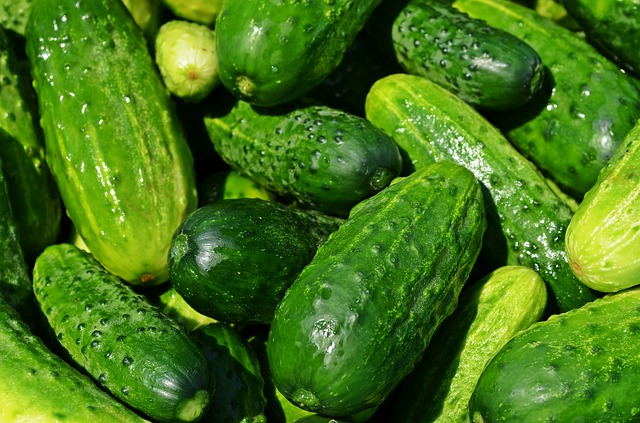
Pick cucumbers when they have a firm feel and bright green color. Avoid yellow or soft spots, as they mean overripe fruit. The size varies by variety but usually ranges from 6 to 8 inches long. Check for smooth skin without wrinkles or bumps. Early harvesting encourages the plant to produce more cucumbers.
Harvesting Methods
Use a sharp knife or garden scissors to cut cucumbers from the vine. Avoid pulling or twisting, which can damage the plant. Hold the cucumber gently while cutting near the stem. Harvest cucumbers every two to three days to keep fruits fresh. Wear gloves if vines have small thorns or irritate your skin.
Troubleshooting Common Issues
Troubleshooting common issues helps keep cucumber plants healthy in Florida’s unique climate. Problems can reduce yield and fruit quality. Early detection and quick action make a big difference. This section covers common challenges and easy solutions.
Addressing Poor Fruit Quality
Poor fruit quality often comes from uneven watering or nutrient problems. Cucumbers may become bitter, misshapen, or have soft spots. Test soil for nutrient balance. Add compost or balanced fertilizer if needed. Water plants deeply once or twice a week. Avoid wetting leaves to prevent disease. Remove damaged fruit to encourage new growth.
Managing Heat Stress
Florida’s heat can stress cucumber plants, causing wilting and flower drop. Plant cucumbers in partial shade during hottest hours. Use mulch to keep soil cool and moist. Water early in the morning to reduce evaporation. Choose heat-tolerant cucumber varieties for better results. Check plants daily for signs of stress and act fast to save them.
Frequently Asked Questions
Is It Better To Grow Cucumbers On A Trellis Or On The Ground?
Growing cucumbers on a trellis improves airflow, sunlight exposure, and keeps fruit clean. It reduces disease and damage while saving space compared to ground growing.
What Month Do You Plant Cucumbers In Florida?
Plant cucumbers in Florida based on the region: North Florida from February to April and July to August. Central Florida from January to March and September. South Florida from September to February.
How Do You Grow Cucumbers In Florida For Beginners?
Plant cucumbers in Florida from January to March or September to February. Use well-drained soil with pH 6. 0. Fertilize heavily and water regularly. Grow vines vertically on a trellis for better air and sunlight. Mulch to retain moisture and reduce weeds.
What Is The Trick To Growing Cucumbers?
Grow cucumbers in well-drained soil with full sun. Use trellises to save space and improve airflow. Water consistently and fertilize regularly. Mulch to retain moisture and reduce weeds. Harvest frequently for better yield.
Conclusion
Growing cucumbers in Florida can be simple and rewarding. Choose the right planting time for your region. Use well-drained soil rich in organic matter. Support plants with a trellis to save space and reduce disease. Water consistently to keep soil moist but not soaked.
Watch for pests and remove them early. With care and patience, you will enjoy fresh, homegrown cucumbers. Start small, learn from experience, and your garden will thrive. Happy gardening!