Transform your outdoor space into a vibrant paradise with the right South Florida landscaping plants. This guide provides homeowners with insights into selecting beautiful, low-maintenance flora perfectly suited for the region’s unique climate, ensuring a stunning garden that thrives with minimal effort.
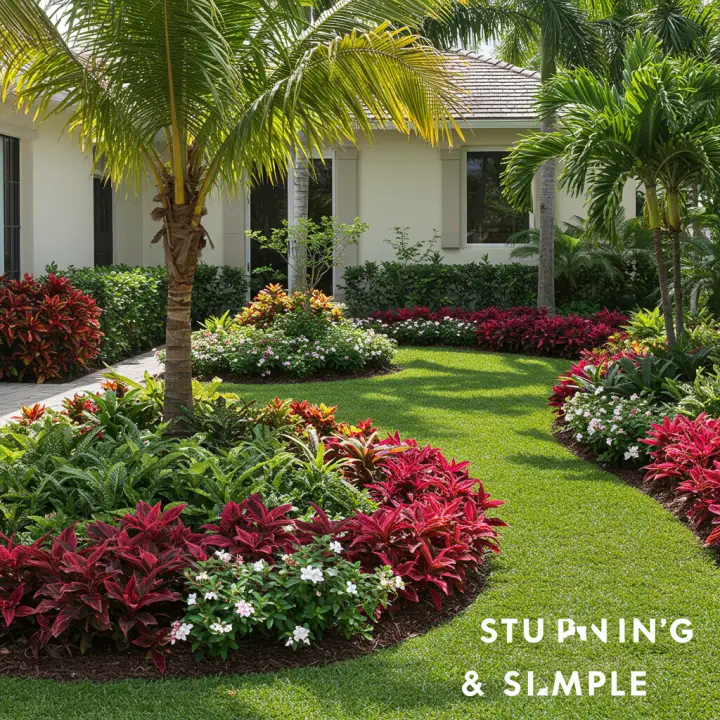
Unlock the Beauty of Your South Florida Garden
South Florida boasts a unique, subtropical climate that offers incredible possibilities for stunning landscapes. However, choosing the right plants is crucial for creating a garden that thrives, not just survives. By understanding the local conditions and selecting resilient, beautiful species, you can achieve a picturesque outdoor oasis that’s both gorgeous and easy to maintain. This guide will help you navigate the best choices for your South Florida home, ensuring your landscape is a source of pride and relaxation.
Why Choose the Right Plants for South Florida?
South Florida’s environment—characterized by hot, humid summers, mild winters, occasional drought, and the threat of hurricanes—presents specific challenges and opportunities for landscaping.
Understanding South Florida’s Unique Climate
Our region’s climate means that plants must tolerate intense sun, high humidity, and sometimes salty air, especially near the coast. Plants not suited to these conditions often struggle, requiring excessive water, fertilizer, and pest control. This leads to higher costs, more effort, and less appealing results.
The Benefits of Florida-Friendly Selections
Opting for Florida-friendly or native plants offers numerous advantages:
Drought Tolerance: Many are naturally adapted to periods of dry weather, reducing your water bill.
Pest and Disease Resistance: They’re less prone to local pests, minimizing the need for harmful pesticides.
Lower Maintenance: Less watering, fertilizing, and fuss means more time enjoying your yard.
Support Local Wildlife: Native plants provide essential food and habitat for butterflies, birds, and other beneficial creatures.
Hurricane Resilience: Many native trees and shrubs are better equipped to withstand strong winds.
Stunning & Simple: Top South Florida Landscaping Plants
Creating a captivating landscape doesn’t mean sacrificing simplicity. Here are some top picks that offer both beauty and ease of care.
Vibrant Trees for Shade and Structure
Trees are the backbone of any landscape, providing shade, privacy, and visual interest.
Live Oak (Quercus virginiana): A majestic, long-lived native tree offering extensive shade and a classic Florida aesthetic. Extremely hurricane-resistant.
Gumbo Limbo (Bursera simaruba): Known as the “tourist tree” due to its peeling red bark, it’s fast-growing, highly salt-tolerant, and exceptionally resilient.
Royal Palm (Roystonea regia): An iconic, stately palm that adds a grand, tropical feel. Requires little maintenance once established.
Mahogany (Swietenia mahagoni): A native hardwood tree providing dense shade and beautiful timber, suitable for larger landscapes.
Beautiful Shrubs for Privacy and Color
Shrubs add layers, color, and can create natural fences.
Firebush (Hamelia patens): A Florida native with brilliant orange-red tubular flowers that attract hummingbirds and butterflies. Drought-tolerant.
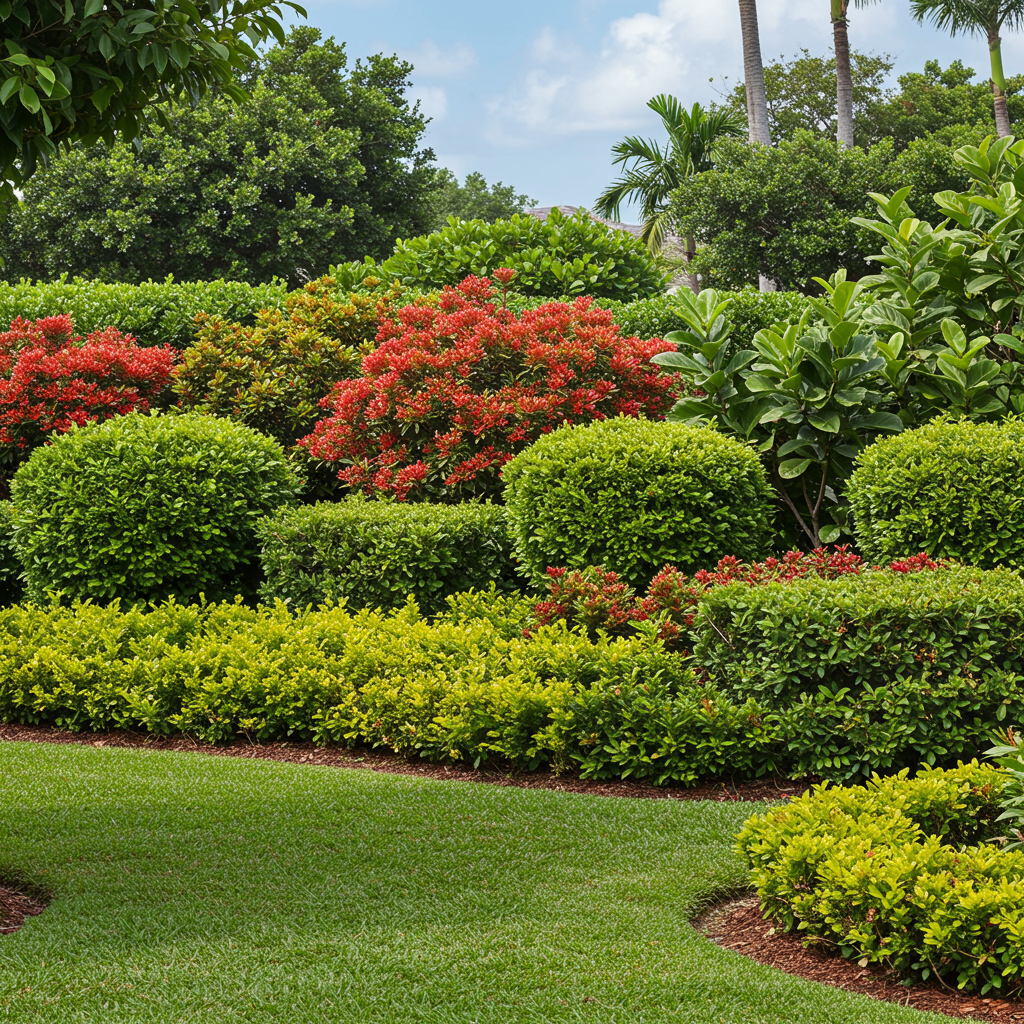
Ixora (Ixora coccinea): Produces clusters of vibrant red, pink, yellow, or orange flowers almost year-round. Prefers acidic soil.
Dwarf Bottlebrush (Callistemon citrinus ‘Little John’): Features striking crimson, brush-like flowers. Hardy and relatively compact.
Podocarpus (Podocarpus macrophyllus): An excellent choice for hedges and privacy screens, offering dense, evergreen foliage. Tolerates trimming well.
Native Coontie (Zamia integrifolia): A tough, low-growing native cycad, perfect for shaded areas or as an understory plant.
Colorful Groundcovers and Flowering Perennials
These add splashes of color and help suppress weeds.
Beach Sunflower (Helianthus debilis): A fast-growing native groundcover with bright yellow flowers, perfect for sunny, sandy spots. Attracts pollinators.
Lantana (Lantana camara): Offers clusters of multi-colored flowers and is highly drought and heat-tolerant. Attracts butterflies.
Pentas (Pentas lanceolata): Known as “Egyptian Starcluster,” it produces abundant star-shaped flowers in various colors, a butterfly magnet.
Mondo Grass (Ophiopogon japonicus): A low-maintenance, dark green groundcover ideal for edging or filling in shaded areas.
Iconic Palms for That Tropical Touch
No South Florida landscape is complete without palms!
Sabal Palm (Sabal palmetto): Florida’s state tree, incredibly hardy, drought, and salt-tolerant. Requires minimal care.
Christmas Palm (Adonidia merrillii): A smaller, ornamental palm perfect for tighter spaces, known for its clusters of red berries in winter.
Pygmy Date Palm (Phoenix roebelenii): A popular dwarf palm, great for containers or as an accent plant, adding fine texture.
Designing Your Dream South Florida Landscape
Thoughtful design makes all the difference in creating a cohesive, attractive, and functional outdoor space.
Key Considerations for Plant Selection
Before planting, always consider:
Sunlight: Does the spot get full sun (6+ hours), partial sun, or full shade?
Soil Type: Is your soil sandy, loamy, or clay-heavy? Does it drain well?
Water Needs: Group plants with similar water requirements together.
Mature Size: Account for how large plants will grow to avoid overcrowding or constant pruning.
Salt Tolerance: Crucial for coastal properties.
Simple Design Principles
Layering: Plant taller specimens in the back, medium-height in the middle, and groundcovers in the front for depth.
Focal Points: Create interest with a unique tree, a vibrant flowering shrub, or a decorative planter.
Color Harmony: Choose a color scheme (e.g., cool blues/purples, warm reds/oranges) or complementary colors for a cohesive look.
Functionality: Consider pathways, seating areas, and how you want to use your outdoor space.
Easy Care for Your South Florida Garden
Selecting the right plants means less work for you, but basic care is still essential.
Watering Wisely
Once established, many Florida-friendly plants are remarkably drought-tolerant. Water deeply but infrequently to encourage strong root growth. Utilize rain sensors on irrigation systems, and consider hand-watering new plants.
Minimal Feeding and Pruning
Over-fertilizing can harm plants and the environment. Use slow-release fertilizers specifically designed for tropical plants or natives, if at all. Prune only when necessary to remove dead or diseased branches, or to maintain shape, avoiding excessive trimming. Less is often more with Florida-friendly landscaping!
Frequently Asked Questions About South Florida Landscaping Plants
Q1: What does “Florida-Friendly” mean?
A1: Florida-Friendly Landscaping™ is a program that encourages homeowners to create attractive, sustainable landscapes that protect Florida’s natural resources. It involves choosing the right plants for the right place, watering efficiently, fertilizing appropriately, managing pests responsibly, and more.
Q2: Can I use non-native plants in my South Florida landscape?
A2: Yes, many non-native plants thrive here. However, it’s crucial to choose “non-invasive” exotic plants. Invasive species can escape into natural areas and outcompete native plants, harming ecosystems. Always check if a plant is listed as invasive before planting.
Q3: How often should I water new plants?
A3: New plants need more frequent watering to help them establish roots. Generally, water daily for the first week or two, then gradually reduce frequency over a few months until they are established and can rely more on natural rainfall. Always check soil moisture before watering.
Q4: Are there any plants that deter mosquitoes in South Florida?
A4: While no plant completely eliminates mosquitoes, some can help deter them. Examples include Citronella grass, Lemon Balm, Marigolds, and Rosemary. Place these near seating areas for best effect.
Q5: What are the best plants for sandy soil in South Florida?
A5: Many native plants naturally thrive in sandy soils. Examples include Beach Sunflower, Saw Palmetto, Railroad Vine, and various species of Sea Grape. Incorporating organic matter can also improve sandy soil’s water retention.
Q6: How can I make my South Florida landscape more hurricane-resistant?
A6: Choose trees with strong, deep root systems and flexible branches (like Live Oaks or Gumbo Limbo). Avoid brittle trees or those prone to splitting. Group plants closely to create windbreaks. Proper pruning techniques that maintain a strong central leader and open canopy can also reduce wind resistance.
Conclusion
Creating a stunning and simple landscape in South Florida is entirely achievable by making smart plant choices. By embracing resilient, Florida-friendly, and native species, you’ll not only enhance your home’s curb appeal but also enjoy a vibrant, low-maintenance garden that celebrates the unique beauty of our region. Start planning your tropical oasis today, and watch your dream garden flourish!