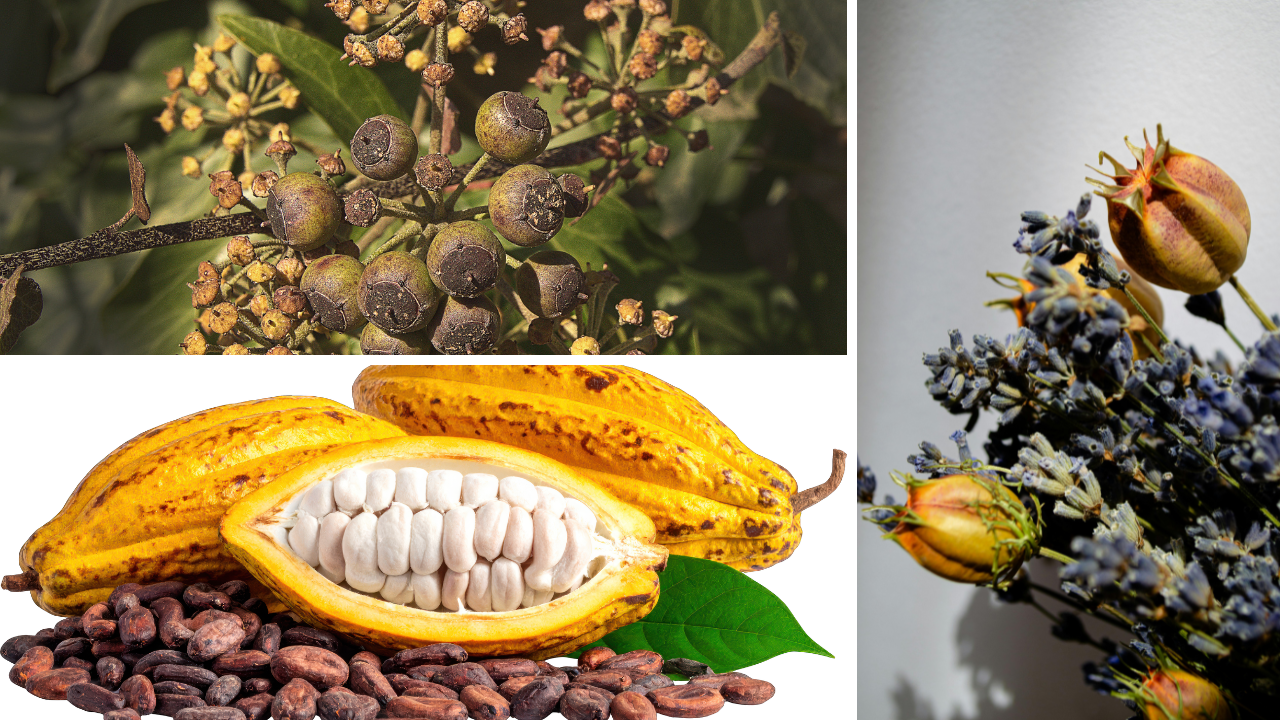
Hibiscus seeds are collected from the dried seed pods that form after the flower fades. The pods turn brown and brittle when ripe. You can then carefully open the pod to extract the seeds for planting. Proper timing and handling are key for good germination.
Understanding Hibiscus Seed Pods
Hibiscus flowers are gorgeous, right? After a bloom has done its show, it starts to fade. What happens next is crucial for seed collection.
You’ll notice a little green bulb growing where the flower once was. This is the start of your seed pod.
This pod will slowly grow and change color. It starts green, then usually turns yellow or brown. The pod needs time to dry out on the plant.
This drying process is what makes the seeds inside ready to be collected. It’s like nature’s way of packaging them up safely.
The whole process takes time. It can take weeks for the pod to mature. You need to be patient.
If you try to get seeds too early, they won’t be ready. They won’t have time to develop properly. This means they won’t grow into new plants.
So, watching the pod is very important.
You’ll see the pod change from smooth and plump to more defined segments. It will start to feel dry and papery. The color will deepen to a rich brown or even a tan.
Sometimes, you might even see the pod starting to split open on its own. This is a big clue that it’s ready.
When to Collect Your Hibiscus Seeds
Timing is everything when collecting hibiscus seeds. You want to catch the seed pod at its peak ripeness. This is usually when the pod has turned a dry, brown color.
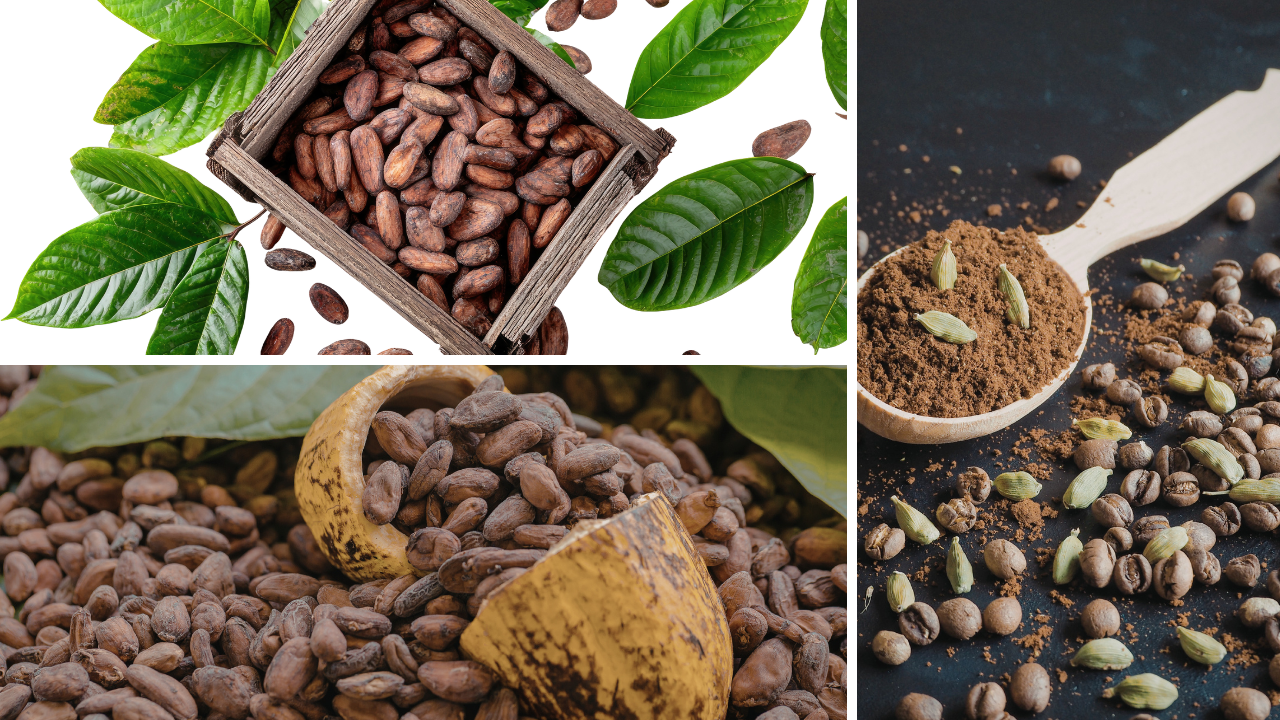
It should feel brittle and almost ready to crack open.
Most hibiscus varieties will have pods that turn brown. They might feel a bit hard and papery. If you gently squeeze a ripe pod, it might feel like it’s going to split.
A really good sign is if the pod starts to show a line where it’s about to open.
Don’t rush the process. If the pod is still green and firm, the seeds inside are likely immature. They might be small, white, or not fully formed.
These immature seeds have a very low chance of germinating. It’s better to wait for that natural drying and browning.
Some gardeners like to check their plants daily once pods start to mature. You might see pods that have already split open. If you see this, it means the seeds might have already been released.
They could have fallen to the ground. Or perhaps birds or insects got to them first.
To avoid losing your precious seeds, it’s a good idea to cover developing pods. You can use a small mesh bag or even a piece of cheesecloth. Tie it gently around the pod with a twist tie or string.
This way, if the pod splits open, the seeds will be caught inside the bag. This protects them from falling or being eaten.
You can usually start collecting seeds from late summer through fall. This depends on when your hibiscus bloomed. Many tropical hibiscus plants bloom throughout the summer.
So, you’ll likely see pods forming then. Hardy hibiscus varieties often bloom later in the summer. Their pods will mature into the fall.
Checking Pod Readiness
- Color Change: Pod turns from green to brown or tan.
- Texture: Pod feels dry, papery, and brittle.
- Splitting: Pod shows a visible seam starting to open.
- Sound: You might hear seeds rattling inside if shaken gently.
If you live in a region with cold winters, try to collect seeds before the first hard frost. Frost can damage the pods and the seeds inside. It can make them less viable.
So, keeping an eye on the weather forecast is also a good idea.
How to Open Hibiscus Seed Pods
Once you’ve spotted a ripe, brown seed pod, it’s time for the exciting part: opening it. This step needs a gentle touch. You don’t want to crush or damage the seeds.
First, carefully detach the pod from the plant. Use clean scissors or pruning shears. Cut the stem just above the pod.
This prevents introducing any dirt or germs to the seeds.
Lay the pod on a clean, dry surface. A piece of paper or a tray works well. You’ll see that the pod is divided into sections, often five.
These sections are joined together in the middle.
Gently squeeze the pod. Sometimes, this is all it takes. The dried pod should start to separate along its natural lines.
You can also use your fingernails to carefully pry the sections apart. Work slowly and deliberately. Don’t force it if it feels stuck.
If the pod is very dry and brittle, it might crack open easily. If it feels a bit tough, you can use a small, clean knife. Just gently score along the seam lines.
Then try prying it open again. The goal is to expose the seeds without cutting them.
Inside each section, you’ll find several seeds. They are usually small and somewhat flattened. They can be dark brown, black, or even tan.
The seeds look a bit like tiny kidney beans or sesame seeds, depending on the variety.
You might also find papery material or fluffy fibers inside the pod. This is normal. It’s part of the seed structure.
You can carefully pick this out. You only want the actual seeds. If some fibers are stuck to the seeds, don’t worry too much.
You can often separate them later.
Gentle Pod Opening Steps
- Cut pod from the plant with clean tools.
- Place pod on a clean, dry surface.
- Gently squeeze the pod to encourage it to split.
- Use fingernails or a clean knife to carefully pry sections apart.
- Extract seeds from each section.
Once you have all the seeds out, spread them on a paper towel. Let them air dry for a few more days. This helps remove any remaining moisture.
This is important for storage. Excess moisture can lead to mold. It can also reduce the viability of the seeds.
Inspect the seeds carefully. Remove any debris, dried plant matter, or damaged seeds. Good seeds will look plump and well-formed.
Seeds that look shriveled or have dark spots might not be viable. You can discard these.
Storing Your Hibiscus Seeds
Proper storage is key to keeping your hibiscus seeds viable until you’re ready to plant them. You want to preserve them in a cool, dry place. This helps them stay dormant until germination time.
After air-drying your seeds for a few days, place them in a small, airtight container. Glass jars with tight-fitting lids are ideal. Small plastic bags or envelopes can also work.
Just make sure they seal well.
Label each container clearly. Write the type of hibiscus (if you know it) and the date you collected the seeds. This helps you keep track of your seed collection.
It also helps you know how old the seeds are.
Store these containers in a cool, dark place. A cupboard or a drawer works fine. The best temperature is usually around room temperature or slightly cooler.
Avoid places with extreme temperature fluctuations, like a hot attic or a cold garage.
You can also store seeds in the refrigerator. If you do this, make sure the container is truly airtight. You don’t want the seeds to absorb moisture from the fridge air.
Moisture can cause them to sprout too early or rot. Some people even add a small packet of silica gel to the container. This helps absorb any stray moisture.
How long do hibiscus seeds last? Generally, hibiscus seeds can remain viable for several years if stored properly. Some sources say they can last up to five years or even longer.
However, their germination rate will likely decrease over time. It’s always best to try planting older seeds sooner rather than later.
When you’re ready to plant, you can test the viability of your seeds. Place a few seeds on a damp paper towel. Put the towel in a plastic bag.
Keep it in a warm spot. Check them every few days. If they sprout within a week or two, they are likely still good.
Seeds that don’t sprout after a couple of weeks might be dead.
Seed Storage Essentials
- Container: Airtight glass jar, plastic bag, or envelope.
- Labeling: Variety and collection date.
- Location: Cool, dark, and dry place.
- Optional: Silica gel packet for extra moisture control.
It’s a good practice to collect more seeds than you think you’ll need. This accounts for any seeds that might not germinate. It also gives you some to share with fellow gardeners.
Seed saving is a wonderful way to spread the joy of these beautiful plants.
Planting Your Hibiscus Seeds
Now for the exciting part: planting! Growing hibiscus from seed can be a rewarding process. It lets you experience the full life cycle of the plant.
Hibiscus seeds often benefit from a little preparation before planting. This is called scarification or stratification. It helps break down the hard seed coat.
It also signals to the seed that it’s time to grow.
Scarification: This means nicking or lightly sanding the seed coat. You can use a small file or a piece of sandpaper. Gently rub the seed coat until you see a tiny change in color or texture.
Be careful not to damage the inner part of the seed. This helps water penetrate the seed.
Soaking: After scarification, soak the seeds in warm water for 12 to 24 hours. This further softens the seed coat and encourages germination. Discard any seeds that float after soaking.
They are likely not viable. Good seeds will sink to the bottom.
You can plant hibiscus seeds indoors about 6-8 weeks before the last frost. Or, you can plant them directly outdoors after all danger of frost has passed. They need warm soil to germinate well.
Use a well-draining seed-starting mix. You can buy this at any garden center. Fill small pots or seed trays with the mix.
Moisten the soil thoroughly.
Plant the seeds about 1/4 inch deep. Space them about 1-2 inches apart in trays or plant one seed per small pot. Gently cover them with soil.
Keep the soil consistently moist but not waterlogged. A spray bottle is great for misting the surface. This prevents disturbing the seeds.
Cover the pots or trays with a clear plastic lid or plastic wrap. This creates a mini-greenhouse effect. It helps maintain humidity and warmth.
Hibiscus Seed Starting Steps
- Scarify: Nick or sand the seed coat gently.
- Soak: Place seeds in warm water for 12-24 hours.
- Plant: Sow seeds 1/4 inch deep in seed mix.
- Moisten: Keep soil consistently damp.
- Cover: Use a clear lid or plastic wrap to retain humidity.
- Warmth: Provide a warm spot (70-80°F is ideal).
Place the pots in a warm location. A sunny windowsill is good, but sometimes the soil needs to be warmer than the air. A heat mat can be very helpful for consistent soil temperature.
Aim for soil temperatures between 70-80°F (21-27°C).
Germination can be slow. It might take anywhere from a week to several weeks. Be patient!
Once you see sprouts emerge, remove the plastic cover. This allows for better air circulation. Ensure the seedlings get plenty of bright light.
A grow light can be beneficial if natural light is limited.
When the seedlings have two sets of true leaves, you can start to “harden them off.” This means gradually introducing them to outdoor conditions. Take them outside for a few hours each day. Increase the time they spend outdoors over a week or two.
Then, you can transplant them into larger pots or their final garden location.
Factors Affecting Seed Collection
While collecting hibiscus seeds sounds straightforward, several things can impact your success. Understanding these factors can help you overcome potential challenges.
One major factor is the type of hibiscus you have. Tropical hibiscus (Hibiscus rosa-sinensis) and hardy hibiscus (Hibiscus moscheutos, Hibiscus syriacus) can have slightly different pod behaviors. Some tropical varieties might produce fewer viable seeds than others.
Hardy types often have more robust seed pods.
Pollination is critical. For a seed pod to form, the hibiscus flower needs to be pollinated. This can happen naturally by insects or wind.
If you have a solitary plant or few pollinators in your area, you might need to hand-pollinate.
Hand-pollination is simple. Use a small, soft brush or a cotton swab. Gently transfer pollen from the anthers (the yellow parts) to the stigma (the sticky tip of the pistil) of the same flower or a different flower on the same plant.
This ensures pollination even without insects.
Weather conditions play a big role. Heavy rains can damage flowers and developing pods. Extreme heat can cause pods to dry out too quickly.
Frost, as mentioned before, can kill the pod and seeds. Consistent, moderate weather is best for seed development.
Pests and diseases can also be a problem. Aphids, whiteflies, and other common garden pests can infest hibiscus plants. They can damage flowers and pods, preventing seed formation.
Fungal diseases can also weaken the plant and affect its ability to produce seeds.
Common Seed Collection Challenges
- Flower Drop: Flowers may drop without forming pods if not pollinated.
- Pod Rot: Excessive moisture or fungal issues can cause pods to rot before ripening.
- Pest Infestation: Pests can damage flowers and pods, preventing seed development.
- Unripe Seeds: Collecting pods too early results in non-viable seeds.
- Pod Splitting Too Soon: Pods might split and drop seeds before you can collect them.
I remember one year, I had a beautiful bright pink hibiscus. It was loaded with flowers. I was so excited to collect seeds from it.
I watched the pods start to form. But then, a really hot, dry spell hit. The pods started to shrivel up and turned brown way too fast.
By the time I thought they were ready, they were already cracked open and empty. I learned a valuable lesson that year about watching the weather and maybe covering those developing pods a bit earlier, just in case.
Genetics is another factor. Some hibiscus varieties are hybrids. They might not produce seeds that are true to the parent plant.
The new plants grown from these seeds might have different colors or characteristics. This is part of the excitement of growing from seed! You never know exactly what you’ll get.
Harvesting Seeds from Different Hibiscus Types
While the general process of collecting hibiscus seeds remains similar, there are subtle differences based on the type of hibiscus you’re growing. Understanding these can help you refine your technique.
Tropical Hibiscus (Hibiscus rosa-sinensis)
These are the classic, glossy-leaved hibiscus you often see in warmer climates. They bloom almost year-round in the tropics and subtropics.
Tropical hibiscus seed pods are usually smaller. They tend to be somewhat rounder or oval. They are often held upright on the stem.
The pods will turn brown and dry when they are ready. This usually happens about 4-6 weeks after flowering.
Sometimes, tropical hibiscus can be a bit fussier about setting seed. Pollination is very important. If you want seeds from a specific tropical hibiscus, hand-pollination is highly recommended.
This is because their natural pollinators might not be as efficient.
The seeds are small and dark. They can be quite numerous within a pod. Storing these seeds is crucial.
They are sensitive to cold and moisture, so a cool, dry place is best.
Tropical Hibiscus Seed Notes
- Pod Shape: Rounder or oval.
- Pod Size: Generally smaller.
- Maturation Time: About 4-6 weeks.
- Pollination: Hand-pollination often needed.
- Seed Appearance: Small, dark, numerous.
Hardy Hibiscus (Hibiscus moscheus, Hibiscus syriacus)
These include plants like Rose of Sharon (Hibiscus syriacus) and the giant, dinner-plate sized Rose Mallow (Hibiscus moscheus). They are more tolerant of cold weather.
Hardy hibiscus seed pods tend to be a bit larger and more elongated. They often point downwards. Rose of Sharon pods, for example, are quite distinctive and papery when dry.
These plants are usually very good at self-pollinating or attracting pollinators. You often don’t need to hand-pollinate hardy hibiscus. Their pods mature in the fall, usually after the last flush of blooms.
The seeds are typically a bit larger than those of tropical hibiscus. They are often tan or light brown. They can be quite plump.
Hardy hibiscus seeds also benefit from scarification and soaking before planting.
I’ve had great success with collecting seeds from my Rose of Sharon. The pods are easy to spot in the fall. They are very dry and often split open on their own.
I just let them hang on the plant until they are fully brown and brittle. Then I bag them up before they shed all their seeds to the wind.
Hardy Hibiscus Seed Notes
- Pod Shape: Elongated, often hanging down.
- Pod Size: Generally larger.
- Maturation Time: Fall, after blooming.
- Pollination: Usually self-pollinating or insect-pollinated.
- Seed Appearance: Larger, tan or light brown.
Other Hibiscus Varieties
There are many other types of hibiscus, like Hibiscus coccineus (Scarlet Rose Mallow) or native hibiscus species. The principles for seed collection remain the same: wait for the pod to dry and turn brown. Observe the specific characteristics of its seed pod and seeds.
Always do a quick search for your specific hibiscus variety if you’re unsure. Garden forums and horticultural societies are great resources. They can provide insights into local experiences with specific types.
What to Expect from Hibiscus Seeds
Growing hibiscus from seed is an adventure. It’s important to have the right expectations about the results. It’s not always like cloning the parent plant.
First, not all seeds will germinate. Some might be duds. Some might be damaged.
This is why saving extra seeds is a good idea. It’s a normal part of the seed-saving process.
Second, the plants grown from seed may not look exactly like the parent plant. This is especially true for hybrids. The offspring can inherit a mix of traits from the parent plants.
You might get different flower colors, shapes, or even plant sizes. This is part of the fun! You could discover a brand-new, unique hibiscus.
For example, if you cross a bright red hibiscus with a pure white one, you might get pink flowers, or striped flowers, or even yellow ones. It’s a genetic lottery. If you want an exact replica, propagating by cuttings is a better method.
Third, hibiscus grown from seed take time to reach flowering size. They are not instant gratification plants. It can take anywhere from one to several years for a seedling to mature enough to produce blooms.
This depends on the species and growing conditions. Be patient!
However, this also means you can select for desirable traits. If you grow many seedlings, you can choose the ones with the best flowers, the strongest growth, or the most disease resistance. You become the curator of your own hibiscus collection.
Hibiscus Seedling Realities
- Germination Rate: Varies; not all seeds will sprout.
- Genetic Variation: Offspring may differ from parent plants (especially hybrids).
- Time to Bloom: Can take 1-3 years or more to flower.
- New Discoveries: Potential to grow unique flower colors or forms.
- Selection: Opportunity to choose the best seedlings for future growth.
When I grew hibiscus from seed for the first time, I remember being so excited about the color. The parent plant was a deep, rich crimson. I imagined all my new plants would be the same.
When they finally bloomed, one was a lovely soft pink, and another was a pale coral. They were beautiful, but different. It taught me to appreciate the surprise that seed growing brings.
If you’re aiming for a specific look, it’s crucial to understand that seed propagation is more about variety and exploration. It’s about creating something new or propagating species where cuttings are difficult. For exact replicas of award-winning cultivars, you’ll want to look into vegetative propagation methods like cuttings or grafting.
Troubleshooting Seed Collection and Storage
Even with the best intentions, sometimes things don’t go as planned. Here are some common issues and how to address them.
Problem: Seed pods are not forming.
Cause: Lack of pollination is the most common reason. Pests or poor plant health can also play a role.
Solution: Try hand-pollinating. Ensure your plant is healthy and pest-free. Avoid over-fertilizing with nitrogen, which can promote leaf growth over flowers and seeds.
Problem: Seed pods are rotting or falling off before ripening.
Cause: Too much moisture, fungal diseases, or extreme weather (like heavy rain or intense heat).
Solution: Improve air circulation around the plant. Avoid overhead watering. Ensure good drainage in the soil.
If you see signs of disease, you may need to use a fungicide. Covering developing pods with a breathable bag can offer some protection from rain.
Problem: Seeds look small, shriveled, or pale.
Cause: Pod was harvested too early, or the seeds themselves are not viable.
Solution: Be patient and wait for the pod to turn fully brown and brittle. If seeds consistently look poor, the parent plant might not be a strong seed producer. You can try testing viability by soaking a few seeds; good ones sink.
Common Seed Problems & Fixes
- No Pods: Hand-pollinate, check for pests/health.
- Rotting Pods: Improve drainage, reduce moisture, use fungicide if needed.
- Poor Seed Appearance: Harvest later, test viability, check parent plant.
- Seeds Don’t Germinate: Ensure proper storage (cool, dry), scarify/soak, try fresher seeds.
- Moldy Seeds: Ensure seeds are fully dry before storing. Discard moldy seeds.
Problem: Seeds developed mold during storage.
Cause: Seeds were not completely dried before storage, or the storage container was not airtight.
Solution: Discard any moldy seeds immediately. Spread the remaining seeds out to dry further. Ensure your storage containers are truly airtight.
Consider adding a desiccant (like silica gel) to the container for extra protection.
Problem: Seeds are not germinating when planted.
Cause: Old seeds, improper storage, lack of scarification/soaking, or incorrect planting conditions (too cold, too wet, or too dry).
Solution: Ensure you followed the scarification and soaking steps. Check that your planting conditions are optimal – warm soil, consistent moisture, and good light. If the seeds are very old, they may simply have lost their viability.
Try planting a fresh batch.
My personal struggle was with moldy seeds one year. I thought I had dried them enough. But I had stored them in a slightly humid basement.
When I opened the jar, there was a fuzzy grey coating on everything. It was a sad sight. I learned that “dry” really means bone dry, and a truly airtight container is non-negotiable.
Since then, I’ve been much more careful with the drying process and storage.
Remember that seed saving and growing is a learning process. Don’t get discouraged if your first few attempts aren’t perfect. Each season is an opportunity to learn and improve your technique.
Enjoy the journey of growing new hibiscus plants from your own collected seeds!
Frequently Asked Questions About Hibiscus Seeds
When is the best time to collect hibiscus seeds?
The best time is when the seed pod has turned completely brown and feels dry and brittle. It should look mature and may even show signs of splitting open naturally. This is usually in late summer or fall, depending on when the flower bloomed.
How do I know if my hibiscus seed pod is ready?
Look for a brown or tan color, a dry and papery texture, and a split that starts to form along the pod’s seam. Gently squeezing it might make it crack open. If it’s still green and plump, it’s not ready yet.
Can I grow hibiscus from any flower?
You can collect seeds from any hibiscus flower that has been successfully pollinated and developed a seed pod. However, not all hibiscus varieties are good seed producers, and hybrid seeds may not grow true to the parent plant.
Do I need to scarify hibiscus seeds?
Yes, scarifying hibiscus seeds is highly recommended. Scarification (nicking or sanding the seed coat) and soaking them in warm water help break down the hard outer shell. This allows water to penetrate and signals the seed to germinate more easily.
How long does it take for hibiscus seeds to germinate?
Germination times can vary widely. It can take anywhere from one week to several weeks, or even longer. Patience is key.
Ensuring warm soil temperatures (70-80°F) and consistent moisture will help.
Will hibiscus seeds produce the same color flower as the parent plant?
Not always, especially if the parent plant is a hybrid. The resulting plants may have different flower colors, sizes, or shapes. This is because they inherit a mix of genes.
For exact replicas, vegetative propagation methods like cuttings are used.
How should I store hibiscus seeds for later planting?
Store seeds in an airtight container in a cool, dark, and dry place. Make sure the seeds are completely dry before storing to prevent mold. Label the container with the variety and date collected.
They can remain viable for several years if stored properly.
Conclusion
Collecting hibiscus seeds is a rewarding way to expand your garden. It requires patience and attention to detail. By understanding when pods are ripe, how to open them gently, and how to store seeds properly, you can successfully grow new hibiscus plants.
Remember that the journey from seed to bloom is a special one, full of potential surprises and beautiful discoveries.
},
},
},
},
},
},
} ] }