
Growing beautiful tropical hibiscus from seed indoors might sound tricky, especially for folks just starting out with plants. Many people worry it’s too hard or that their seeds won’t sprout. But don’t you worry!
It’s actually quite simple when you know the right steps. We’ll walk you through how to grow tropical hibiscus from seed indoors, making it easy for you to have lovely flowers. Let’s get your seeds started right now.
Starting Your Tropical Hibiscus From Seed Indoors
Many gardeners love the idea of growing their own tropical hibiscus. These bright, colorful flowers bring a touch of the tropics to any home. However, starting these plants from seed can seem a bit confusing at first.
You might wonder if you have the right conditions or if the seeds will even grow. This guide will show you exactly how to grow tropical hibiscus from seed indoors, step by step. We’ll make sure you have all the information needed to help your tiny seeds turn into beautiful blooming plants.
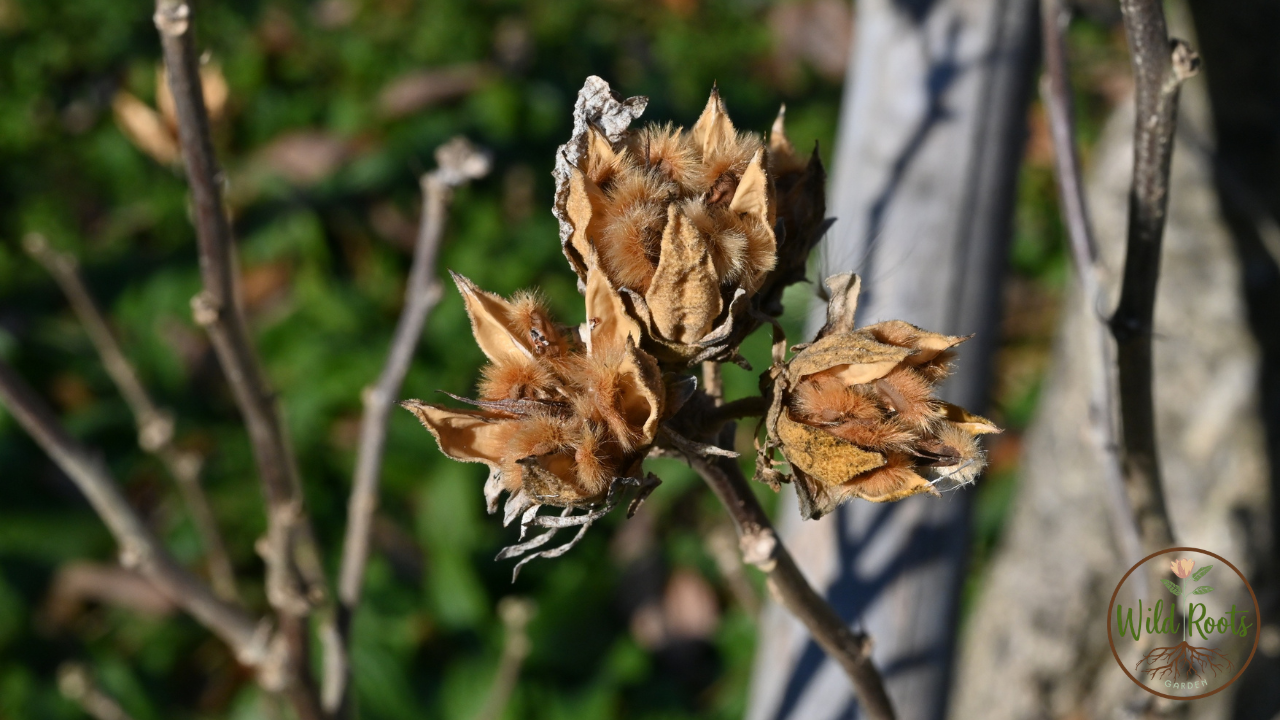
Why Grow Tropical Hibiscus From Seed Indoors
Growing tropical hibiscus from seed offers a rewarding experience. It allows you to grow many plants affordably. Plus, you can find unique varieties not easily available as starter plants.
Starting them inside means you can begin the process anytime, regardless of the weather outside. This gives your young plants a head start before warmer months arrive. It’s a great way to enjoy these tropical beauties even if you don’t live in a warm climate.
What You Will Need
Before you begin planting, gather all your supplies. Having everything ready makes the process smooth. You’ll want good quality seeds, of course.
Fresh seeds have the best chance of germinating. You’ll also need small pots or seed starting trays with drainage holes. A good seed starting mix is important.
This mix is lighter and drains well, which is perfect for tiny seedlings. You will also need a spray bottle for watering, and a clear plastic bag or dome to keep moisture in. A warm spot, like a heat mat or a sunny windowsill, will also help.
Getting Your Hibiscus Seeds Ready
Tropical hibiscus seeds often have a hard outer shell. This shell can make it tough for water to get in and start germination. So, a little preparation helps a lot.
Scarification
Scarification means gently scratching or nicking the seed coat. This allows water to penetrate more easily. You can do this by lightly rubbing the seeds with sandpaper.
Be very gentle; you just want to break the surface, not go too deep. Another method is to soak the seeds in warm water for about 24 hours. Some seeds will swell, showing they are ready.
Those that don’t swell might need a bit more gentle scratching.
Soaking the Seeds
After scarifying, soaking is a good next step. Place your prepared seeds in a cup of warm water. Let them soak for at least 12 to 24 hours.
You should see some seeds swell up. These are the ones most likely to germinate. If a seed sinks, it’s usually a good sign.
Seeds that float might not be viable. This soaking process softens the seed coat and speeds up germination.
Planting Your Tropical Hibiscus Seeds
Now that your seeds are prepped, it’s time to get them into the soil. This is where the magic of germination begins.
Choosing the Right Potting Mix
A well-draining potting mix is key for hibiscus seedlings. A good blend will contain peat moss or coco coir, perlite, and vermiculite. This mix provides aeration and prevents waterlogging, which can cause seeds to rot.
You can also buy special seed starting mixes. These are designed to be light and airy, perfect for delicate seedlings. Avoid using heavy garden soil, as it compacts too much and doesn’t drain well.
Planting Depth and Spacing
Fill your small pots or seed trays with the moistened potting mix. Make small holes about a quarter-inch deep. Place one or two seeds in each hole.
This gives each seed its own space to grow. If you plant more than one seed per pot, you can thin them out later to leave the strongest seedling. Cover the seeds gently with the potting mix.
Do not pack the soil down too hard.
Watering After Planting
Gently water the soil after planting. A spray bottle works best for this. It prevents disturbing the seeds.
The soil should be moist but not soaking wet. You want it to feel like a wrung-out sponge. This initial watering is crucial for the seeds to start their germination process.
Creating the Ideal Germination Environment
Tropical hibiscus seeds need warmth and humidity to sprout. Creating the right environment is the most important part of how to grow tropical hibiscus from seed indoors.
Warmth
Hibiscus seeds germinate best in warm soil. The ideal temperature is between 70 and 80 degrees Fahrenheit (21-27 degrees Celsius). A heat mat designed for seedlings is very helpful.
You can also place your pots on top of a refrigerator or in another consistently warm spot. Consistent warmth signals to the seed that it’s time to grow.
Humidity
High humidity is essential for germinating seeds. Cover your pots or trays with a clear plastic bag or a clear dome. This creates a mini-greenhouse effect.
It traps moisture and keeps the soil consistently damp. Make sure to check the soil moisture every few days. If it starts to dry out, gently mist it with your spray bottle.
Light
Seeds do not need light to germinate. They get all the energy they need from the stored food within the seed. However, once you see the first sprout emerge, it will need light immediately.
So, prepare a bright spot for them once they start to grow.
Caring for Your Seedlings
Once your hibiscus seeds sprout, you have tiny seedlings. These little plants are delicate and need gentle care.
When to Remove the Cover
As soon as you see the first signs of germination, start to introduce your seedlings to the outside air. Remove the plastic cover for a few hours each day. This helps them adjust to lower humidity.
Gradually increase the time the cover is off over several days. This process is called “hardening off” and prevents shock.
Providing Light
Seedlings need plenty of bright, indirect light. A south-facing window is ideal. If you don’t have enough natural light, use grow lights.
Place the lights a few inches above the seedlings. Keep them on for 14-16 hours a day. Insufficient light will result in leggy, weak plants.
Watering Seedlings
Continue to keep the soil moist but not waterlogged. Water when the top of the soil feels dry to the touch. It’s better to water thoroughly when needed rather than giving frequent small waterings.
Overwatering is one of the most common ways to lose young seedlings. Always ensure your pots have good drainage.
Air Circulation
Good air circulation helps prevent fungal diseases like “damping off.” A small fan set on low can be helpful. It gently blows air around the seedlings. This helps strengthen their stems and keeps the environment healthy.
Transplanting Your Seedlings
When your hibiscus seedlings have grown a bit larger and developed a few sets of true leaves, they are ready to be moved.
When to Transplant
You can transplant your seedlings into slightly larger pots when they are about 2-3 inches tall. They should have at least two to three sets of true leaves. True leaves are the leaves that look like a mature hibiscus leaf, unlike the initial seed leaves (cotyledons).
If they are crowded in their seed tray, transplanting them sooner is better.
Potting Up
Choose pots that are about 4-6 inches in diameter. Use a good quality potting mix. Gently remove the seedling from its current container, taking care not to damage the roots.
Place the seedling in the new pot at the same depth it was previously. Fill in around the roots with fresh potting mix. Water thoroughly after transplanting.
Hardening Off to Outdoor Conditions
If you plan to move your hibiscus plants outdoors eventually (in warmer climates or during summer), they need to be hardened off first. This means slowly exposing them to outdoor conditions. Start by placing them in a sheltered spot outside for a few hours each day.
Gradually increase the time they spend outdoors over a week or two. This process helps them adapt to direct sunlight, wind, and temperature changes.
Common Challenges and Solutions
Even with the best care, sometimes things don’t go perfectly. Here are common issues and how to fix them.
Seeds Not Germinating
If your seeds don’t sprout after a few weeks, don’t give up too soon. Some hibiscus seeds can take a month or longer to germinate. Check if the soil has stayed consistently warm and moist.
You might need to try scarifying or soaking them again if you suspect the seed coat is still too tough. Using fresh seeds from a reputable source also helps.
Damping Off
Damping off is a common problem where young seedlings rot at the soil line and collapse. It is caused by a fungus that thrives in wet, cool conditions. To prevent this, ensure good air circulation and avoid overwatering.
Use a sterile seed starting mix. If you see signs of damping off, remove affected seedlings immediately to prevent spread. Sterilize your pots and tools.
Leggy Seedlings
If your seedlings are tall and thin with widely spaced leaves, they are “leggy.” This usually means they are not getting enough light. Move them to a brighter spot or increase the duration of your grow lights. You can also try replanting them slightly deeper in their new pots.
This helps support the stem and encourages new root growth.
Repotting and Ongoing Care
As your tropical hibiscus grows, it will need more space and attention.
When to Repot
You will know it’s time to repot when roots start to grow out of the drainage holes. This usually happens every 6-12 months for young plants. Choose a pot that is only one or two sizes larger than the current one.
Too large a pot can lead to overwatering problems.
Fertilizing
Once your hibiscus has several sets of true leaves and is actively growing, it’s time to fertilize. Use a balanced liquid fertilizer diluted to half strength. Feed them every 2-4 weeks during the growing season.
Do not fertilize dormant plants. Over-fertilizing can burn the roots.
Pruning
Pruning helps your hibiscus grow fuller and produce more blooms. You can pinch back the tips of young plants to encourage branching. For older plants, prune in late winter or early spring before new growth starts.
Remove any dead, damaged, or crossing branches.
Frequently Asked Questions
Question: How long does it take for hibiscus seeds to sprout?
Answer: Hibiscus seeds can take anywhere from one week to six weeks, or sometimes even longer, to sprout. Patience is key, and consistent warmth and moisture are important.
Question: Can I grow tropical hibiscus from seed in a cold climate?
Answer: Yes, you can grow tropical hibiscus from seed indoors in any climate. You will need to provide a warm environment for germination and keep them indoors, especially during colder months.
Question: What is the best soil for hibiscus seeds?
Answer: A well-draining seed starting mix is best. It should be light and airy, often containing peat moss or coco coir, perlite, and vermiculite.
Question: Why are my hibiscus seedlings turning yellow?
Answer: Yellowing leaves can indicate overwatering, underwatering, or a lack of nutrients. Check the soil moisture. If it’s consistently wet, reduce watering.
If it’s dry, water more often. Also, consider when you last fertilized them.
Question: Should I fertilize hibiscus seedlings right away?
Answer: No, it’s best to wait until your seedlings have developed several sets of true leaves and are actively growing before you start fertilizing. Over-fertilizing young seedlings can damage their delicate roots.
Final Thoughts
Growing tropical hibiscus from seed indoors is a rewarding experience that anyone can do. You have learned the importance of preparing your seeds, providing the right germination environment with warmth and humidity, and caring for delicate seedlings. With simple steps like scarification, proper watering, and adequate light, you can successfully grow these beautiful flowers from tiny seeds to blooming plants.
Enjoy the process and the vibrant colors they will bring to your home.