If you’ve ever dreamed of biting into a juicy, sweet strawberry fresh from your own garden, Florida’s unique climate can make that dream a reality—but only if you choose the right varieties. Growing strawberries here isn’t as simple as picking any plant off the shelf.
You need strawberries that thrive in Florida’s warm weather and produce delicious fruit through the cooler months. You’ll discover the best strawberry varieties tailored for Florida’s climate, along with expert tips to help you grow a bountiful harvest. Ready to transform your garden and enjoy fresh strawberries straight from your backyard?
Keep reading to find out which plants will give you the sweetest success.
Strawberry Varieties For Florida
Choosing the right strawberry variety is crucial for a successful Florida garden. The state’s climate varies from north to south, affecting which types thrive best. Selecting varieties adapted to local conditions ensures better growth and flavorful fruit. This section highlights the best strawberry choices for different Florida regions.
Top Picks For North Florida
North Florida has cooler winters and mild springs. Varieties like ‘Chandler’ and ‘Camarosa’ do well here. They produce large, sweet berries and resist common diseases. These plants start fruiting in late winter and continue into spring. They handle the occasional frost better than other types.
Best Choices For Central Florida
Central Florida has warm winters and hot summers. ‘Sweet Sensation®’ and ‘Festival’ perform well in this region. These varieties tolerate heat and produce sweet, juicy strawberries. They begin fruiting early in the season and keep yielding until late spring. Their disease resistance suits Central Florida’s climate.
Varieties For South Florida Gardens
South Florida’s tropical climate challenges strawberry growers. ‘Florida Radiance’ is a top choice for this area. It thrives in warm, humid conditions and fruits from December to April. This variety produces firm berries with excellent flavor. It also resists common tropical pests and diseases.
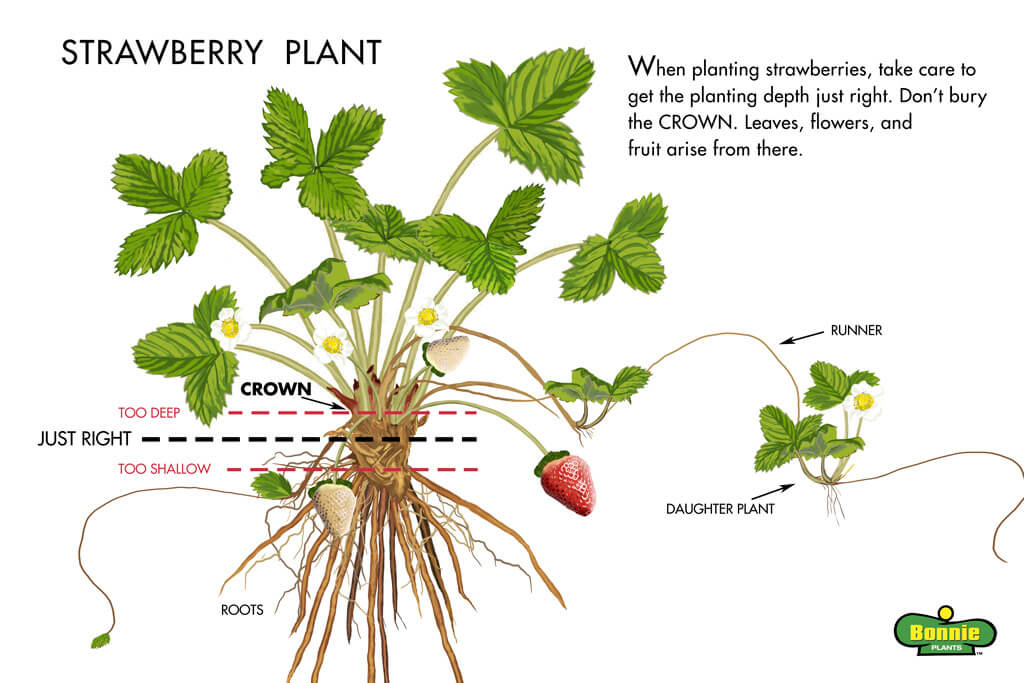
Credit: bonnieplants.com
Planting Schedule
Understanding the planting schedule is key to growing strawberries successfully in Florida. Timing your planting right helps plants develop strong roots before the cooler months arrive. This leads to better fruit production and healthier plants throughout the season.
Florida’s warm climate affects when to plant strawberries. Choosing the right time ensures your plants avoid the summer heat, which can stress them and reduce yields. Careful scheduling means you can enjoy fresh strawberries from late winter to early spring.
Optimal Planting Times By Region
North Florida has cooler winters and can plant strawberries from late September to early October. Central Florida’s best planting time is mid to late October. South Florida, with its mild winters, should plant in November. These windows help plants avoid hot weather and grow strong roots before fruiting season.
Why Fall Planting Works Best
Planting strawberries in the fall gives roots time to settle before winter. Cooler temperatures reduce stress and disease risks. Plants grow steadily during fall and winter. This steady growth leads to bigger, sweeter berries in spring. Fall planting also avoids Florida’s hot, humid summer that harms strawberry plants.
Managing Seasonal Growth
Strawberries in Florida act like annuals because summer heat stops fruit production. After harvest, remove old leaves to keep plants healthy. Mulching helps keep soil moist and cool. Water plants regularly during dry spells but avoid overwatering. Managing growth this way supports strong plants ready for next season.
Heat-tolerant Strawberries
Strawberries love sunshine but struggle under Florida’s intense heat. Heat-tolerant strawberry varieties offer a solution. These plants can handle warm temperatures and still produce sweet, juicy berries. Growing heat-tolerant strawberries extends your harvest season and boosts success in Florida’s hot climate.
Varieties That Thrive In Heat
Camarosa is a top choice for Florida gardens. It produces large, firm berries with excellent flavor. Sweet Sensation® is another variety that handles heat well. It yields sweet, bright red fruit that resists disease. Festival strawberries also perform strongly in warm weather. These varieties grow well from fall to spring, avoiding the hottest months.
Tips For Growing In Hot Climates
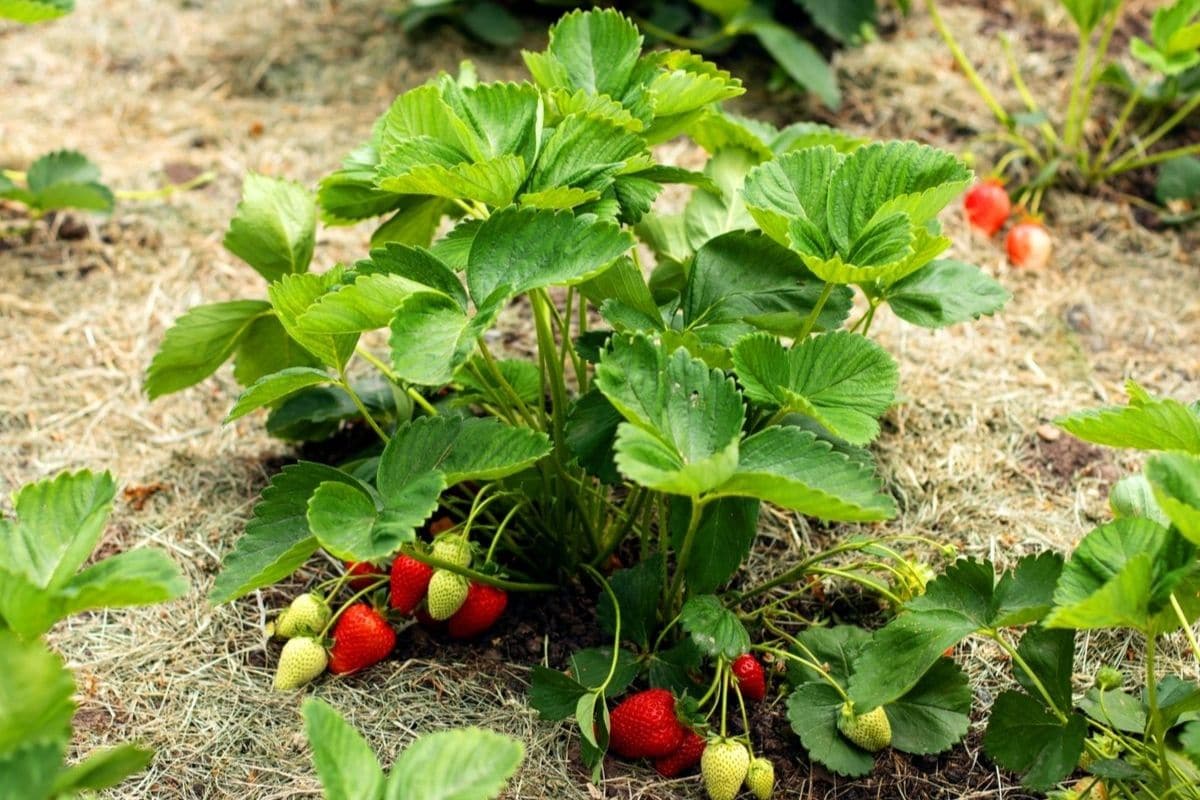
Plant strawberries in well-drained soil rich in organic matter. Mulch around plants to keep roots cool and retain moisture. Water regularly, especially during dry spells, but avoid waterlogging. Provide partial shade during peak afternoon sun to reduce heat stress. Fertilize lightly to encourage steady growth without burning the plants. Remove runners to focus energy on fruit production.
Credit: strawberryplants.org
Growing Tips
Growing strawberries in Florida requires specific care to ensure healthy plants and a good harvest. The warm climate and unique soil conditions call for careful attention to how you prepare the soil, water and feed the plants, and manage pests and diseases. Follow these growing tips to help your strawberry plants thrive in Florida’s environment.
Soil Preparation And Bed Setup
Choose well-drained soil rich in organic matter. Sandy loam works best for strawberries. Prepare raised beds to improve drainage and avoid waterlogging. Mix compost or aged manure into the soil to add nutrients. Test soil pH and adjust it to 5.5 to 6.5 for optimal growth. Space plants about 12 to 18 inches apart to allow air circulation. This spacing helps reduce disease risk and supports healthy growth.
Watering And Fertilizing
Strawberries need consistent moisture but dislike soggy soil. Water plants deeply once or twice a week, depending on rainfall. Use drip irrigation to keep leaves dry and prevent disease. Fertilize plants with a balanced fertilizer at planting and again after fruiting starts. Avoid too much nitrogen, which can cause excessive leaf growth and fewer berries. Mulching helps retain soil moisture and control weeds.
Pest And Disease Management
Monitor plants regularly for pests like aphids, spider mites, and slugs. Use insecticidal soaps or natural predators to control infestations. Remove damaged or diseased leaves immediately to prevent spread. Practice crop rotation and avoid planting strawberries where other berries grew before. Keep the garden clean and remove plant debris to reduce disease risk. Choose resistant varieties to help reduce common diseases like powdery mildew and leaf spot.
Harvesting And Uses
Harvesting strawberries at the right time is key to enjoying their full flavor. Proper picking also helps plants stay healthy and produce more fruit. Strawberries grown in Florida offer many uses, from eating fresh to preserving for later. Understanding how and when to harvest ensures the best taste and longest shelf life.
When To Harvest For Peak Sweetness
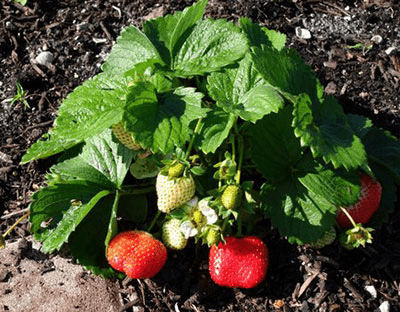
Pick strawberries when they are fully red and ripe. The fruit does not continue to ripen after picking. Check berries every two to three days during the harvest season. Morning is the best time to pick, as berries are firm and cool. Use scissors or gently twist the berry to avoid damage. Avoid harvesting if berries are still white or green. Fully ripe strawberries have the sweetest flavor and richest color. Proper timing increases the sugar content and juiciness of the fruit.
Fresh Eating And Freezing Options
Fresh strawberries taste best soon after picking. Rinse berries gently under cold water before eating. Do not soak them as they absorb water and become mushy. Store fresh strawberries in the refrigerator for up to five days. For longer storage, freeze the berries. Wash and dry strawberries thoroughly before freezing. Spread them on a baking sheet to freeze individually. Once frozen, transfer berries to airtight containers or freezer bags. Frozen strawberries are perfect for smoothies, desserts, and sauces. This method keeps strawberries fresh for several months while preserving flavor.
Credit: gardeningsolutions.ifas.ufl.edu
Frequently Asked Questions
What Are The Best Strawberries To Grow In Florida?
The best strawberries for Florida are ‘Camarosa,’ ‘Sweet Sensation®,’ and ‘Festival. ‘ These varieties thrive in Florida’s climate and produce sweet, juicy berries ideal for fresh eating or freezing. Plant in fall for a harvest from late December to May.
When Should I Plant Strawberries In Florida?
Plant strawberries in Florida from October to December. Cooler fall temperatures help roots establish before winter fruiting. Choose heat-tolerant varieties like ‘Camarosa’ or ‘Sweet Sensation®’ for best results.
What Are The Most Heat Tolerant Strawberries?
The most heat-tolerant strawberries include Sweet Charlie, Camarosa, Camino Real, and Chandler. These varieties thrive in hot climates.
How To Grow Strawberries At Home In Florida?
Plant heat-tolerant varieties like Camarosa, Sweet Sensation®, or Festival in Florida’s fall. Use well-drained soil and full sun. Water regularly and mulch to retain moisture. Harvest berries from late December to May for best results.
Conclusion
Choosing the right strawberry variety makes all the difference in Florida gardens. Camarosa, Sweet Sensation®, and Festival thrive well in the warm climate. Plant strawberries in fall for strong roots and a fruitful winter season. These varieties offer fresh, delicious berries for eating or freezing.
Growing strawberries in Florida can be simple and rewarding with proper care. Enjoy sweet, homegrown strawberries throughout the cooler months easily. Start your garden with these proven varieties and watch your harvest grow.