If you’re dreaming of a bright and cheerful garden that thrives under Florida’s sunny skies, sunflowers are the perfect choice for you. But did you know that not all sunflowers grow equally well in Florida’s unique climate?
Choosing the best sunflowers to grow in Florida can make all the difference between a garden full of vibrant blooms and one that struggles to survive. Whether you want tall sunflowers to create a stunning backdrop or smaller varieties to add charm to your flower beds, this guide will help you pick the right types and grow them successfully.
Keep reading to discover which sunflowers will brighten your Florida garden and how to plant them for amazing results!
Credit: nwdistrict.ifas.ufl.edu
Sunflower Growing Seasons In Florida
Sunflowers thrive in Florida’s warm climate and long growing season. Understanding the best planting times helps gardeners grow healthy, vibrant sunflowers. Florida allows multiple planting windows due to its mild winters and hot summers. Choosing the right season maximizes bloom size and color.
Spring Planting Window
Plant sunflower seeds from late winter to early spring. In South Florida, this period starts as early as late January. The soil warms up enough to encourage fast germination. Spring planting leads to bright blooms in late spring or early summer. Water regularly to keep soil moist during seedling growth.
Fall Planting Window
Plant sunflowers in mid-to-late summer for a fall bloom. In South Florida, late September is ideal. This timing avoids Florida’s hottest weather and benefits from cooler nights. Fall blooms add color to gardens during autumn months. Protect young plants from strong winds by staking tall varieties.
Regional Planting Differences
North Florida has cooler winters than South Florida. Planting starts later in the north, usually in March. Central Florida offers a longer growing season, ideal for both spring and fall planting. South Florida’s warm climate allows nearly year-round planting except December and January. Adjust planting time based on local frost dates and soil temperature.
Ideal Growing Conditions
Sunflowers thrive best under the right growing conditions in Florida. Understanding these conditions helps your sunflowers grow tall and bloom bright. Florida’s warm climate suits sunflowers well, but soil and care also matter. Below are key factors to consider for ideal growth.
Soil Preparation
Sunflowers prefer rich, well-drained soil. Before planting, loosen the soil to a depth of 12 inches. Add organic compost or aged manure to improve fertility. Avoid heavy clay soils, which hold too much water. Good soil drainage prevents root rot and supports healthy growth.
Sunlight And Climate
Sunflowers need full sun to grow strong. They require at least 6 to 8 hours of direct sunlight daily. Florida’s sunny weather offers ideal conditions. Warm temperatures between 70°F and 85°F encourage flowering. Avoid planting during the coldest months to protect seedlings.
Watering Needs
Sunflowers need regular watering, especially during dry spells. Keep the soil moist but not soggy. Water deeply once or twice a week to encourage deep root growth. Avoid overwatering, which can cause stem rot. Mulching helps retain soil moisture and control weeds.
Support For Tall Varieties
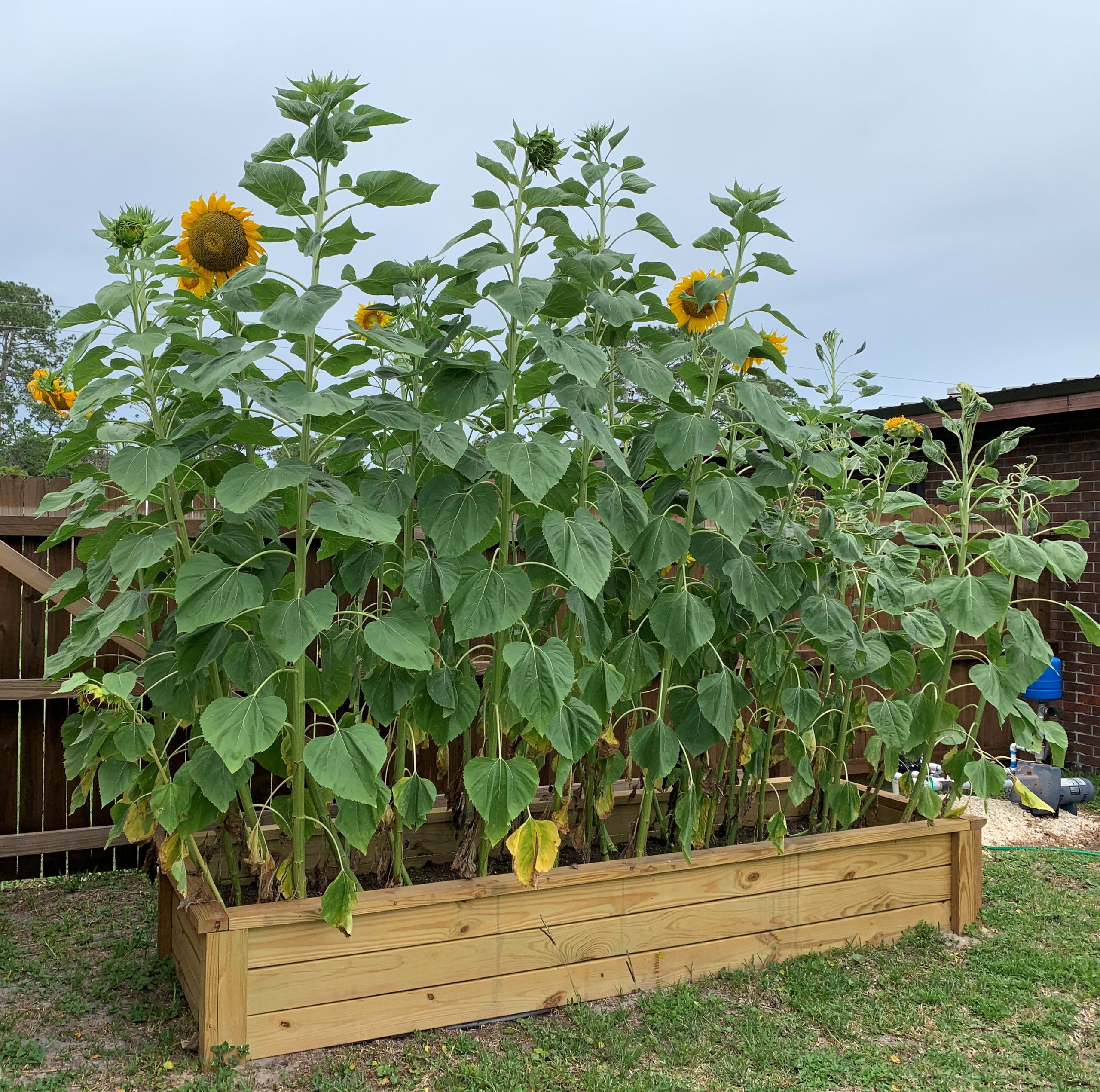
Tall sunflowers may need extra support to prevent falling. Use stakes or garden twine to hold stems upright. Place supports early to avoid damaging roots later. Secure stems gently to avoid breaking. Strong winds are common in Florida, so support is essential for stability.
Top Sunflower Varieties For Florida
Sunflowers brighten any Florida garden with their cheerful blooms. Choosing the right variety ensures success in Florida’s warm climate. Some sunflowers handle heat and humidity better than others. These top sunflower varieties thrive well across Florida’s diverse regions. Each type offers unique colors, sizes, and growth habits to fit your garden’s needs.
Swamp Sunflower
Swamp Sunflower loves wet soils and full sun. It grows well in Florida’s moist areas. This variety reaches about 3 feet tall. Bright yellow petals surround a dark brown center. It attracts butterflies and birds. Swamp Sunflower blooms from summer to fall. It adds a wild, natural look to gardens.
Valentine Sunflower
Valentine Sunflower stands out with deep red petals. It grows 5 to 6 feet tall. This variety prefers well-drained soil and full sunlight. It blooms late summer to early fall. Valentine Sunflower adds bold color to any garden space. It’s perfect for cut flower arrangements.
Mammoth Sunflower
Mammoth Sunflower is famous for its giant size. It can grow up to 12 feet tall. The large yellow flower heads can reach 12 inches wide. This variety loves Florida’s warm, sunny weather. Mammoth Sunflower needs staking to support its height. It produces edible seeds enjoyed by birds and people.
Autumn Beauty
Autumn Beauty offers warm tones of red, orange, and yellow. It grows about 5 feet tall. This variety blooms from mid-summer to fall. It thrives in Florida’s sunny gardens. Autumn Beauty attracts pollinators and brightens landscapes. It is a favorite for garden color variety.
Teddy Bear Sunflower
Teddy Bear Sunflower is a fluffy, dwarf variety. It grows 2 to 3 feet tall. Its soft, double petals form a round, full flower. This sunflower prefers well-drained soil and plenty of sun. Teddy Bear blooms late summer through fall. It is great for small gardens and containers.
Native Sunflowers Of Florida
Florida is home to several native sunflower species that thrive in its warm climate. These sunflowers adapt well to local soil and weather conditions. Native sunflowers add natural beauty and support local wildlife. Growing native varieties helps maintain ecological balance and biodiversity. They usually require less care and resist pests better than non-native types.
Characteristics Of Swamp Sunflower
The Swamp Sunflower (Helianthus angustifolius) grows tall, reaching up to 6 feet. It has narrow, bright green leaves and large yellow flowers. This sunflower prefers wet or swampy areas and can handle Florida’s humid climate. Its blooms appear in late summer to fall, attracting bees and butterflies. The Swamp Sunflower’s strong stems help it survive wind and rain common in Florida.
Benefits Of Growing Native Varieties
Native sunflowers require less water and fertilizer compared to exotic types. They support native pollinators like bees, butterflies, and birds. Growing them helps preserve Florida’s natural habitats and plant diversity. These sunflowers are more resistant to local pests and diseases. Using native plants reduces garden maintenance and promotes a healthier ecosystem.
Planting And Care Tips
Growing sunflowers in Florida can be rewarding with the right planting and care. Sunflowers need warmth, sunlight, and proper soil to thrive. Following simple steps helps your sunflowers grow strong and healthy. Learn how to select seeds, fertilize well, and manage pests effectively. These tips suit Florida’s climate and soil conditions perfectly.
Seed Selection And Sowing
Choose sunflower seeds suited for Florida’s heat and humidity. Varieties like ‘Mammoth’ and ‘Sunbeam’ do well here. Plant seeds in late winter or early spring for spring blooms. For fall blooms, sow seeds in mid-to-late summer. Use well-drained soil rich in organic matter. Plant seeds 1 to 2 inches deep and 6 to 12 inches apart. Water gently after sowing to keep the soil moist. Sunflowers need full sun, so pick a sunny spot in your garden.
Fertilization Practices
Sunflowers grow best with balanced nutrition. Use a slow-release fertilizer with equal parts nitrogen, phosphorus, and potassium. Apply fertilizer before planting by mixing it into the soil. Feed plants again when they reach 12 inches tall. Avoid over-fertilizing, which causes weak stems. Add organic compost to improve soil health. Water regularly but avoid waterlogging. Healthy soil and proper feeding produce large, vibrant blooms.
Pest And Disease Management
Sunflowers face pests like aphids, caterpillars, and beetles in Florida. Inspect plants regularly for signs of damage. Remove pests by hand or use insecticidal soap if needed. Prevent fungal diseases by spacing plants to allow air circulation. Water plants at the base to keep leaves dry. Remove diseased leaves promptly to stop spread. Use mulch to reduce weeds and retain soil moisture. Healthy plants resist pests and diseases better.
Harvesting And Uses
Harvesting sunflowers in Florida brings many benefits. These bright blooms offer seeds, cut flowers, and attract helpful wildlife. Knowing the right time and ways to harvest helps you enjoy your sunflowers fully. Each use has its own timing and method to get the best results. Let’s explore how to harvest sunflower seeds, use cut flowers, and invite wildlife into your garden.
When To Harvest Seeds
Sunflower seeds are ready when the back of the flower turns brown. The petals will have dried and dropped off. Check the seeds—they should look plump and black or striped.
Cut the flower head with about 12 inches of stem. Hang it upside down in a dry, well-ventilated place. After a few weeks, the seeds will fall out easily when rubbed.
Store seeds in a cool, dry spot. Use them for snacks, bird food, or planting next season.
Cut Flowers And Garden Display
Cut sunflowers early in the morning for longer vase life. Choose blooms that are fully open but not wilting. Use sharp scissors or garden shears to cut stems at an angle.
Place cut flowers in water right away. Change the water every two days to keep them fresh. Sunflowers add a bright, cheerful touch to any room or event.
For garden display, plant sunflowers in groups for a bold look. Tall varieties make excellent backdrops for shorter plants.
Attracting Wildlife
Sunflowers attract bees, butterflies, and birds. Bees help pollinate your garden, boosting fruit and vegetable growth. Butterflies add beauty and life to your space.
Birds love sunflower seeds. Leaving some flower heads in the garden provides natural food. This helps local wildlife and keeps your garden healthy.
Plant sunflowers near vegetable beds to support beneficial insects. These natural helpers reduce pests and improve plant health.
Common Challenges In Florida Gardens
Gardening in Florida offers unique rewards and challenges. The state’s warm climate and long growing season suit many plants, including sunflowers. Yet, Florida gardens face specific issues that can affect sunflower growth. Understanding these challenges helps gardeners choose the best sunflower varieties and care methods.
Common garden problems include high humidity, strong winds, and soil drainage difficulties. Each factor can stress plants and reduce bloom quality. Knowing how to manage these conditions can improve sunflower health and beauty.
Dealing With Humidity
Florida’s humidity is often high, creating a moist environment. This moisture can promote fungal diseases on sunflower leaves and stems. Watch for powdery mildew and rust, common fungal problems. Use fungicide sprays and remove infected leaves promptly. Plant sunflowers with good air circulation to reduce moisture buildup. Water plants early in the day to allow leaves to dry quickly. Choose sunflower varieties resistant to humidity-related diseases for better success.
Wind And Storm Protection
Strong winds and storms frequently hit Florida gardens. Tall sunflowers are vulnerable to damage from gusts and heavy rain. Provide support by staking tall plants firmly into the ground. Position sunflowers near windbreaks like fences or shrubs to reduce wind impact. After storms, check plants for broken stems and remove damaged parts. Consider planting shorter sunflower varieties in open areas to avoid wind problems. Regular care helps sunflowers survive harsh weather.
Soil Drainage Issues
Florida soils can range from sandy to clay-heavy, affecting water drainage. Poor drainage causes water to pool around roots, leading to rot. Improve soil by adding organic matter like compost to increase drainage and nutrient content. Plant sunflowers in raised beds or mounds to keep roots dry. Avoid overwatering, especially during rainy seasons. Well-drained soil supports strong roots and healthy sunflowers. Test soil regularly to maintain the right balance of moisture and nutrients.

Credit: www.reddit.com
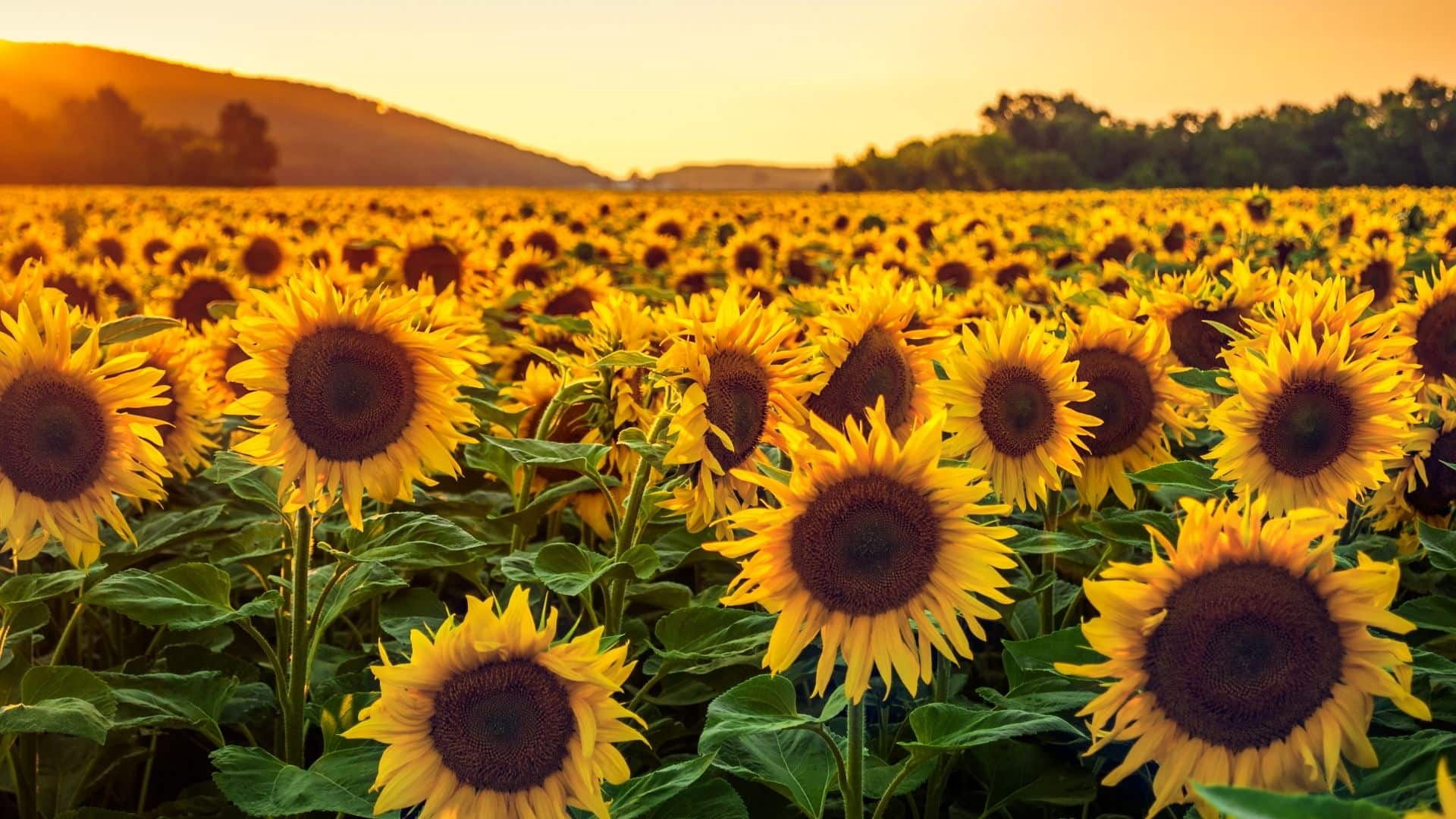
Credit: neroliblume.com
Frequently Asked Questions
When Should You Plant Sunflowers In Florida?
Plant sunflowers in Florida from late winter to early fall. For spring blooms, sow seeds in late winter or early spring. For fall blooms, plant seeds in mid-to-late summer, ideally September. South Florida allows planting from late January through late September for multiple harvests.
Do Sunflowers Grow Well In Fl?
Sunflowers grow well in Florida’s warm climate with rich, well-drained soil. Plant seeds from late winter to early fall for best blooms. Provide support for tall varieties and ensure full sun exposure. Coastal humidity and bright skies promote healthy growth and vibrant flowers.
What Sunflowers Are Native To Florida?
Florida’s native sunflowers include Swamp Sunflower (Helianthus angustifolius) and Beach Sunflower (Helianthus debilis).
What Month Do You Plant Sunflower Seeds In Florida?
Plant sunflower seeds in Florida from late winter through early fall. For spring blooms, sow seeds in late January to March. For fall blooms, plant seeds from August to September, especially in South Florida. Choose rich, well-drained soil and provide support for tall varieties.
Conclusion
Sunflowers bring bright beauty to Florida gardens all year. Choose varieties that suit Florida’s warm climate and soil. Plant seeds in late winter for spring blooms or midsummer for fall flowers. Rich, well-drained soil helps sunflowers grow strong and tall.
Staking tall types protects them from wind damage. Enjoy the cheerful colors that sunflowers add to your outdoor space. With simple care, sunflowers thrive in Florida’s sunshine and humidity. Start your sunflower garden today and watch it flourish beautifully.