If you live in North Florida and want to start growing your own vegetables, you might wonder which ones will thrive in your unique climate. Choosing the right vegetables can save you time, effort, and frustration while filling your kitchen with fresh, homegrown produce.
Imagine harvesting crisp lettuce, sweet peppers, or vibrant kale right from your backyard. In this guide, you’ll discover the best vegetables to grow in North Florida—easy to grow, high-yield, and perfectly suited to your area’s weather. Keep reading to unlock the secrets to a successful and rewarding vegetable garden that will make your neighbors envious and your meals healthier.

Credit: www.revivalgardening.com
Climate And Soil In North Florida
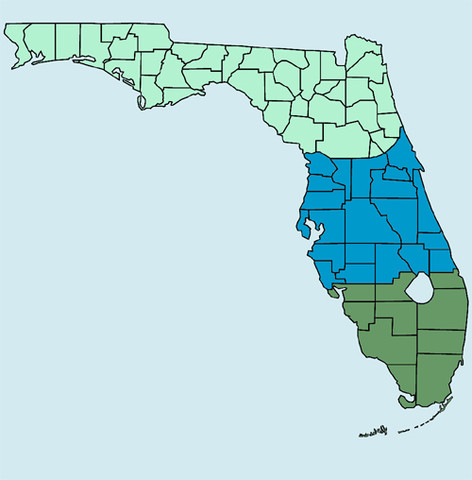
North Florida offers a unique environment for vegetable gardening. Its climate and soil create ideal conditions for many crops. Understanding these factors helps gardeners choose the best vegetables to grow. Let’s explore the climate benefits and soil types in this region.
Subtropical Climate Benefits
North Florida has a warm subtropical climate. Winters are mild, rarely dropping below freezing. Summers are hot and humid, perfect for heat-loving plants. This climate extends the growing season. Gardeners can plant early in spring and late into fall. Many vegetables thrive here, including tomatoes, peppers, and squash. The long growing season allows multiple harvests each year. Rainfall is moderate, supporting healthy plant growth. The climate reduces risks of frost damage. It also encourages fast germination and growth of seeds. This climate suits both warm and cool season vegetables. Gardeners enjoy flexibility in planting times and crop choices.
Soil Types And Preparation
North Florida soils vary from sandy to loamy. Sandy soils drain quickly but need organic matter added. Loamy soils retain moisture and nutrients well. Testing soil pH is important; most vegetables prefer slightly acidic soil. Adding compost improves soil structure and fertility. Raised beds can help in areas with poor drainage. Mulching preserves moisture and controls weeds. Proper soil preparation boosts vegetable growth and yield. Good soil supports strong roots and healthy plants. Regular soil care keeps gardens productive year after year.
Credit: www.marysheirloomseeds.com
Top Vegetables For North Florida Gardens
North Florida offers a unique climate that supports a diverse range of vegetables. Choosing the right types helps gardeners enjoy fresh produce year-round. Knowing which vegetables thrive in different seasons is key to a successful garden.
Cool-season Favorites
Cool-season vegetables grow best in North Florida’s mild winters. Broccoli, cabbage, and kale do well in temperatures between 45°F and 75°F. Leafy greens like spinach and lettuce also flourish during cooler months. Root vegetables such as carrots and beets prefer the cooler soil to develop their flavors. Plant these vegetables from late fall to early spring for best results.
Warm-season Picks
Warm-season vegetables thrive as temperatures rise in spring and summer. Tomatoes, peppers, and eggplants grow well in North Florida’s warm weather. Beans and cucumbers also perform strongly in this period. These vegetables need full sun and well-drained soil to produce abundant yields. Start planting after the last frost date for healthy growth.
Heat-tolerant Varieties
North Florida summers can get hot and humid. Heat-tolerant vegetables handle these conditions without stress. Sweet potatoes, okra, and southern peas are excellent choices. Also, consider varieties of squash and melons that resist heat. These crops keep your garden productive during the hottest months.
Vegetables To Avoid In North Florida
Not all vegetables thrive in North Florida’s warm and humid climate. Some struggle due to heat, soil, or seasonal challenges. Knowing which vegetables to avoid saves time and effort. Focus on plants better suited for this region for a successful garden.
Heat-sensitive Crops
Many common vegetables cannot tolerate North Florida’s summer heat. Lettuce, spinach, and peas often bolt quickly in high temperatures. These crops prefer cooler weather and short growing seasons. Growing them in North Florida can lead to bitter flavors and poor yields. Plant these only in the coolest months or choose heat-tolerant alternatives.
Challenges With Root Vegetables
Root vegetables like carrots, potatoes, and beets face problems in North Florida’s soil. The sandy, sometimes compacted soil makes root development difficult. They may grow misshapen or stay small. High summer heat also affects their growth cycles. These vegetables require cooler, firmer soil to develop properly. Consider planting them only in the winter or try other crops better suited for the area.
Planting And Growing Tips
Growing vegetables in North Florida requires smart planting and care. The region’s warm climate and seasonal changes influence how and when to plant. Following practical tips helps vegetables thrive, producing healthy crops and steady harvests. This section covers key strategies for planting and growing vegetables in North Florida gardens.
Succession Planting Strategies
Succession planting keeps your garden productive all season long. Plant new seeds or transplants every few weeks. This method works well with crops like lettuce, beans, and corn. Harvest mature vegetables, then replace them with fresh seeds. It reduces gaps in your garden’s yield. Plan your garden layout to allow easy replanting. Rotate crops to avoid soil nutrient depletion and pests.
Seed Starting And Transplants
Start seeds indoors or in seed trays before planting outside. This gives young plants a strong start. Use seedling mix and keep soil moist. Transplant seedlings after they grow two or more true leaves. Harden off plants by exposing them to outdoor conditions gradually. Plant transplants in well-prepared soil with good drainage. Choose vegetable varieties suited to North Florida’s climate and growing season.
Watering And Fertilizing
Water plants deeply and regularly, especially during dry spells. Early morning watering reduces water loss and disease risk. Avoid overwatering to prevent root rot. Use mulch to keep soil moist and cool. Fertilize with balanced, slow-release fertilizers or organic compost. Feed plants according to their growth stage and type. Healthy soil and proper feeding boost vegetable growth and flavor.
Year-round Gardening Options
North Florida’s mild climate lets gardeners grow vegetables throughout the year. This region offers a unique chance to enjoy fresh produce in every season. Careful selection of plants and timing helps maintain a vibrant garden all year long.
Choosing the right vegetables can reduce effort and increase harvests. Some vegetables return each year without replanting. Others thrive when planted at specific months. Understanding these options helps gardeners plan wisely.
Perennial Vegetables
Perennial vegetables grow back every year after planting once. They save time and provide steady yields. In North Florida, popular perennials include chaya, moringa, and katuk. These plants tolerate heat and occasional cold well. They offer leafy greens rich in nutrients. Cassava and achira also grow well here. Their roots provide starchy food and require little care. Perennial vegetables are great for gardeners wanting low maintenance crops. They create a lasting garden foundation that supports seasonal plants.
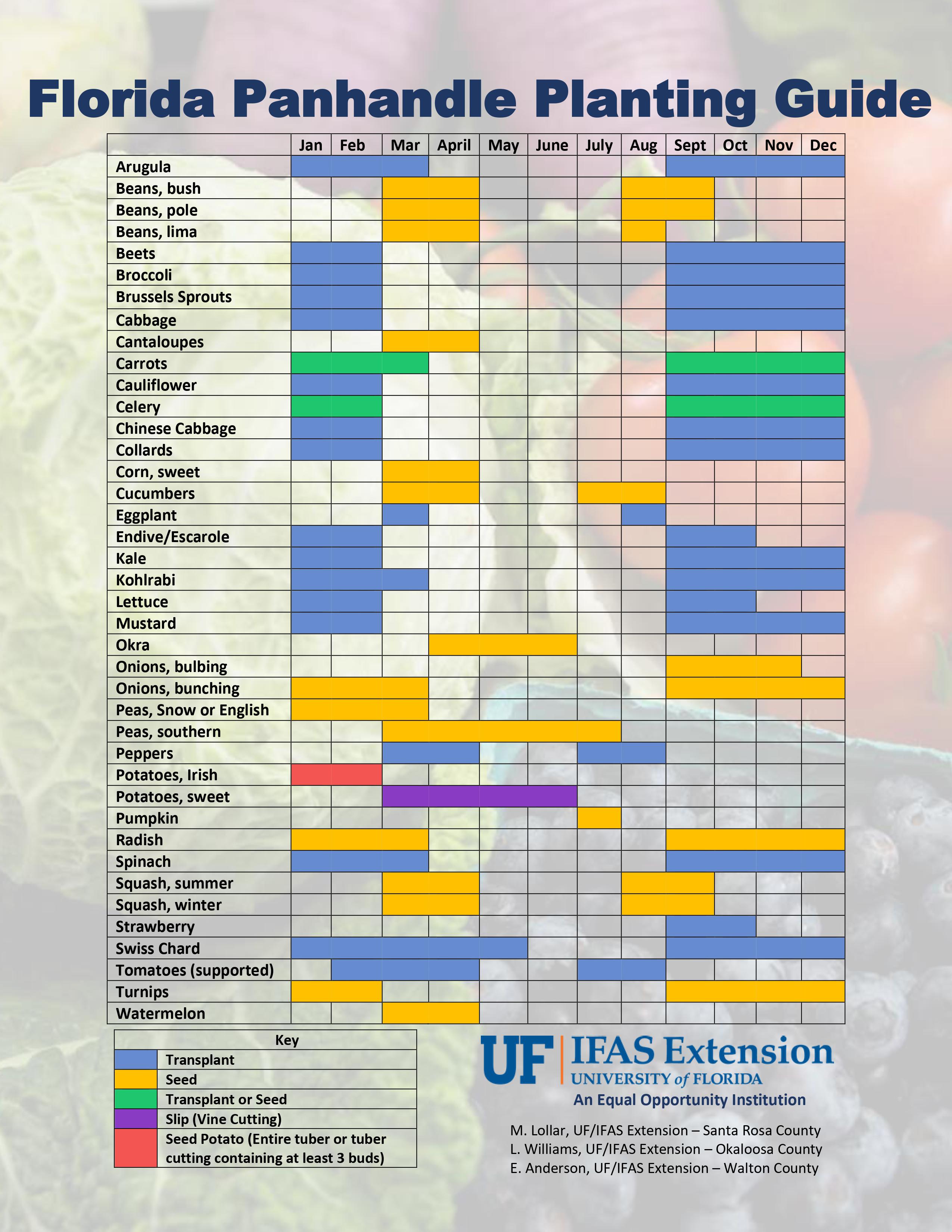
Monthly Planting Guide
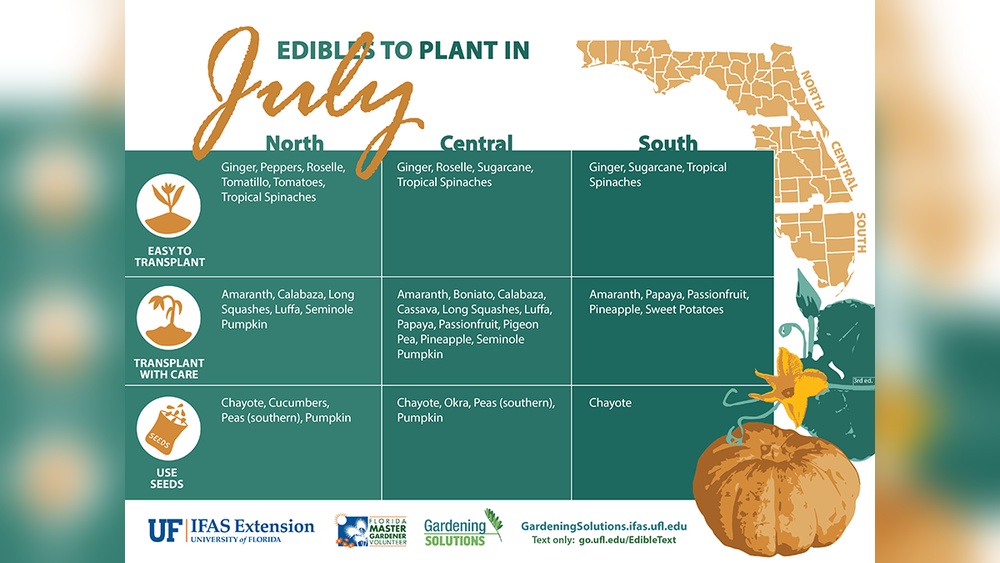
Planting vegetables at the right month improves growth and harvest quality. North Florida gardeners can follow a simple monthly guide. In winter months, plant kale, broccoli, and cabbage for cool-season crops. Spring brings warm-weather plants like tomatoes, peppers, and beans. Summer suits heat-tolerant vegetables such as sweet potatoes and okra. Fall is ideal for root vegetables and leafy greens. Rotate crops each month to keep soil healthy. This cycle helps avoid pests and diseases. Monthly planting keeps your garden productive and fresh all year.
Pest And Disease Management
Managing pests and diseases is key to successful vegetable gardening in North Florida. The warm, humid climate invites many insects and fungal problems. Vigilance and prompt action protect your crops and improve yields.
Regularly inspect plants for early signs of damage or disease. Healthy soil and proper watering also reduce stress on vegetables, making them less vulnerable. Choosing pest-resistant varieties helps too.
Common Pests In North Florida
North Florida gardens face pests like aphids, whiteflies, and spider mites. Caterpillars, such as cabbage loopers and armyworms, also cause harm. Squash bugs and stink bugs attack cucumbers and squash. Cutworms can damage young seedlings overnight. These pests feed on leaves, stems, and fruit, reducing plant health and harvest.
Organic Control Methods
Use neem oil or insecticidal soap to control soft-bodied pests. Handpick caterpillars and squash bugs early in the day. Encourage beneficial insects like ladybugs and lacewings to eat harmful pests. Crop rotation limits pest buildup in soil. Mulching helps keep weeds down and reduces pest hiding places. Plant marigolds nearby to repel some insects naturally.
Maximizing Yield And Garden Space
Maximizing yield and garden space is key for successful vegetable gardening in North Florida. Small yards and limited space challenge gardeners to grow more in less area. Smart planning and efficient use of space boost harvests without overcrowding plants.
Choosing the right planting methods improves soil health and plant growth. It also reduces pests and diseases naturally. Gardeners can enjoy fresh vegetables all season with proper techniques.
Companion Planting
Companion planting pairs vegetables that help each other grow. Some plants repel pests that harm their neighbors. Others improve soil nutrients or provide shade.
In North Florida, planting tomatoes with basil reduces bugs and improves flavor. Beans fix nitrogen in the soil, benefiting nearby leafy greens. Corn and beans grow well together because beans climb the corn stalks.
This method saves space and increases plant health. It creates a balanced garden ecosystem with less need for chemicals.
Raised Beds And Containers
Raised beds and containers work well in North Florida’s sandy soil. They improve drainage and control soil quality. Raised beds warm faster in spring, helping plants grow earlier.
Containers allow gardeners to grow vegetables on patios or balconies. They are easy to move and manage. Use good potting mix and water often to keep plants healthy.
Both methods save space by concentrating plants in small areas. You can grow more vegetables in less room and manage weeds better.
Credit: nwdistrict.ifas.ufl.edu
Frequently Asked Questions
What’s The Easiest Vegetable To Grow In Florida?
Kale, lettuce, and cucumbers grow easily in Florida’s warm climate. They require minimal care and thrive year-round.
What Zone Is North Florida For Gardening?
North Florida falls mainly within USDA Hardiness Zones 8a to 9a. This zone supports diverse gardening year-round.
What Vegetables Don’t Grow Well In Florida?
Carrots, potatoes, beets, and turnips struggle in Florida’s heat. These root vegetables prefer cooler climates and do better as winter crops.
What Grows Well In Florida Heat?
Tomatoes, peppers, sweet potatoes, okra, eggplant, and heat-tolerant herbs grow well in Florida’s hot climate.
Conclusion
Growing vegetables in North Florida offers fresh, healthy food right at home. Choose crops that thrive in the warm, humid climate for best results. Planting easy-to-grow vegetables like kale, broccoli, and peppers saves time and effort. Regular watering and good soil help plants stay strong and productive.
Enjoy the satisfaction of harvesting your own garden’s bounty. Start small and expand your garden as you learn what works best. Happy gardening brings both joy and tasty meals to your table.