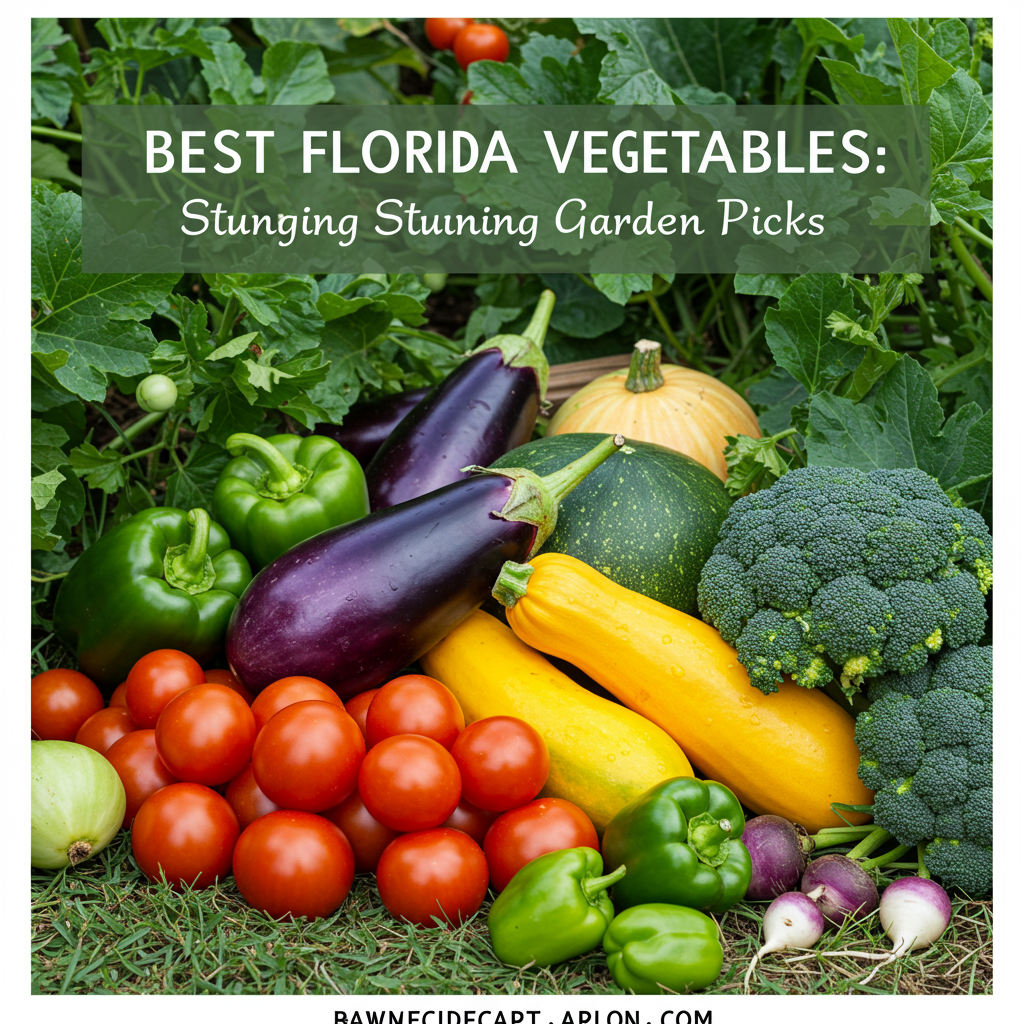
Are you ready to transform your Southwest Florida garden into a vibrant, bountiful oasis? Growing your own vegetables here is not just rewarding—it’s surprisingly easy when you know which plants thrive in this unique climate.
Whether you’re a seasoned gardener or just starting out, choosing the right vegetables can make all the difference between a struggling patch and a flourishing harvest. In this guide, you’ll discover the best vegetables that love the warm, sunny days and mild winters of Southwest Florida.
Keep reading, and you’ll learn exactly what to plant and when, so your garden can flourish year-round. Your journey to fresh, homegrown veggies starts here!

Credit: driftwoodgardencenter.com
Climate And Soil In Southwest Florida
Southwest Florida offers a unique environment for growing vegetables. The climate here is warm and humid most of the year. This helps many vegetables thrive. Understanding the climate and soil is key to a healthy garden. It guides you to choose the best vegetables and care for them properly.
Zone 10b Characteristics
Southwest Florida is in USDA hardiness zone 10b. This zone has mild winters with temperatures rarely dropping below 35°F (1.7°C). Summers are hot and humid, often exceeding 90°F (32°C). The long growing season allows for multiple planting cycles. Frost is rare, so many warm-season crops grow year-round. However, summer heat can stress some plants. Choosing heat-tolerant vegetables is important in this zone.
Soil Types And Preparation
The soil in Southwest Florida varies but is mostly sandy with low organic matter. Sandy soil drains quickly but holds fewer nutrients. Preparing soil properly boosts vegetable growth. Adding organic compost improves water retention and fertility. Testing soil pH helps adjust nutrient levels; ideal pH is 6.0 to 7.0 for most vegetables. Raised beds or containers are good options for better soil control. Mulching helps keep soil moist and cool under the hot sun.
Cool-season Vegetables
Cool-season vegetables thrive in Southwest Florida’s mild winter climate. These plants grow best in cooler temperatures, usually between 55°F and 75°F. They are perfect for planting in fall and harvesting in winter or early spring. Growing cool-season vegetables extends your gardening season and adds fresh variety to your meals.
Broccoli And Cauliflower
Broccoli and cauliflower grow well in Southwest Florida’s cooler months. They prefer rich, well-drained soil and consistent moisture. Plant seeds or transplants in October or November. These vegetables need full sun to develop tight heads. Harvest before the weather warms up to avoid bitterness.
Lettuce And Arugula
Lettuce and arugula are fast-growing leafy greens. They thrive in the cool, mild climate of fall and winter. Sow seeds directly into the soil every few weeks for a continuous harvest. These greens need partial to full sun and regular watering. Pick leaves young for the best taste and texture.
Carrots And Radishes
Carrots and radishes grow quickly and do well in sandy, loose soil. Plant seeds in October through December for best results. Radishes mature in just a few weeks, while carrots take longer. Both vegetables prefer cooler temperatures and need consistent moisture to avoid splitting or tough roots.
Kale And Collards
Kale and collards are hardy, nutrient-rich greens. They grow well in Southwest Florida’s cooler seasons. Plant seeds or seedlings in fall for a winter harvest. These leafy vegetables tolerate light frost and improve flavor after cold nights. They need full sun and steady watering for lush, tender leaves.
Warm-season Vegetables
Southwest Florida’s warm climate suits many vegetables that thrive in heat. Warm-season vegetables grow best in spring and summer. They love the sun and need plenty of warmth to develop well. These crops can handle hot days and often produce abundant harvests. Choosing the right warm-season vegetables ensures your garden stays productive and healthy.
Okra And Southern Peas
Okra grows tall and produces edible seed pods. It thrives in hot, sunny spots. This vegetable is drought-tolerant and needs little care. Southern peas, also called cowpeas, are easy to grow. They fix nitrogen in the soil, improving garden health. Both okra and southern peas suit Southwest Florida’s warm weather perfectly.
Peppers And Eggplants
Peppers come in many colors and heat levels. They prefer full sun and warm soil. Eggplants share similar needs and grow well alongside peppers. Both plants require regular watering and fertile soil. These vegetables add color and flavor to meals. Their growth fits well with Southwest Florida’s long, hot seasons.
Tomatoes And Cherry Tomatoes
Tomatoes thrive in warm temperatures and bright sunlight. Cherry tomatoes are smaller but produce more fruit quickly. Both types need support like cages or stakes. Regular watering helps prevent cracking and disease. Growing tomatoes in Southwest Florida’s climate yields sweet, juicy fruits all season long.
Sweet Potatoes And Yard-long Beans
Sweet potatoes grow underground and enjoy heat and moisture. They need loose, well-drained soil to expand their roots. Yard-long beans climb and produce long pods. These beans grow fast and provide fresh greens and pods. Both vegetables are excellent choices for gardeners in Southwest Florida.

Credit: www.revivalgardening.com
Heat-tolerant Crops
Southwest Florida’s warm climate challenges many gardeners. Heat-tolerant crops thrive despite high temperatures. These vegetables and plants grow well in the sun. They need less water and resist heat stress. Choosing the right crops ensures a successful garden year-round.
Sugarcane And Roselle
Sugarcane is a strong heat-loving plant. It grows tall and produces sweet stalks. It needs plenty of sunlight and space. Roselle, also known as hibiscus, thrives in heat too. Its bright red calyces are great for teas and jams. Both plants add unique flavors to your garden.
Exotic Tropical Vegetables
Southwest Florida suits many tropical vegetables. These include okra, malabar spinach, and chayote. They grow quickly and handle heat well. These vegetables add variety and nutrition to meals. Their vibrant leaves and fruits brighten any garden space.
Tips For Managing Heat Stress
Water plants early in the morning or late at night. Mulch around plants to keep soil cool and moist. Provide shade with cloth or taller plants during peak sun hours. Avoid heavy fertilizing in extreme heat. Regularly check plants for signs of stress or pests.
Planting Calendar By Season
Understanding the planting calendar helps gardeners in Southwest Florida choose the best times to grow vegetables. The climate here allows for year-round gardening with proper timing. Each season offers unique opportunities for planting different vegetables. Planning your garden by season improves growth and harvest success.
Fall Planting Guide
Fall is a prime time for cool-season vegetables. Plant broccoli, lettuce, carrots, and radishes in October. These crops thrive in the mild temperatures and shorter days. Onions and spinach also do well in fall. This season offers fewer pests and good soil moisture. Start seeds indoors or buy young plants to transplant.
Spring And Summer Strategies
Spring and summer bring heat and humidity. Choose heat-tolerant vegetables like okra, peppers, and eggplants. Tomatoes also grow well with enough water and shade. Plant these after the last frost, usually in late February or March. Mulch helps retain soil moisture during hot months. Watch for pests and water early in the day.
Container Gardening Timing
Containers allow gardening in small spaces and control over soil quality. Plant cool-season vegetables like kale and arugula in containers during fall and winter. For warm-season crops, start seeds indoors in early spring. Move containers outdoors when temperatures rise. Container gardens can be shifted to avoid harsh sun or heavy rain.
Pest And Disease Management
Pest and disease management is essential for a healthy vegetable garden in Southwest Florida. The region’s warm and humid climate creates ideal conditions for many pests and diseases. Gardeners must stay alert and take steps to protect their plants. Proper management can reduce damage and improve yields.
Common Pests In Southwest Florida
Southwest Florida gardens face pests like aphids, whiteflies, and spider mites. Caterpillars and beetles also attack leafy greens and fruiting plants. These insects feed on leaves, stems, and roots. They weaken plants and spread diseases. Knowing these pests helps gardeners act quickly.
Organic Control Methods
Organic methods keep gardens safe and chemical-free. Handpicking pests removes many insects. Neem oil and insecticidal soaps control soft-bodied pests effectively. Introducing beneficial insects like ladybugs helps control aphids naturally. These methods protect the environment and maintain garden balance.
Preventative Practices
Healthy soil and proper watering reduce pest problems. Crop rotation stops pests from building up in the soil. Removing plant debris cuts down places pests hide. Using row covers protects plants from insect attacks. Clean tools and healthy plants resist diseases better.
Watering And Fertilizing Tips
Watering and fertilizing play crucial roles in growing healthy vegetables in Southwest Florida. Proper water management ensures plants get enough moisture without waste. Fertilizing supplies essential nutrients to support strong growth and abundant harvests. Understanding these basics helps gardeners nurture their crops effectively.
Efficient Irrigation Techniques
Use drip irrigation to deliver water directly to roots. This method saves water and reduces leaf diseases. Water early in the morning to limit evaporation. Avoid overhead watering in the heat of the day. Mulching around plants helps retain soil moisture. Check soil regularly to avoid overwatering or underwatering.
Nutrient Needs For Top Vegetables
Vegetables like tomatoes, peppers, and leafy greens need balanced nutrients. Nitrogen supports leaf growth, phosphorus helps root development, and potassium boosts fruit quality. Apply fertilizer according to plant stage and soil test results. Organic options like compost and fish emulsion provide steady nutrients. Avoid excess fertilizer to prevent nutrient burn and pollution.
Soil Amendments
Southwest Florida soils often lack organic matter and may drain quickly. Adding compost improves soil structure and water retention. Use peat moss or coconut coir to increase moisture holding capacity. Lime can adjust soil pH if it is too acidic. Regularly amend soil to maintain fertility and support vegetable growth.
Best Practices For Beginners
Starting a vegetable garden in Southwest Florida offers a rewarding experience. Beginners can enjoy fresh, homegrown produce with simple steps. Understanding the best practices helps plants thrive in this warm climate. The right choices reduce effort and increase success.
This section guides new gardeners through easy vegetable options, seed starting methods, and sustainable care tips. Each part is designed to build confidence and ensure a healthy garden.
Easy-to-grow Vegetable Picks
Choose vegetables that handle heat and humidity well. Kale, peppers, and tomatoes grow easily in Southwest Florida. These plants resist pests and need less care. Leafy greens like lettuce also do well in cooler months. Starting with these crops gives beginners quick wins.
Starting Seeds Vs. Transplants
Decide between planting seeds or buying young plants. Seeds cost less but take more time to grow. Transplants save time and boost early growth. Start seeds indoors to protect them from harsh sun. Transplants should be hardened off before planting outside. Both methods work well if done carefully.
Maintaining A Sustainable Garden
Keep your garden healthy without harming the environment. Use natural compost to feed your plants. Water early in the morning to reduce evaporation. Mulch helps retain moisture and controls weeds. Rotate crops yearly to prevent soil depletion. These habits build a strong, sustainable garden for years.

Credit: www.revivalgardening.com
Frequently Asked Questions
What Zone Is Southwest Florida For Gardening?
Southwest Florida falls in USDA Hardiness Zone 10b. This zone supports warm-season and tropical plants year-round.
What Is The Easiest Crop To Grow In Florida?
Kale, lettuce, green onions, peppers, radishes, spinach, sweet potatoes, and tomatoes grow easily in Florida’s warm climate.
What Is The Best Month To Plant Vegetables In Florida?
The best month to plant vegetables in Florida is October. This cool season suits broccoli, lettuce, carrots, and radishes well.
What Grows Well In Florida Heat?
Okra, sweet potatoes, peppers, eggplant, sugarcane, and tropical fruits thrive well in Florida’s heat. These heat-tolerant crops suit warm, sunny conditions.
Conclusion
Growing vegetables in Southwest Florida brings fresh, tasty food right to your table. Choose plants like peppers, kale, and sweet potatoes for best results. The warm climate helps these vegetables thrive with proper care. Start planting in fall for cooler weather crops.
Remember, healthy soil and regular watering boost growth. Gardening here can be simple and rewarding. Enjoy watching your garden grow and share the harvest with family and friends. This local approach helps you eat fresh and save money year-round. Keep experimenting to find your garden’s perfect mix.