
If you’re looking to add beauty, shade, and value to your Florida Panhandle property, choosing the right trees is key. The unique climate and soil conditions here mean not every tree will thrive.
But don’t worry—there are plenty of trees perfectly suited to your region that can transform your yard into a lush, vibrant space. Whether you want something fast-growing for quick shade, a colorful tree for seasonal interest, or a low-maintenance option that stands up to Florida’s heat and occasional storms, this guide has you covered.

Keep reading to discover the best trees to grow in the Florida Panhandle and how they can enhance your outdoor living experience.
Climate Zones In Florida Panhandle
The Florida Panhandle has a warm and humid climate. It supports many types of trees. Knowing the climate zones helps pick the best trees to grow. The region’s weather changes slightly from west to east. These differences affect tree growth and survival.
Understanding local climate zones ensures trees thrive well. It reduces risks of planting trees that cannot survive. This guide explains key climate factors for the Florida Panhandle.
Usda Hardiness Zones
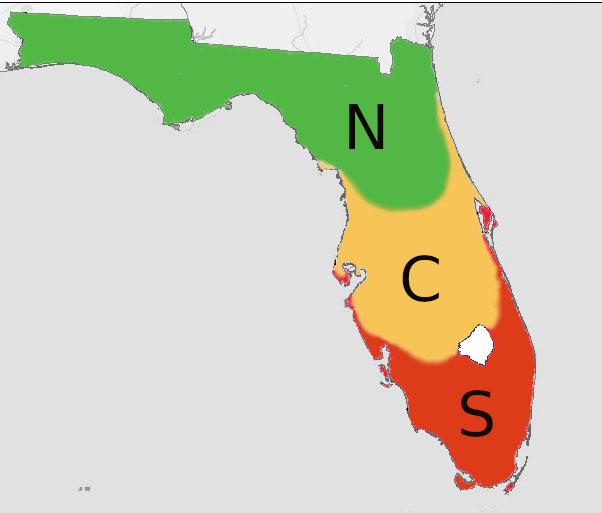
The Florida Panhandle lies mostly in USDA Zones 8a to 9a. These zones define the average coldest temperatures in winter. Zone 8a can reach lows near 10°F to 15°F. Zone 9a stays warmer, around 20°F to 25°F.
These temperatures influence which trees can survive winters. Trees that handle mild frost do well here. Tropical trees may struggle in the colder parts. Checking the USDA zone helps select hardy tree species.
Microclimate Effects
Microclimates occur due to local features like water bodies and elevation. Coastal areas tend to be warmer and less frosty. Inland and higher places can get cooler temperatures.
Urban areas may have heat islands, raising temperatures slightly. Shaded spots under existing trees can protect young plants. Microclimates create small differences in growing conditions.
Observing your planting site helps choose trees suited to its microclimate. This improves tree health and growth success.
Key Factors For Tree Growth
Choosing the right tree for the Florida Panhandle means understanding what helps trees grow best here. Trees need specific conditions to thrive. This section explains the key factors for tree growth in this region. Knowing these will help your trees stay healthy and strong.
Soil Types And Drainage
The Florida Panhandle has sandy and clay soils. Sandy soil drains quickly but holds fewer nutrients. Clay soil holds water longer but can cause root problems if waterlogged. Good drainage is essential. Trees do not grow well in standing water. Test your soil before planting. Amend it with organic matter to improve texture and drainage.
Sunlight And Temperature
Trees in the Panhandle need plenty of sunlight. Most native trees require full sun to grow well. The region has hot summers and mild winters. Some trees can handle the heat better than others. Choose trees that are adapted to these temperature ranges. Avoid shade-loving trees for open spaces with direct sun.
Water Requirements
Water is vital for tree growth, especially during the first years. The Panhandle receives rainfall but may have dry spells. Young trees need regular watering until roots establish. Established trees tolerate drought better but still need occasional watering. Use mulch to keep soil moist and reduce water loss.
Top Shade Trees
Shade trees bring comfort and beauty to the Florida Panhandle’s warm climate. They cool outdoor spaces and reduce energy costs. Choosing the right shade tree helps your garden thrive.
These trees grow well in the Panhandle’s soil and weather. They offer lush canopies that provide excellent shade. Below are three top shade trees to consider for your landscape.
Nuttall Oak
The Nuttall Oak is a strong and fast-growing tree. It adapts well to wet or dry soil. Its large leaves turn red and brown in fall, adding color. This oak provides deep shade and grows tall quickly. It is perfect for parks and large yards.
Redmond Linden
Redmond Linden has a dense, rounded crown for great shade. It grows well in full sun and tolerates heat. Its fragrant flowers attract bees and butterflies. The tree’s leaves turn yellow in autumn, brightening your space. It is low-maintenance and sturdy against wind.
Greenspire Linden
Greenspire Linden is a popular shade tree with a narrow shape. It fits well in smaller yards and along streets. Its leaves are dark green and turn yellow in fall. This tree grows steadily and resists pests. It creates a cool, shady spot for relaxing outdoors.
Credit: floridafruitgeek.com
Best Evergreen Trees
Evergreen trees keep their green leaves year-round. They bring color and life to your Florida Panhandle garden in every season. These trees offer privacy, shade, and beauty without losing their leaves. Choosing the right evergreen tree ensures strong growth in Florida’s warm, humid climate. Here are some of the best evergreen trees that thrive well in this region.
Leyland Cypress
Leyland Cypress grows fast and tall. It makes a perfect privacy screen or windbreak. This tree handles Florida’s heat and humidity well. Its dense, dark green foliage stays full all year. Leyland Cypress also resists common pests and diseases. It needs well-drained soil and regular watering at first. Once established, it tolerates dry spells easily.
Dwarf Strawberry Tree
Dwarf Strawberry Tree is a small evergreen with glossy leaves. It produces small, red fruit that look like strawberries. This tree adds a unique look to any yard. It grows well in sandy or clay soil. The Dwarf Strawberry Tree needs full sun to part shade. It is drought tolerant after it grows strong. This tree fits well in small spaces or containers.
Geiger Tree
Geiger Tree is a tough evergreen native to Florida. It has large, leathery leaves that stay green year-round. In spring, it blooms bright yellow flowers that attract bees and butterflies. Geiger Tree grows best in full sun and well-drained soil. It tolerates salt spray, making it good near the coast. This tree is low maintenance and drought resistant once mature.
Popular Flowering Trees
Flowering trees bring color and charm to any garden or yard. In the Florida Panhandle, these trees thrive in the warm climate and add beauty throughout the seasons. They attract birds and butterflies, creating a lively outdoor space. Choosing the right flowering tree can enhance your landscape with vibrant blooms and interesting shapes.
Crape Myrtle
Crape Myrtle is a favorite in the Florida Panhandle. It blooms from summer to fall with bright flowers in pink, red, white, and purple. This tree grows well in full sun and tolerates heat and humidity. Its smooth bark and attractive leaves add interest even when the flowers fade. Crape Myrtle is low maintenance and fits well in small or large spaces.
Jacaranda
Jacaranda trees display stunning blue-purple flowers in spring. Their fern-like leaves provide soft shade in summer. This tree prefers well-drained soil and full sun. It grows fast and can reach up to 25 feet tall. Jacarandas bring a tropical feel to yards and streets. They are a striking choice for those who want bold color.
Pacific Dogwood
Pacific Dogwood is a native tree that offers delicate white flowers in spring. It thrives in partial shade and moist, well-drained soil. This tree stays smaller, perfect for shaded garden spots. Its layered branches and bright red berries add year-round interest. Pacific Dogwood supports local wildlife and fits well in natural landscapes.
Native Trees For Landscaping
Native trees offer many benefits for landscaping in the Florida Panhandle. They adapt well to local soil and climate. These trees support local wildlife and need less water and care. Choosing native trees helps create a natural, healthy environment around your home.
American Sycamore
The American Sycamore is a large, fast-growing tree. It has broad leaves that provide excellent shade. Its bark peels off in patches, showing a smooth white surface. This tree thrives in moist soils near rivers and streams. It adds beauty and coolness to yards and parks.
Tulip Poplar
Tulip Poplar is known for its tall, straight trunk. It produces bright green leaves shaped like tulip flowers. In spring, it blooms with unique yellow-green flowers. This tree grows well in deep, well-drained soils. It is perfect for shade and ornamental use in gardens.
Sugar Maple
Sugar Maple is famous for its stunning fall colors. Leaves turn bright orange, red, and yellow. This tree prefers cooler spots but grows well in the Panhandle. It has strong wood and dense foliage. Sugar Maple offers shade and a splash of color all year.
Trees For Front Yard Appeal
Choosing the right trees for your front yard in the Florida Panhandle can enhance your home’s curb appeal. Trees provide shade, beauty, and structure. They create a welcoming space and add value to your property. Select trees that suit the climate and soil of the region for best results. Consider size, color, and seasonal changes to keep your yard attractive all year.
Small Tree Options
Small trees fit well in front yards with limited space. They offer charm without overwhelming the area. Crape Myrtle is a popular choice, blooming with pink, red, or white flowers. Redbud trees show lovely pink blossoms in early spring. Dogwood trees bring delicate white or pink flowers and grow well in the Panhandle. These trees stay manageable and add elegance near walkways or porches.
Color And Seasonal Interest
Front yard trees that change color with seasons catch the eye. Maples provide vibrant red and orange leaves in fall. Sweetbay Magnolia shows creamy white flowers in spring and has glossy green leaves year-round. Live Oak offers deep green foliage and sturdy branches, perfect for shade and structure. Adding trees with colorful blooms or foliage keeps your yard lively and fresh through every season.

Credit: nwdistrict.ifas.ufl.edu
Heat And Drought Tolerant Trees
Heat and drought are common challenges in the Florida Panhandle. Trees that tolerate these conditions thrive with less water and intense sun. Choosing the right trees helps keep your landscape healthy and vibrant. These trees need special features to survive and grow strong under harsh weather.
Adaptations For Florida Heat
Trees here have thick, waxy leaves to reduce water loss. Some have deep roots to reach underground water. Many drop leaves during dry times to save moisture. Light-colored bark reflects sunlight and lowers heat damage. These traits help trees stay alive and green in tough conditions.
Recommended Species
Live Oak is a top choice. It has sturdy branches and dark green leaves. Southern Magnolia offers large, shiny leaves and fragrant flowers. Crape Myrtle blooms in summer and handles dry spells well. Bald Cypress thrives in wet or dry soil and shows beautiful fall color. These trees bring beauty and strength to Florida Panhandle yards.
Planting And Care Tips
Proper planting and care make a big difference in tree growth in the Florida Panhandle. Trees need the right start and ongoing attention to thrive in this region. Understanding local soil, climate, and water conditions helps in choosing the best care methods. Follow simple steps to give your trees a strong foundation and healthy life.
Best Planting Practices
Choose a spot with good sunlight and well-drained soil. Dig a hole twice as wide as the root ball but only as deep. Place the tree gently and spread the roots evenly. Fill the hole with soil, pressing lightly to remove air pockets. Water the tree right after planting to settle the soil. Avoid planting too deep or too shallow for best growth.
Watering And Mulching
Water young trees deeply once or twice a week. Adjust water frequency during rainy or dry periods. Mulch around the base with 2-4 inches of organic material. Keep mulch a few inches away from the trunk. Mulching keeps soil moist and cool, reducing weeds. Proper watering and mulching help roots grow strong and healthy.
Pest And Disease Management
Inspect trees regularly for signs of pests or disease. Common issues include aphids, scale insects, and fungal infections. Use insecticidal soap or neem oil for safe pest control. Remove affected leaves or branches to stop disease spread. Keep trees healthy with proper care to resist pests naturally. Early action prevents serious damage and keeps trees vigorous.
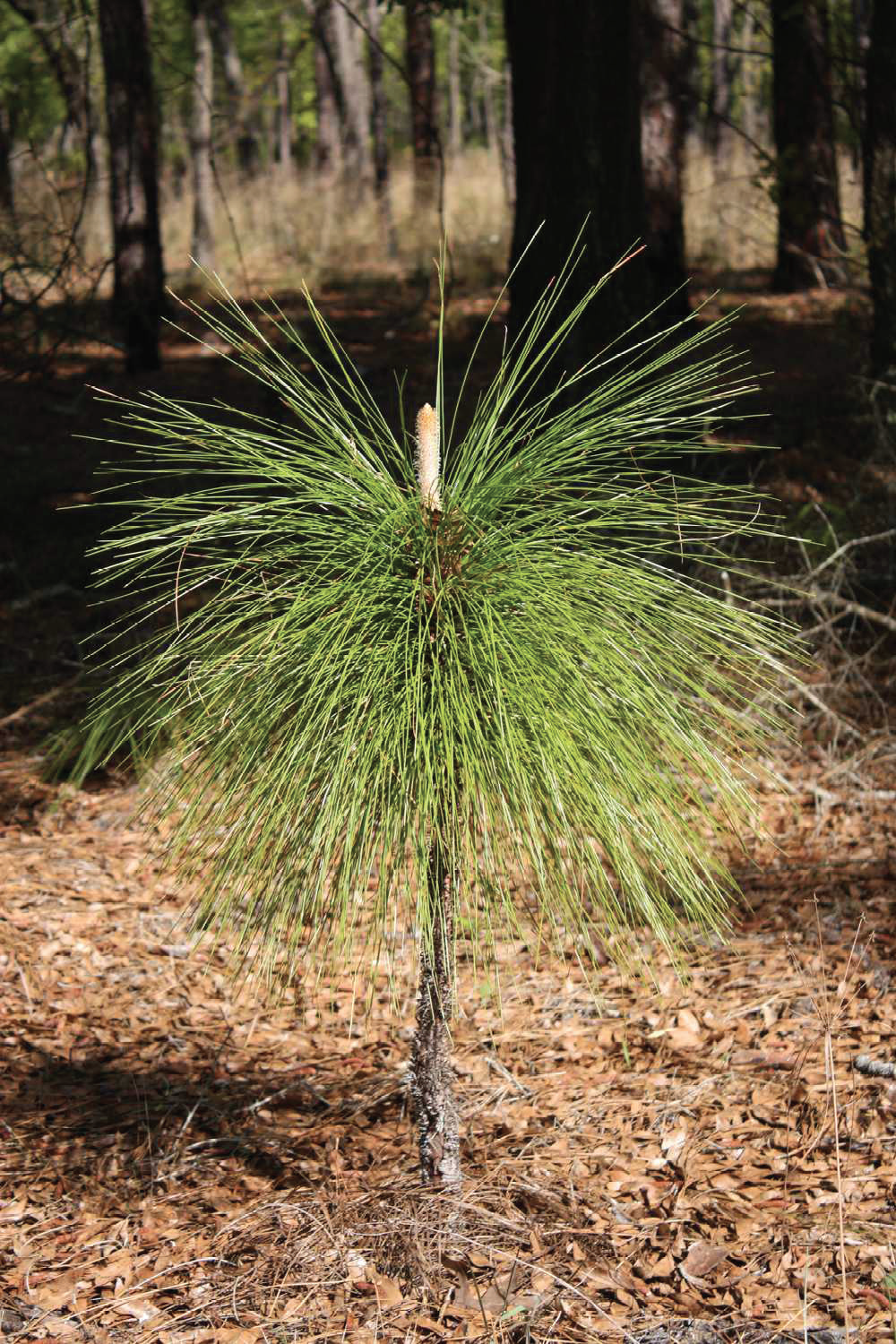
Credit: nwdistrict.ifas.ufl.edu
Where To Buy Quality Trees
Buying quality trees is key for a thriving garden in the Florida Panhandle. Healthy trees start strong and last long. Choosing the right place to buy makes a big difference. Local nurseries and online suppliers offer many options. Compare prices and quality before you decide. Let’s explore the best places to find trees that suit your landscape and climate.
Local Nurseries
Local nurseries grow trees suited for the Florida Panhandle climate. They offer native and adapted species that thrive in local soil and weather. You can see the trees before buying. Staff at nurseries often share helpful advice on tree care. Visiting a nursery supports local business and ensures fresher stock. Many nurseries also provide planting tips and after-sales support.
Online Suppliers
Online suppliers bring a wide variety of trees to your doorstep. They often have rare or hard-to-find species. Many offer detailed descriptions and customer reviews. Some ships trees bare-root or in containers to keep them healthy. Check shipping costs and delivery times before ordering. Choose sellers with good reputations for quality and service.
Price Comparisons
Tree prices vary by type, size, and seller. Compare prices between local nurseries and online stores. Consider shipping fees and possible discounts. Sometimes local nurseries offer better value due to no shipping costs. Online sales may include promotions and bulk discounts. Balance cost with tree health and guarantees for the best deal.
Frequently Asked Questions
What Is The Easiest Tree To Grow In Florida?
The easiest tree to grow in Florida is the Southern Live Oak. It thrives in Florida’s climate and requires minimal care. Other easy options include Sabal Palm and Crape Myrtle, both tolerant to heat and drought, making them ideal for Florida gardens.
What Zone Is The Florida Panhandle In For Planting?
The Florida Panhandle falls mainly within USDA Hardiness Zones 8a to 9a. These zones guide plant selection and planting times for the region.
What Is The Best Landscaping Tree From The Front Of A House?
The best landscaping tree for the front of a house is the Japanese Maple. It offers vibrant colors and elegant shape. It fits small to medium spaces and requires low maintenance, enhancing curb appeal effectively.
What Grows Well In Florida Heat?
Okra, roselle, sugarcane, tropical fruits, hibiscus, and bougainvillea thrive well in Florida’s intense heat and humidity.
Conclusion
Choosing the right trees helps your Florida Panhandle garden thrive. Select species that suit the climate and soil. Trees like live oaks and magnolias provide beauty and shade. They also support local wildlife and reduce energy costs. Planting native trees makes your yard healthy and low maintenance.
Start small and watch your garden grow year after year. Enjoy a green, vibrant outdoor space that lasts.