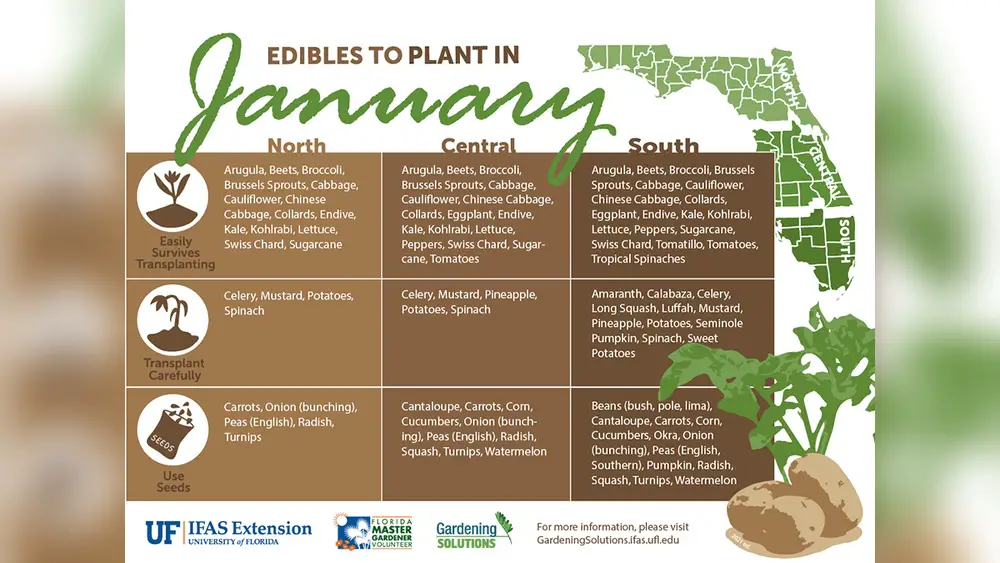
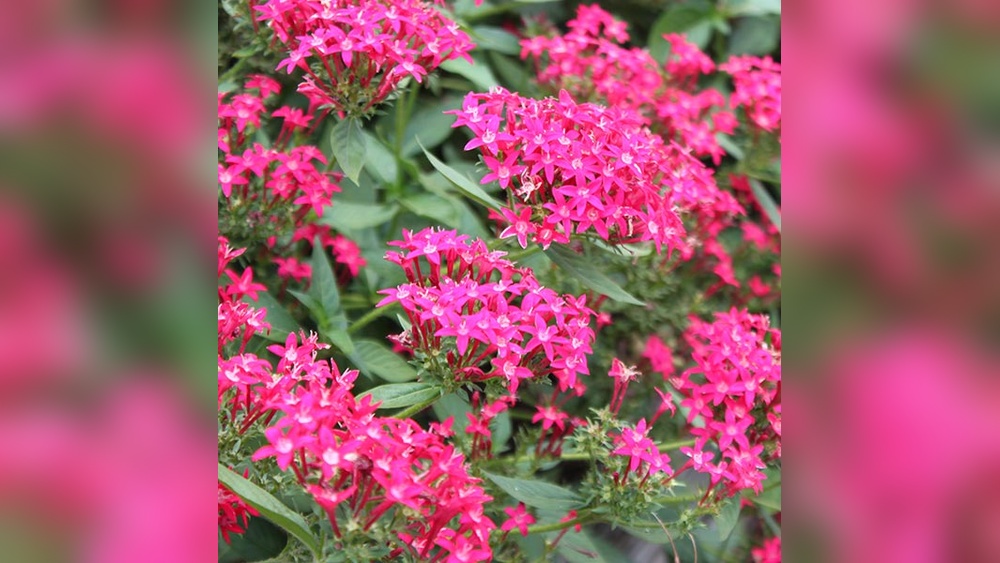
If you live in Central Florida and want to start your own vegetable garden, you might wonder which veggies will thrive best in your climate. Growing your own fresh vegetables not only saves money but also gives you the satisfaction of harvesting healthy food right from your backyard.
But with so many options, how do you choose the best vegetables to grow here? In this guide, you’ll discover the top vegetables that flourish in Central Florida’s unique weather—whether it’s hot summer days or cooler winter nights. Ready to turn your garden into a vibrant, productive space?
Keep reading to find out which vegetables will bring you the most success and joy all year round.
Credit: blackgold.bz
Climate And Soil In Central Florida
Understanding the climate and soil of Central Florida is key to growing healthy vegetables. The region’s unique environment shapes which plants thrive. Gardeners can choose vegetables suited to local conditions for better harvests.
Subtropical Weather Impact
Central Florida has a warm, subtropical climate. Summers are hot and humid with frequent rain. Winters are mild and short, with rare frost. This weather lets many vegetables grow year-round.
Heat-loving crops like okra and sweet potatoes do well here. Cool-season vegetables grow best in winter months. Timing planting to match seasons improves success. The sun shines intensely, so plants need enough water and shade in summer.
Soil Types And Preparation
Soil in Central Florida varies but often contains sandy loam. This soil drains quickly but may lack nutrients. Adding organic matter like compost improves soil structure and fertility. Testing soil pH helps adjust it for vegetable needs.
Most vegetables prefer slightly acidic to neutral soil (pH 6.0–7.0). Gardeners should loosen soil before planting to allow roots to grow. Mulching retains moisture and controls weeds. Proper soil care supports strong, healthy plants.

Credit: www.revivalgardening.com
Best Warm-season Vegetables
Central Florida’s warm climate supports a wide range of vegetables that thrive in heat. Choosing the right warm-season vegetables ensures a fruitful garden. These plants grow well during the hot months and handle humidity effectively. Here are some top picks for your Central Florida garden.
Tomatoes And Cherry Varieties
Tomatoes are a garden favorite in Central Florida. Cherry tomatoes, in particular, do well in warm weather. They ripen quickly and produce many fruits. Choose heat-tolerant varieties like ‘Heatmaster’ or ‘Solar Fire.’ Plant in well-drained soil with full sun. Water regularly but avoid overwatering. Mulch helps keep roots cool and soil moist.
Peppers And Heat Tolerance
Peppers flourish in Central Florida’s warmth. Bell peppers and hot peppers both grow well here. Varieties like ‘Jalapeno’ and ‘Serrano’ tolerate heat and humidity. Start seeds indoors or buy seedlings for best results. Provide plenty of sunlight and consistent watering. Peppers need fertile soil with good drainage. Harvest peppers as they mature to encourage more fruit.
Eggplant Tips
Eggplants love the heat and full sun. Choose varieties such as ‘Black Beauty’ or smaller types like ‘Fairy Tale.’ Plant eggplants in rich soil with compost. Space plants about 18 to 24 inches apart. Water deeply but less often to avoid root rot. Pinch off early flowers to promote stronger growth. Watch for pests like flea beetles and treat promptly.
Growing Okra
Okra is perfect for Central Florida’s hot summer. It grows fast and needs little care. Plant seeds directly in warm soil after the last frost. Okra prefers full sun and well-drained soil. Water regularly during dry spells to keep pods tender. Harvest pods when they are 2 to 4 inches long. Okra plants can reach 6 feet tall, so give them room to grow.
Ideal Cool-season Crops
Central Florida’s mild winters create a perfect environment for cool-season crops. These vegetables thrive in cooler temperatures and shorter daylight hours. Planting at the right time ensures healthy growth and a bountiful harvest. Many cool-season vegetables also tolerate occasional frosts, making them ideal for local gardens.
Kale Varieties For Heat
Kale grows well in Central Florida’s cool season. Choose heat-tolerant varieties like ‘Lacinato’ and ‘Red Russian.’ These types handle the warmer days better than others. Plant kale in late fall for the best flavor. Regular watering keeps leaves tender and sweet. Harvest leaves frequently to encourage new growth.
Lettuce Types For Winter
Lettuce prefers the cooler months in Central Florida. Varieties such as ‘Buttercrunch’ and ‘Romaine’ work well. Plant seeds in early fall to avoid heat stress. Lettuce grows fast and provides fresh salads all winter. Use mulch to keep soil moist and cool. Protect young plants from late frosts with light covers.
Beets And Carrots Planting
Beets and carrots thrive in Central Florida’s cool season. Sow seeds directly into loose, sandy soil in fall. These root vegetables need consistent moisture for smooth growth. Thin seedlings to give roots space to expand. Harvest beets when roots are small and tender. Carrots taste best when picked before they get too big.
Potatoes In Central Florida
Potatoes grow well in Central Florida during winter months. Plant certified seed potatoes in well-drained soil by late fall. Hill soil around stems as plants grow to protect tubers. Keep soil moist but avoid waterlogging. Harvest potatoes when plants yellow and die back. Store tubers in a cool, dry place for later use.
Easy Vegetables For Beginners
Starting a vegetable garden in Central Florida can be simple and rewarding. Beginners often want plants that grow quickly and need little care. Choosing easy vegetables helps build confidence and success. These plants thrive in Central Florida’s warm climate and sandy soil.
Pick vegetables that handle heat and occasional dry spells well. They also resist pests better than others. Growing easy vegetables means less worry and more fresh food from your garden. Below are some top choices for new gardeners.
Sweet Potatoes Year-round
Sweet potatoes grow well almost all year in Central Florida. They need warm soil and plenty of sunlight. Plant slips in spring or summer for a good harvest. These tubers produce large, sweet roots that store well.
Sweet potatoes also improve soil health. They spread fast and cover the ground, reducing weeds. Their vines can grow over fences or trellises, saving space. Water regularly but avoid soggy soil to keep roots healthy.
Using Sweet Potato Leaves
Sweet potato leaves are edible and nutritious. Many gardeners overlook these tasty greens. Harvest leaves early for salads or cooking, just like spinach. They grow quickly and regrow after cutting.
Leaves add variety to meals and boost garden yield. They contain vitamins A and C, making them healthy additions. Using leaves reduces waste and maximizes your sweet potato plants’ value.
Bush And Pole Beans Planting
Bush and pole beans are excellent for beginners. They grow fast and produce many pods. Bush beans stay low and need little support. Plant seeds directly in warm soil after the last frost.
Pole beans climb and need trellises or poles. They take more space but yield longer. Beans fix nitrogen in the soil, helping other plants grow better. Pick beans often to encourage more production.
Planting Seasons And Timing
Timing is key when planting vegetables in Central Florida. The region’s warm climate allows multiple growing seasons. Knowing the right planting times helps achieve a healthy garden.
Proper timing avoids the risks from frost and extreme heat. This guide covers the best planting seasons and ways to protect your crops.
Spring Planting Schedule
Start planting frost-tender vegetables in March. These include tomatoes, peppers, and cucumbers. Planting earlier risks frost damage. Frost-hardy crops like broccoli and cabbage can go in earlier.
March to May is ideal for most spring vegetables. Prepare soil well and water regularly for best growth. Remove weeds to reduce competition for nutrients.
Fall And Winter Garden Planning
Fall is perfect for cool-season vegetables. Plant leafy greens, carrots, and radishes from September to November. These crops thrive in cooler weather.
Winter gardens can include kale, broccoli, and cabbage. Start seeds indoors or buy young plants. Avoid planting heat-loving vegetables during this time.
Protecting Plants From Frost
Frost can damage young plants in early spring or late fall. Cover plants with frost cloths or old sheets at night. Use mulch around roots to keep soil warm.
Bring potted plants indoors during cold snaps. Watch weather forecasts closely. Quick action saves your garden from frost harm.
Vegetables To Avoid In Summer
Central Florida’s summer heat challenges many vegetable growers. Certain vegetables struggle and fail to thrive under high temperatures. Avoid planting these in summer to save time and effort. Choosing the right crops improves harvest success and garden enjoyment.
Heat-sensitive Root Crops
Root crops like carrots, potatoes, beets, and turnips dislike hot weather. Their growth slows, and roots often become tough or bitter. These vegetables prefer cooler seasons and moist soil. Planting them in Central Florida’s summer leads to poor yields and plant stress.
Summer Alternatives
Choose heat-tolerant vegetables instead. Sweet potatoes, boniato, and cassava grow well in summer heat. These crops handle sun and warmth better than sensitive roots. Okra, peppers, and tropical spinach also flourish during Central Florida summers. These options ensure a productive garden despite the heat.
Tips For Success
Growing vegetables in Central Florida can be very rewarding with the right care. Following simple tips helps your garden thrive. Focus on watering, pest control, and transplanting to get the best results.
Each of these elements plays a key role in healthy plant growth. Pay attention to these details to enjoy fresh, homegrown vegetables.
Watering And Mulching
Water your vegetables deeply but not too often. This encourages strong root growth. Early morning watering reduces water loss from evaporation. Mulch around plants to keep soil moist and cool. Mulch also helps stop weeds and adds nutrients as it breaks down.
Pest And Disease Management
Check plants regularly for signs of pests or diseases. Remove damaged leaves or insects by hand if possible. Use natural remedies like neem oil or insecticidal soap to protect plants. Keep your garden clean to reduce disease risks. Rotate crops each season to prevent soil diseases.
Transplanting Techniques
Transplant seedlings carefully to avoid root damage. Water plants well before and after moving them. Choose a cloudy day or late afternoon for transplanting to reduce stress. Space plants properly to allow air flow and growth. Harden off seedlings by exposing them gradually to outdoor conditions before transplanting.

Credit: fleetfarming.org
Frequently Asked Questions
What’s The Easiest Vegetable To Grow In Florida?
Sweet potatoes are the easiest vegetable to grow in Florida due to their heat tolerance and year-round growth. Tomatoes, peppers, and okra also thrive well in Florida’s climate.
When Should I Start A Vegetable Garden In Central Florida?
Start your Central Florida vegetable garden in March for frost-tender plants. Plant frost-hardy vegetables earlier. Protect tender plants from late frosts.
What To Plant In Central Fl?
Plant warm-season crops like tomatoes, peppers, eggplant, and okra in summer. Choose cool-season vegetables such as broccoli, cabbage, kale, lettuce, carrots, and beets for winter. Sweet potatoes and tropical spinaches grow well year-round in Central Florida’s climate.
What Vegetables Don’t Grow Well In Florida?
Carrots, potatoes, beets, and turnips struggle in Florida’s summer heat. They grow better as winter crops.
Conclusion
Growing vegetables in Central Florida can be very rewarding. Choose plants that match the season for best results. Warm-weather crops like tomatoes and okra thrive in summer heat. Cool-season veggies such as broccoli and kale grow well in winter. Sweet potatoes are easy and can grow almost all year.
Plan your garden with these tips for a healthy harvest. Enjoy fresh, homegrown vegetables in your own backyard. Gardening here is simple and fun with the right choices.