How Soon Can You Eat Vegetables After Fertilizing? Timing is everything when it comes to eating vegetables after fertilization. It is typically advised to hold off on harvesting and eating any veggies that have been fertilized. The waiting time varies according to the fertilizer applied. In order for the nutrients in organic fertilizers, like compost, to fully integrate into the soil, a waiting period of 2 to 4 weeks is usually necessary. Contrarily, a shorter waiting period of one to two weeks may be necessary for inorganic or synthetic fertilizers. Following these recommendations makes sure that the veggies are risk-free to consume, devoid of dangerous residues, and maximize the nutritional benefits for a satisfying and healthy dinner.
How Soon Can You Eat Vegetables After Fertilizing?
After fertilizing your vegetable garden, it’s important to give the plants enough time to absorb the nutrients and for any possible chemical residues to disappear. Depending on the type of fertilizer used and the particular veggies you are producing, a different amount of time may pass before you may safely eat your vegetables. To be safe, you should wait at least two to four weeks after fertilizing your garden before harvesting and eating your crops.
The plants will use the fertilizer’s nutrients to assist their growth and development during this waiting period. The outcome is that these nutrients will progressively accumulate in the vegetables until they are at a safe and ideal level for ingestion. It’s crucial to have patience and avoid the urge to harvest your vegetables too soon, as doing so could result in an unappealing flavor and possible health hazards.
Factors Affecting the Waiting Period
The time you must wait after fertilizing your vegetables can depend on a number of things. These variables include the kind of fertilizer used, how it is applied, the particular vegetables cultivated, and the surrounding environment. Let’s examine each of these elements in more detail:
Type of Fertilizer
The compositions and rates at which nutrients are released differ across various types of fertilizers. Compost and manure are examples of organic fertilizers that are generally safer and have less chance of leaving behind chemical residues. Moreover, they have a propensity to release nutrients gradually over time, lowering the chance of over-fertilization. The amounts of nutrients and possibly dangerous substances can be higher with synthetic fertilizers, such as chemical-based granules or solutions. Hence, while using synthetic fertilizers, it is crucial to adhere to the manufacturer’s instructions and suggested waiting times.
Application Method
The waiting duration may also be impacted by how the fertilizer is applied. The plants will gradually absorb the nutrients if the fertilizer is applied directly to the soil as their roots stretch and swell. Before harvesting the vegetables, it’s crucial to give the plants enough time to develop a strong root system because this procedure takes time. Alternately, the nutrients can be absorbed by the leaves and distributed to the rest of the plant more quickly if the fertilizer is applied as a foliar spray or liquid feed. When opposed to applying soil, the waiting period can be shorter in this instance.
Specific Vegetables Grown
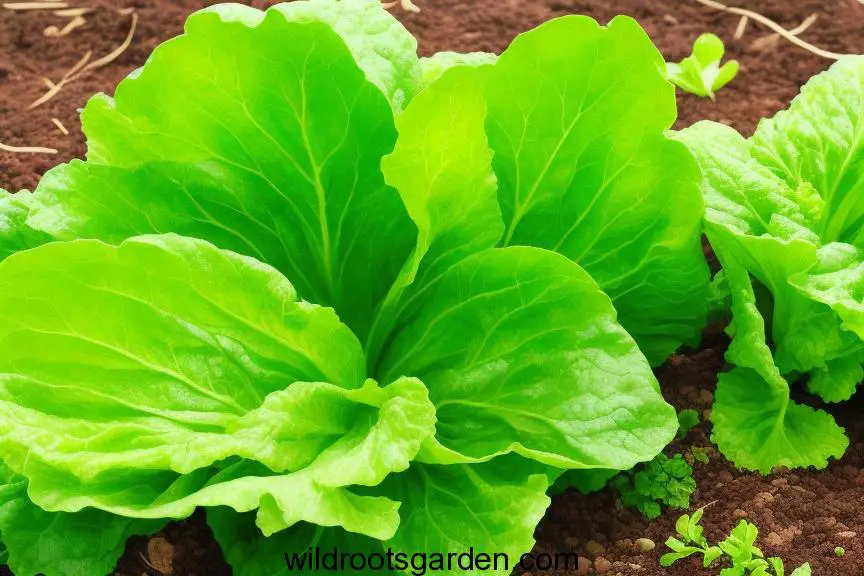
Vegetables grow at different rates and require different amounts of nutrients. Herbs and leafy greens, such as lettuce and spinach, have shorter growing seasons than other vegetables and tend to mature more quickly. Compared to crops like tomatoes, peppers, or root vegetables, which frequently need more time to develop, these veggies may be available for harvesting earlier. For each vegetable type, special instructions should be consulted to ascertain the best time for harvesting.
Environmental Conditions
The waiting duration may also be impacted by environmental elements such as temperature, sunlight, and moisture. Warmer weather typically hastens plant development and nutrient uptake, allowing you to perhaps harvest your crops earlier. Cooler temperatures, on the other hand, may cause the growing process to stall and lengthen the waiting period. For optimal plant growth and nutrient absorption, sufficient sunlight and moisture are necessary. Before harvesting, make sure your vegetable garden has the right environmental conditions to encourage optimal growth.
In conclusion, following the advised waiting times after fertilizing your veggies and taking the necessary safeguards are crucial for assuring both safety and the best nutritional benefits. Allowing enough time for the nutrients to integrate into the soil, whether using organic or inorganic fertilizers, reduces potential health hazards and guarantees that the veggies are free of toxic residues. You can reap the rewards of your labor with confidence if you follow these instructions and relish the nutritional goodness of homegrown, freshly harvested vegetables in your meals. Keep in mind that if you are patient in the garden, you will reap a plentiful and healthy reward.
Frequently Asked Questions about How Soon Can You Eat Vegetables After Fertilizing? (FAQs)
Q: Is it safe to eat vegetables immediately after fertilizing?
A: It is generally not recommended to consume vegetables immediately after fertilizing. Waiting for two to four weeks allows the plants to absorb the nutrients properly and reduces the risk of potential chemical residues.
Q: Can I speed up the waiting period after fertilizing?
Q: Can I speed up the waiting period after fertilizing? A: While it’s important to be patient and allow sufficient time for nutrient absorption, you can promote plant growth by ensuring proper environmental conditions, such as adequate sunlight, water, and temperature.
Q: What if I accidentally consume vegetables too soon after fertilizing?
A: If you accidentally consume vegetables before the recommended waiting period, monitor your health for any adverse reactions. In most cases, the risk of harm is low, but it’s best to err on the side of caution and follow the guidelines.
Q: Are organic fertilizers safer than synthetic fertilizers?
A: Organic fertilizers, such as compost and manure, are generally considered safer due to their lower risks of chemical residues. However, it is important to use any fertilizer, organic or synthetic, according to the recommended guidelines.
Q: Can I use fertilizers specifically labeled for vegetables?
A: Yes, using fertilizers specifically formulated for vegetables can provide the necessary nutrients for optimal growth. Follow the manufacturer’s instructions for application rates and waiting periods.
Q: Are there any signs that indicate vegetables are safe for consumption after fertilizing?
A: It is challenging to determine the exact moment when vegetables are safe to eat. However, a general rule of thumb is to wait for the recommended waiting period and ensure the plants appear healthy and vibrant before harvesting.