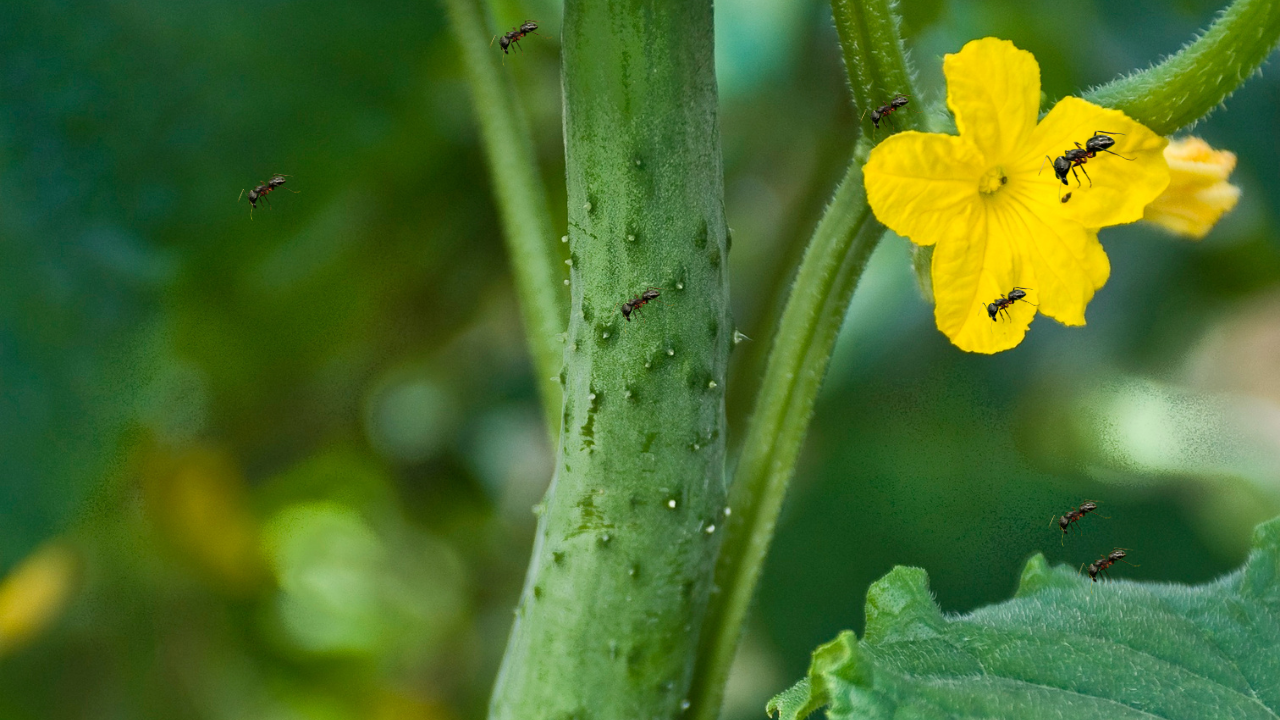
Ants on Cucumber FlowersCucumbers, with their crisp and refreshing fruits, rely on pollination for the production of abundant yields. While bees are traditionally considered the primary pollinators, ants play an unforeseen role in this. process. As these tiny creatures forage from one flower to another, they inadvertently transfer pollen grains, aiding in cross-pollination and increasing the chances of fruit production.
The symbiotic relationship between ants and cucumber flowers exemplifies the intricacy of nature’s interconnectedness, where even the smallest of organisms contribute to the larger ecosystem’s harmony. This harmonious dance between ants and flowers leaves a sense of wonder and appreciation for the subtleties of the natural world, reminding us of the beauty that lies in the unlikeliest of partnerships.
Next time you encounter ants exploring your cucumber patch, take a moment to marvel at their subtle yet significant role as pollinators. Embrace the enchanting bond between these industrious ants and the splendid cucumber flowers, for it underscores the delicate balance of life on our planet. Such encounters serve as a poignant reminder of the marvels of nature, a world brimming with wonders waiting to be explored and admired. Happy gardening! More details below:-
Why Are Ants Attracted to Cucumber Flowers?
Ants are attracted to the nectar that cucumber flower nectar produces by nature. Strong attractants for these small organisms include the nectar’s pleasant aroma and sticky residue. Also, the open petals and readily available nectar of cucumber blossoms’ floral structure make them an alluring feeding habitat for ants looking for food.
The Role of Ants in Cucumber Pollination
When visiting cucumber blossoms, ants generally look for nectar, but their unintentional contribution to pollination should not be disregarded. Cross-pollination is facilitated by the unintentional pollen transfer that occurs as ants migrate from one blossom to another. Although ants are not as effective at pollinating cucumbers as bees or other pollinators, their work should nonetheless be recognized.
Ants as Protectors Against Pests
It’s interesting to note that ants can help shield cucumber plants from damaging bugs. Ants are aggressive defenders of their foraging grounds and are territorial creatures. They protect cucumber plants from pests like aphids and mites that can harm them by eating their leaves or spreading diseases. In this way, ants protect cucumber plants from potential dangers as natural defenders.
Potential Negative Effects of Ants on Cucumber Plants
Ants are beneficial in terms of pest management and pollination, but their presence can also be harmful to cucumber plants. Certain ant species, like the black garden ant, may coexist with aphids in a mutually beneficial arrangement, defending them in return for honeydew secretions. Aphid populations may rise as a result of this connection, resulting in plant damage and decreased yields. To avoid such circumstances, gardeners must keep a constant eye on ant activities.
Methods to Manage Ants on Cucumber Flowers
It is essential to use tactics that deter ant activity while maintaining the general health of the garden ecosystem if you want to efficiently manage ants without harming cucumber plants. Some techniques are suggested:
1. Creating Ant-Friendly Spaces in the Garden
Ants may be kept away from cucumber flowering cucumbers by designating certain sections in the garden for ant-friendly plants. Growing nectar-producing plants or flowers with modest amounts of nectar can act as substitute food sources, drawing ants away from the cucumbers.
2. Natural Repellents to Deter Ants
Effective natural ant repellents include cinnamon, coffee grounds, citrus peels, coffee grounds, and powdered diatomaceous earth. Ants can be deterred from getting to the blossoms by scattering these repellents around cucumber plants or where ant paths enter the ground.
3. Encouraging Natural Predators of Ants
Garden ant populations can be reduced by introducing beneficial insects that feed on ants, such as ladybugs or lacewings. These native predators can control ant populations and support a healthy ecology.
4. Companion Planting Strategies
Growing particular plants that discourage or repel ants alongside cucumbers is known as companion planting. Tansy, mint, and marigolds are some examples of companion plants that repel ants. Ants may be deterred from visiting the cucumber blooms by the potent aromas released by these plants.
5. Maintaining Garden Hygiene
The conditions that encourage ants’ presence can be diminished by routinely clearing the garden area of debris, fallen leaves, and excess wetness. Ants are less likely to form colonies nearby if the garden is kept tidy and dry.
6. Organic Pest Control Methods
Organic pest management techniques can target particular pests without affecting helpful insects like ants, such as neem oil or insecticidal soaps. These techniques reduce the negative effects on the overall ecosystem of the garden while offering an environmentally benign means of insect management.
7. Importance of Regular Monitoring and Intervention
Gardeners should regularly keep an eye out for ant activity on cucumber blooms and take fast action if too many ants are present or if aphid infestation symptoms appear. The ideal balance between ants and cucumber plants is maintained with prompt action.
8. Promoting Overall Garden Health
Cucumber plants’ inherent resistance to pests, such as ants, can be strengthened by maintaining their health through correct watering, adequate nourishment, and disease control measures. A growing plant that is strong and resilient is better able to survive any infestations.
The harmonious dance between ants and cucumber blooms comes to an end as the sun sets in the garden, leaving behind awe and admiration for the complex interactions that exist in the natural world. So, the next time you see ants scurrying over your cucumber patch, stop to consider how unexpectedly they are serving as pollinators and quietly enhancing the quantity of nature’s harvest. The beauty of their coexisting with the magnificent cucumber blooms should be cherished, for it is in these modest beauties that we discover a profound connection to the glories of life. Enjoy your garden!
FAQs (Frequently Asked Questions)
1. Do ants harm cucumber flowers? Ants themselves do not harm cucumber flowers directly, but certain ant species may foster the growth of aphid populations, which can damage cucumber plants.
2. Can ants pollinate cucumbers like bees? Although ants contribute to cucumber pollination, they are not as efficient as bees or other specialized pollinators.
3. How can I deter ants from cucumber flowers without using harmful chemicals? Natural repellents such as citrus peels, coffee grounds, and cinnamon can deter ants effectively. Companion planting with ant-repellent plants is also recommended.
4. Are all ant species attracted to cucumber flowers? While most ant species are attracted to the sweet nectar of cucumber flowers, some species, like black garden ants, may have a symbiotic relationship with aphids.
5. Should I eliminate all ants from my garden? It is not necessary to eliminate all ants from the garden. The goal is to manage populations effectively and prevent potential harm to cucumber plants.