Growing beautiful tropical hibiscus from seeds can seem tricky at first. Many people think it’s hard to get started. But it doesn’t have to be!
This guide will show you exactly how to grow tropical hibiscus from seed in pots. We’ll walk you through each simple step. You’ll be growing your own gorgeous blooms in no time.
Get ready to see your seeds turn into vibrant plants.
Starting Your Tropical Hibiscus From Seed
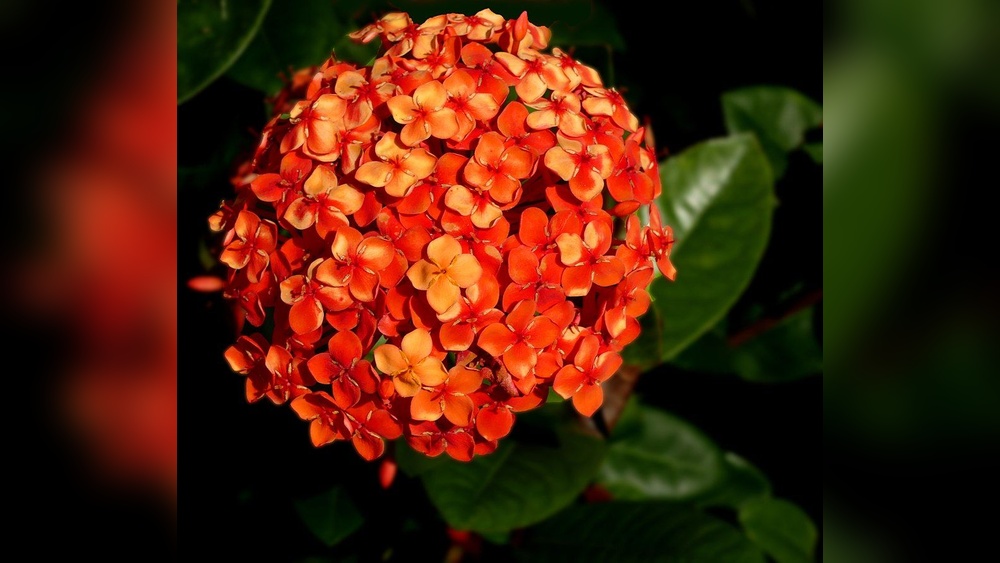
Tropical hibiscus plants are known for their big, bright flowers. They bring a touch of the tropics right to your home. While many people buy established hibiscus plants, growing them from seed is a rewarding experience.
It lets you see the entire life cycle of the plant. Plus, you can discover new colors and varieties that might not be easily available otherwise.
Starting hibiscus from seeds in pots is a great way for beginners to begin. It gives you control over the growing conditions. You can create the perfect environment for your seeds to sprout and grow into healthy plants.
This method is especially useful if you live in a cooler climate and want to grow these warm-weather beauties indoors or start them for transplanting later.
The idea of growing a tropical plant from a tiny seed might sound a bit challenging. You might wonder if you’re doing it right or if the seeds will even sprout. Don’t worry!
With the right approach, how to grow tropical hibiscus from seed in pots becomes a straightforward and enjoyable process. We will break it down into easy-to-follow steps.
Getting Your Seeds Ready
Before you plant your hibiscus seeds, a little preparation can make a big difference. This helps the seeds absorb water and start growing faster. It’s like giving them a head start.
Scarification and Stratification
Some hibiscus seeds have a hard outer shell. This shell can prevent water from getting in, making them slow to sprout. Two common ways to help them are scarification and stratification.
Scarification means slightly damaging the seed coat. Stratification means exposing the seeds to cold, damp conditions for a period.
For tropical hibiscus seeds, scarification is usually the most helpful. You can do this gently. You can lightly nick the seed coat with a small knife or a piece of sandpaper.
Be careful not to cut too deep. You just want to break through the hard outer layer. This allows water to penetrate.
Another method is soaking the seeds. Soaking them in warm water for about 24 hours can also help soften the seed coat. This is a simple way to prepare them for planting.
Some gardeners find that this soaking step alone is enough.
Choosing the Right Seeds
If you’re buying hibiscus seeds, get them from a reputable source. This ensures you’re getting viable seeds that are likely to sprout. You can find seeds online or at garden centers.
Look for seeds that are fresh. Old seeds may not germinate well.
If you’re collecting seeds from an existing hibiscus plant, make sure the seed pods are mature and dry. You’ll usually find seed pods after the flowers have faded. Let them dry on the plant as much as possible.
Once they are dry, you can open them up to collect the seeds.
Planting Your Hibiscus Seeds in Pots
Now it’s time to get those seeds into their new homes. Pots are perfect for starting seeds because you can control the soil and environment. This is a key part of how to grow tropical hibiscus from seed in pots.
Selecting Pots
Choose pots that are at least 4 inches deep. They should also have drainage holes at the bottom. Drainage is very important for hibiscus.
It prevents the roots from sitting in water, which can cause rot.
You can use small plastic pots, terracotta pots, or even biodegradable seed starting pots. Whatever you choose, make sure they are clean. Wash them with soap and water to get rid of any old soil or bacteria.
Potting Mix
Hibiscus seeds need a good quality potting mix that drains well. A seed starting mix is ideal because it’s light and airy. You can also make your own mix by combining equal parts of peat moss, perlite, and compost.
Avoid using heavy garden soil. It can become too compacted in pots, making it hard for the tiny roots to grow. A well-draining mix will help prevent waterlogging and ensure your seeds get the air they need.
Sowing the Seeds
Fill your chosen pots with the potting mix. Leave about an inch of space at the top. Lightly moisten the soil.
It should be damp, not soggy.
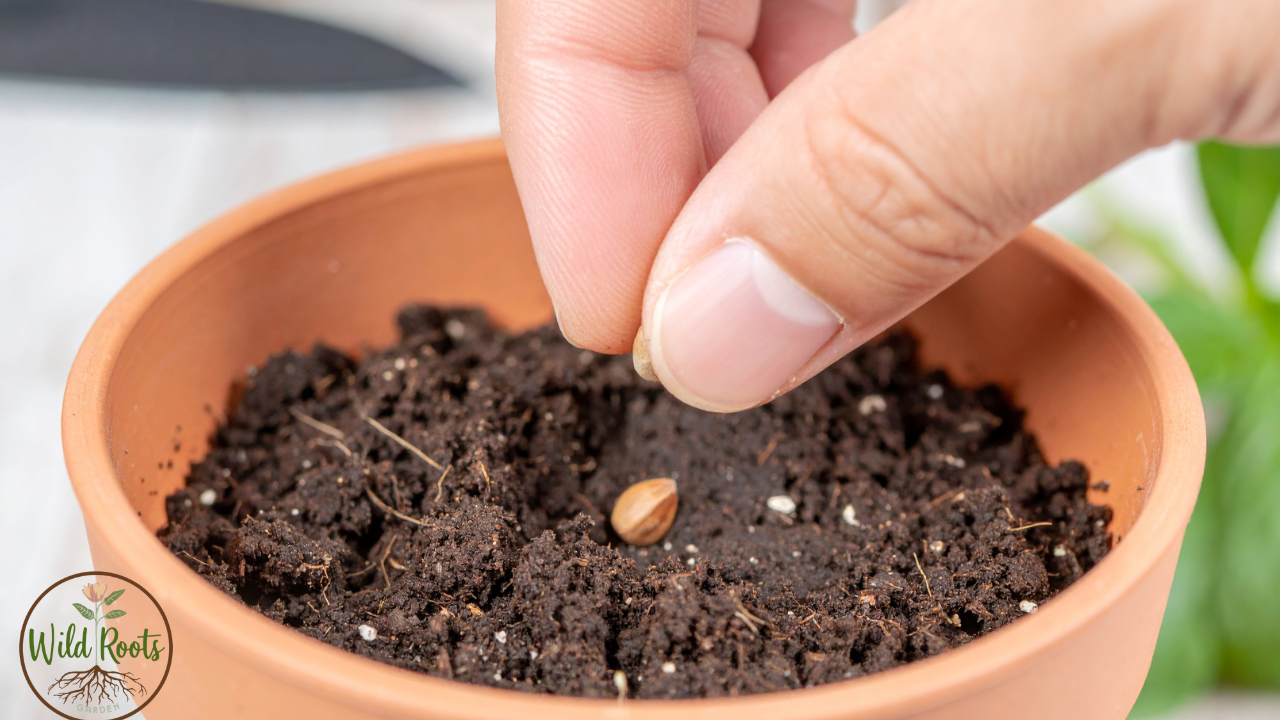
Place one or two seeds on the surface of the soil in each pot. If you’re planting multiple seeds in one pot, you can space them about an inch apart. This gives them room to grow before you might need to separate them.
Cover the seeds with a thin layer of potting mix, about a quarter of an inch deep. Gently pat the soil down. This ensures good contact between the seed and the soil.
Creating the Right Environment for Germination
Once your seeds are planted, the next crucial step is to create the perfect conditions for them to sprout. This is where patience and attention to detail pay off. Getting germination right is vital for learning how to grow tropical hibiscus from seed in pots.
Warmth is Key
Tropical hibiscus seeds need warmth to germinate. The ideal temperature is between 70-80°F (21-27°C). If your home is cooler, you might need to use a seedling heat mat.
Place the pots on the heat mat.
Check the temperature of the soil regularly to make sure it stays within the desired range. Fluctuations in temperature can hinder germination.
Moisture Management
Keeping the soil consistently moist is essential. However, you don’t want the soil to be waterlogged. Waterlogged soil can lead to the seeds rotting.
Water gently when the top layer of the soil starts to feel dry. You can use a spray bottle to mist the soil. This is less likely to disturb the seeds.
Humidity and Light
High humidity helps seeds germinate. You can create a mini-greenhouse effect by covering the pots. Use a clear plastic dome or plastic wrap over the pots.
Make sure to poke a few small holes in the plastic for air circulation. This prevents mold from forming.
Once the seeds sprout and you see tiny seedlings, remove the plastic cover. Hibiscus seedlings need bright, indirect light. Place them in a location where they can get plenty of light, but avoid direct sunlight, which can scorch their delicate leaves.
Caring for Your Seedlings
When your hibiscus seeds finally sprout, it’s an exciting moment! Now, you need to provide them with the right care to help them grow into strong young plants. This stage is part of mastering how to grow tropical hibiscus from seed in pots.
Watering Seedlings
Young hibiscus seedlings are still delicate. Water them carefully. Allow the top inch of soil to dry out slightly between waterings.
Always check the soil moisture with your finger before watering.
Water at the base of the plant. Avoid getting the leaves wet if possible. This helps prevent fungal diseases.
Light Requirements
As mentioned, seedlings need bright, indirect light. If you don’t have a sunny window, you can use grow lights. Place grow lights about 6-12 inches above the seedlings.
Keep them on for 12-16 hours a day.
As the seedlings grow larger and stronger, they can gradually be exposed to more direct sunlight. However, always introduce them slowly to prevent sunburn.
Fertilizing
Hibiscus seedlings do not need fertilizer right away. Wait until they have developed a few sets of true leaves. Then, you can start feeding them with a diluted liquid fertilizer.
Use a fertilizer that is balanced, like a 10-10-10 formula.
Start with a very weak solution, about half the strength recommended on the fertilizer package. Fertilize about once a month. As the plant grows, you can gradually increase the strength and frequency of fertilization.
Air Circulation
Good air circulation is important for preventing diseases. Make sure the area where your seedlings are growing is not stagnant. A gentle fan can help improve air flow.
This also helps to strengthen the stems of the young plants.
Transplanting Your Hibiscus
Eventually, your hibiscus seedlings will outgrow their starter pots. Transplanting them to larger containers is the next step in their growth. This is an important part of learning how to grow tropical hibiscus from seed in pots.
When to Transplant
You’ll know it’s time to transplant when the seedling has several sets of true leaves and its roots are starting to fill the pot. You might see roots growing out of the drainage holes. This usually happens when the plant is about 4-6 inches tall.
Choosing Larger Pots
Select a pot that is about 2-4 inches larger in diameter than the current pot. Again, ensure it has drainage holes. A pot that is too large can hold too much moisture and lead to root rot.
The Transplanting Process
Gently remove the seedling from its current pot. You can do this by turning the pot on its side and tapping it gently. Support the base of the seedling as you do this.
If the roots are tightly bound, you can gently loosen them with your fingers. This encourages them to grow outwards into the new soil.
Place the seedling in the new pot. Ensure the top of the root ball is about an inch below the rim of the new pot. Fill the pot with fresh, well-draining potting mix.
Water thoroughly after transplanting.
Ongoing Care for Potted Tropical Hibiscus
Once your hibiscus are in their larger pots, they will need regular care to thrive. This includes watering, feeding, and proper placement.
Watering Needs
Potted hibiscus need consistent watering. Water deeply when the top inch or two of soil feels dry. This may be daily in very hot weather, or less often in cooler periods.
Allow the water to drain freely from the bottom of the pot. Never let the pot sit in a saucer of water.
Fertilizing Regularly
Tropical hibiscus are heavy feeders, especially when grown in pots. Use a balanced, slow-release fertilizer formulated for flowering plants. You can also use a liquid fertilizer every two to four weeks during the growing season.
Look for a fertilizer with a higher middle number (phosphorus) to encourage blooming.
Sunlight and Location
Hibiscus love sun! They need at least 6-8 hours of direct sunlight per day to produce abundant flowers. Place your potted hibiscus in the sunniest spot you have available.
If you are in a very hot climate, some afternoon shade might be beneficial to prevent leaf scorch. However, for most regions, full sun is best.
Pruning
Pruning helps to maintain the shape of your hibiscus plant and encourages bushier growth and more flowers. The best time to prune is in late winter or early spring before new growth begins.
Trim back any dead, damaged, or crossing branches. You can also prune to shape the plant and encourage it to be more compact. Don’t be afraid to prune; hibiscus are quite forgiving.
Pest and Disease Control
Potted hibiscus can sometimes attract pests like aphids, spider mites, and whiteflies. Regularly inspect your plants for any signs of infestation.
If you spot pests, try to deal with them early. You can often wash them off with a strong spray of water. Insecticidal soap or neem oil are also effective organic treatments.
Good air circulation and proper watering can help prevent many diseases.
Common Issues and Solutions
Even with the best care, you might encounter a few problems. Knowing how to fix them will help your hibiscus thrive.
Yellowing Leaves
Yellow leaves on hibiscus can be caused by several things. Often, it’s a sign of overwatering or underwatering. Check the soil moisture.
If the soil is too wet, let it dry out. If it’s too dry, water more regularly.
Nutrient deficiencies can also cause yellowing. If the soil is fine, try fertilizing with a balanced fertilizer. Iron deficiency can also cause yellowing, especially in alkaline soils.
Bud Drop
Hibiscus may drop their flower buds before they open. This is usually caused by stress. Common stressors include inconsistent watering, sudden temperature changes, or lack of sufficient sunlight.
Ensure your plant has consistent watering and enough light. Try to avoid moving the plant around unnecessarily during the blooming period.
Lack of Blooms
If your hibiscus isn’t flowering, it might need more sun or a different fertilizer. Make sure it’s getting at least 6-8 hours of direct sunlight. Also, consider switching to a fertilizer with a higher middle number (phosphorus) to promote flowering.
Pruning at the wrong time can also affect blooms. Avoid heavy pruning right before the blooming season.
Frequently Asked Questions
Question: How long does it take for hibiscus seeds to germinate?
Answer: It can take anywhere from a few weeks to a few months for hibiscus seeds to germinate. Factors like temperature, moisture, and seed viability play a big role. Patience is key.
Question: Can I grow tropical hibiscus in a cooler climate?
Answer: Yes, you can grow tropical hibiscus in cooler climates by keeping them in pots. You can bring them indoors during the colder months. Protect them from frost.
Question: How often should I fertilize my potted hibiscus?
Answer: During the growing season (spring and summer), fertilize your potted hibiscus every two to four weeks with a balanced liquid fertilizer or use a slow-release formula according to package directions.
Question: What is the best soil for growing hibiscus in pots?
Answer: A well-draining potting mix is best. You can use a commercial potting mix, or create your own by combining peat moss, perlite, and compost. Good drainage prevents root rot.
Question: My hibiscus leaves are turning yellow. What should I do?
Answer: Yellow leaves can mean overwatering, underwatering, or a nutrient deficiency. Check the soil moisture first. If that’s okay, try fertilizing your plant with a balanced fertilizer.
Final Thoughts
You’ve learned the essential steps on how to grow tropical hibiscus from seed in pots. Starting from seed might seem challenging, but by following these easy guidelines, you can successfully cultivate beautiful hibiscus plants. Ensure proper seed preparation, consistent moisture, warmth for germination, and bright light for growth.
With ongoing care and attention, your potted hibiscus will reward you with stunning blooms, bringing tropical beauty right to your doorstep. Happy growing!