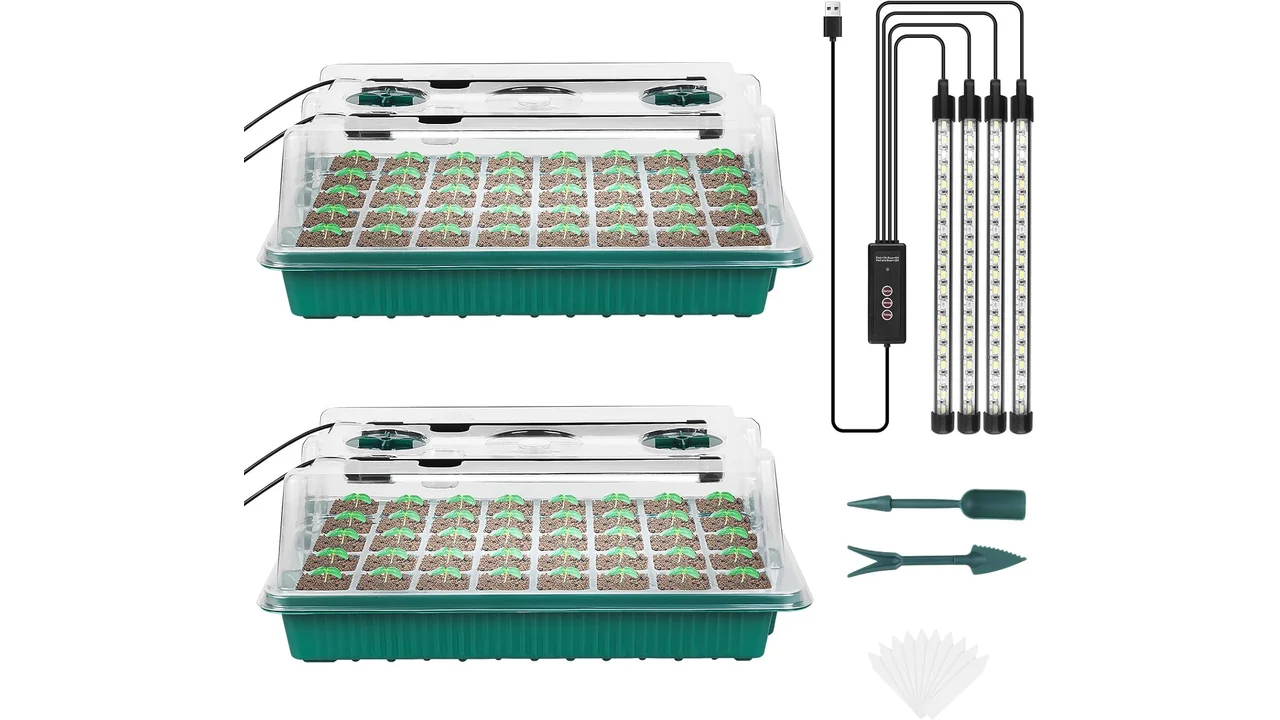
- Dreaming of fresh, homegrown produce but short on space? The Beginners Guide to Urban Hydroponic Gardening: Growing fruit, vegetables, and herbs in water-based solutions. is your ticket to a thriving green oasis, even in the heart of the city. This comprehensive guide unlocks the secrets to cultivating an abundance of delicious food right at home.
- Category: This book falls under Crafts, Hobbies & Home, specifically within Gardening & Horticulture, indicating its practical and accessible nature for home enthusiasts.
- Publication Date: With a publication date of August 22, 2024, you’re getting the latest information and techniques in urban hydroponic gardening.
- Language: Available in English, making it easy for a wide audience to understand and implement the gardening methods.
- Image Availability: While an image is not provided, the detailed product title suggests a focus on practical, water-based gardening solutions for urban environments.
- Targeted for Beginners: The title itself emphasizes a “Beginners Guide,” suggesting that complex jargon and overwhelming concepts have been simplified for newcomers to hydroponics.
- Urban Focus: The “Urban Hydroponic Gardening” aspect is a significant plus, addressing the specific challenges and opportunities of growing in city environments where space is often limited.
- Comprehensive Crop Coverage: The guide promises to cover the cultivation of “fruit, vegetables, and herbs,” offering a diverse range of produce possibilities for your home garden.
- Water-Based Solutions: The explicit mention of “water-based solutions” clarifies the core methodology, setting expectations for a soilless gardening experience.
- Up-to-Date Information: Its recent publication date means the content likely reflects current best practices and readily available materials in the hydroponics field.
- The book is designed to be a comprehensive resource, offering step-by-step instructions for setting up and managing various hydroponic systems.
- It aims to demystify the science behind hydroponics, explaining nutrient solutions, pH levels, and the importance of light and oxygen for plant growth.
- The guide likely provides practical advice on choosing the right system for your space, whether it’s a small countertop setup or a more ambitious vertical garden.
- It should cover troubleshooting common issues, helping beginners avoid pitfalls and ensure a successful harvest.
- The focus on urban gardening suggests that space-saving techniques and efficient use of indoor environments are key components of the content.
- Aspiring Urban Gardeners: Individuals living in apartments, condos, or houses with limited outdoor space who want to grow their own food.
- New Hydroponics Enthusiasts: Anyone curious about soilless gardening but unsure where to start, seeking a clear and easy-to-follow introduction.
- Health-Conscious Consumers: People looking to have fresh, pesticide-free fruits, vegetables, and herbs readily available in their homes.
- DIY Hobbyists: Individuals who enjoy hands-on projects and are interested in building and maintaining their own hydroponic systems.
- Educational Purposes: Students or families looking for an engaging way to learn about plant science and sustainable food production.
- Clear Step-by-Step Instructions: The guide should provide explicit, actionable steps for setting up and maintaining hydroponic systems.
- System Variety: Look for a book that covers different types of hydroponic setups (e.g., NFT, DWC, drip systems) to suit varying space and budget constraints.
- Crop-Specific Guidance: Information tailored to growing specific fruits, vegetables, and herbs is crucial for successful cultivation.
- Nutrient Management: Detailed explanations on preparing and managing nutrient solutions, including pH and EC/TDS monitoring, are essential.
- Troubleshooting Section: A good guide will address common problems and offer practical solutions for plant health issues.
- Beginner-Friendly Language: Avoids overly technical jargon and explains concepts in an easy-to-understand manner.
- Space Availability: Determine how much space you have for a hydroponic setup to choose a suitable system size and type.
- Light Requirements: Assess natural light availability and consider if supplemental grow lights will be necessary, especially for indoor setups.
- Time Commitment: Understand the daily and weekly tasks involved in maintaining a hydroponic system, such as checking water levels and nutrient concentrations.
- Budget: Hydroponic systems can range from very affordable DIY setups to more expensive commercial units.
- Crop Choice: Consider what you want to grow, as different plants have different needs and may be better suited to certain hydroponic methods.
Key Features That Stand Out

Beginners Guide to Urban Hydroponic Gardening: Growing fruit, vegetables, and herbs in water-based solutions.
What We Like
Performance Analysis
Best For
Buying Guide
Key Features to Look For
Important Materials
Based on the product description, while specific materials for the book itself aren’t detailed, the content will likely discuss materials needed for hydroponic systems such as grow lights, pumps, tubing, growing media (e.g., rockwool, coco coir), net pots, and nutrient solutions. The book’s publication in English suggests it’s a printed resource.
Essential Factors to Consider
Budget Planning
The initial investment for hydroponic gardening can vary significantly. Simple DIY setups might cost as little as $50-$100 for basic components. More sophisticated systems, especially those with automation or integrated lighting, can range from $200 to $500 or more. This guide, priced as a book, is an affordable entry point for acquiring the knowledge needed to plan your investment effectively. Consider the ongoing costs of nutrients, electricity for lights and pumps, and replacement parts.
When to Buy
The Beginners Guide to Urban Hydroponic Gardening: Growing fruit, vegetables, and herbs in water-based solutions. is an excellent purchase at any time of year. However, starting in late winter or early spring can be ideal, allowing you to set up your system and be ready for planting as soon as growing conditions are favorable, whether indoors or outdoors. This timing also aligns with the longer daylight hours of spring, which can be beneficial for plant growth.
Frequently Asked Questions
What are the basic components of a hydroponic system?
A basic hydroponic system typically includes a reservoir for the water and nutrient solution, a way to support the plants (like net pots), and often a mechanism for delivering nutrients and oxygen to the roots, such as a pump or air stone.
Do I need a lot of space for urban hydroponic gardening?
No, one of the key advantages of hydroponics is its suitability for small spaces. Many systems can be adapted for countertops, balconies, or even vertical setups to maximize growing area.
How often do I need to change the nutrient solution?
The frequency of nutrient solution changes depends on the system type and plant growth, but generally, it’s recommended every one to three weeks to ensure plants receive optimal nutrition and to prevent pathogen buildup.
What is the difference between hydroponics and traditional gardening?
The primary difference is that hydroponics involves growing plants without soil, using water-based nutrient solutions instead. This can lead to faster growth and higher yields in controlled environments.
Can I grow any type of plant hydroponically?
While many plants thrive in hydroponic systems, including leafy greens, herbs, tomatoes, and peppers, some root vegetables or larger fruiting plants might be more challenging or require specialized setups.
Is hydroponic gardening environmentally friendly?
Yes, hydroponics can be very environmentally friendly as it uses significantly less water than traditional agriculture, and by growing locally, it reduces transportation emissions.
Ready to Purchase?
Final Thoughts
The Beginners Guide to Urban Hydroponic Gardening: Growing fruit, vegetables, and herbs in water-based solutions. appears to be an essential resource for anyone looking to embrace soilless cultivation in urban settings. Its focus on beginners and comprehensive scope makes it an invaluable tool for aspiring home growers. This guide offers the knowledge to transform small spaces into productive food gardens.