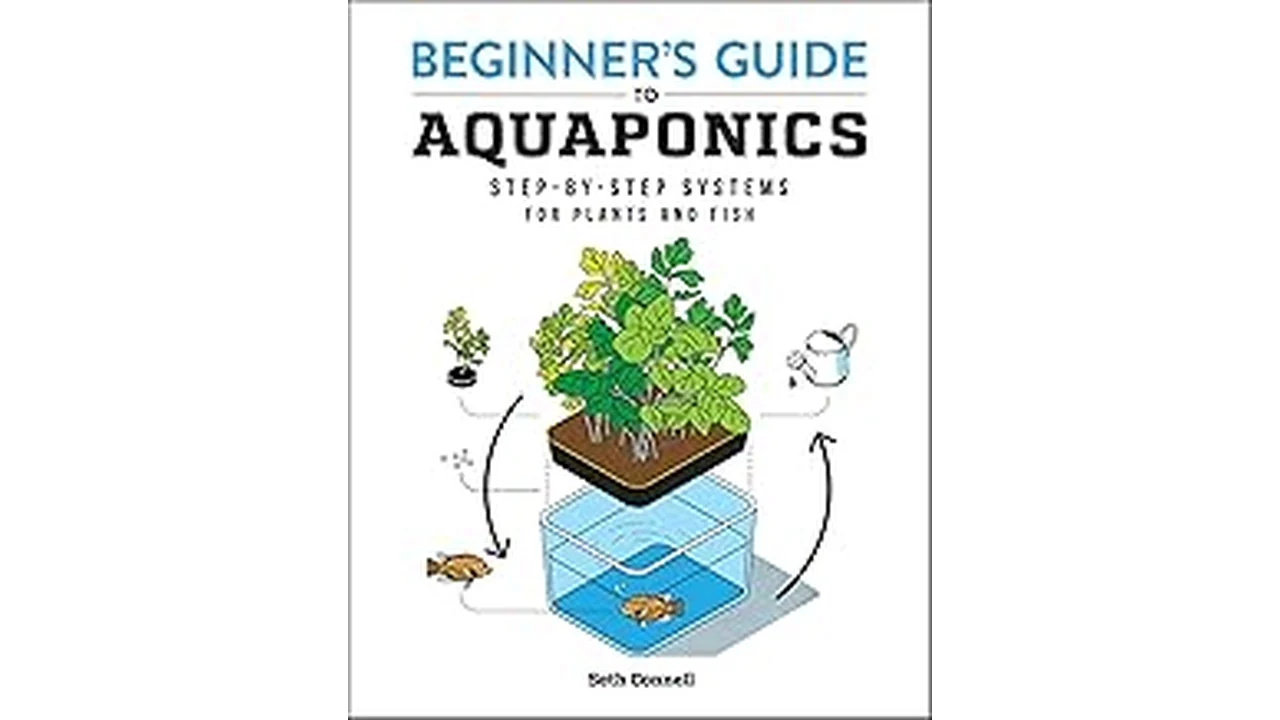
- Ready to transform your urban space into a thriving edible garden, even without soil? The Beginners Guide to Urban Hydroponic Gardening – Vol 2: Which Fruits, Vegetables, and Herbs can grow in water-based solutions? is here to demystify the world of hydroponics, guiding you through the exciting possibilities of growing your own fresh produce right at home. This comprehensive guide focuses specifically on what you can cultivate, ensuring you’re equipped with the knowledge to select the right plants for your indoor oasis.
- Crafts, Hobbies & Home: Positions the book within a broad category of practical home activities and creative pursuits.
- Gardening & Landscape Design: Clearly defines the book’s focus on cultivation and the thoughtful arrangement of plants.
- Water Gardens & Ponds: Hints at the water-based nature of hydroponics, drawing a parallel to established water gardening techniques.
- Image Unavailable Image not available for Color: This indicates that visual examples or specific color-related details might be limited, which is a practical consideration for a guide.
- The Science Behind Hydroponics: Suggests that the guide doesn’t just tell you what to grow, but also explains the fundamental principles at play, fostering a deeper understanding.
- Clear Focus on Plant Selection: The subtitle explicitly addresses “Which Fruits, Vegetables, and Herbs can grow in water-based solutions?”, indicating a direct answer to a common beginner’s question. This saves readers the trial and error of figuring out what’s suitable.
- Educational Foundation: The inclusion of “The Science Behind Hydroponics” is a significant plus. Understanding the “why” behind the methods leads to better long-term success and troubleshooting.
- Practical Application: Its placement under “Crafts, Hobbies & Home” and “Gardening & Landscape Design” suggests a practical, accessible approach that integrates into everyday life and aesthetic considerations.
- Relevance to Water Gardens: The “Water Gardens & Ponds” category connection, while indirect, highlights the familiarity and established interest in water-based cultivation, making hydroponics seem less daunting.
- The book is categorized under Crafts, Hobbies & Home, suggesting it’s intended for home users looking for engaging and practical activities.
- Its placement within Gardening & Landscape Design assures readers that the content is grounded in horticultural principles, even if applied to a soilless system.
- The mention of Water Gardens & Ponds indicates a connection to existing water cultivation methods, potentially making the transition to hydroponics smoother for those familiar with aquatic gardening.
- The explicit feature of The Science Behind Hydroponics is crucial, as it promises to equip readers with an understanding of the fundamental processes, which is vital for successful cultivation.
- The note about “Image Unavailable” for color implies that the physical presentation or detailed visual examples might be a limitation, something potential buyers should be aware of. However, the strength lies in the textual and scientific information provided.
- Absolute Beginners in Hydroponics: Those who are new to growing plants in water and need a clear starting point on what crops are viable.
- Urban Dwellers with Limited Space: Individuals living in apartments or homes with little to no traditional garden space who want to grow their own food indoors.
- Hobbyists Interested in Soilless Cultivation: People who are curious about alternative gardening methods and want to explore the benefits of hydroponics.
- DIY Enthusiasts: Individuals who enjoy hands-on projects and learning the science behind their hobbies.
- Anyone Wanting to Grow Fresh Produce Year-Round: Those looking for a way to supplement their diet with fresh herbs, fruits, and vegetables regardless of the season.
-
Key Features to Look For
When choosing a hydroponics guide, look for explicit coverage of plant suitability for water-based systems, as this volume promises. Content that breaks down the science behind hydroponics is essential for understanding nutrient solutions and environmental factors. Guides that fall under general Gardening & Landscape Design but specify hydroponics are often more comprehensive. A clear categorization within Crafts, Hobbies & Home suggests accessibility for everyday users.
-
Important Materials
As this is a guide, the primary “material” is the information contained within its pages. The effectiveness of the guide relies on the clarity and accuracy of its written content and any diagrams or explanations of plant needs in water. While specific material mentions are not present in the features, the implied material is knowledge and instruction.
-
Essential Factors to Consider
Consider the scope of the guide; does it focus on a specific type of hydroponics or offer a broad overview? For this volume, the essential factor is its explicit focus on “Which Fruits, Vegetables, and Herbs can grow in water-based solutions?”. Compatibility with different hydroponic systems (though not detailed here) is also important for practical application. The guide’s clarity for beginners is paramount.
-
Budget Planning
The price of such a guide typically reflects its depth and comprehensiveness. For an introductory volume focusing on plant selection and the science, expect a moderate price point. It represents an investment in avoiding costly mistakes and ensuring successful harvests. Compare it to the cost of continuously buying fresh produce that you could potentially grow yourself.
-
When to Buy
The best time to buy a guide like this is when you are ready to start your hydroponic journey. Seasonality is less relevant for indoor hydroponics, so you can begin at any time of the year. Purchasing it before setting up your system ensures you make informed decisions about plant choices and initial setup based on what you intend to grow.
Key Features That Stand Out
This volume delves into the practical aspects of urban hydroponic gardening, offering valuable insights for beginners and enthusiasts alike. The core offerings are highlighted by the following features extracted directly from Amazon:

Beginners Guide to Urban Hydroponic Gardening – Vol 2: Which Fruits, Vegetables, and Herbs can grow in water-based solutions?
What We Like
Based on the provided features, several aspects of the Beginners Guide to Urban Hydroponic Gardening – Vol 2: Which Fruits, Vegetables, and Herbs can grow in water-based solutions? stand out as particularly beneficial for aspiring hydroponic gardeners:
Performance Analysis
Analyzing the provided features, the Beginners Guide to Urban Hydroponic Gardening – Vol 2 appears to be a focused and educational resource.
Best For
This guide is ideal for a specific audience looking to embrace hydroponic gardening:
Buying Guide
When considering a guide like the Beginners Guide to Urban Hydroponic Gardening – Vol 2, focusing on its intended purpose and the information it provides is key.
What are the main types of plants this guide covers?
This guide specifically focuses on which fruits, vegetables, and herbs are suitable for growth in water-based hydroponic solutions, providing a clear starting point for what to cultivate.
Does the guide explain the science behind hydroponics?
Yes, one of the key features mentioned is “The Science Behind Hydroponics,” indicating that the book aims to educate readers on the fundamental principles of this gardening method.
Is this guide suitable for someone with no prior gardening experience?
Given its categorization under “Crafts, Hobbies & Home” and “Gardening & Landscape Design,” and its focus on beginner hydroponics, it is likely designed to be accessible to those new to gardening and hydroponics alike.
Can I expect detailed images of the plants mentioned?
The feature list notes “Image Unavailable,” which suggests that detailed visual examples of the plants or their growth in specific systems might be limited. The strength of the guide likely lies in its textual information and scientific explanations.
How does this guide relate to traditional water gardens?
The mention of “Water Gardens & Ponds” suggests a connection or comparison to established methods of growing plants in water, potentially making the transition to hydroponics more relatable.
Will this guide help me choose a hydroponic system?
While the primary focus is on plant selection, understanding the science behind hydroponics and which plants grow best can indirectly help in choosing a system that suits your needs and the types of produce you want to grow.
Is the information provided practical for urban settings?
Yes, the product name itself highlights “Urban Hydroponic Gardening,” indicating that the content is tailored for individuals looking to grow plants in city environments, often with limited space.
In conclusion, the Beginners Guide to Urban Hydroponic Gardening – Vol 2: Which Fruits, Vegetables, and Herbs can grow in water-based solutions? appears to be an invaluable resource for anyone looking to embark on their hydroponic gardening adventure. It promises to demystify the process by focusing on what truly matters: selecting the right plants for success in a soilless environment.